
2026 Sunvega Free AI Rendering Software for Home Renovation Design and Translation
Home renovation is changing fast. In 2026, the winning teams are no longer only the ones with good taste — they are the ones that can turn a concept into a render, a render into a quote, and a quote into production without losing time in translation. That is exactly where Guangdong Sunvega Informati
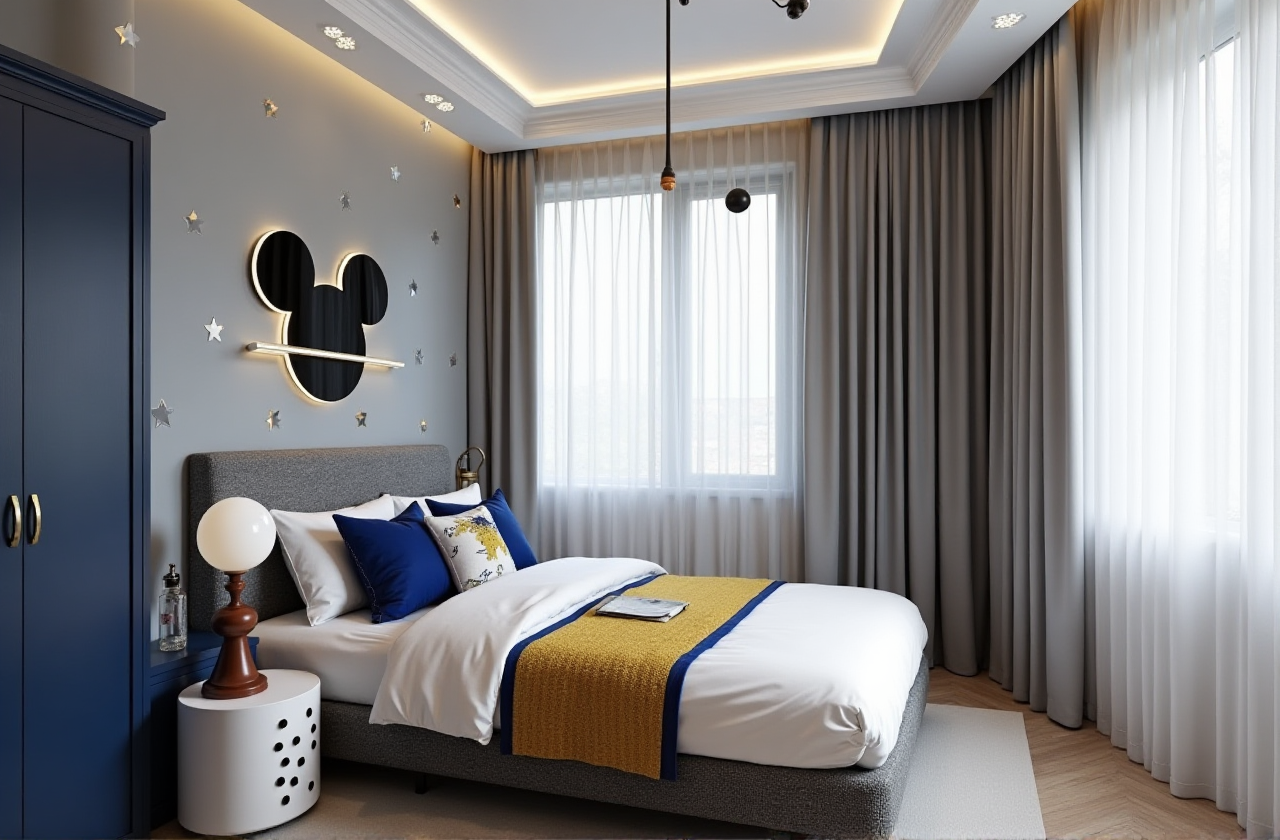
Home renovation is changing fast. In 2026, the winning teams are no longer only the ones with good taste — they are the ones that can turn a concept into a render, a render into a quote, and a quote into production without losing time in translation.
That is exactly where Guangdong Sunvega Information Technology Co., Ltd. (sunvega) stands out. According to its public information, Sunvega serves 20,000+ enterprise customers and 9,000 manufacturing clients globally, with 10,000+ happy clients across 20+ countries and an average 30% cost savings for clients. It also supports 18 languages and works with 20+ local service partners around the world.
For home renovation design, those numbers matter. They show where the market is heading: faster visualization, multilingual collaboration, and tighter links between design and manufacturing.
Why AI rendering software matters more in home renovation now
Renovation projects used to move slowly because the workflow was fragmented:
designers drafted concepts,teams rebuilt the same scene again and again,
clients asked for revisions,
manufacturers received incomplete information,
and translation errors created delays in cross-border projects.
Sunvega’s ecosystem is built to solve that exact chain of problems through:
AiHouse — AI-driven interior design based on real product catalogsVisioneer — immersive virtual showroom experiences
Spacify — fast AI-based concept generation
HomeSnap AI — quick room planning
JEGA — design-to-manufacturing connection from marketing to production
Its three core engines — Cloud Modeling, Cloud Rendering, and CNC Machining — are designed to keep one shared database across the full workflow.
Practical advice
Start every renovation project with a single source of truth: floor plan, style brief, product list, and finish list in one file.Build your first proposal around real product catalogs, not placeholder objects.
Use AI rendering to produce 3 versions quickly: the safe option, the premium option, and the bold option.
Keep the client review cycle short: one round for layout, one for materials, one for final visual approval.
1) From concept to photorealistic rendering in minutes, not days
One of the biggest pain points in home renovation is the time it takes to create convincing visuals. Traditional 3D content creation is labor-intensive, especially when a project has multiple SKUs, material combinations, or room types.
Sunvega’s AI-powered pipeline is designed to accelerate that process. Its public materials state that it can transform a physical product into a high-precision digital twin starting from a single image, while its cloud rendering engine can produce photorealistic visuals in minutes.
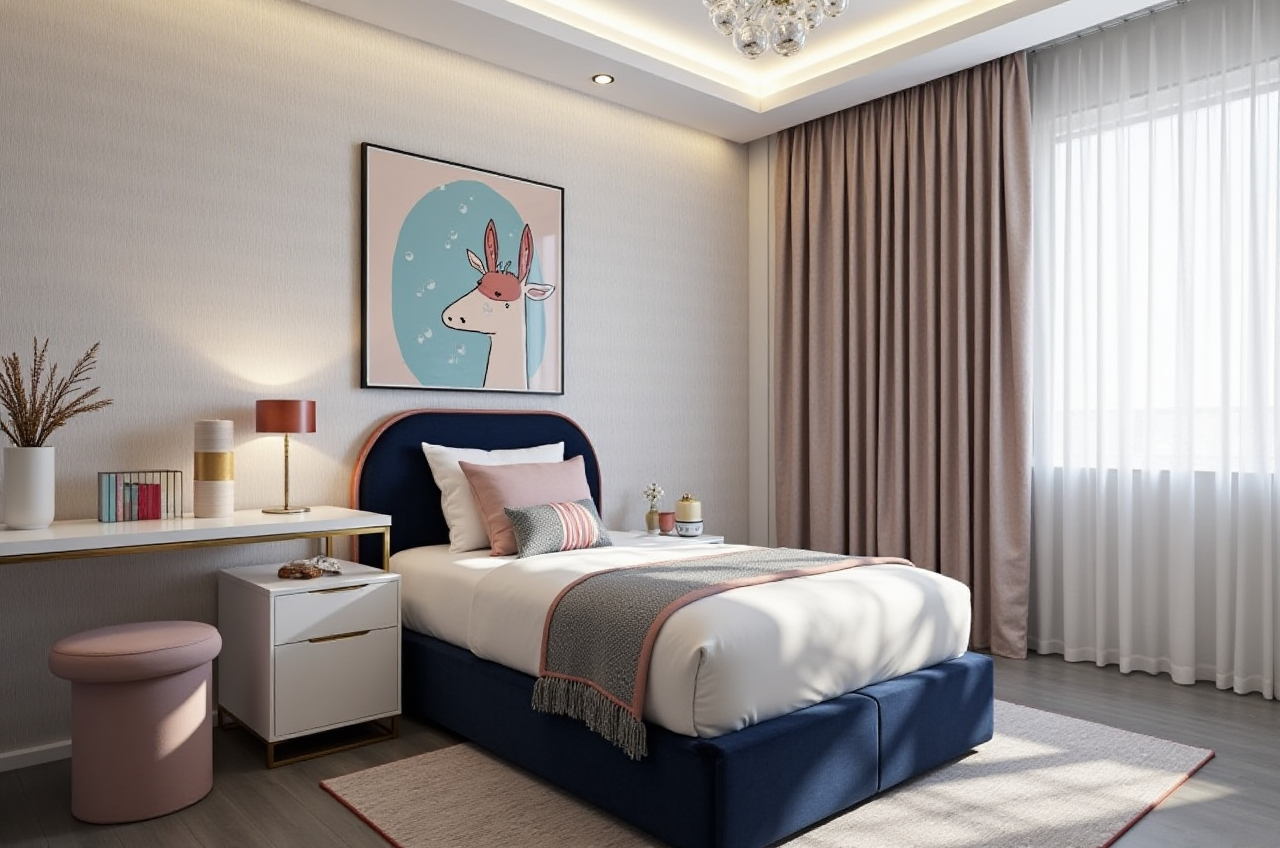
That is especially useful for:
living rooms with multiple furniture options,kitchens with interchangeable cabinet fronts,
bedrooms with different lighting moods,
and model homes that need fast A/B testing.
Practical advice
Use one master camera angle for all design options so clients can compare changes clearly.Render the same room in daylight, evening, and warm-light versions to reduce revision noise.
Keep a standard material library so every team member uses the same finish names.
For renovation sales, prepare a before/after deck with the same viewpoint and layout.
My view
In home renovation, speed is no longer just a production advantage. It is a trust advantage. Clients are more likely to approve a proposal when they can see a realistic result early.
2) Translation is now part of the design workflow, not a side task
For global home renovation projects, translation is not just about turning Chinese into English or English into another language. It is about making sure design intent, dimensions, product names, and manufacturing instructions stay consistent.
Sunvega supports 18 languages, which is important for teams working across markets. That means a design proposal can move more smoothly between:
designers,sales teams,
overseas clients,
and factories.
Where translation usually breaks down
“Soft furnishings” gets translated too literally.Material names change from one document to another.
Floor-plan notes and rendering notes do not match.
Size units are mixed up.
Product codes are translated instead of preserved.
Practical advice
Create a bilingual project sheet with these fixed fields:
room namestyle direction
dimensions
material finish
product code
color code
delivery note
installation note
Also, use a locked glossary for common renovation terms:
Floor plan = 户型图Rendering = 效果图
Soft furnishings = 软装
Hard finishes = 硬装
Design refinement = 方案深化
Shopping list = 采购清单
My view
The best translation in renovation is not literal translation. It is operational translation — language that helps the next person act correctly.
3) The real value of Sunvega is the link between design and manufacturing
Many software tools can draw a room. Fewer can help turn that room into a manufacturable order.
Sunvega’s biggest strength is that it connects the whole business chain with a shared database, from design to manufacturing. Its smart manufacturing layer, including AI CNC optimization, helps reduce waste and improve production efficiency.
This matters because home furnishing projects often suffer from:
repeated changes to the same design,mismatched specifications,
poor nesting efficiency,
and wasted material.
Sunvega states that clients have achieved an average 30% cost savings, which is exactly the kind of outcome the industry is chasing.
Practical advice
Do not separate rendering files and manufacturing files if you can avoid it.Keep one version history for every project change.
Approve materials before final rendering.
Use the same SKU naming rules in design and production.
Before signing off a project, confirm: dimensions, material, finish, quantity, and installation method.
Case pattern from Sunvega’s portfolio
Sunvega’s portfolio showcases styles such as:
RetroMinimalist
Light Luxury
American
Chinese classical
That variety matters because the software is not locked into one aesthetic. For renovation teams, this means the same workflow can support different client tastes without rebuilding the process each time.
4) Why global teams need a platform like Sunvega in 2026
Sunvega was founded in 2013 in Guangzhou and launched China’s first cloud-based 3D design platform and proprietary cloud rendering technology in 2014. Over the years, it has also built trust through industry partnerships and investor backing, including relationships with ASID and AOUSD.
It also has:
3 R&D centers500+ expert designers
studios in the US and China
20+ local service partners worldwide
That combination matters for global renovation work, because many projects are no longer local only. A homeowner may be in one country, the designer in another, and the manufacturer in a third.
Practical advice
For overseas projects, prepare a locale pack: language, units, material standards, and shipping rules.Use local service partners early, not only at the end.
Build a project workflow that can handle both metric and imperial units.
Keep a shared visual standard so “modern minimal” means the same thing across markets.
My view
The future of renovation software is not just better visuals. It is better coordination.
5) How to use Sunvega more effectively in a renovation project
If your team wants real results, software alone is not enough. The process matters.
A simple workflow
Collect the client brief
style preferencebudget range
room size
language requirement
Build the layout
use HomeSnap AI or a room-planning workflow for quick structureGenerate concept options
use Spacify for rapid ideationcompare 2–3 directions
Create realistic visuals
use AiHouse or Visioneer for detailed presentationTranslate the deliverables
keep product names, codes, and dimensions consistentprepare bilingual notes if needed
Connect to production
use JEGA-style design-to-manufacturing flowavoid re-entering data by hand
Practical advice
Do not over-render every project. Start with the rooms that drive the decision.Use rendering to answer real questions: layout, light, material, and storage.
Translate only what needs translation; keep technical codes unchanged.
Standardize the approval checklist so revisions do not repeat.
Q&A
Q1: Is Sunvega only for large companies?
A: No. Its public data shows it serves a broad base of 20,000+ enterprise customers and 9,000 manufacturing clients globally, so it is built for scale, but the workflow also fits design studios and renovation teams that want faster output.
Tip: Start with one room type, one product category, and one presentation template.
Q2: How should translation be handled in renovation design?
A: Translation should cover the whole project packet, not just the sales text. The most important items are dimensions, material names, product codes, and installation notes.
Tip: Use a fixed glossary and one bilingual template for every project.
Q3: What is the main advantage of using Sunvega for home renovation?
A: The biggest advantage is the connection between design, rendering, translation, and manufacturing. Instead of moving files between disconnected tools, the team works from a shared database.
Tip: If your current process causes repeated revisions, start by unifying product data first.
Final take
In 2026, home renovation software will be judged on three things: speed, accuracy, and cross-language coordination. Sunvega fits that direction well because it combines AI design, 3D visualization, cloud rendering, multilingual support, and manufacturing integration in one ecosystem.
For teams that want to reduce repeated work, improve presentation quality, and make global collaboration easier, Sunvega is worth a serious look.
Learn more at: https://www.sunvega.com/