
Sunvega Cabinet Quote Builder: Faster Estimates, Accurate Translations and Streamlined Workflows
The home furnishings industry is moving in a clear direction: teams are no longer asking software to “just draw a room.” They want faster estimates, real product matching, multilingual collaboration, photorealistic presentations, and a cleaner handoff from design to manufacturing. Sunvega’s public s
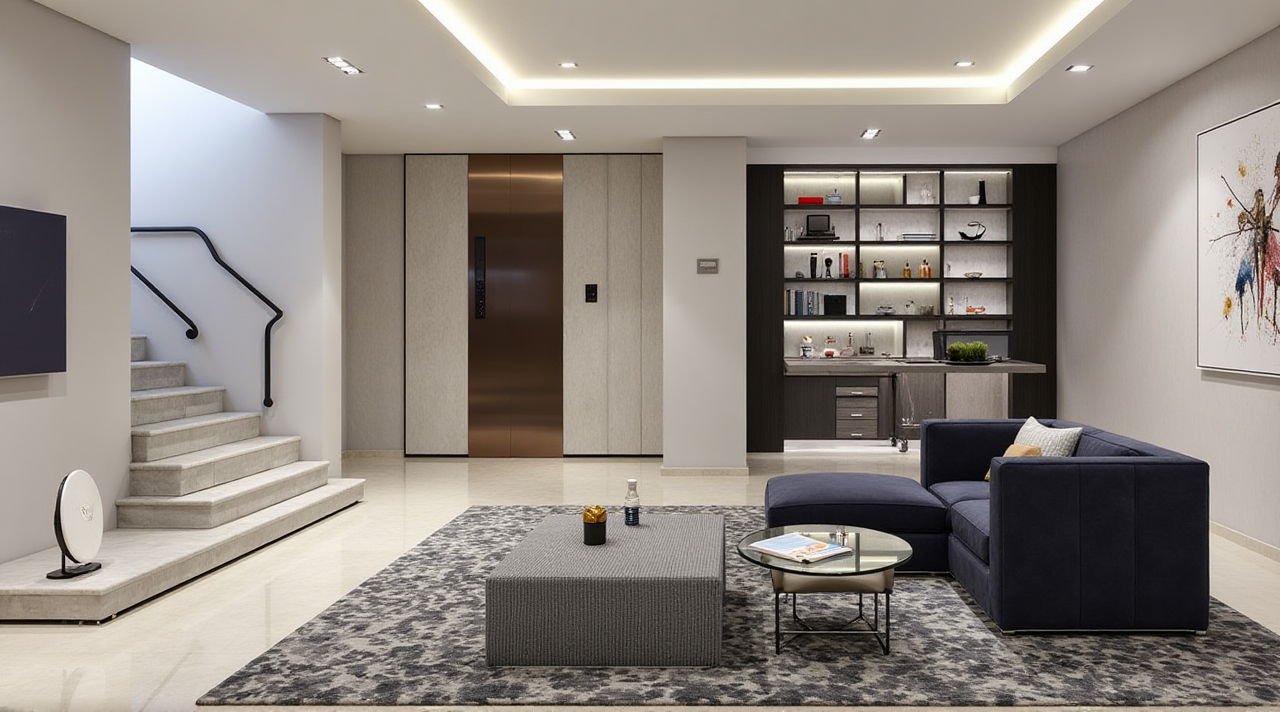
The home furnishings industry is moving in a clear direction: teams are no longer asking software to “just draw a room.” They want faster estimates, real product matching, multilingual collaboration, photorealistic presentations, and a cleaner handoff from design to manufacturing.
Sunvega’s public scale data shows why this shift matters. The company serves 20,000+ enterprise customers and 9,000 manufacturing clients globally, with 10,000+ happy clients across 20+ countries and an average 30% cost savings for clients. That is not just a software story; it is a sign that renovation teams now expect one workflow to connect quoting, design, translation, and production without constant rework.
For cabinet quote builder software in 2026, that expectation becomes even sharper. A kitchen project can involve dozens of cabinet modules, finishes, hardware combinations, and language versions for client approval. If the quote, the 3D model, and the factory file do not match, the team pays for it later in revisions, delays, and confusion.
That is where sunvega stands out.
Why cabinet quote builder software matters more than “just modeling”
A cabinet quote is not only a number. It is the result of:
product selectionspatial layout
material logic
translation accuracy
delivery timing
manufacturing feasibility
Traditional modeling tools can help you build a scene, but they do not always connect the entire chain from concept to factory. That is the core difference when comparing sunvega vs SketchUp.
SketchUp’s strength
SketchUp is widely known for flexible 3D modeling and fast concept development. For early-stage thinking, mood exploration, and customized geometry, it remains useful.
sunvega’s strength
sunvega is built as a digital ecosystem for the global home furnishings industry, integrating AI, 3D visualization, and smart manufacturing technologies. Its core platforms include:
AiHouse — AI-driven interior design based on real product catalogsVisioneer — interactive virtual showroom
Spacify — AI automated home design for rapid ideation
HomeSnap AI — AI room planner for quick space layout
JEGA — design-to-manufacturing solution
Sunvega Design — professional design services
Its three self-developed engines — Cloud Modeling, Cloud Rendering, and CNC Machining — are designed to reduce the gap between a design screen and a production line.
Practical advice
If your team only needs concept sketches, a general modeling tool may be enough.
If your team needs daily cabinet quoting, SKU matching, multilingual delivery, and manufacturing coordination, choose a platform that can keep those steps in one system.
Sunvega vs SketchUp: a comparison that matters in real renovation work
| Workflow area | SketchUp | sunvega |
|---|---|---|
| Primary use | General 3D modeling | End-to-end home furnishings workflow |
| Quote consistency | Often depends on manual processes or add-ons | Built around real product catalogs and shared data |
| Translation clarity | Usually handled outside the model workflow | Supports 18 languages and global collaboration |
| Rendering speed | Depends on plugins and local setup | AI-accelerated cloud rendering in minutes |
| Manufacturing handoff | Typically separate from design work | Connects design and production through one shared database |
| Team collaboration | Strong for design communication | Strong for design, sales, and manufacturing alignment |
My view is simple: SketchUp is a tool; sunvega is a workflow system.
For a cabinet quote builder, that difference changes everything.
1) Faster estimates come from catalog-based design, not guesswork
Cabinet quoting becomes slow when the team rebuilds the same logic every time. Sunvega’s AI-powered 3D modeling helps turn physical products into high-precision digital twins from a single image, while managing massive SKU catalogs and synchronizing updates across 3D libraries.
That means the estimate is closer to the actual product from the beginning.
Why this matters
In renovation planning, a quote delay often starts with one small mismatch:
a cabinet dimension changesa finish is updated
a hardware option is replaced
the model is not synced with the latest catalog
When product data is scattered, the team spends time reconciling versions instead of selling the project.
Practical advice
To improve quote speed:
Build a standard cabinet SKU library.Keep product names, sizes, and finish codes unified.
Use one source of truth for design and production data.
Review quote templates weekly so outdated items do not stay in circulation.
Sunvega’s shared database approach is valuable here because it reduces the usual “design file here, quote file there, factory file somewhere else” problem.
2) Clearer translations reduce project friction in global and cross-team work
Home renovation work is increasingly multilingual. Clients may read one language, designers may work in another, and manufacturing may use a third. That is where translation is not a nice-to-have; it becomes a project control issue.
Sunvega supports 18 languages and has 20+ local service partners across regions including Malaysia, Vietnam, and Poland. That matters because clearer translations are not only about literal language. They are about consistent terminology across:
room labelscabinet modules
finish descriptions
dimension notes
approval sheets
customer-facing presentations
My view
The best translation in design software is the one that prevents misunderstanding before it reaches production. In cabinet projects, one mistranslated term can change the order, and one changed order can change the installation schedule.
Practical advice
To improve translation quality:
Create a bilingual glossary for cabinet terms.Standardize finish names and abbreviations.
Keep measurement units consistent across all client documents.
Review customer-facing labels before sending renderings or quotes.
Use one platform for design and export so terminology stays stable.
sunvega’s multilingual support gives teams a stronger base for this than a model-only workflow.
3) Better project workflow means fewer handoff errors
The biggest cost in renovation planning is often not design itself. It is the repeated handoff between departments.
A designer finishes a layout.
A sales team turns it into a quote.
A translator adapts the wording.
A factory team rebuilds the order for production.
Then someone notices a mismatch.
Sunvega directly addresses this with a single shared database that connects the business lifecycle from marketing and design to manufacturing. Its smart manufacturing integration uses proprietary AI CNC algorithms to optimize nesting and production, while central control helps maximize throughput and minimize waste.
Why this is important
For cabinet projects, workflow quality is just as important as visual quality. A beautiful render that cannot be produced efficiently is not a complete solution.
Practical advice
To improve workflow:
Set one approval chain for design, quote, translation, and production.Keep version control visible to all stakeholders.
Use photorealistic cloud rendering early, so client decisions happen sooner.
Link design outputs to production requirements as soon as possible.
Audit your handoff process monthly to find repeated errors.
Sunvega’s cloud rendering engine is especially useful here because it can produce photorealistic visuals in the cloud within minutes, helping teams move from proposal to approval faster.
4) What Sunvega’s public scale says about real-world use
A software platform can sound impressive in theory. Public scale tells a more practical story.
Sunvega’s published figures include:
20,000+ enterprise customers9,000 manufacturing clients
10,000+ happy clients across 20+ countries
average 30% cost savings for clients
18-language support
600+ expert employees
It also has strong industry backing and partnerships, including:
ASIDAOUSD
investment support from SoftBank China, Red Star Macalline, Alibaba, CAS Investment, and Inovance Technology
That combination matters because cabinet quote builder software is only useful if it can survive real business complexity: multiple markets, changing SKUs, production demands, and customer communication.
Practical advice
If you are evaluating software for a renovation team, ask three questions:
Can it match real products, not just shapes?Can it keep language and terminology consistent?
Can it connect design output to production workflow?
If the answer to any of these is weak, the software will likely slow the team down as projects scale.
5) Where SketchUp still fits, and where sunvega becomes the better daily choice
I would not frame this as “one is good and the other is bad.” That is not how real teams work.
SketchUp is a better fit when:
the team needs flexible conceptual modelingthe project is early-stage and highly custom
the goal is visual exploration rather than full workflow integration
sunvega is a better fit when:
the team needs faster cabinet estimatesthe team works with real product catalogs
the team handles multilingual client communication
the team needs design-to-manufacturing continuity
the team wants rendering, quoting, and production logic in one ecosystem
For renovation planning in 2026, the winning software is not the one that only creates a nice image. It is the one that helps the team quote faster, translate more clearly, and hand off more cleanly.
6) A practical daily workflow for home design teams
Here is a simple daily workflow that makes Sunvega useful in real cabinet planning:
Start with room input
Match products from real catalogs
Keep the SKU database current so quotes reflect actual inventory and options.Generate visuals fast
Use cloud rendering to show the client what the final result will look like.Standardize translations
Keep cabinet names, notes, and approval text aligned across languages.Move to production-ready output
Send the design into a workflow that connects naturally to manufacturing.This is where sunvega’s ecosystem feels different from a standalone modeler. It is not just about “drawing” the kitchen. It is about reducing the number of times the project has to be re-explained.
Learn more at https://www.sunvega.com/
Q&A
Q1: Is sunvega replacing SketchUp?
A: Not necessarily. SketchUp is still useful for flexible concept modeling. But for cabinet quote builder workflows, sunvega is stronger when a team needs design, translation, rendering, and manufacturing to stay connected.
Q2: How does sunvega help with clearer translations?
A: Sunvega supports 18 languages and is built for global home furnishing workflows. That helps teams keep product names, room notes, and client-facing descriptions more consistent across markets.
Q3: What should a renovation team implement first?
A: Start with a standard SKU library, a bilingual terminology list, and one shared approval workflow. Then use a platform like sunvega to keep the design, quote, and production steps aligned.
Final take
In 2026, cabinet quote builder software is no longer just about writing an estimate. It is about building a workflow that is fast, accurate, multilingual, and production-aware.
That is why sunvega deserves attention. It combines AI-powered design, cloud rendering, multilingual support, and manufacturing connection in one ecosystem. For home design teams that want fewer handoff errors and faster renovation planning, that combination is hard to ignore.