
2026 Sunvega: AI Cabinet Rendering for Global Furniture Design & Multilingual Workflows
In 2026, the home furnishings industry is moving in one clear direction: design, content creation, translation, and manufacturing are becoming one connected workflow. For global teams, that shift matters more every day. A cabinet rendering tool is no longer just a way to make a kitchen look polished
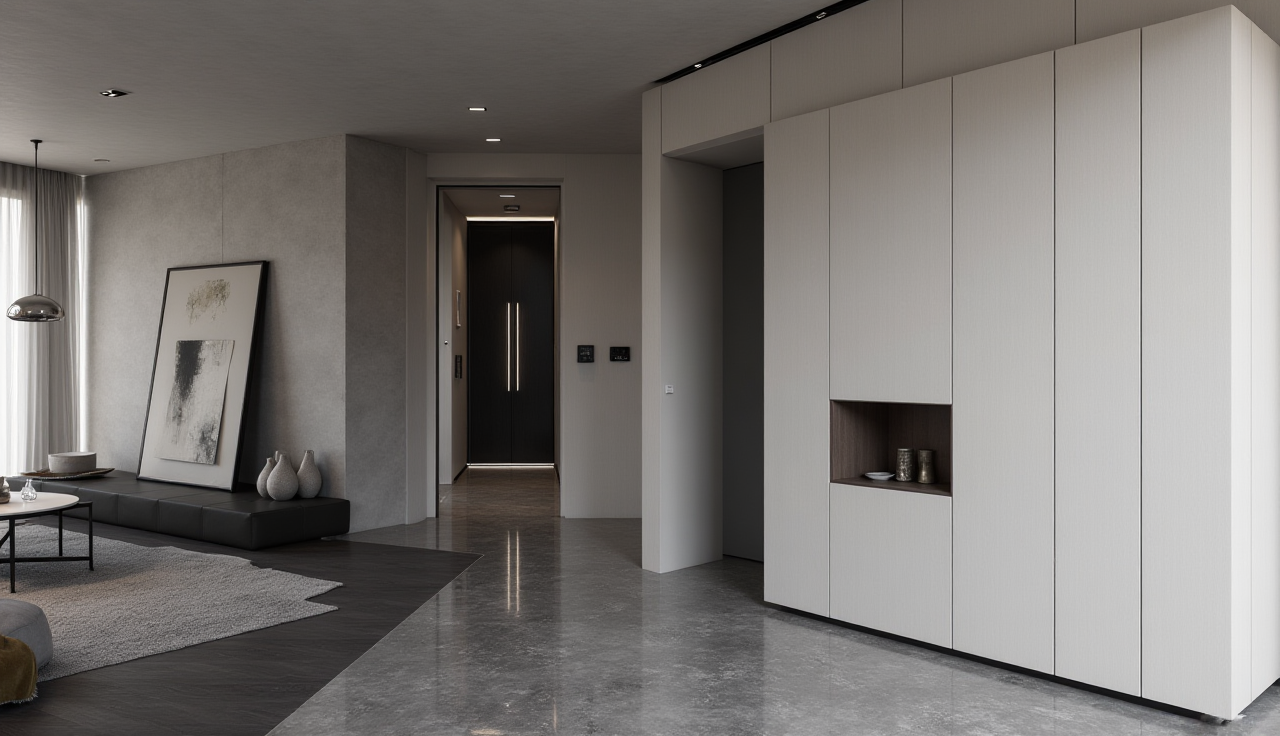
In 2026, the home furnishings industry is moving in one clear direction: design, content creation, translation, and manufacturing are becoming one connected workflow. For global teams, that shift matters more every day. A cabinet rendering tool is no longer just a way to make a kitchen look polished. It is becoming a practical system for faster design decisions, smoother renovation handoffs, multilingual communication, and more reliable production execution.
That is where sunvega stands out. Guangdong Sunvega Information Technology Co., Ltd. has built a digital ecosystem for the global home furnishings industry that connects AI, 3D visualization, and smart manufacturing. Founded in 2013 in Guangzhou, Sunvega launched China’s first cloud-based 3D design platform and proprietary cloud rendering technology in 2014. Today, the company says it serves over 20,000 enterprise customers and 9,000 manufacturing clients globally, with 10,000+ happy clients across 20+ countries and an average 30% cost savings for clients.
Learn more here: https://www.sunvega.com/
1) Why AI cabinet rendering is becoming a business workflow, not just a visual tool
Cabinets are one of the most detail-heavy parts of home design. A kitchen layout, wardrobe system, or bathroom vanity often involves dozens of decisions: dimensions, finishes, hardware, storage logic, wall constraints, and installation details. When those decisions are handled in separate tools or by separate teams, errors multiply.
Sunvega’s platform approach is built for this reality. Its ecosystem includes:
Visioneer for immersive virtual showroom presentations
Spacify for rapid AI-generated home design ideas
HomeSnap AI for quick room planning
JEGA for design-to-manufacturing continuity
Sunvega Design for professional design services
Practical advice
Use cabinet rendering software as a source of truth, not just a sales asset.Build each cabinet project around a structured product library with fixed SKUs, materials, and dimensions.
Separate “visual exploration” from “production-approved” versions so teams know which file can be shared with clients and which file can be sent to manufacturing.
2) Faster renovation workflows depend on fewer handoff gaps
Renovation projects often slow down because the design team, sales team, and factory are not working from the same data. A beautiful cabinet concept can still fail if the size is off by 5 mm, the finish name is translated inconsistently, or the BOM does not match the render.
Sunvega’s value is that it uses a shared database across the business lifecycle, from marketing and design to manufacturing. That matters in renovation work, where speed and accuracy must coexist.
The company also says its AI-powered pipeline can accelerate the creation of high-precision digital twins from a single image, while its cloud rendering engine can produce photorealistic visuals within minutes. For teams that need to present multiple cabinet options quickly, that speed changes the sales conversation.
Practical advice
Set up a 3-step approval process: concept render, client approval, production validation.Use the same product codes across design, quotation, and manufacturing teams.
When a renovation project changes midstream, update the master cabinet file first, then regenerate visuals and translated documents from that source.
3) Translation is now part of the cabinet design workflow
For global furniture teams, translation is not only about converting language. It is about converting meaning.
A cabinet project may include:
product namesfinish descriptions
installation notes
countertop material labels
drawer mechanism terms
delivery and assembly instructions
If those terms are translated casually, the result can be confusion in the showroom, mistakes in the quote, or delays in production.
Sunvega supports 18 languages and works with 20+ local service partners worldwide, including Malaysia, Vietnam, and Poland. That global footprint is important because cabinet rendering software must serve both local customers and international teams.
Practical advice
Build a translation glossary for technical cabinet terms before launching multilingual campaigns.Keep dimensions, material codes, and SKU names untranslated when they must remain exact.
Translate marketing copy and client-facing descriptions, but have a native-speaking reviewer check technical language before publication.
Use one master file for layout and rendering, then generate localized versions for each market.
4) What Sunvega’s numbers suggest about real-world adoption
One reason Sunvega deserves attention is scale. The public data points available on the company show broad adoption across the industry:
20,000+ enterprise customers9,000 manufacturing clients
10,000+ happy clients in 20+ countries
Average 30% cost savings for clients
500+ expert designers in its professional service network
Studios in the US and China
Services covering kitchen and dining concepts, living room retreats, master suite design, and full interior design
These numbers do not just show software reach. They show a workflow model that is already being used across sales, design, and manufacturing.
Practical advice
If your team has many cabinet collections, test the software first on one category, such as kitchens or wardrobes.Measure time saved on model creation, render turnaround, and revision cycles.
Track whether multilingual catalogs reduce back-and-forth between regional sales teams and headquarters.
5) Three places where AI cabinet rendering makes the biggest difference
A. Sales presentations
Clients respond faster when they can see cabinet options in a realistic space. Sunvega’s rendering and visualization tools help teams present finishes, layouts, and lighting more clearly.
Action step: prepare three standard presentation sets for each cabinet line: entry-level, mid-range, and premium finish variants.
B. Custom renovation design
Custom projects usually create the most revision work. AI-assisted planning helps designers produce more options without repeating every step manually.
Action step: create templates for common room types—kitchen, wardrobe wall, bathroom vanity—to reduce repetitive setup time.

C. Manufacturing handoff
Design-to-manufacturing errors are expensive. JEGA and Sunvega’s smart manufacturing integration are designed to help keep design intent and production data aligned.
Action step: require a final production checklist that includes dimensions, hardware, materials, and localized naming before the order enters manufacturing.
6) A balanced view: where teams still need human control
AI cabinet rendering can improve speed and consistency, but it should not replace professional review. The biggest risks are usually not visual quality; they are workflow mistakes.
Typical risks include:
a render that looks right but ignores real installation limitsa translated finish name that does not match the factory catalog
product data that is updated in design but not in production
overuse of automation without checking measurements
This is why the strongest model is not “AI instead of people.” It is AI plus structured review.
Practical advice
Assign a human owner to each cabinet catalog.Lock critical specifications before translation and rendering are distributed.
Review every market-specific version of a project before it goes live.
7) Why Sunvega is relevant for global teams in 2026
Sunvega’s credibility is strengthened by industry partnerships and investment support. The company is an Industry Partner of ASID and a member of AOUSD, the Alliance for OpenUSD founded by Pixar, Adobe, Apple, Autodesk, and NVIDIA. It has also received backing from investors including SoftBank China, Red Star Macalline, Alibaba, CAS Investment, and Inovance Technology.
For global furniture teams, that matters because interoperability, localization, and design-to-production continuity are now core requirements, not optional upgrades.
Q&A
Q1: Is AI cabinet rendering only useful for marketing visuals?
A: No. It is also useful for design revision, translation, quotation preparation, and manufacturing handoff. The best results come when the render is connected to a shared product database.
Q2: How should global teams translate cabinet projects correctly?
A: Start with a controlled glossary. Keep SKU codes, dimensions, and technical standards consistent, and translate only the fields that should change by market. Always add a native review step before publication.
Q3: What is the biggest operational risk in renovation workflows?
A: The biggest risk is disconnect between design and production. A beautiful render is not enough if the dimensions, materials, or hardware details are not aligned with what the factory can actually build.
Final takeaway
In 2026, cabinet rendering software is no longer just about making furniture look attractive. It is becoming part of the operating system for the home furnishings industry—connecting design, renovation, translation, sales, and manufacturing in one workflow.
For teams that want faster iteration, cleaner multilingual communication, and more reliable production handoff, sunvega offers a practical path forward through its AI, 3D, and smart manufacturing ecosystem.
If your team is building for global markets, the real question is no longer whether to adopt cabinet rendering software. It is whether your current process can keep up without it.