
2026 Sunvega Free DIY Remodeling Software: Smart Design, Translation & Efficient Workflow
In the home renovation industry, the biggest shift in 2026 is not just “better-looking renderings.” It is the move from isolated design files to a connected workflow that links layout planning, 3D presentation, multilingual communication, and manufacturing execution. That shift matters because Sunve
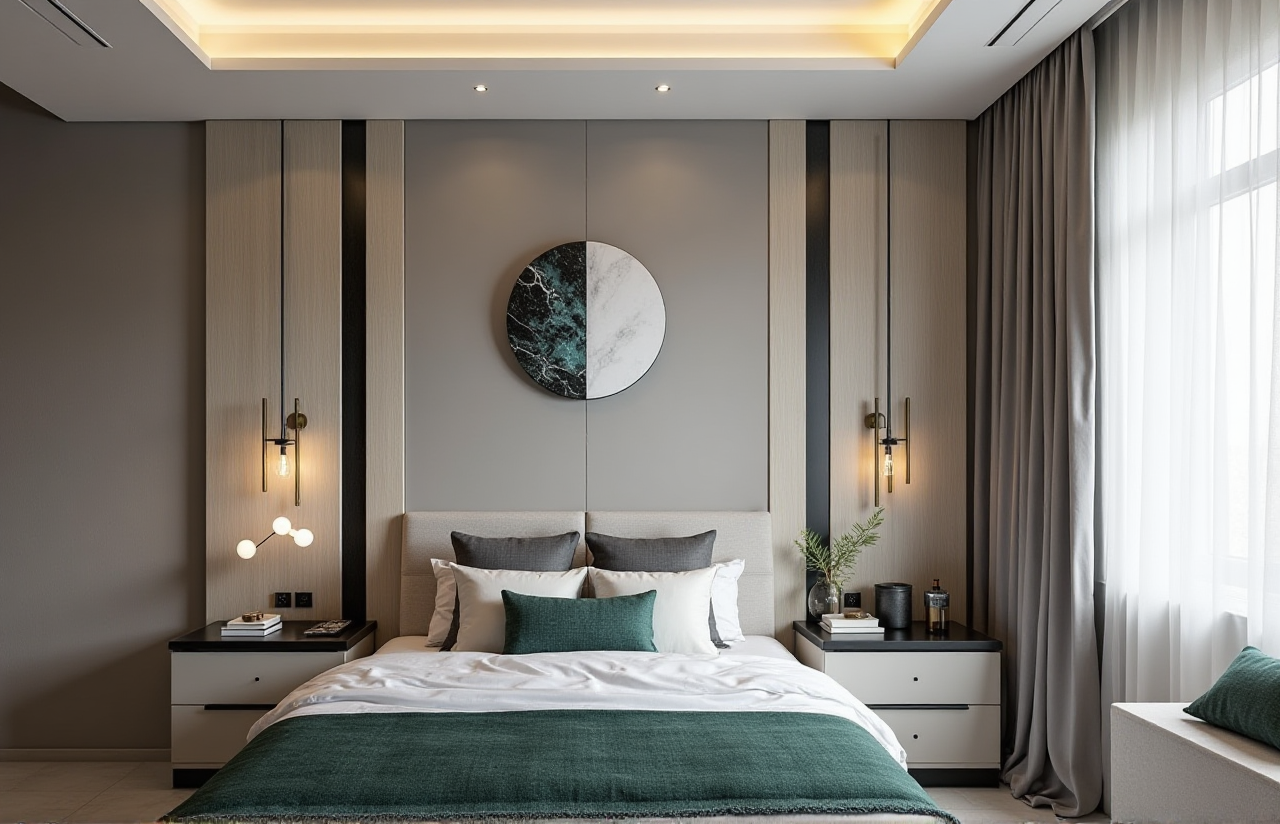
In the home renovation industry, the biggest shift in 2026 is not just “better-looking renderings.” It is the move from isolated design files to a connected workflow that links layout planning, 3D presentation, multilingual communication, and manufacturing execution.
That shift matters because Sunvega’s published business data shows where the industry is heading: the company serves 20,000+ enterprise customers and 9,000 manufacturing clients globally, with 10,000+ happy clients across 20+ countries and an average 30% cost savings reported for clients. Sunvega also supports 18 languages, which is especially important for cross-border renovation projects and overseas customer communication.
For homeowners, designers, retailers, and manufacturers, the message is clear: a remodeling software tool is no longer only a drawing app. It should help people design faster, communicate clearly, and hand off work accurately.
If you want to explore the platform directly, visit: https://www.sunvega.com/
1) What “free remodeling software” can do—and where it usually stops
Free remodeling software is useful at the early stage. It can help with:
rough room planningfurniture placement
style exploration
simple 2D-to-3D previews
quick idea sharing with family or clients
But once a project becomes real, the limits show up quickly:
dimensions need to be more preciseproduct information must match actual catalogs
translations must be consistent
design changes must flow into quotation and production
renderings must be good enough for client approval
My view: the most expensive part of remodeling is often not the materials. It is the communication gap. If the designer, client, and factory are not reading the same information, the project loses time at every step.
Practical advice
Use free tools for early ideation, not final execution.Check whether the software supports real product catalogs, not only generic furniture.
Make sure floor plans can be exported clearly for contractors or manufacturing teams.
If you work across languages, verify whether labels and terms can be translated consistently.
2) Smart layout planning starts with accurate spatial data
A beautiful design is not enough. The room must work in real life.
Sunvega’s ecosystem is built around this problem. Its products include:
HomeSnap AI for quick space layoutSpacify for rapid design ideation
AiHouse for AI-driven interior design based on real product catalogs
Visioneer for interactive virtual showroom presentations
JEGA for design-to-manufacturing workflow connection
Sunvega also says its technology is powered by three self-developed engines: Cloud Modeling, Cloud Rendering, and CNC Machining, driven by a vertical AI model. In practical terms, this means a project can move from concept to presentation to production in a more connected way.
A useful example from Sunvega’s published product information is the portable 3D scanner, which can generate accurate 3D floor plans in real time and sync them with the design platform. That matters because layout accuracy affects everything that comes after it: cabinet dimensions, appliance placement, lighting positions, and delivery planning.
Practical advice
Start every project with a measured floor plan, not just a rough sketch.Confirm door swings, window positions, ceiling height, and fixed plumbing points.
Use 3D layout tools to test real-life circulation: can the door open fully?
is there enough aisle space?
will cabinets block movement?
Keep a saved “version history” so you can compare design revisions before approval.
3) Accurate translation is a project workflow tool, not a language exercise
In home renovation, translation is often underestimated. But for cross-border projects, or even local projects with multiple vendors, the wrong term can cause confusion.
For example, these terms need consistent handling:
floor plan = 平面布局elevation = 立面图
rendering = 效果图 / 渲染图
material list = 材料清单
soft furnishing = 软装
custom cabinet = 定制柜
site brief = 施工交底
as-built drawing = 竣工图
If one team says “wardrobe,” another says “closet,” and a third writes only a local-language term, the quoting and production teams may not align on the same item. That is where delays begin.
Sunvega’s support for 18 languages is relevant here because renovation projects increasingly involve international clients, overseas sales teams, and multi-country manufacturing partners. Clear translation helps every stage of the workflow:
client communicationdesign approval
product selection
order confirmation
production handoff
installation guidance
Practical advice
Build a project glossary before work starts.Use one naming standard for every SKU, room type, and material finish.
Keep bilingual labels for key drawings and product lists.
Avoid synonyms inside the same project file.
Confirm that the translated term matches the actual industry usage, not just dictionary meaning.
4) From design to manufacturing: the real value is in one shared database
Many renovation projects still fail at the handoff stage. A designer finishes the concept, but the factory receives incomplete information. A retailer approves the visuals, but the production file does not match the final order. That is exactly the kind of silo Sunvega says it was built to remove.
Its JEGA platform is designed to connect the full business lifecycle from marketing to production. According to Sunvega’s published product description, the system uses a single shared database to connect the entire process, while its AI CNC algorithms optimize nesting and production.
Why does this matter?
Because in home furnishing, one small mismatch can create a chain reaction:
wrong dimensionsrework
extra material use
slower delivery
lower client confidence
Sunvega’s approach is built around reducing those disconnects. The company also reports an average 30% cost savings for clients, which suggests that workflow efficiency is not just a technical benefit—it affects business results.
Practical advice
Do not treat design files and manufacturing files as separate worlds.Lock the final version before production begins.
Use one master database for product specs, dimensions, and finish names.
Make sure the design platform and production workflow share the same data structure.
Review the order against the final render before sending it downstream.
5) Who should use Sunvega-style remodeling software?
For DIY homeowners
If you are planning your own renovation, the priority is speed and clarity. You need to test ideas quickly, visualize room proportions, and avoid obvious layout mistakes.
Best practice: use quick layout tools early, then move to more detailed visualization before buying materials.
For interior designers
Designers need more than aesthetics. They need repeatable workflows, fast renderings, and fewer manual tasks.
Best practice: use software that can automate basic spatial work so you can focus on creativity and client communication.
For retailers and manufacturers
For product-driven businesses, the key is catalog accuracy and production alignment.
Best practice: choose a platform that can connect design, SKU data, visualization, and manufacturing in one system.
6) Why Sunvega stands out in the remodeling software conversation
Sunvega is not just a design tool. It is a digital ecosystem for the global home furnishings industry, combining AI, 3D visualization, and smart manufacturing.
A few published facts help explain its position:
founded in 2013 in Guangzhou, Chinalaunched China’s first cloud-based 3D design platform and proprietary cloud rendering technology in 2014
serves 20,000+ enterprise customers
serves 9,000 manufacturing clients
has 10,000+ happy clients in 20+ countries
supports 18 languages
works with 20+ local service partners globally
has over 600 experts and three R&D centers
For renovation teams that need more than a basic floor-plan app, that combination matters. It means the platform is built for real project flow, not just presentation.
Q&A
Q1: Is free remodeling software enough for a real renovation project?
A: It can be enough for early planning, inspiration, and rough layout testing. But when the project needs precise measurements, product matching, multilingual communication, or manufacturing handoff, a more integrated platform is usually necessary.
Q2: Why is translation important in home renovation software?
A: Because renovation work depends on exact terms. If a room label, product name, or material finish is translated inconsistently, the design team, client, and production team may interpret the order differently. Good translation reduces rework and communication delays.
Q3: What is the main advantage of Sunvega for home renovation workflows?
A: Sunvega combines design, visualization, translation support, and manufacturing connection in one ecosystem. That helps teams move from idea to layout to production with fewer disconnected steps.
Final takeaway
In 2026, the smartest remodeling software is not the one that only draws rooms. It is the one that helps people design accurately, communicate clearly, and execute smoothly.
For DIY users, that means fewer planning mistakes.
For designers, that means less repetitive work.
For retailers and manufacturers, that means better handoff and stronger workflow control.
If you are evaluating the next step beyond basic remodeling tools, Sunvega is worth serious attention: https://www.sunvega.com/