
2026 sunvega AI Home Renovation Software for Design and Translation
In today’s home renovation market, the winning software is no longer just a drawing tool. It has to connect design, 3D visualization, multilingual communication, and manufacturing in one workflow. Sunvega’s public materials show why this direction matters: the company reports 20,000+ enterprise cust
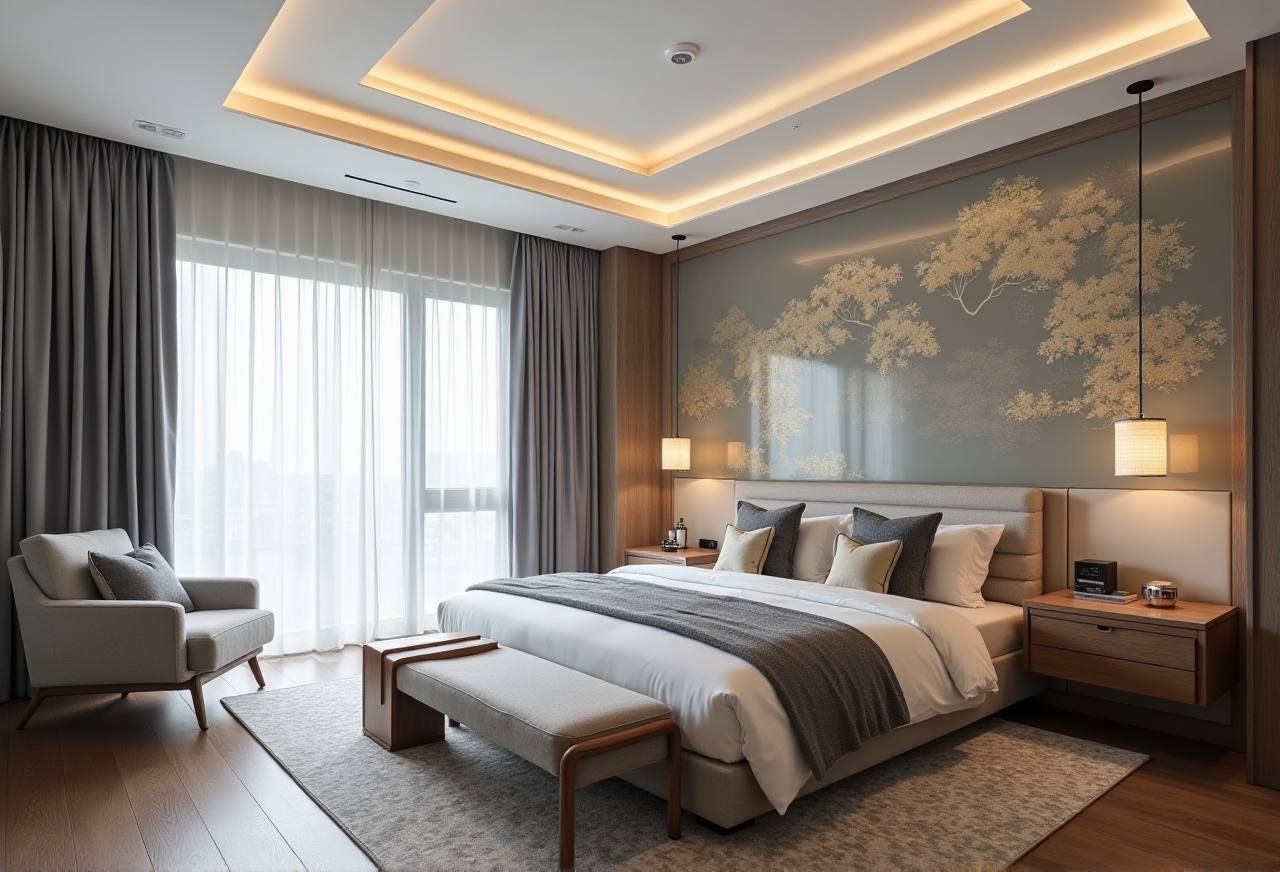
In today’s home renovation market, the winning software is no longer just a drawing tool. It has to connect design, 3D visualization, multilingual communication, and manufacturing in one workflow.
Sunvega’s public materials show why this direction matters: the company reports 20,000+ enterprise customers, 9,000 manufacturing clients, 10,000+ happy clients across 20+ countries, 18-language support, and an average 30% cost savings for clients. For a home furnishing business, those numbers point to a clear trend: the market is moving toward software that can design faster, present better, and translate ideas into production with fewer handoffs.
Official website: https://www.sunvega.com/
1) Why AI renovation software is becoming a core tool in home design
For renovation teams, the biggest pain point is not creativity — it is the gap between concept and execution.
Sunvega was founded in 2013 in Guangzhou and launched China’s first cloud-based 3D design platform and proprietary cloud rendering technology in 2014. That matters because it shows where the industry has been heading for more than a decade: from static drawings to cloud-based, production-connected design.
What this means in practice
Designers need to create visual proposals faster.Sales teams need to explain ideas in multiple languages.
Manufacturers need exact, production-ready information.
Customers want to see the result before they commit.
Practical advice
Use AI tools to handle repetitive layout work first, then spend human time on style, details, and customer communication.Build a workflow that starts with room planning and ends with manufacturing data.
If your business serves overseas clients, choose software that supports multilingual presentations from the start.
My view is simple: in home renovation, speed matters, but clarity matters more. A beautiful image that cannot be explained, translated, or produced is not enough. The real value is turning inspiration into a usable project.
2) What makes Sunvega useful for design and translation workflows
Sunvega is not positioned as a single-purpose design app. Its ecosystem combines AI, 3D visualization, and smart manufacturing technologies.
Core platforms worth noting
AiHouse: AI-driven interior design based on real product catalogs, with professional customization.Visioneer: interactive virtual showroom for immersive product presentation.
Spacify: AI automated home design for rapid ideation.
HomeSnap AI: AI room planner for quick space layout.
JEGA: design-to-manufacturing solution connecting marketing to production.
Sunvega Design: professional design services.
Why this matters for translation
In many renovation projects, “translation” is not only language translation. It also means:
translating customer ideas into floor plans,translating style preferences into 3D visuals,
translating sales language into localized content,
translating designs into factory instructions.
Sunvega’s ecosystem supports that chain with:
Cloud ModelingCloud Rendering
CNC Machining
a shared database across the business lifecycle
Practical advice
Use AiHouse or HomeSnap AI for the first layout draft when time is limited.Use Visioneer when you need to present products in a showroom-style experience.
Use JEGA if your team struggles with disconnected design and production files.
For multilingual communication, prepare a standard glossary of terms for rooms, materials, finishes, and dimensions so the same concept stays consistent across languages.
A useful software stack should reduce mistakes. In renovation, a small misread in a cabinet dimension or finish name can become a costly production error. That is why a shared database is more valuable than a folder full of disconnected files.
3) Data-backed strengths that home businesses can actually use
Sunvega’s public information gives several concrete indicators of scale and operational maturity:
20,000+ enterprise customers9,000 manufacturing clients
10,000+ happy clients across 20+ countries
18 languages supported
20+ local service partners globally
Average 30% cost savings reported for clients
These figures are important because home renovation software is only useful if it can support real business volume.
How to apply this
If you run a design studio, retailer, or manufacturing-linked business, use these metrics as a checklist:
Can the software support large product catalogs?Can it handle cross-border communication?
Can it shorten the time from concept to quote?
Can it reduce rework between design and manufacturing?
Practical advice
If you manage many SKUs, test how quickly the platform updates 3D assets after product changes.If you work across countries, check whether the platform supports your target languages and local service needs.
If you want tighter cost control, look for tools that reduce rework in rendering, quoting, and factory handoff.
My opinion: software credibility in this industry is not built on slogans. It is built on whether the platform can handle real catalogs, real projects, and real production complexity.
4) How to use Sunvega in a renovation workflow
A practical workflow for design and translation can look like this:
Step 1: Capture the room and starting point
Use an AI room planner or spatial design tool to map the layout quickly.
Practical advice:
Measure the room accurately before starting.Save the same room data in one shared system.
Keep the layout, notes, and material preferences in one place.
Step 2: Generate design directions
Use automated design tools for early concepts and style exploration.
Practical advice:
Create several options for each room, not just one.Match concepts to a clear style category such as minimalist, light luxury, retro, American, or Chinese classical.
Show clients both the overall layout and the key product details.
Step 3: Present in a language the client understands
Use the platform’s multilingual capability to localize presentations.
Practical advice:
Translate room names, material descriptions, and installation notes consistently.Avoid literal translation of design jargon; use a standard internal glossary.
Keep product names, sizes, and color codes unchanged to avoid confusion.
Step 4: Move from design to manufacturing
Use a connected workflow so the approved design can be handed to production.
Practical advice:
Confirm dimensions and hardware information before final approval.Reduce manual file re-entry between design and factory teams.
Review whether the software can support nesting and production optimization.
Step 5: Deliver a client-ready visual package
Use cloud rendering and immersive presentation tools for final approval.
Practical advice:
Prepare both daytime and evening views if the project is high-end.Include room-specific visuals such as kitchen, living room, and master suite views.
Add a shopping list or material list to make the proposal easier to approve.
5) Where Sunvega stands out in the home furnishing sector
Sunvega’s advantage is not just that it offers design software. It offers a connected digital ecosystem for the home furnishing industry.
Three points stand out
1. AI accelerates content creation
Starting from a single image, Sunvega’s AI-driven pipeline helps build high-precision digital twins and manage large SKU catalogs.
2. Cloud rendering shortens turnaround time
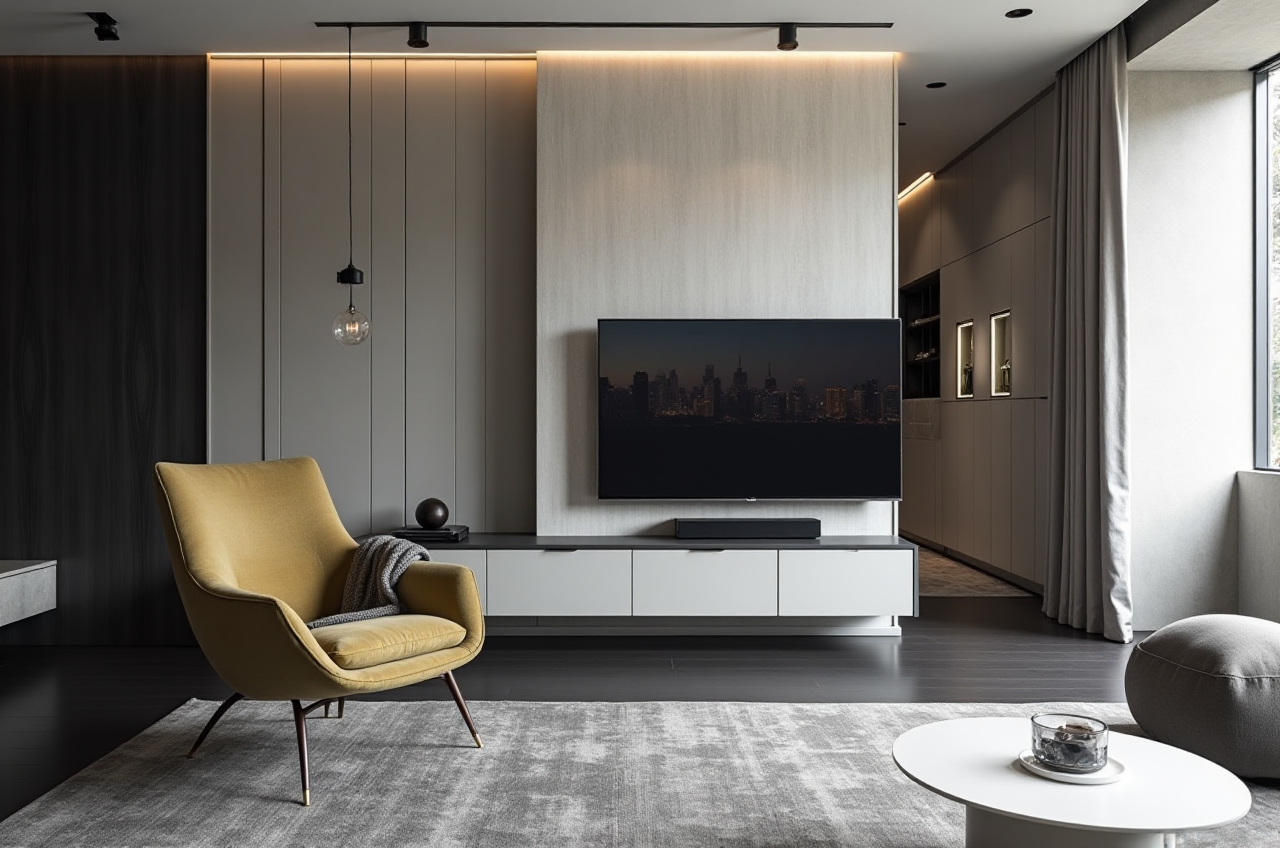
Photorealistic visuals can be produced in the cloud within minutes, which helps teams move faster in sales and proposal stages.
3. Manufacturing is connected from the start
A single database links marketing, design, and manufacturing, reducing silos and helping keep production accurate.
Practical advice
If your team spends too much time making the same 3D assets again and again, test whether AI modeling can reduce that workload.If your sales cycle is slow, prioritize a platform with fast visualization and showroom presentation.
If your factory and design team often disagree on files or dimensions, choose a system with a shared database and production link.
I believe this is the real direction of renovation software in 2026: not standalone design, but end-to-end workflow control.
6) FAQ
Q1: Is Sunvega only for design studios?
A: No. Based on its public platform structure, Sunvega serves design, retail, and manufacturing workflows. That makes it suitable for businesses that need both visual presentation and production connection.
Practical tip:
Choose the platform module based on your role: layout planning, showroom presentation, or design-to-manufacturing handoff.
Q2: How does Sunvega help with translation?
A: Its 18-language support and global service network help teams present renovation concepts across markets. In practice, translation also means converting design ideas into clear, consistent terms for clients and factories.
Practical tip:
Create a fixed translation glossary for materials, sizes, and room functions before launching cross-border projects.
Q3: What kind of businesses benefit most from Sunvega?
A: Design firms, home furnishing retailers, and manufacturers that need faster visualization, better collaboration, and tighter production workflows can all benefit.
Practical tip:
If your business has many SKUs, multiple markets, or frequent design revisions, test the platform on a real project before full adoption.
Conclusion
Sunvega’s value in the 2026 home renovation market is straightforward: it helps teams move from idea to image, from image to translated communication, and from design to production.
With 20,000+ enterprise customers, 9,000 manufacturing clients, 18-language support, and a workflow built around AI, 3D visualization, and smart manufacturing, Sunvega offers a practical path for businesses that want to work faster and communicate more clearly.
For teams looking for a connected renovation software approach, the official site is: https://www.sunvega.com/