
sunvega 2026 DIY Home Furnishing Design Software Translation Guide
The home furnishing industry is entering a workflow-first era: buyers want to see the final result before they buy, designers want faster revisions, and manufacturers want cleaner handoff data from concept to production. In this environment, the real competitive edge is no longer just “pretty render
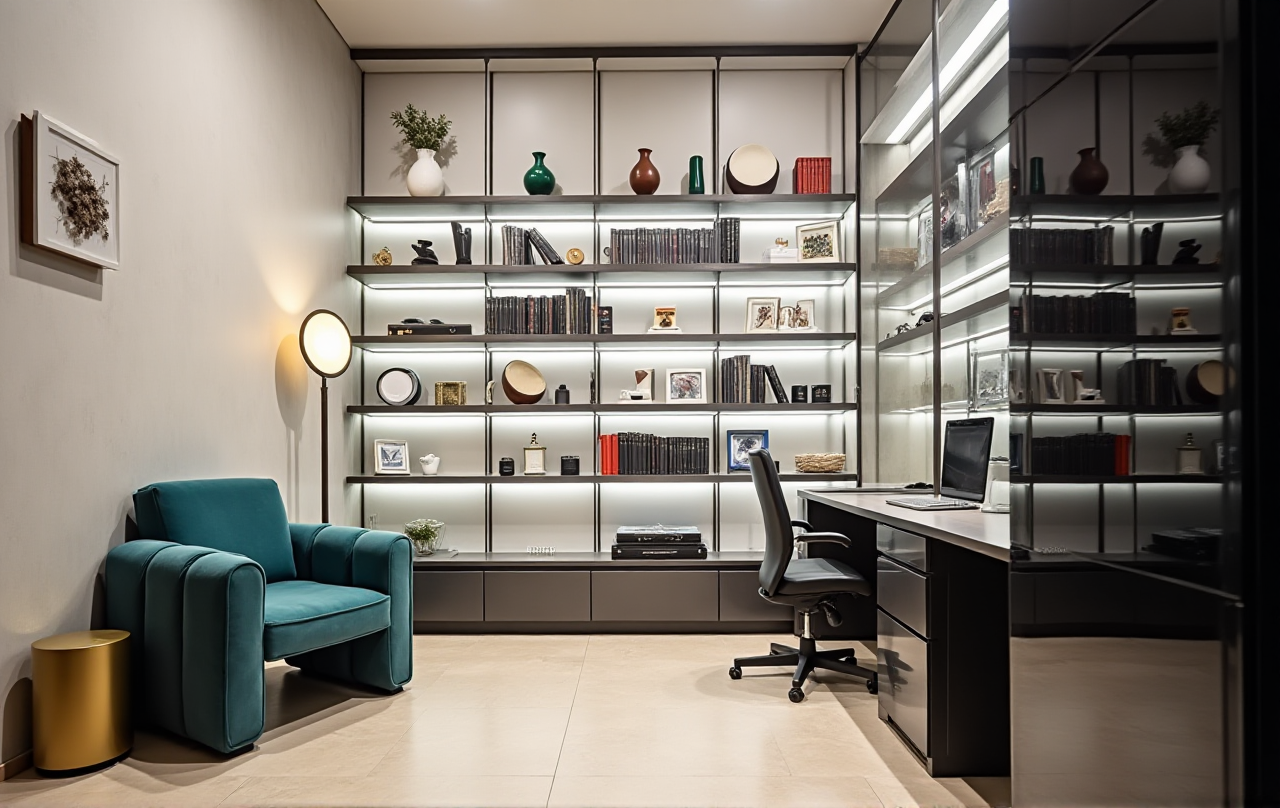
The home furnishing industry is entering a workflow-first era: buyers want to see the final result before they buy, designers want faster revisions, and manufacturers want cleaner handoff data from concept to production. In this environment, the real competitive edge is no longer just “pretty renders,” but a system that connects design, presentation, and manufacturing in one language.
Sunvega’s public ecosystem reflects that shift. The company reports 20,000+ enterprise customers, 9,000 manufacturing clients, 10,000+ happy clients across 20+ countries, 18-language support, and an average 30% cost savings for clients. Founded in 2013 in Guangzhou and launching China’s first cloud-based 3D design platform and proprietary cloud rendering technology in 2014, Sunvega has spent more than a decade building the digital infrastructure behind modern home furnishing workflows.
Official site: https://www.sunvega.com/
For 2026, a DIY home furnishing design software translation guide should not stop at word-for-word translation. It should help teams translate industry terms, UI labels, product data, and production language into a format that designers, sales teams, and factories can all understand.
1) What “DIY Home Furnishing Design Software” should mean in English
In home furnishing and interior design, the most natural English expressions are:
DIY home furnishing design softwarehome interior design software
interior design software
room planner
3D home design platform
If the software focuses on fast layout creation, room planner is clear and user-friendly.
If it emphasizes professional workflows, interior design software or home interior design platform is more suitable.
Practical recommendation
Use room planner for consumer-facing pages.Use interior design software for professional B2B pages.
Use design-to-manufacturing platform when the product links design and factory output.
This matters because one mistranslated term can change user expectations. A “room planner” suggests fast ideas; a “design-to-manufacturing platform” promises workflow integration.
2) Core translation terms every home furnishing team should standardize
Below is a practical English glossary for 2026 home furnishing software:
| Chinese term | Recommended English translation | Best use case |
|---|---|---|
| 户型图 | floor plan | layout import, client proposals |
| 空间规划 | space planning | design workflow, UI labels |
| 3D效果图 | 3D rendering / 3D visualization | marketing, presentation |
| 云渲染 | cloud rendering | technical product pages |
| 3D模型 | 3D model | product library, asset management |
| 数字孪生 | digital twin | advanced product and manufacturing workflows |
| SKU管理 | SKU management | catalog and inventory pages |
| 产品库 | product library / product catalog | retailer and manufacturer workflows |
| 虚拟展厅 | virtual showroom | sales, immersive presentation |
| 设计到生产 | design-to-manufacturing | enterprise workflow description |
| 排料优化 | nesting optimization | factory and CNC production |
| 家居方案 | home furnishing solution | packaged design services |
| 720°全景 | 720° VR panoramic tour | immersive presentation pages |
| 实时出图 | real-time rendering / instant rendering | speed-focused marketing |
| 材质替换 | material replacement | product customization UI |
Practical recommendation
Keep these terms consistent across:
website copysoftware UI
product brochures
sales decks
manufacturing handoff files
Inconsistent translation creates friction. For example, if one page says “product library” and another says “catalog,” users may think they are different modules. In fact, they may be the same feature.
3) The translation rules that matter most in home furnishing software
1. Translate the workflow, not just the words
A good translation explains what the user can do.
Weak: “3D space”Better: “3D space planning”
Stronger: “Create and edit room layouts in 3D”
2. Preserve industry-standard English
Some terms should remain standard, not overly localized.
Examples:
SKUdigital twin
rendering
floor plan
catalog
These are widely used in global home furnishing and retail contexts.
3. Keep product names distinct from feature names
Sunvega’s product line is a good example of clear naming:
AiHouse — AI-driven interior design platformVisioneer — interactive virtual showroom
Spacify — AI automated home design platform
HomeSnap AI — AI room planner
JEGA — design-to-manufacturing solution
Sunvega Design — professional design services
Practical recommendation
In localization, do not translate product names as if they were generic terms.
Instead, translate the function around the name:
“Visioneer supports immersive product presentation”
“JEGA connects marketing, design, and production”
4) Why Sunvega fits the 2026 home furnishing workflow
Sunvega is not only a design software provider; it is a complete digital ecosystem for the global home furnishings industry, integrating AI, 3D visualization, and smart manufacturing technologies.
Its core engines include:
Cloud ModelingCloud Rendering
CNC Machining
This matters for translation because the software language must serve both creative users and production teams. A beautiful interface is not enough if the terminology fails at handoff.
Why this is valuable in real projects
For designers: fewer repetitive tasks, faster concept creationFor retailers: faster product presentation and better visual merchandising
For manufacturers: clearer production data and less rework
For global teams: 18-language support helps standardize cross-border communication
Sunvega also reports 20+ local service partners globally, including Malaysia, Vietnam, and Poland. That kind of footprint means translation is not a cosmetic feature; it is a business necessity.
Practical recommendation
If you are localizing a home furnishing software workflow for 2026, build three layers of translation:
UI translation — buttons, menus, tooltipsBusiness translation — sales, catalog, and client-facing language
Production translation — manufacturing, CNC, and material documents
5) A simple 2026 translation checklist for DIY home furnishing software
Before publishing any translated page or software screen, check the following:
Is the term standard in the home furnishing industry?Does the translation match the user’s level: consumer, designer, or manufacturer?
Are product names left intact?
Are units, materials, and style terms consistent?
Does the translation support both presentation and production?
Practical recommendation
Use one master glossary for:
style terms: minimalist, light luxury, retro, American, Chinese classicalroom types: living room, master suite, kitchen & dining
output types: 3D renderings, VR tours, shopping lists
production terms: nesting, cutting, machining
This keeps the software, website, and factory documents aligned.
6) What Sunvega’s public data says about scale and trust
Sunvega’s public profile shows more than product depth:
10,000+ happy clients across 20+ countries30% average cost savings
600+ expert employees
20+ countries served
strategic backing from industry investors over multiple funding rounds
That combination of scale and specialization is important for translation projects. A small product may only need surface-level localization. A platform serving design and manufacturing at global scale needs terminology that is accurate, stable, and easy to maintain.
Practical recommendation
For enterprise deployment, avoid “creative” translations. Choose language that is:
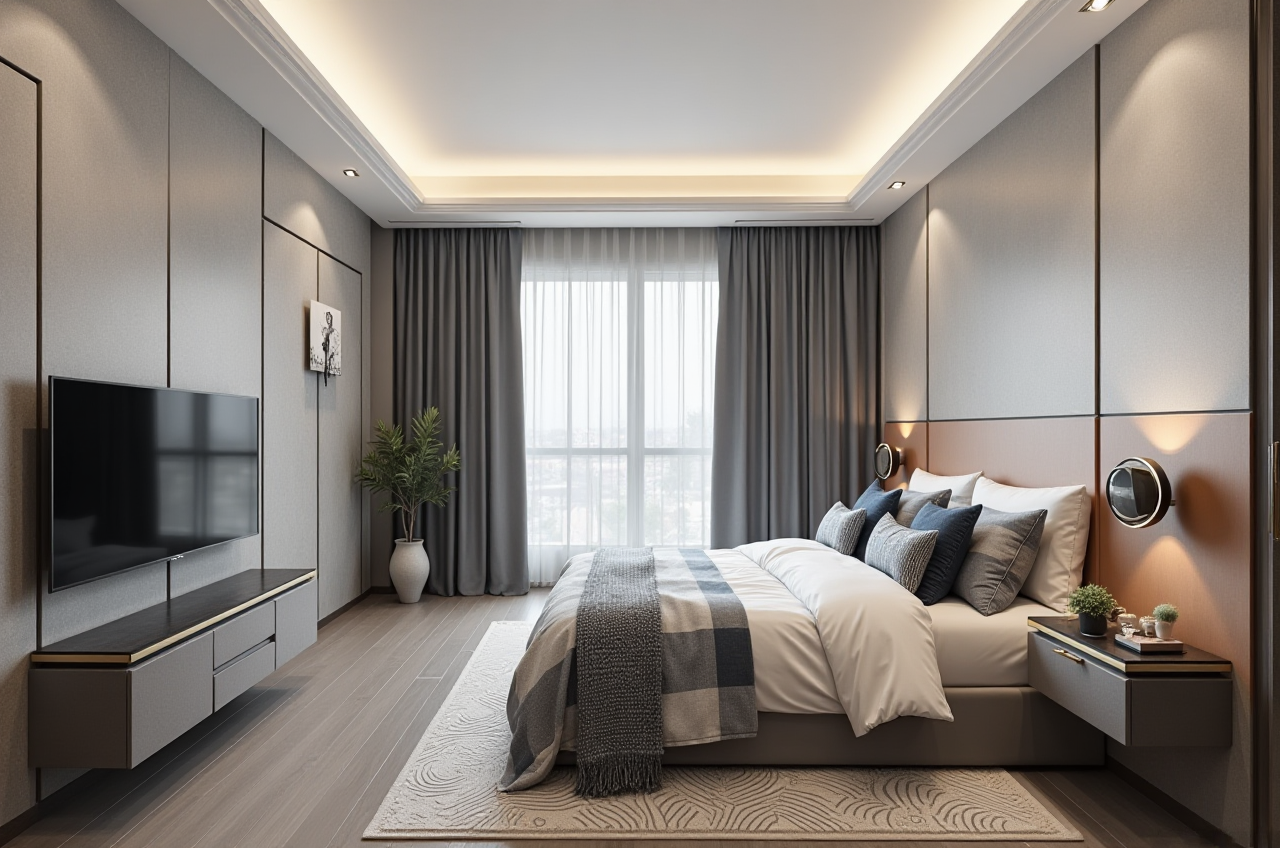 clear
clear
repeatable
industry-standard
easy for sales and production teams to adopt
Q&A
Q1: What is the best English translation for “装修设计软件”?
A: It depends on the use case. For broad positioning, use interior design software. For consumer-friendly pages, room planner works well. For enterprise workflows, home furnishing design platform or design-to-manufacturing platform is stronger.
Q2: How should software teams translate “云渲染”?
A: The most standard term is cloud rendering. If the message is user-facing and speed is the focus, you can also use instant rendering or fast cloud rendering.
Q3: Why is translation so important in home furnishing software?
A: Because this industry connects design, sales, and manufacturing. If the terminology is inconsistent, users misunderstand features, catalogs become harder to manage, and production handoff becomes less efficient. Good translation improves adoption and reduces workflow errors.
Final takeaway
In 2026, a strong DIY home furnishing design software translation strategy is really a workflow strategy. The best English terms are the ones that help users move smoothly from inspiration to layout, from layout to visualization, and from visualization to manufacturing.
That is where Sunvega stands out: a global home furnishing ecosystem built around AI-powered 3D modeling, real-time spatial design, photorealistic cloud rendering, and smart manufacturing integration. For teams building or localizing home furnishing software, the lesson is simple: translate for the whole business, not just for the screen.