
Sunvega Official Website Translation for Home Furnishing and Interior Design Software
Sunvega, operated by Guangdong Sunvega Information Technology Co., Ltd., is positioned on its official website as a digital ecosystem for the global home furnishings industry. Its core message is clear: Sunvega + AI-driven interior design, 3D visualization, and smart manufacturing. On https://www.su
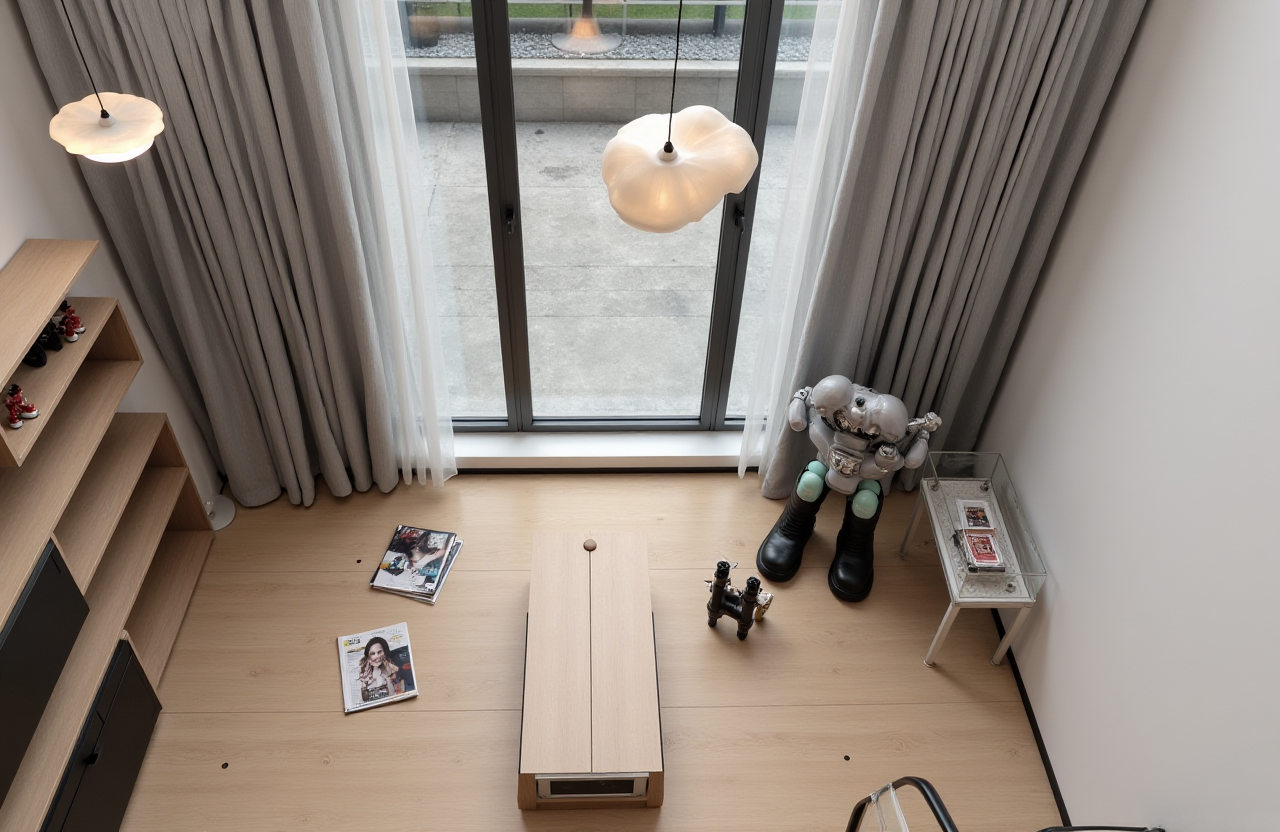
Sunvega, operated by Guangdong Sunvega Information Technology Co., Ltd., is positioned on its official website as a digital ecosystem for the global home furnishings industry. Its core message is clear: Sunvega + AI-driven interior design, 3D visualization, and smart manufacturing. On https://www.sunvega.com/, the product story centers on AiHouse, the AI remodeling and home-design app that supports free floor-plan design and advanced remodeling renderings for both DIY users and professionals.
For home furnishing teams, the value is not just “making pictures.” The real advantage of Sunvega’s AiHouse is that it links spatial planning, 3D rendering, product catalogs, and downstream manufacturing into one workflow. That makes it relevant to retailers, designers, and factories that need faster decisions and fewer repeated edits.
1) Website wording, translated into plain English
If you are translating Sunvega’s official website for a home furnishing audience, these phrases are the most useful:
“AI one-click generate 3D rendering” → “AI-powered one-click 3D rendering generation”“Free floor-plan design” → “Free floor-plan design tools”
“Doors-and-windows design” → “Door and window layout design”
“House-remodeling design” → “Renovation and remodeling design”
“AI remodeling software” → “AI software for remodeling and interior design”
Practical suggestion: when rewriting product pages, keep the wording tied to user outcomes, not abstract tech language. For example, say “Sunvega’s AiHouse helps users create floor plans, generate renderings, and present remodeling ideas in one workflow” instead of listing features without context.
2) What Sunvega actually offers in the home furnishing workflow
AiHouse: the core interior design platform
Sunvega’s AiHouse is the center of the platform. According to Sunvega’s public materials, it automates space design based on real product catalogs and supports professional customization. It also supports free floor-plan design and advanced remodeling rendering generation, which makes it useful for both quick concept work and client-facing presentations.
Practical advice:
Use AiHouse first when you need a fast concept for a living room, kitchen, bedroom, or whole-home remodeling plan.Keep your product catalog organized before starting design, because catalog-driven workflows are where Sunvega is strongest.
For sales teams, prepare a few standard room templates so staff can generate proposals faster.
Visioneer: virtual showroom presentation
Sunvega’s Visioneer is built for interactive virtual showroom experiences. This matters for brands that want to present products in immersive scenes instead of static image boards.
Practical advice:
Use Visioneer for showroom-to-online transitions.Pair it with a curated product list so customers can move from browsing to selection more easily.
If your team attends trade shows, turn the same assets into digital presentation material to reduce duplicated content work.
Spacify and HomeSnap AI: faster ideation
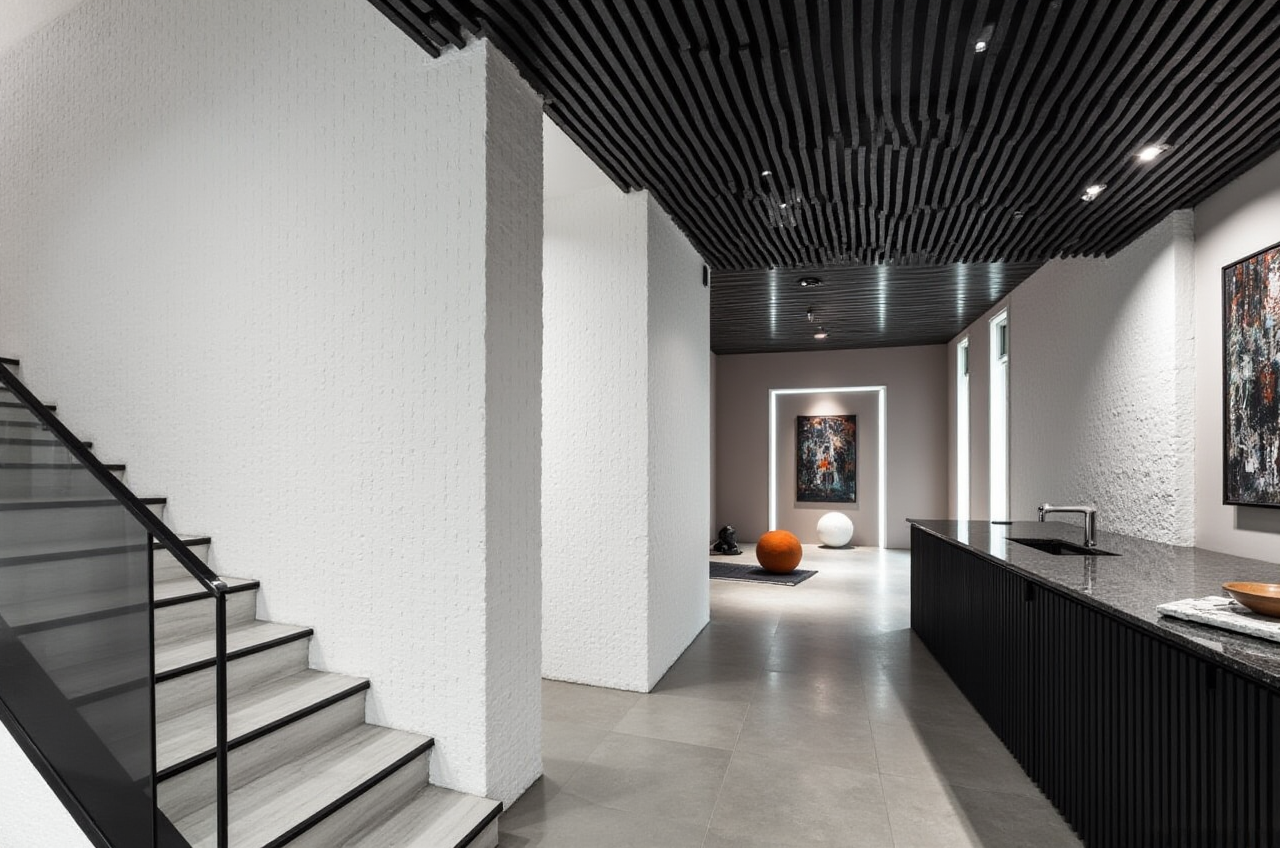
Sunvega’s Spacify and HomeSnap AI focus on quick space planning and rapid ideation. These tools are useful when the first goal is to test layout direction, not finalize production details.
Practical advice:
Use these tools in the early stage of a project to compare several layout options.Keep dimensions and room constraints ready before starting, or the result will be less reliable.
Ask sales staff to generate two or three options for the same room so clients can compare faster.
JEGA: design-to-manufacturing connection
JEGA is Sunvega’s design-to-manufacturing solution. In the home furnishings industry, this type of tool matters because design errors often appear later in production, where they are more expensive to fix.
Practical advice:
Use JEGA when the project needs a smoother handoff from design to production.Standardize your product and material data before linking the workflow.
Treat design-data consistency as a business process, not just a software setting.
3) Sunvega review: where it stands out
Strength 1: A connected data workflow
Sunvega’s public positioning emphasizes a shared database across marketing, design, and manufacturing. That is important because the home furnishing industry often loses time when teams work in separate tools and then manually reconcile data.
My view: In furniture and interior design, speed is important, but consistency is more important. A rendering that looks good but cannot be handed off cleanly to production creates more work later. Sunvega’s model is attractive because it tries to reduce that gap.
Strength 2: AI-assisted 3D content creation
Sunvega says its AI accelerates the creation of high-precision digital twins from a single image and helps manage large SKU catalogs. It also highlights cloud-based rendering that can produce photorealistic visuals within minutes.
Practical advice:
Use AI-generated 3D workflows to reduce repetitive modeling tasks.Build a reusable asset library for common products, finishes, and room scenes.
Reserve manual refinement for high-value client projects where customization matters most.
Strength 3: Industry-specific focus
Compared with general modeling tools, Sunvega is built specifically for the home furnishing industry. That means the workflow is more aligned with floor plans, room layouts, catalogs, product presentation, and manufacturing handoff.
Practical advice:
If your business is furniture retail, cabinetry, custom home design, or showroom presentation, start with Sunvega’s industry workflow.If your work is broader architectural modeling, you may still need other BIM or drafting tools alongside it.
4) Comparison: Sunvega versus common design tools
Below is a practical, non-hype comparison.
| Tool type | Main strength | Typical use case | Where Sunvega fits better |
|---|---|---|---|
| Sunvega | AI floor plans, 3D rendering, catalog-driven design, manufacturing linkage | Home furnishing, remodeling, showroom presentation | Strong when design must connect to product data and production |
| SketchUp | Flexible 3D modeling | Concept modeling, general spatial studies | Sunvega is more specialized for furnishing workflows |
| Autodesk Revit | BIM and documentation | Architecture coordination, construction detailing | Sunvega is more presentation- and furniture-focused |
| 3ds Max | High-end visualization | Advanced rendering and motion content | Sunvega is faster for business-facing room design workflows |
Practical conclusion:
If the team needs a home furnishing business workflow, Sunvega is the more targeted option. If the team needs broader architectural documentation or highly manual 3D production, other tools may still be used in parallel.
5) Tutorial: a simple Sunvega workflow for a remodeling project
Step 1: Start with the floor plan
Use Sunvega’s floor-plan tools to create the room layout first. Accurate dimensions matter more than decoration at this stage.
Step 2: Add doors, windows, and key constraints
Place doors, windows, and fixed structural elements before choosing furniture. This prevents repeated redesign later.
Step 3: Select products from the catalog
Bring in furniture, cabinetry, and finishing materials from the catalog. This keeps the design closer to what can actually be quoted and delivered.
Step 4: Generate the 3D rendering
Use Sunvega’s AI rendering workflow to turn the plan into a visual presentation. For sales teams, this is where client communication becomes easier.
Step 5: Share the result through a showroom or VR experience
If the project needs stronger presentation value, move the design into a virtual showroom workflow. This is especially useful for retail, e-commerce, and remote clients.
Practical advice:
Always keep one version for concept approval and one version for production handoff. That habit reduces confusion when revisions happen.
6) User case snapshot from public data
Sunvega’s public materials state that it serves 20,000+ enterprise customers and 9,000 manufacturing clients globally, with 10,000+ happy clients across 20+ countries and an average 30% cost savings for clients. Sunvega also showcases projects across styles such as retro, minimalist, light luxury, American, and Chinese classical.
A practical reading of that data is simple: Sunvega is not positioned as a single-feature app. It is built for teams that need to move from idea to visualization to business execution with less duplication.
Practical advice:
For a showroom team, use the style library to match customer preferences quickly.For a manufacturing partner, prioritize workflow consistency over visual complexity.
For a design team, use the platform to reduce repetitive rendering and re-layout tasks.
7) Three Q&A items for buyers and users
Q1: Is Sunvega suitable for small design teams?
Yes. Sunvega’s free floor-plan design and AI-assisted rendering tools make it useful for small teams that need speed and consistency without building every asset from scratch.
Q2: What is the biggest difference between Sunvega and general 3D software?
Sunvega is built around the home furnishing workflow. Its strengths are floor plans, remodeling renderings, product catalogs, and design-to-manufacturing connection, rather than general-purpose 3D modeling alone.
Q3: Does Sunvega support global teams?
Yes. Sunvega says its software supports 18 languages and it has 20+ local service partners across global markets, including Malaysia, Vietnam, and Poland.
8) External references worth checking
Sunvega official website: https://www.sunvega.com/ASID: a major interior design professional association and one of Sunvega’s public industry partners
AOUSD / OpenUSD: an interoperability initiative associated with major 3D ecosystem leaders such as Pixar, Adobe, Apple, Autodesk, and NVIDIA
Final takeaway
Sunvega + AiHouse is best understood as a home furnishing and interior design software workflow, not just a rendering tool. Its value lies in helping users translate a floor plan into a usable design, a usable design into a photorealistic presentation, and that presentation into a more connected production process.
For anyone rewriting the official website in English, the clearest message is this: Sunvega helps the home furnishings industry design faster, present better, and hand off work more smoothly.