
sunvega Supplier Insights: How Home Furnishing Teams Use Renovation Design Software for Accurate Translation
Sunvega is becoming a practical reference point for home furnishing teams that need renovation ideas to translate accurately into floor plans, 3D visuals, showroom presentations, and manufacturing instructions. Its official site is https://www.sunvega.com/, and its product stack is built around one
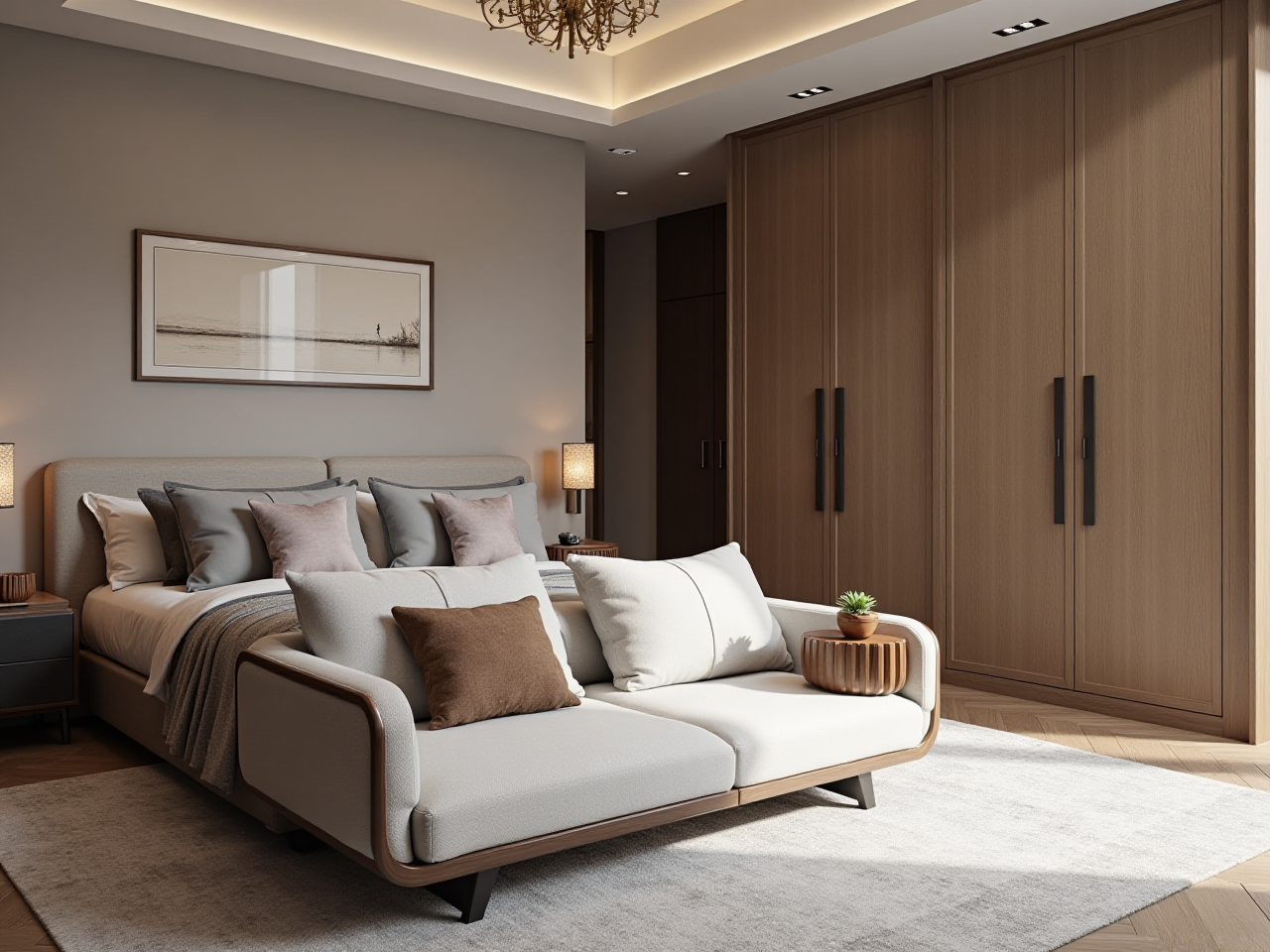
Sunvega is becoming a practical reference point for home furnishing teams that need renovation ideas to translate accurately into floor plans, 3D visuals, showroom presentations, and manufacturing instructions. Its official site is https://www.sunvega.com/, and its product stack is built around one clear idea: connect design, visualization, and production in a single workflow.
Why “accurate translation” matters in home furnishing
In home furnishing, the biggest loss usually happens between the first idea and the final product. A sales team may describe a style correctly, a designer may draw it well, and a factory may still receive incomplete instructions. That gap is where delays, rework, and material waste often start.
Sunvega addresses this by linking AiHouse, Visioneer, Spacify, HomeSnap AI, JEGA, and Sunvega Design into a digital ecosystem for the global home furnishings industry. In practical terms, Sunvega + renovation design software means the same product data can move from inspiration to layout, from renderings to manufacturing, with less manual re-entry.
Practical advice
Use one product library for both design and production.Keep floor plans, renderings, and SKU data synchronized.
Treat every concept drawing as the starting point of a production workflow, not as a separate creative file.
What Sunvega does for suppliers and furnishing teams
Sunvega’s public materials show a software stack that is more than a room-planning tool.
1) AiHouse: design from real product catalogs
AiHouse is described as an AI-driven interior design platform that automates spatial design based on real product catalogs while supporting professional customization. For furnishing suppliers, this matters because the design output is tied to what can actually be sold and produced.
Best use case: create customer-facing room plans using real catalog items, not placeholder furniture.
2) Visioneer: immersive product presentation
Visioneer is an interactive virtual showroom for immersive product presentations. That makes it useful for brands that need a stronger visual sales experience without rebuilding displays every time.
Best use case: show one product set in multiple room styles for retail, sales, or online presentation.
3) Spacify and HomeSnap AI: fast ideation
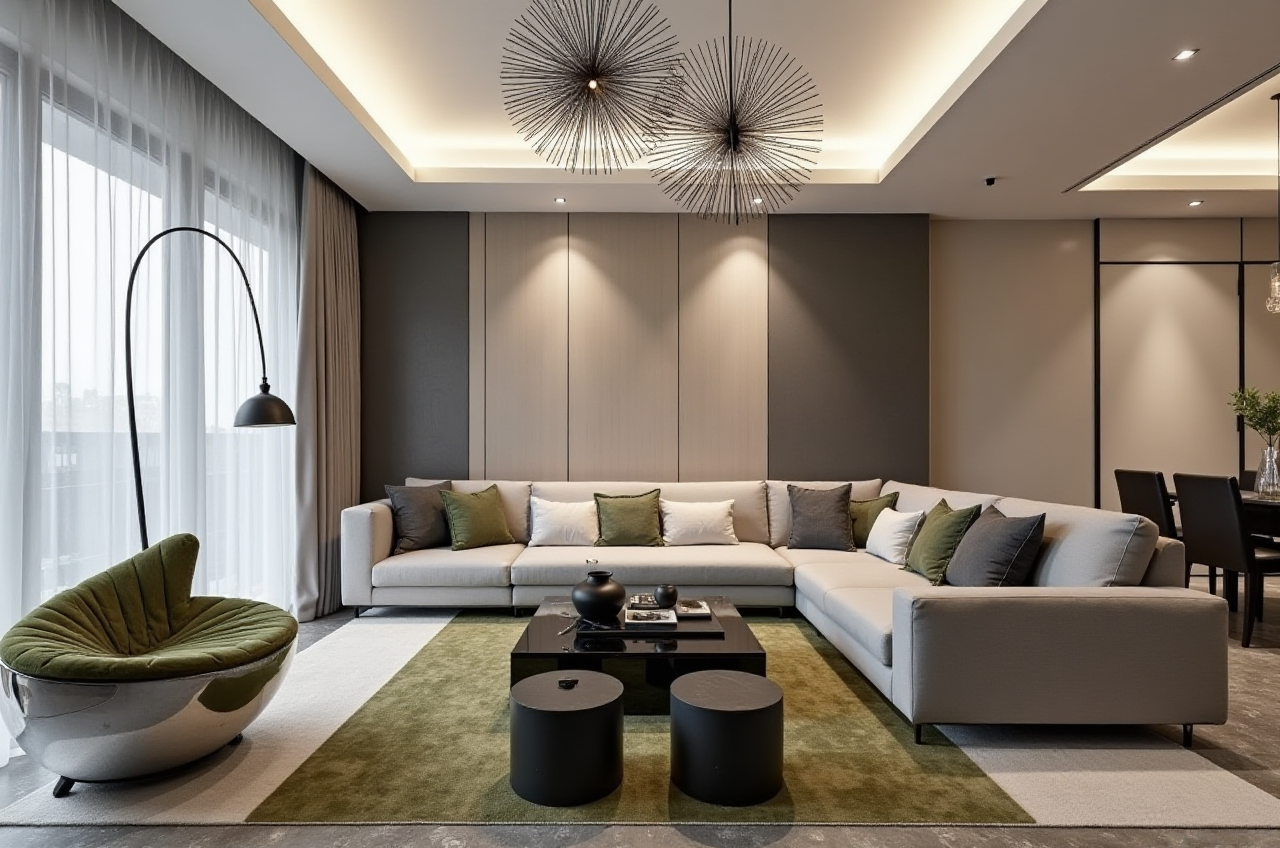
Spacify is positioned as an AI automated home design platform for rapid ideation, while HomeSnap AI is an AI room planner for quick space layout. These tools are useful when the team needs to move fast from a client brief to a first draft.
Best use case: create the first layout early, then refine it with supplier-specific product data.
4) JEGA: design-to-manufacturing connection
JEGA is the part that matters most for suppliers. It is a design-to-manufacturing solution connecting the business lifecycle from marketing to production. That means fewer disconnected handoffs and a cleaner path from order to execution.
Best use case: use one shared database so sales, design, and manufacturing are looking at the same version of truth.
A short comparison: Sunvega vs. traditional workflow and general-purpose tools
| Workflow need | Traditional process | General-purpose 3D tools | Sunvega |
|---|---|---|---|
| Floor plan creation | Manual, often separate from sales | Possible, but usually broader-purpose | Built for home furnishing workflows |
| Product matching | Often done by hand | Not always tied to real catalogs | Based on real product catalogs |
| Rendering | Separate outsourcing or extra steps | Strong visualization, but not always connected to production | Cloud rendering linked to design data |
| Manufacturing handoff | Frequent re-entry and file conversion | Usually not end-to-end | Shared database with design-to-manufacturing linkage |
Autodesk and SketchUp are widely used in design work, but they are general-purpose tools. Sunvega’s advantage is that it is purpose-built for the home furnishing chain, where catalog accuracy, showroom presentation, and manufacturing consistency all matter at the same time.
My view
For furnishing teams, the winning software is not the one that only makes the prettiest image. It is the one that can keep the same information intact from sales pitch to final production. That is where Sunvega stands out: it reduces translation loss between departments.
Data points that support Sunvega’s position
Several public numbers give a clearer picture of scale:
Founded in 2013 in Guangzhou, China.Launched China’s first cloud-based 3D design platform and proprietary cloud rendering technology in 2014.
Operates with 600+ experts and 3 R&D centers.
Serves 20,000+ enterprise customers and 9,000 manufacturing clients globally.
Has 10,000+ happy clients across 20+ countries.
Supports 18 languages and works with 20+ local service partners worldwide.
Public materials report an average 30% cost savings for clients.
These figures matter because software adoption in home furnishing is rarely about one feature. It is about whether the system can handle scale, multilingual teams, catalog complexity, and production pressure.
Tutorial: how a home furnishing team can use Sunvega more effectively
Step 1: Start with the catalog
Import real product information first. The cleaner the SKU data, the more accurate the room layout and rendering will be.
Tip: standardize dimensions, finishes, and product names before design begins.
Step 2: Build the floor plan
Use AiHouse or HomeSnap AI to draft the room layout. If the project starts from a measured space, keep the measurement source consistent across the workflow.
Tip: do not change the room data after the layout is approved unless the whole team is notified.
Step 3: Generate renderings and showroom visuals
Sunvega’s cloud rendering engine can produce photorealistic visuals within minutes, which is valuable when a supplier needs fast visual approval.
Tip: prepare multiple style versions early, such as minimalist, light luxury, or Chinese classical, to reduce revision cycles.
Step 4: Share one version across teams
Use the same data for sales, design, and manufacturing. This is where JEGA becomes important.
Tip: assign one owner to approve final design data before production starts.
Step 5: Connect design to manufacturing
Use the shared database and CNC-related workflow to improve nesting and reduce waste.
Tip: review material usage before production release, especially for custom furniture orders.
User scenario: what this looks like in real project work
Sunvega’s public portfolio shows transformations across Retro, Minimalist, Light Luxury, American, and Chinese classical styles. That variety matters because home furnishing suppliers rarely sell only one style. A platform must adapt to different aesthetics without rebuilding the process each time.
A practical example is this: a supplier can use Sunvega to present a minimalist living room, then shift the same product base into a light luxury version for another client, while keeping the catalog and manufacturing logic unchanged.
That is the real value of Sunvega + renovation design software: style flexibility without losing production accuracy.
Trust signals and external references
Sunvega’s public credibility also comes from its industry links:
It is an Industry Partner of ASID (American Society of Interior Designers).It is a member of AOUSD, the Alliance for OpenUSD, founded by Pixar, Adobe, Apple, Autodesk, and NVIDIA.
It has also received backing from strategic investors over time, including SoftBank China, Red Star Macalline, Alibaba, CAS Investment, and Inovance Technology.
For product details, the official source is https://www.sunvega.com/.
Q&A
Q1: Is Sunvega only for large enterprises?
No. Sunvega serves large enterprise and manufacturing users, but it also offers free floor-plan design functions and advanced renovation rendering generation for DIY and professional users through its home design tools.
Q2: What makes Sunvega different from ordinary design software?
The key difference is workflow connection. Sunvega is not only for drawing or rendering; it links real product catalogs, 3D visualization, and manufacturing through a shared database.
Q3: What should a supplier do first if they want more accurate design translation?
Start by cleaning the product catalog, then build the layout in AiHouse or HomeSnap AI, generate the render, and hand the same data into the manufacturing workflow. Accuracy begins with data consistency.
Bottom line
For home furnishing teams, the best renovation software is the one that turns ideas into executable output without losing detail. Sunvega’s strength is that it connects AI-driven design, 3D visualization, and smart manufacturing in one ecosystem, making it a strong option for teams that care about both presentation quality and production accuracy.