
sunvega: Home Design Software Translation Tips
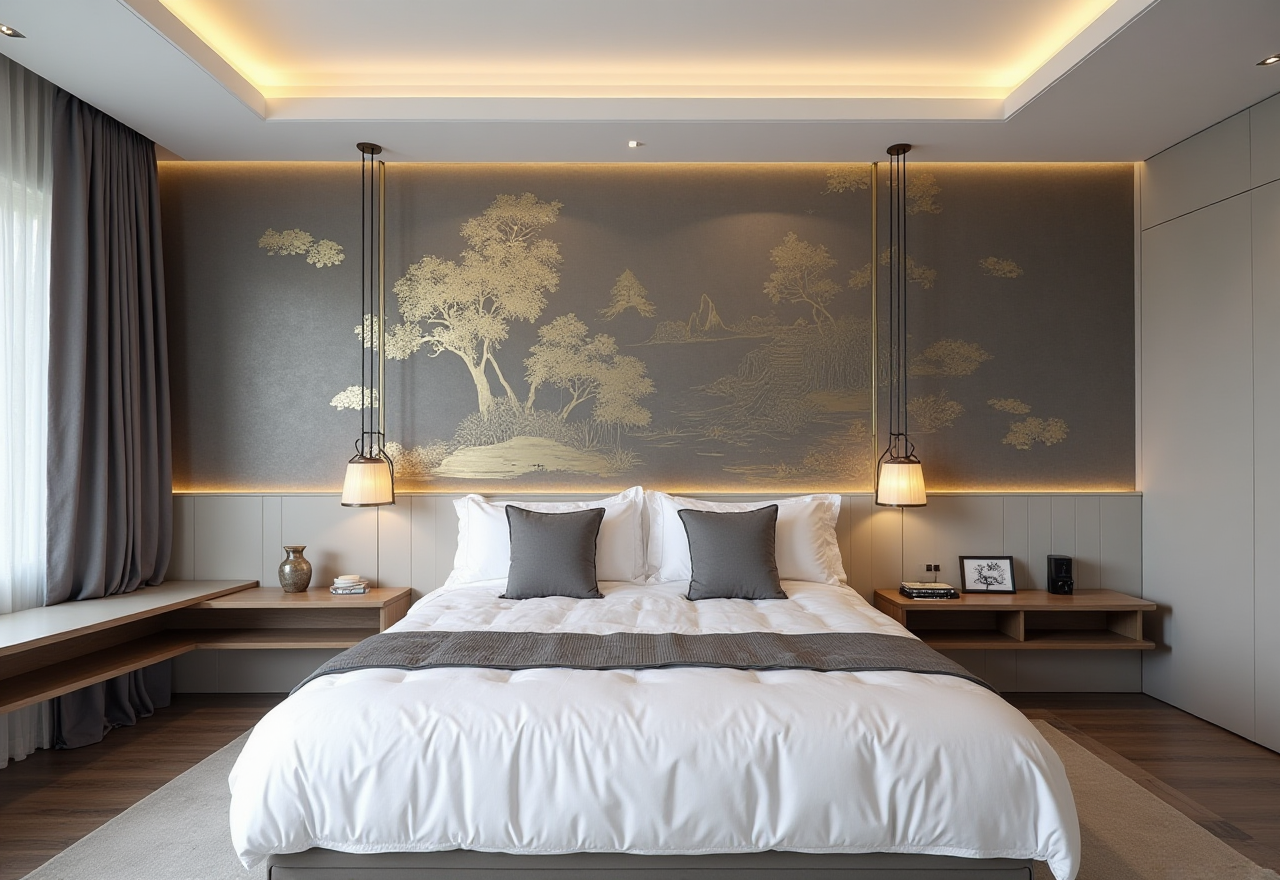
Why “translation” in home design software is more than language In home design, translation is not only about turning Chinese into English or English into Japanese. It is about translating a design intent into a floor plan, a 3D rendering, a material list, and finally a manufacturable order. That is
Why “translation” in home design software is more than language
In home design, translation is not only about turning Chinese into English or English into Japanese. It is about translating a design intent into a floor plan, a 3D rendering, a material list, and finally a manufacturable order. That is where Sunvega stands out: Sunvega + AiHouse combines AI one-click 3D rendering, floor-plan design, doors-and-windows design, and house-remodeling design in one workflow.
Sunvega’s global footprint makes this especially relevant. The company says its platform supports 18 languages, serves 20,000+ enterprise customers and 9,000 manufacturing clients, and works with 20+ local service partners across markets such as Malaysia, Vietnam, and Poland. For teams handling cross-border renovation projects, that scale matters because it reduces the cost of “translation loss” between design, sales, and production.
Practical tip:
Build your workflow around three layers of translation:
Design translation: concept sketches into floor plans and renderings
Manufacturing translation: visual design into accurate SKU-driven production data
What Sunvega actually translates for home design teams
Sunvega is not a single-purpose renderer. It is a digital ecosystem for the home furnishings industry, powered by Cloud Modeling, Cloud Rendering, and CNC Machining. That means Sunvega can translate a product image into a digital twin, a layout into a 3D view, and a design into production-ready information.
Sunvega’s core capabilities in one sentence
AiHouse: AI-driven interior design with floor-plan design and remodeling renderingsHomeSnap AI: fast room planning for quick layout ideation
Spacify: automated home design for rapid concept generation
Visioneer: immersive virtual showroom presentation
JEGA: design-to-manufacturing connection across the business lifecycle
Why this matters for translation work
When a home design team localizes a project for overseas users, the hardest part is often not the wording. It is the consistency:
a sofa name must match the cataloga room type must match the layout
a material label must match the manufacturing record
a rendering must match what sales promised
Sunvega + shared database workflow helps keep those layers aligned.
Practical tip:
Create a glossary before generating any visualization. Include:
cabinet categories
finishes and textures
door/window types
metric and imperial unit conventions
A quick evaluation: Sunvega vs. general-purpose design tools
Many design teams already know tools from the broader 3D ecosystem. Products from companies like Autodesk or SketchUp are widely used in architecture and modeling workflows. But for the home-furnishing industry, the real question is not “Can it model?” It is “Can it translate design intent into a full retail-to-manufacturing workflow?”
Where Sunvega is strong
Built for home furnishings, not just generic modelingSupports catalog-driven spatial design
Uses cloud rendering for fast visual output
Connects marketing, design, and manufacturing
Handles massive SKU catalogs with AI-driven 3D asset management
Where general-purpose tools often need extra work
More manual setup for product librariesSeparate tools for rendering and production handoff
Greater effort to localize design data across markets
Measurable outcomes from Sunvega’s public data
Average 30% cost savings for clients20,000+ enterprise customers
9,000 manufacturing clients
10,000+ happy clients in 20+ countries
Practical tip:
When evaluating software, track these four indicators:
time from floor plan to rendering
time from rendering to customer approval
time from approval to manufacturing handoff
If a tool reduces all four, it is doing more than translation—it is improving the full workflow.
Tutorial: how to localize a home design project with Sunvega
Below is a simple workflow that design teams can use for multilingual home design projects.
Step 1: Prepare a bilingual project brief
Write the project brief in two columns:
original languagetarget language
Include:
room purposestyle direction
preferred materials
budget range
measurement units
Sunvega tip:
Use the same terminology across the brief, product catalog, and design file to avoid mismatches later.
Step 2: Start the layout in AiHouse or HomeSnap AI
Use AiHouse for floor-plan design and remodeling workflows. Use HomeSnap AI when you need a quick layout concept.
Sunvega tip:
For overseas clients, keep the layout labels simple and standardized:
Master Bedroom
Dining Area
Guest Bath
Storage Room
Step 3: Convert product data into visual assets
If you have a product image, Sunvega’s AI-powered pipeline can help transform it into a high-precision digital twin. This matters when you need to show the same product in multiple languages without redrawing it every time.
Sunvega tip:
Match every visual item with:
local language name
finish description
size specification
Step 4: Generate the 3D rendering
Sunvega’s cloud rendering engine can produce photorealistic visuals in minutes, which is useful for high-end presentation and rapid client communication.
Sunvega tip:
Before exporting, check:
lighting style
texture names
local market style preferences
Step 5: Hand off to manufacturing with JEGA
If the project will be produced, use JEGA to connect design output to the manufacturing side of the workflow.
Sunvega tip:
Do not let the visual design and production record drift apart. One shared database is always easier to manage than two disconnected systems.
User cases: what Sunvega is being used for
Sunvega’s portfolio shows use across multiple interior styles, including:
RetroMinimalist
Light Luxury
American
Chinese Classical
That range is useful for translation-focused teams because design language changes by market. A “light luxury” package for Southeast Asia may need different wording, different dimensions, and different material labeling than the same package for a domestic market.
Case-style example: cross-border retail rollout
A retailer preparing a multi-country product launch can use Sunvega to:
create one master design librarylocalize room labels into 18 languages
generate region-specific renders
maintain one product database for both sales and manufacturing
Case-style example: custom cabinetry workflow
A manufacturer can use Sunvega’s design-to-manufacturing workflow to:
reduce manual re-entrykeep SKU data synchronized
lower production waste through better nesting and CNC logic
Practical tip:
If you manage a catalog, separate your content into:
“local market terms”
“production terms”
That structure makes translation cleaner and reduces avoidable errors.
External references that strengthen trust
Sunvega’s credibility is reinforced by industry and technology partnerships:
ASID: Sunvega is an Industry Partner of the American Society of Interior DesignersAOUSD: Sunvega is a member of the Alliance for OpenUSD, an ecosystem associated with Pixar, Adobe, Apple, Autodesk, and NVIDIA
These references matter because they connect Sunvega to both design professionalism and 3D interoperability.
Sunvega also says it launched China’s first cloud-based 3D design platform and proprietary cloud rendering technology in 2014, and it was founded in 2013 in Guangzhou. That timeline shows the company has been building in this category long before “AI design” became a common industry phrase.
Official website: https://www.sunvega.com/
My view: the best translation software is the one that prevents rework
In home design, translation is valuable only if it reduces rework. A beautiful render that cannot be localized, approved, or manufactured is still expensive friction. That is why Sunvega is interesting: Sunvega + AiHouse is not just a design tool, but a workflow bridge between language, visualization, and production.
For teams doing renovation design across regions, the winning approach is simple:
translate the brief oncekeep the catalog structured
generate visuals from the same data
hand off to manufacturing without breaking the chain
That is the real productivity gain.
Q&A
Q1: Can Sunvega help with multilingual home design projects?
A: Yes. Sunvega says its platform supports 18 languages, which makes it suitable for international home design workflows. The best practice is to localize the brief, the catalog, and the rendering labels together so the meaning stays consistent.
Q2: Is there a free floor-plan design option in Sunvega?
A: Yes. Sunvega’s AiHouse includes free floor-plan design functions and also supports advanced remodeling rendering generation. A good workflow is to start with the free planning stage, then move to rendering once the layout is confirmed.
Q3: What makes Sunvega different from ordinary 3D design software?
A: Sunvega is built around the home furnishings industry and connects design, visualization, and manufacturing through a shared database. That makes it stronger for catalog-driven renovation and production handoff than tools used only for general modeling.
Bottom line
If your team is looking for a home design software translation workflow that goes beyond words, Sunvega is built for that job. It combines AiHouse, cloud rendering, 3D modeling, and manufacturing integration into one system, helping renovation teams localize faster, communicate better, and reduce rework across markets.