
sunvega Home Design Software Translation for Furniture Brands
Sunvega is more than a home design app. For furniture brands, Sunvega + AI one-click 3D rendering turns product data, floor plans, and showroom ideas into ready-to-use sales visuals, localized content, and design-to-manufacturing workflows. The official platform is available at https://www.sunvega.c
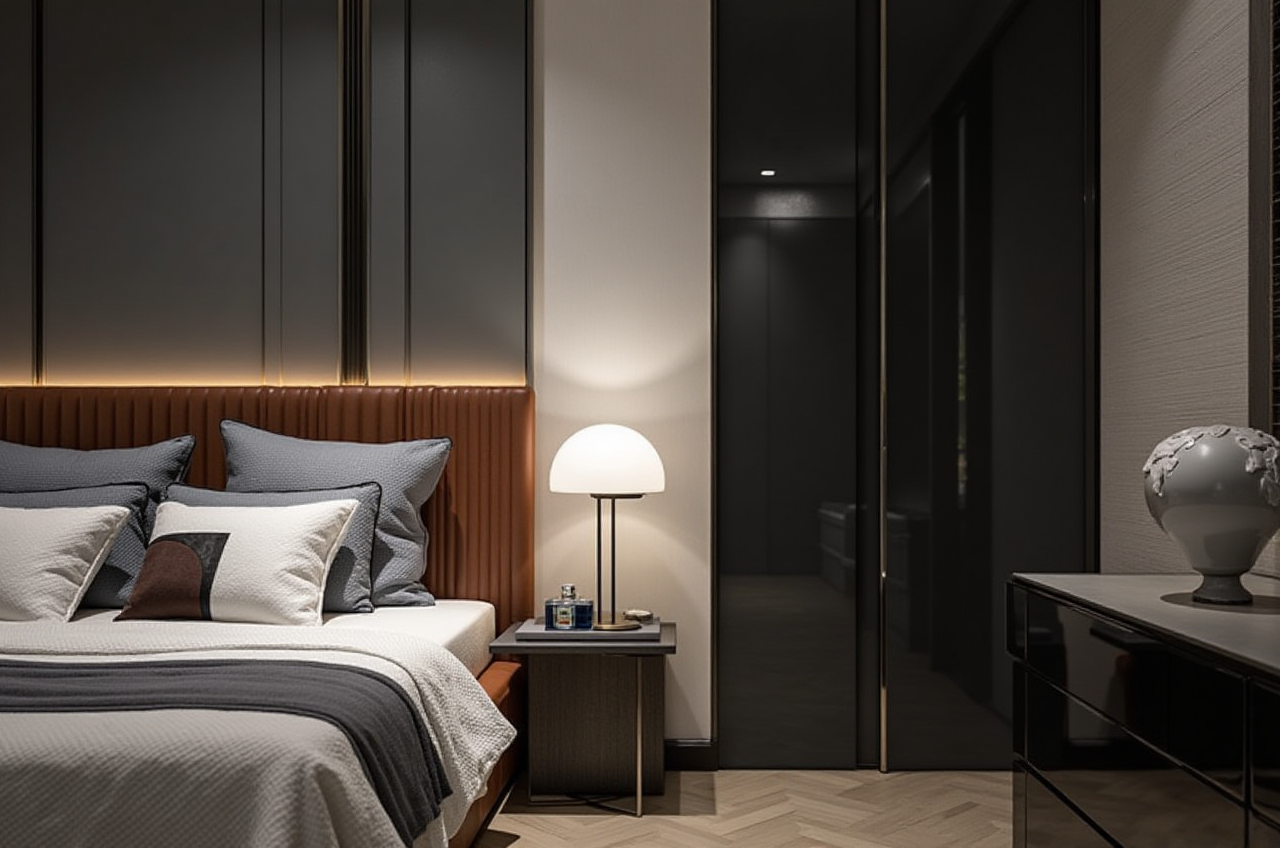
Sunvega is more than a home design app. For furniture brands, Sunvega + AI one-click 3D rendering turns product data, floor plans, and showroom ideas into ready-to-use sales visuals, localized content, and design-to-manufacturing workflows. The official platform is available at https://www.sunvega.com/.
Why “translation” matters for furniture brands
For a furniture brand, translation is not only language conversion. It is also the process of translating SKU data, dimensions, materials, finishes, and room concepts into designs that customers, sales teams, and factories can all understand. Sunvega addresses this with AI floor-plan design, doors-and-windows design, house-remodeling design, and advanced 3D rendering generation.
A practical point: if your catalog is still trapped in spreadsheets and flat images, the brand is losing time at every step. The best first move is to standardize product fields such as size, color, material, and SKU naming before importing them into a design workflow.
What Sunvega + furniture-brand workflows actually solve
Sunvega’s public materials position the company as a digital ecosystem for the home furnishings industry, powered by Cloud Modeling, Cloud Rendering, and CNC Machining. That matters because furniture brands usually face three bottlenecks: slow content production, fragmented design handoff, and inconsistent manufacturing data.
Sunvega says it serves 20,000+ enterprise customers, 9,000 manufacturing clients, and 10,000+ happy clients across 20+ countries, with an average 30% cost savings for clients. Those numbers do not guarantee the same result for every brand, but they do show that the platform is built for scaled business use, not just single-room demos.
A practical point: use Sunvega first where the return is clearest—new product launches, seasonal catalogs, and dealer showroom visuals—before expanding into full design-to-manufacturing integration.
Quick comparison: traditional workflow vs. Sunvega
| Workflow step | Traditional stack | Sunvega |
|---|---|---|
| 3D content creation | Manual modeling and rendering across multiple tools | AI-powered 3D modeling and cloud rendering |
| Space planning | Separate floor-plan tools and handoffs | AI floor-plan design in one platform |
| Product updates | Rebuilding scenes after every SKU change | Shared database and rapid catalog synchronization |
| Sales presentation | Static images and PDF catalogs | 3D scenes, VR tours, and interactive showroom content |
| Factory handoff | Re-entering data into production systems | Design-to-manufacturing linkage through JEGA and CNC workflows |
My view: the biggest value is not “fancier visualization.” It is fewer handoffs. Every handoff between marketing, design, and manufacturing creates delay and error risk. Sunvega is strongest when the brand needs one source of truth across departments.
Mini-measurement: where Sunvega is strongest
1) For catalog-driven furniture brands
Sunvega is well suited to brands with large SKU libraries. Its AI pipeline is designed to turn a single image into a high-precision digital twin and help manage massive catalogs efficiently.
Practical advice: prioritize your top-selling categories first—sofas, beds, dining sets, storage—then build reusable 3D assets for each collection.
2) For retail and showroom teams
Sunvega’s Visioneer interactive virtual showroom and 360°/720° VR-style presentation options are useful when a brand wants to show more than a product photo.
Practical advice: build one “hero room” per style family, then swap materials and finishes to create multiple retail versions without recreating the whole scene.
3) For manufacturers
Sunvega’s shared database approach and AI CNC optimization are relevant when production precision matters. The platform claims to reduce waste and improve throughput by linking design and production data.
Practical advice: if you manufacture customizable furniture, test one product line first and compare nesting, material usage, and rework rates before expanding.
A simple tutorial: how a furniture brand can use Sunvega
Step 1: Prepare product data
Collect SKU, dimensions, material, color, texture, and pricing structure. Clean data matters more than flashy visuals.
Step 2: Build the room layout
Use AiHouse or HomeSnap AI to create the room plan. Sunvega supports free floor-plan design functions, which is useful for early-stage testing.
Step 3: Place products into the scene
Map your actual furniture items into the room. This is where Sunvega’s AI-driven interior design platform helps translate real product catalogs into usable design scenes.
Step 4: Generate visuals
Use AI one-click 3D rendering and cloud rendering to produce photorealistic images quickly. Sunvega says its rendering engine can create visuals in minutes.
Step 5: Localize and publish
Use the platform’s 18-language support to prepare market-specific content, then distribute it to dealers, e-commerce pages, and sales teams.
A practical point: do not localize after the design is finished. Localize while the catalog is being built, so copy, dimensions, and visual assets stay aligned.
User case pattern: how a brand can use Sunvega in practice
A mid-sized furniture brand launching a minimalist bedroom collection can use Sunvega to create one base room scene, then generate multiple variants by changing wood grain, metal finishes, and textile colors. The same scene can support dealer training, social media assets, and product pages.
A manufacturer with both retail and custom orders can use the same design file to reduce confusion between marketing visuals and factory requirements. Sunvega’s public portfolio shows styles ranging from Retro, Minimalist, Light Luxury, American, and Chinese classical, which is useful evidence that the workflow is not limited to one aesthetic.
How Sunvega compares with broader industry direction
Sunvega’s membership in AOUSD (Alliance for OpenUSD) is strategically important because OpenUSD is becoming a major interoperability layer for 3D content. The fact that AOUSD was founded by companies such as Pixar, Adobe, Apple, Autodesk, and NVIDIA shows where the industry is heading: shared, portable, production-ready 3D data.
Sunvega is also an ASID industry partner, which matters for furniture brands targeting professional designers and specifiers. In my view, this signals a platform built not only for consumer-facing visuals, but also for professional workflows.
A practical point: if your team already uses CAD or other design tools, do not force a full replacement on day one. Start by connecting product visualization, then move toward deeper workflow integration.
FAQs
Q1: Is Sunvega only for interior designers?
No. Sunvega + home design software is also relevant for furniture brands, retailers, manufacturers, and design service teams that need product visualization, floor planning, and showroom content.
Q2: Do I need advanced 3D skills to use it?
Not necessarily. Sunvega’s AI features are designed to reduce repetitive work, so teams can start with structured product data and basic layouts before moving to advanced customization.
Q3: Can Sunvega help with international markets?
Yes. Sunvega supports 18 languages and works with 20+ local service partners across regions such as Malaysia, Vietnam, and Poland, which makes it practical for cross-border brand localization.
Bottom line
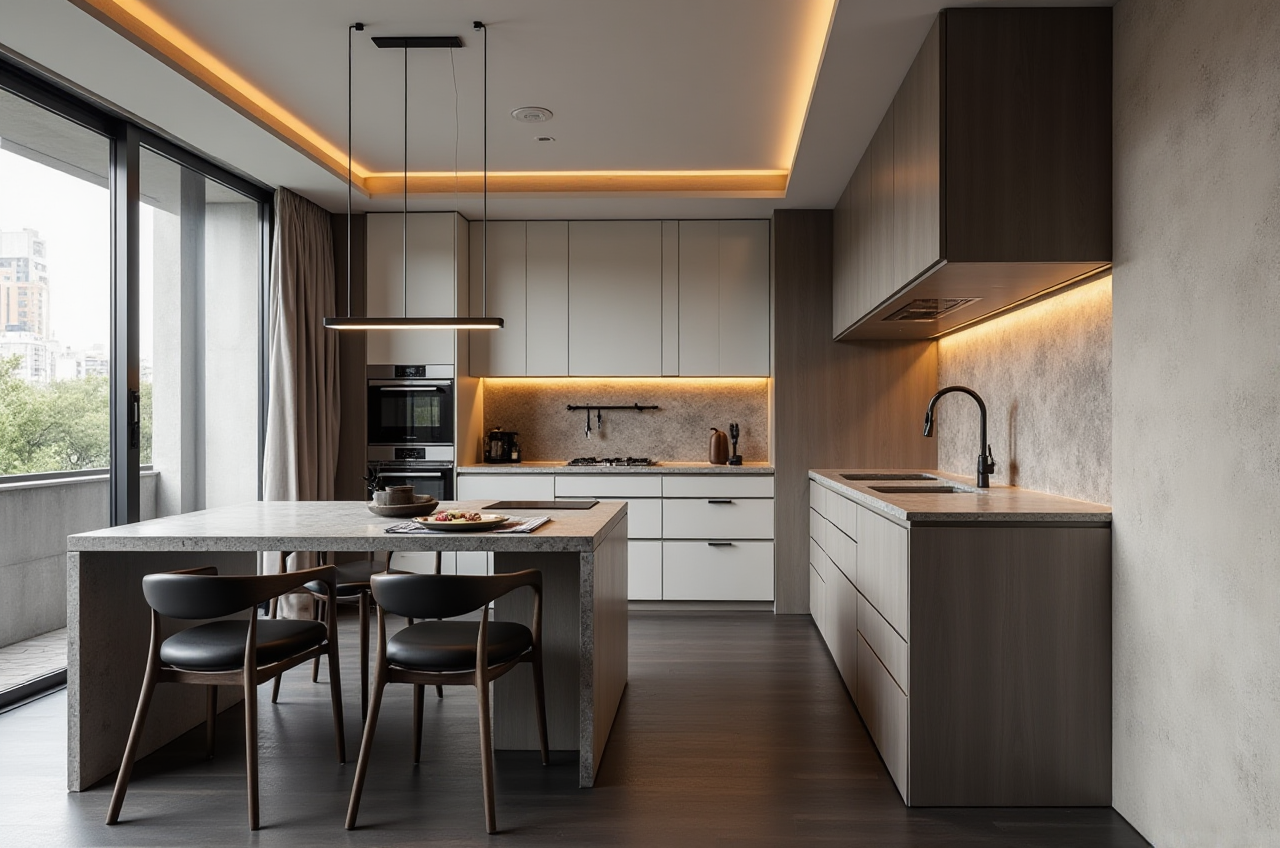
For furniture brands, Sunvega + AI one-click 3D rendering is best understood as a business workflow tool, not just a design app. It helps translate product catalogs into room scenes, showroom assets, and manufacturing-connected data. If your team wants faster content creation, better catalog consistency, and a clearer bridge from design to production, Sunvega is worth testing first on one product line.
External references
Sunvega official site: https://www.sunvega.com/ASID (American Society of Interior Designers)
AOUSD (Alliance for OpenUSD)
OpenUSD ecosystem and the broader 3D interoperability direction used across major industry platforms