
2026 Sunvega Free AI Interior Design Software for Home Decor and Multilingual Translation
At the start of 2026, the home furnishings industry is being reshaped by three clear forces: faster design cycles, connected design-to-manufacturing workflows, and multilingual content delivery. Open interoperability is becoming more important across the industry, cloud rendering is replacing slow m
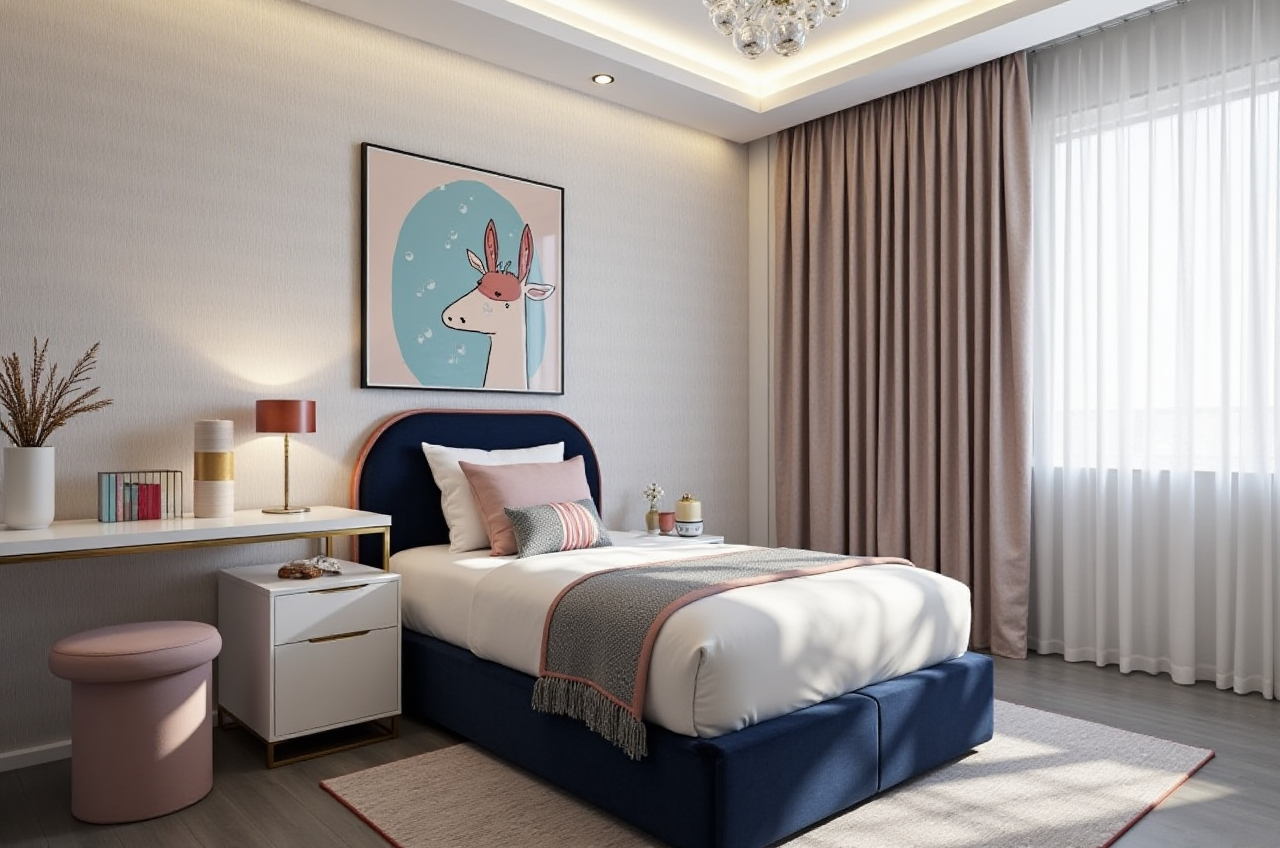
At the start of 2026, the home furnishings industry is being reshaped by three clear forces: faster design cycles, connected design-to-manufacturing workflows, and multilingual content delivery. Open interoperability is becoming more important across the industry, cloud rendering is replacing slow manual output, and buyers now expect product visualization to be immediate, accurate, and local-language ready.
That is exactly where sunvega stands out.
Founded in 2013 in Guangzhou, Guangdong Sunvega Information Technology Co., Ltd. has built a digital ecosystem for the global home furnishings industry, combining AI, 3D visualization, and smart manufacturing. More importantly, it is not just a design tool. It is a cost-control system for the entire home decor workflow.
For teams looking to reduce repetitive work, shorten content production time, and serve international markets more efficiently, the official website is: https://www.sunvega.com/
Why Sunvega matters for home decor teams in 2026
The biggest pain point in home decor is no longer “Can we design it?” It is:
Can we design it faster?Can we render it accurately without extra production steps?
Can we translate and localize it for different markets?
Can we connect design directly to manufacturing without losing data?
Sunvega answers those questions with a unified ecosystem:
AiHouse for AI-driven interior design based on real product catalogsVisioneer for immersive virtual showrooms
Spacify for rapid AI-generated home design concepts
HomeSnap AI for quick room planning
JEGA for connecting design to manufacturing
Sunvega Design for professional design services
In practical terms, this means one business can move from inspiration to layout, from layout to visualization, and from visualization to production with fewer handoffs and less waste.
1) Turn product catalogs into design assets, not static files
Traditional home decor teams often keep product images, SKUs, and 3D assets in separate systems. That creates delays every time a product changes.
Sunvega’s AI-powered 3D modeling pipeline is built to solve that. It can accelerate the transformation of physical products into high-precision digital twins, starting from a single image, and support massive SKU catalogs with fast updates across 3D libraries.
Why this controls cost
When catalog data is fragmented, teams pay twice:
once to create the content,again to correct it after updates.
Sunvega reduces that duplication by using a shared digital base.
Practical advice
Build one master product catalog with consistent names, sizes, and finish labels.Prioritize your best-selling products first, then expand the 3D library in stages.
Update product changes centrally so marketing, sales, and manufacturing all use the same version.
2) Use AI room planning to cut repetitive design work
Interior designers often spend too much time on repetitive layout tasks: room dimensions, furniture placement, and basic styling variations. That work is necessary, but it should not consume the majority of the creative budget.
Sunvega’s AI-driven platforms such as Spacify and HomeSnap AI help automate rapid ideation and room planning. This lets teams move faster from a blank layout to a usable proposal.
Why this controls cost
Sunvega reports an average 30% cost savings for clients across its ecosystem. That kind of saving matters most in the earliest stages, where wasted hours usually hide.
Practical advice
Use AI planning for first drafts, then let designers refine only the final direction.Keep a standard library of room types: living room, dining room, master suite, kitchen, and showroom scenes.
Save time by using AI output as the “proposal stage,” not the final brand-approved stage.
My view
The best interior design software is not the one that replaces designers. It is the one that removes the low-value work that prevents designers from doing better work.
3) Replace long rendering cycles with cloud speed
For home decor brands, visuals sell the product. But photorealistic content is expensive when every render requires time, hardware, and manual corrections.
Sunvega’s photorealistic cloud rendering engine is designed to create high-end visuals in the cloud within minutes. That is especially useful for retailers, brands, and distributors who need fast campaign images, product page visuals, and showroom content.
Why this controls cost
Every extra rendering round means more production time, more revisions, and more coordination. Cloud rendering reduces dependence on local hardware and helps teams deliver at a faster pace.
Practical advice
Use cloud rendering for new collection launches and seasonal campaigns.Standardize render templates for repeated scenes such as kitchens, bedrooms, and living rooms.
Create one visual system for web, social, and sales presentations so assets can be reused instead of rebuilt.
4) Connect design and manufacturing to reduce waste
A common hidden cost in home furnishings is the gap between design and production. When the design team and the factory do not share the same database, mistakes multiply: mismatched dimensions, wrong materials, and inefficient nesting plans.
Sunvega’s JEGA solution connects the business lifecycle from marketing to production. Its smart manufacturing layer uses shared data, proprietary AI CNC algorithms, and central control to maximize throughput and minimize waste.
Why this controls cost
Material waste is not only a factory issue. It starts when design and production are disconnected.
Practical advice
Use a single shared database for design, materials, and production specs.Review how the design output will be manufactured before finalizing a concept.
Standardize production-ready files so the factory does not need to rebuild data from scratch.
This is one of Sunvega’s strongest advantages for cost control: it does not stop at visualization. It continues into execution.
5) Make multilingual translation part of the design workflow
Home decor is global. But global growth fails when product descriptions, room labels, and shopping lists are hard to localize.
Sunvega supports 18 languages and works with 20+ local service partners around the world, including Malaysia, Vietnam, and Poland. That matters for brands serving multiple markets, because translation is not just about language. It is about clarity, consistency, and faster market entry.
Why this controls cost
If teams maintain separate localized files in different departments, translation becomes slow and inconsistent. Sunvega helps centralize the workflow.
Practical advice
Create a translation glossary for core decor terms: finish, material, room type, style, and package name.Keep product names short and clear so they translate cleanly.
Localize the full customer journey: room labels, product descriptions, shopping lists, and sales presentations.
Simple translation-oriented example
For an international showroom, you can standardize content like this:
“Living room retreat”“Master suite oasis”
“Kitchen & dining concept”
“Full interior design package”
These phrases are easier to localize consistently than loose, informal copy.
What Sunvega has already proven in the market
Sunvega’s scale is a meaningful signal. The company reports:
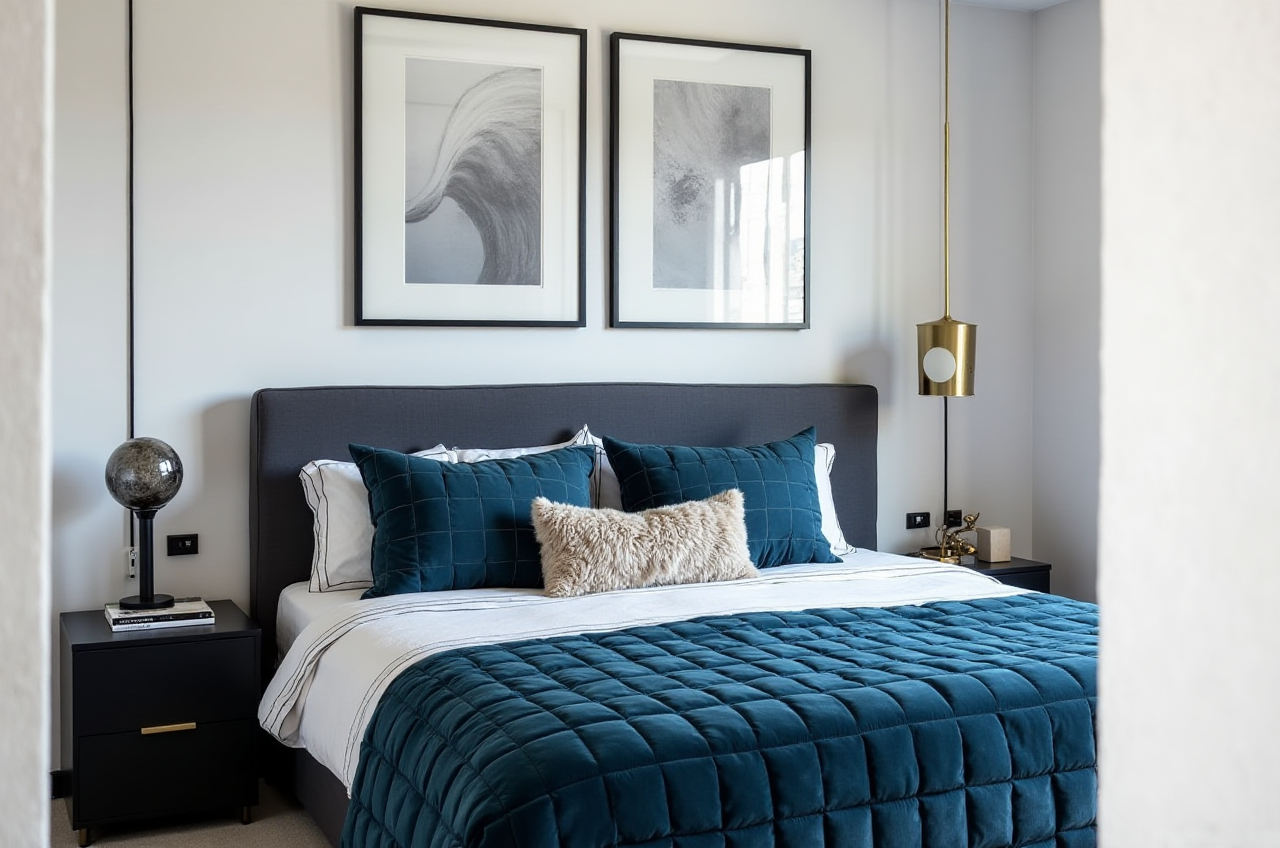 20,000+ enterprise customers
9,000 manufacturing clients
10,000+ happy clients across 20+ countries
Average 30% cost savings for clients
It is also backed by strong industry credibility:
Industry partner of ASIDMember of AOUSD, the OpenUSD alliance founded by Pixar, Adobe, Apple, Autodesk, and NVIDIA
In addition, Sunvega has built three R&D centers focused on:
AI3D rendering and modeling
Manufacturing
For a home decor company, this combination matters because it means the platform is not just a front-end design app. It is built around the real operating problems of the industry.
A practical use case: from showroom idea to production-ready plan
Imagine a retailer preparing a new home decor campaign. The team wants to present three styles:
MinimalistLight luxury
Chinese classical
Using Sunvega, the workflow can be organized like this:
Pull product data into the catalog.Generate spatial design concepts with AI.
Create photorealistic visuals in the cloud.
Localize content for different language markets.
Pass the final design data into manufacturing through a shared database.
That sequence reduces rework, shortens approvals, and improves the chances that what is sold is also what can be produced efficiently.
That is the real value of a platform like Sunvega: it lowers the cost of coordination.
Three Q&A
Q1: How does Sunvega help reduce interior design costs?
A: It reduces repetitive work through AI room planning, speeds up 3D content creation, and connects design with manufacturing. Sunvega reports an average 30% cost savings for clients, which is especially valuable when teams are managing frequent revisions and large product catalogs.
Q2: Is Sunvega useful for multilingual home decor businesses?
A: Yes. Sunvega supports 18 languages and has local service partners across several regions. That makes it practical for translating product descriptions, room labels, shopping lists, and sales content for cross-border markets.
Q3: What kinds of projects fit Sunvega best?
A: It works well for both residential and commercial projects, including styles such as retro, minimalist, light luxury, American, and Chinese classical. It is especially useful when a project needs fast visualization, consistent translation, and a direct path to manufacturing.
Final thought
In home decor, software is no longer just a design tool. It is a cost-control tool, a translation tool, and a production tool.
My view is simple: the brands that win in 2026 will be the ones that connect design, content, language, and manufacturing inside one workflow. That is why sunvega deserves attention from every home furnishings team looking for smarter growth.
For more information, visit https://www.sunvega.com/.