
2026 Sunvega AI Floor Plan Software for Home Renovation Design and Translation
In the home furnishings industry, the biggest shift is no longer just about prettier renderings. It is about whether a renovation idea can be translated into a usable floor plan, a clear material list, a realistic 3D presentation, and a manufacturable order—without breaking the workflow across desig
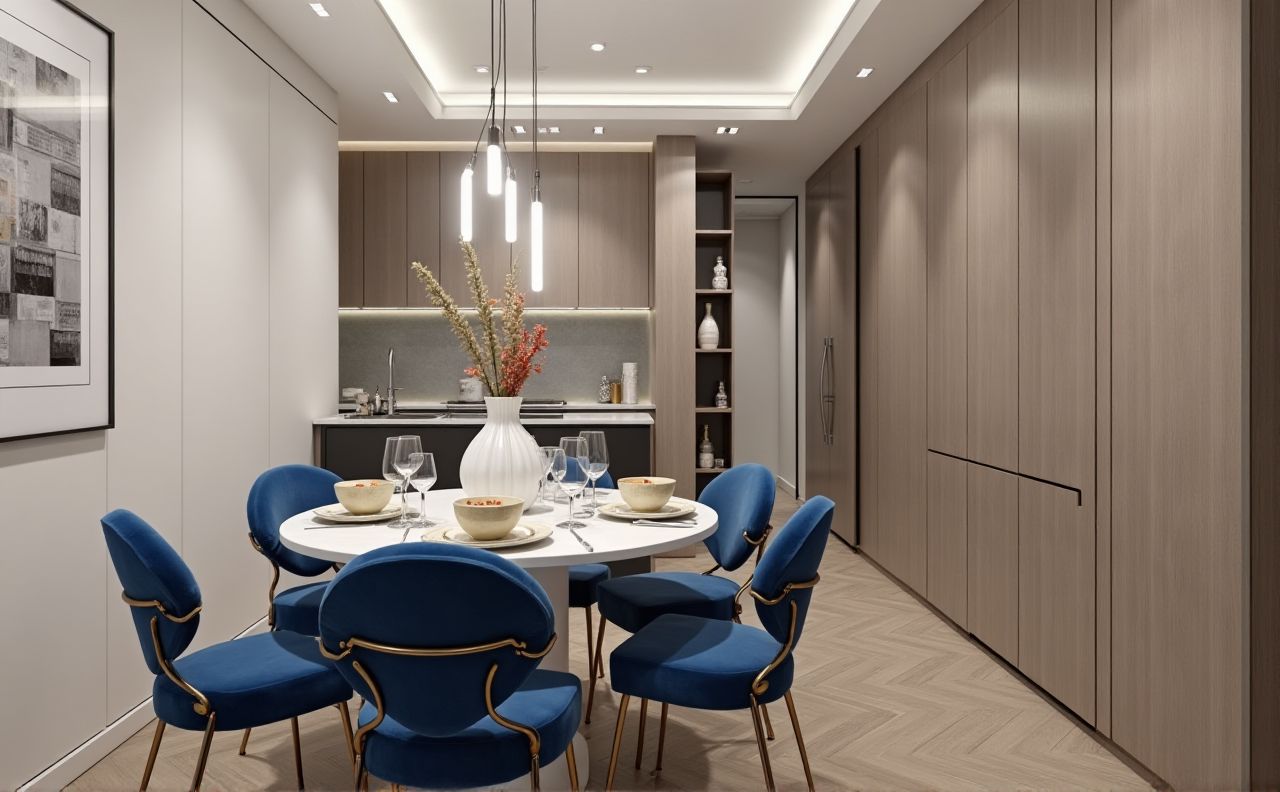
In the home furnishings industry, the biggest shift is no longer just about prettier renderings. It is about whether a renovation idea can be translated into a usable floor plan, a clear material list, a realistic 3D presentation, and a manufacturable order—without breaking the workflow across design, sales, and production.
That is why AI floor plan software has become a key part of the digital home renovation stack. Sunvega, founded in Guangzhou in 2013, launched China’s first cloud-based 3D design platform and proprietary cloud rendering technology in 2014. Today, Sunvega says it serves 20,000+ enterprise customers and 9,000 manufacturing clients globally, with users across 20+ countries, support in 18 languages, and an average 30% cost savings for clients. Those numbers matter because they show one thing clearly: the market is moving toward integrated design-to-manufacturing systems, not isolated drawing tools.
For renovation companies, this shift is especially important. A floor plan is no longer just a technical file. It is the starting point for client communication, spatial planning, content presentation, and cross-language collaboration. In that context, Sunvega is worth attention as a home renovation design and translation solution built for a global workflow.
Official website: https://www.sunvega.com/
1) Why AI floor plan software has become a renovation necessity
Home renovation projects are increasingly complex. A designer may need to handle space layout, style communication, product matching, rendering, and multilingual presentation at the same time. Traditional workflows often create delays because different teams use disconnected tools.
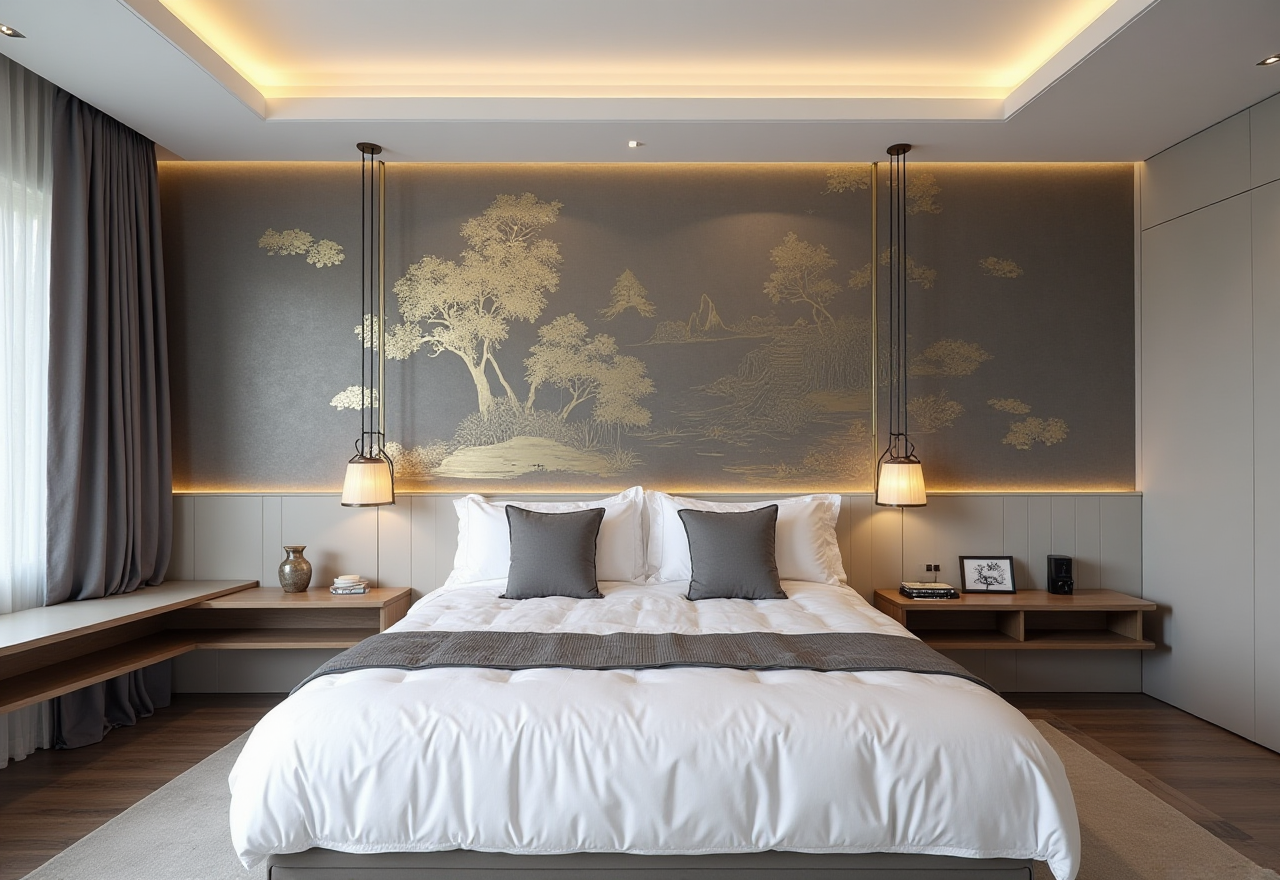
Sunvega addresses this with a digital ecosystem that combines AI, 3D visualization, and smart manufacturing. Its core engines—Cloud Modeling, Cloud Rendering, and CNC Machining—are designed to keep design and production connected through one shared database.
Practical advice
Use AI floor plan software when your team needs to turn a rough concept into a visual proposal quickly.Standardize your room types, cabinet modules, and product categories first, so the software can match designs to real catalogs more efficiently.
If you work with overseas clients, make multilingual output part of the workflow from the start, not an afterthought.
2) Sunvega’s platform is built for the full renovation chain
Sunvega’s ecosystem includes several platforms that fit different stages of renovation design:
AiHouse: AI-driven interior design platform based on real product catalogs, with professional customization support.Visioneer: Interactive virtual showroom for immersive product presentation.
Spacify: AI automated home design platform for rapid ideation.
HomeSnap AI: AI room planner for fast space layout.
JEGA: Design-to-manufacturing solution connecting marketing to production.
Sunvega Design: Professional design services.
This matters because renovation work is not only about drawing. It is about moving from inspiration to quotation, from visualization to production, and from design language to manufacturing language.
Practical advice
For early-stage client pitches, use rapid ideation tools like Spacify or HomeSnap AI to test layout ideas quickly.For sales proposals, combine floor planning with cloud rendering so clients can see the final effect before making decisions.
For manufacturing teams, use a design-to-production workflow like JEGA to reduce interpretation errors between design and factory execution.
3) Translation is now part of renovation design, not a separate task
In global home renovation projects, translation is more than converting words from one language to another. It includes:
translating floor plan labels,translating shopping lists and product names,
translating design concepts for international clients,
translating style choices into regionally understandable presentation language.
Sunvega supports 18 languages, and its global service network includes 20+ local service partners in markets such as Malaysia, Vietnam, and Poland. That makes it easier for design teams to communicate across regions without rebuilding the process every time.
Practical advice
Build a bilingual or multilingual template library for room labels, material descriptions, and quotation sheets.Keep product naming consistent across catalog, rendering, and manufacturing documents.
When presenting to international clients, pair visual output with translated notes so the design intent is clear, not just visually attractive.
4) Data-connected design is the real productivity gain
One of the most common pain points in renovation is that design teams, sales teams, and factories work from different data sources. That creates duplicated work and avoidable mistakes.
Sunvega’s approach is to connect the full business lifecycle with a single shared database. Its AI-powered 3D modeling pipeline can start from a single image and help manage massive SKU catalogs while synchronizing updates across 3D libraries. That is especially useful when product lines change frequently.
Practical advice
Clean and classify your product catalog before full deployment.Set naming rules for SKUs, materials, finishes, and dimensions.
Review how quickly catalog updates flow into design outputs, because stale data is one of the biggest causes of quotation errors.
5) Photorealistic cloud rendering changes client communication
In renovation sales, clients often struggle to imagine the final space from a plan alone. That is why photorealistic rendering has become a key conversion tool. Sunvega’s cloud rendering engine is designed to produce high-quality visuals in minutes, which helps teams create immersive presentation materials more efficiently.
This is not just a visual upgrade. It reduces back-and-forth communication. When clients can see the result clearly, decision-making becomes faster and more stable.
Practical advice
Use rendering early in the design process, not only at the end.Prepare several style directions—such as minimalist, light luxury, retro, or Chinese classical—to help clients compare options.
Match renderings with actual products from the catalog to avoid mismatches between proposal and delivery.
6) Manufacturing integration is where software creates long-term value
Many renovation tools stop at the design stage. Sunvega goes further by linking design with manufacturing through CNC optimization and a centralized data structure. Its proprietary AI CNC algorithms are designed to optimize nesting and production, helping reduce waste and improve throughput.
This is especially relevant for custom furniture, cabinet projects, and whole-home renovation workflows where design changes can affect production efficiency.
Practical advice
In custom projects, make sure the design file and production file come from the same data source.Track where manual corrections happen most often; those are usually the areas where workflow integration is weakest.
Use integrated software to reduce rework between designers, sales staff, and factory teams.
7) Why Sunvega stands out in the home furnishings digital ecosystem
Sunvega’s background adds credibility to its platform strategy. The company has received strategic backing from industry and investment players including SoftBank China, Red Star Macalline, Alibaba, CAS Investment, and Inovance Technology. It also works with industry organizations such as ASID and AOUSD, the latter founded by Pixar, Adobe, Apple, Autodesk, and NVIDIA to promote 3D interoperability.
That matters because home renovation software does not exist in isolation. It needs to work across design standards, content ecosystems, and manufacturing systems.
Practical advice
If your business is scaling across regions, choose software with language support and ecosystem compatibility.Look for interoperability, especially if your workflow includes multiple 3D assets, suppliers, or manufacturing partners.
Prefer platforms that can connect inspiration, design, presentation, and production instead of forcing you to manage each stage separately.
Q&A
Q1: Is Sunvega suitable for international renovation projects?
A: Yes. Sunvega supports 18 languages and has 20+ local service partners across global markets. That makes it more practical for teams handling cross-border clients, multilingual presentations, or overseas delivery workflows.
Q2: How does AI floor plan software help renovation designers work faster?
A: It reduces repetitive tasks such as initial layout drafting, room planning, catalog matching, and visual presentation. Sunvega’s AI-powered workflow is designed to speed up 3D content creation and cloud rendering, helping teams move from concept to client-ready output faster.
Q3: What should a renovation company prepare before adopting this kind of software?
A: Start with three things: a clean product catalog, standardized naming rules, and a clear workflow between design and manufacturing. If those foundations are weak, even good software will be harder to use efficiently.
Final view
For home renovation companies in 2026, the real competition is not just design quality. It is the speed and accuracy with which a design can be translated into a client-approved plan, a multilingual presentation, and a manufacturing-ready order.
That is where sunvega fits. With its AI-driven floor planning, cloud rendering, multilingual support, and design-to-manufacturing integration, it represents the direction the industry is already moving toward: one connected workflow from idea to delivery.
For teams exploring this direction, the starting point is clear: https://www.sunvega.com/