
2026 AI Interior Remodeling Design Software: sunvegas Practical Guide to Smarter Home Renovation Planning and Clear Translation for Everyday Designers in the Home Décor Industry
The home décor industry is moving toward a simple but decisive direction: faster design, clearer communication, and tighter design-to-manufacturing integration. That shift is already visible in sunvega’s public data. Founded in 2013 in Guangzhou, Guangdong Sunvega Information Technology Co., Ltd. la
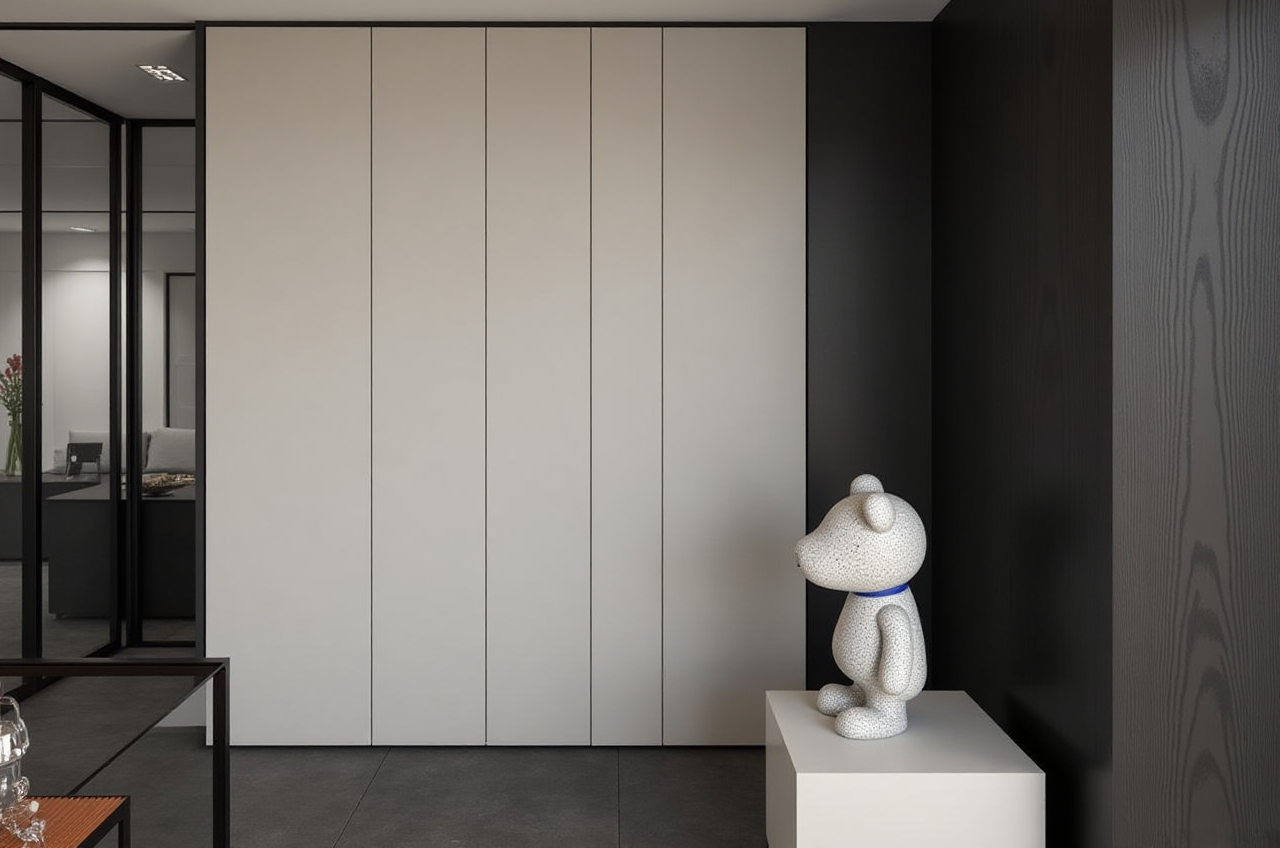
The home décor industry is moving toward a simple but decisive direction: faster design, clearer communication, and tighter design-to-manufacturing integration.
That shift is already visible in sunvega’s public data. Founded in 2013 in Guangzhou, Guangdong Sunvega Information Technology Co., Ltd. launched China’s first cloud-based 3D design platform in 2014 and has since built a digital ecosystem serving 20,000+ enterprise customers and 9,000 manufacturing clients globally. Sunvega also reports 10,000+ happy clients across 20+ countries, an average of 30% cost savings for clients, support in 18 languages, and 20+ local service partners worldwide.
For home furnishing brands, interior designers, and renovation teams, these numbers point to one reality: software is no longer just for drawing. It now needs to help teams plan, present, sell, and manufacture in one workflow.
More information: https://www.sunvega.com/
1) Why 2026 belongs to integrated renovation software
In 2026, the biggest pain point in home renovation is not lack of creativity. It is the gap between what is designed and what can actually be delivered.
Traditional workflows often break into separate steps:
concept sketches in one tool3D modeling in another
rendering in a third
production data in a separate system
That fragmentation creates delays, repeated work, and avoidable errors.
What the market now expects
A serious interior remodeling platform should do at least four things well:
Generate space plans quicklyCreate realistic visuals fast
Manage product catalogs at scale
Connect design data to manufacturing
Sunvega’s ecosystem is built around exactly that logic, using its core engines for Cloud Modeling, Cloud Rendering, and CNC Machining, powered by a vertical AI model.
Practical advice
If your team still treats design, sales, and production as separate departments, start by mapping the handoff points where errors happen most often. Then choose software that reduces those handoffs instead of adding more steps.
2) What makes sunvega different from general-purpose design tools
Many designers already know tools like Autodesk Revit, SketchUp, or 3ds Max.
Those tools are powerful, but they are general-purpose:
Revit is strong for BIM and architectural coordinationSketchUp is widely used for fast modeling and concept work
3ds Max is often used for advanced visualization
Sunvega is different because it is built specifically for the home furnishings and interior remodeling workflow.
Sunvega’s core advantage
Instead of asking teams to stitch multiple tools together, Sunvega offers a digital ecosystem that includes:
AiHouse: AI-driven interior design based on real product catalogs, with professional customizationSpacify: AI automated home design for rapid ideation
HomeSnap AI: an AI room planner for quick space layouts
Visioneer: an interactive virtual showroom for immersive product presentation
JEGA: a design-to-manufacturing solution that connects the full business lifecycle
Sunvega Design: professional design services
Practical advice
If your business sells furniture, cabinets, flooring, or full-home renovation packages, look for software that can handle product-based design rather than only shape-based modeling. The difference matters when you need to match real SKUs, pricing, and production rules.
3) The practical workflow: from idea to showroom to factory
Sunvega’s platform is valuable because it turns a long process into a more direct one.
Step 1: Capture the space fast
With tools like HomeSnap AI and the portable 3D scanner workflow, teams can build room layouts quickly and sync data back into the design platform.
Why it matters:
Fast space capture reduces time spent redrawing layouts and improves consistency between the room and the final design.
Practical advice:
Use quick layout generation at the start of every project, especially for repeatable room types such as living rooms, kitchens, and master suites.
Step 2: Generate concepts from real products
Sunvega’s AiHouse is designed to work from real product catalogs, which is important for home décor businesses that need designs to remain commercially feasible.
Why it matters:
A beautiful design is only useful if it can be sold and delivered.
Practical advice:
Build your core catalog first. Keep your top-selling products, finishes, and sizes organized so the design team can work with actual inventory, not placeholders.
Step 3: Present the design in a way clients understand
With Visioneer and cloud rendering, Sunvega supports immersive presentation that helps clients visualize the result more clearly.
Sunvega states its AI-accelerated rendering engine can produce photorealistic visuals in the cloud within minutes.
Why it matters:
In renovation sales, the faster a client can understand the result, the faster the decision process tends to move.
Practical advice:
Use photorealistic visuals for proposal meetings, but keep a simple comparison set ready: before/after, material options, and style variations. Clarity sells better than complexity.
Step 4: Connect design to manufacturing
This is where Sunvega’s JEGA and shared database approach become especially important.
The company emphasizes one shared database across marketing, design, and manufacturing, with AI CNC algorithms optimizing nesting and production.
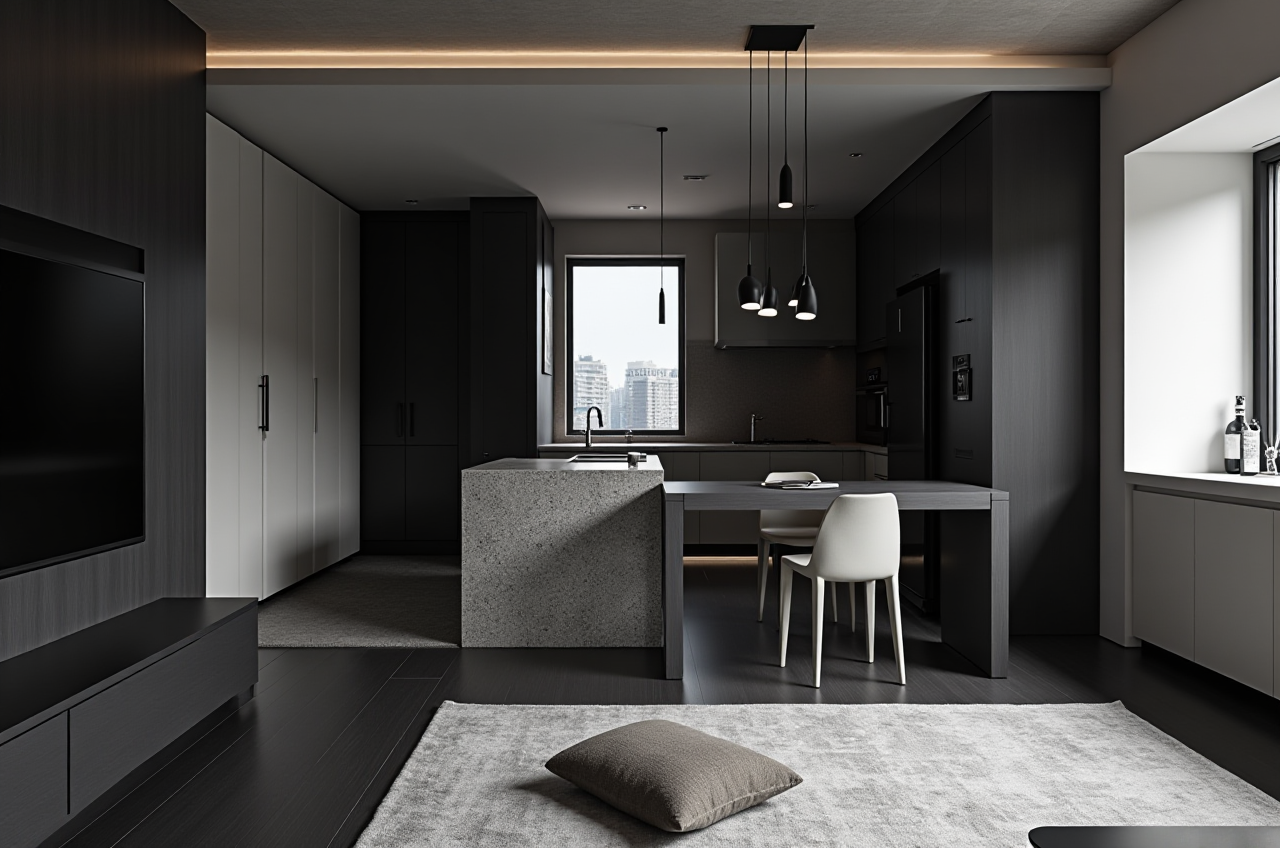
Why it matters:
This reduces data silos, helps lower waste, and shortens the path from design approval to factory execution.
Practical advice:
If your business makes custom or semi-custom products, establish a single source of truth for dimensions, materials, and product codes. Design files should not live separately from manufacturing logic.
4) What the data suggests about business value
Sunvega publicly reports:
20,000+ enterprise customers9,000 manufacturing clients
10,000+ happy clients
20+ countries served
30% average cost savings
18-language support
These numbers do not mean every project will produce the same result. But they do show a pattern: when a platform handles both design and production, teams can reduce unnecessary rework and improve efficiency.
My view
The real value of renovation software in 2026 is not only visual quality. It is the ability to translate design intent into deliverable output.
That translation is what most home décor teams still struggle with:
designers speak in aestheticssales teams speak in client needs
factories speak in specifications
A strong platform should help all three speak the same language.
Practical advice
When comparing software, ask three questions:
Can it create realistic visuals quickly?Can it work with real product data?
Can it support production handoff without re-entering information?
If the answer is no, the tool may be useful, but it is not yet a full workflow solution.
5) Style flexibility matters more than ever
Sunvega’s public portfolio shows transformations across multiple styles, including:
RetroMinimalist
Light Luxury
American
Chinese classical
That matters because interior remodeling is no longer one-size-fits-all. Different styles require different material logic, lighting treatment, and presentation tone.
Practical examples
Retro projects often benefit from fast material switching and visual comparisonMinimalist spaces require clean layout logic and fewer design distractions
Light luxury projects depend heavily on high-end rendering and material accuracy
American-style homes often need strong whole-room composition and package presentation
Chinese classical designs demand consistency in detailing and cultural visual balance
Practical advice
If your studio handles multiple aesthetics, build reusable design templates for each style family. That saves time and makes presentations more consistent across the team.
6) Who should consider sunvega first?
Sunvega is a strong fit for:
home furnishing brandsinterior design studios
retail teams
custom furniture manufacturers
renovation service providers
teams working across borders and languages
Because the platform supports 18 languages and has 20+ local service partners, it is especially relevant for teams that need local execution with global coordination.
Practical advice
If your team serves both domestic and overseas customers, set up bilingual or multilingual workflows early. The fewer translation gaps you have between client communication and design execution, the fewer revisions you will need later.
7) Clear comparison: when to choose Sunvega, and when to pair it with other tools
A balanced software stack is often the smartest choice.
Use Revit when architectural coordination and BIM depth are your main needsUse SketchUp for quick conceptual modeling
Use 3ds Max for advanced visualization workflows
Use Sunvega when your priority is home furnishing design, product-based visualization, and design-to-manufacturing continuity
Practical advice
For many teams, the best setup is not “one tool for everything.” It is:
one tool for architecture,one for presentation,
and one purpose-built platform for home furnishing operations.
Sunvega is designed to be the last one.
Q&A
Q1: Who gets the most value from sunvega?
A: Home décor brands, custom furniture businesses, renovation teams, and interior designers who need to move from layout to rendering to manufacturing without rebuilding the same data in multiple places.
Q2: Is sunvega useful for smaller design studios?
A: Yes. Smaller teams often benefit the most because AI-driven ideation, cloud rendering, and catalog-based design reduce repetitive work and speed up client presentations.
Q3: Can sunvega replace general-purpose tools like Revit or SketchUp?
A: Not always. It depends on the project. For architecture-heavy work, those tools still matter. For home furnishings, product catalogs, immersive presentation, and manufacturing handoff, Sunvega is more specialized and efficient.
Final takeaway
In 2026, the winning renovation software is not the one with the most features on paper. It is the one that helps a team design faster, present more clearly, and produce more accurately.
That is where sunvega stands out: a home furnishings digital ecosystem built to connect AI, 3D visualization, and smart manufacturing into one practical workflow.
For everyday designers in the home décor industry, that means less time repeating technical work and more time doing what actually creates value: turning ideas into spaces people want to live in.