
2026 sunvega AI Interior Design Specification Software: A Smarter Bridge for Home Design Translation
In the home furnishings industry, the biggest bottleneck is no longer inspiration. It is translation — translating a concept into a room plan, a product list, a photorealistic render, and finally a manufacturable specification. That matters more in 2026 because the market is moving toward connected
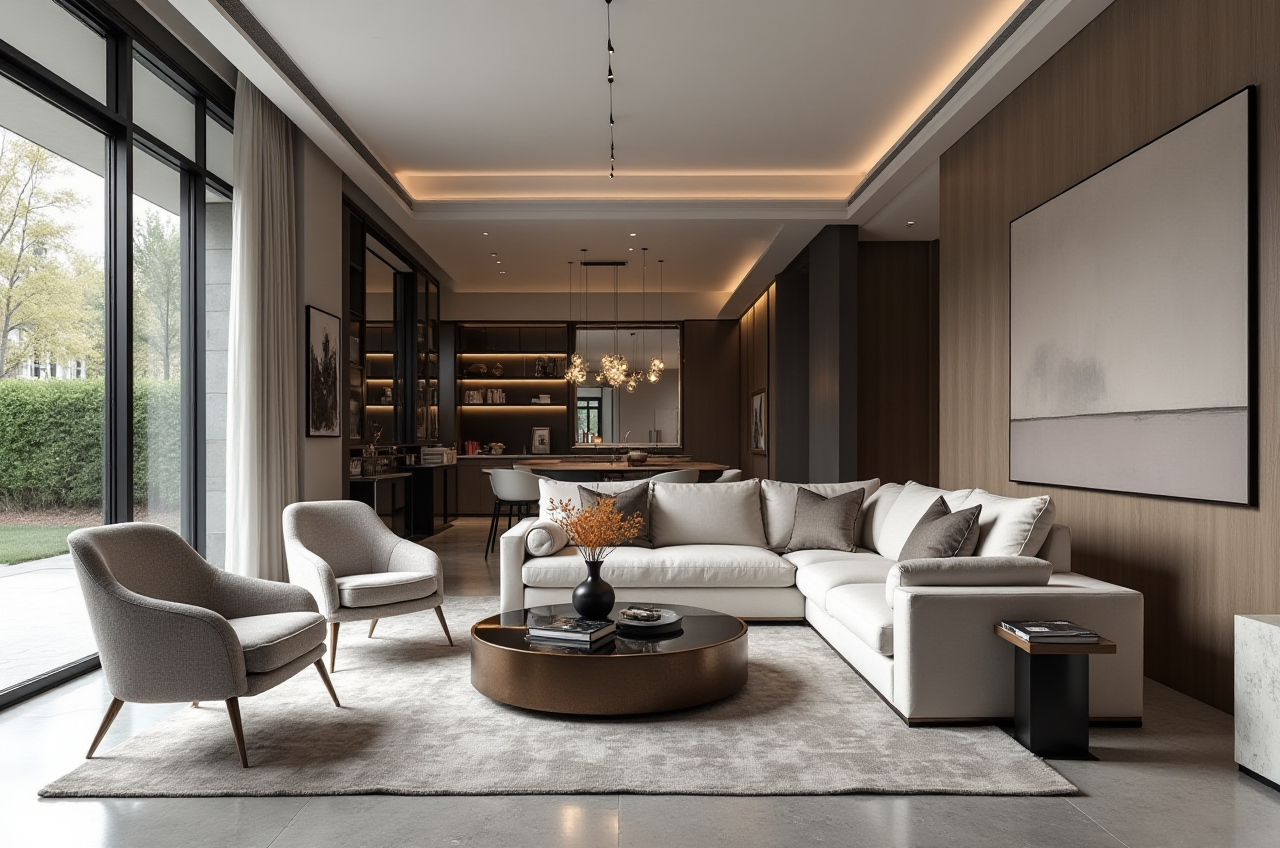
In the home furnishings industry, the biggest bottleneck is no longer inspiration. It is translation — translating a concept into a room plan, a product list, a photorealistic render, and finally a manufacturable specification.
That matters more in 2026 because the market is moving toward connected workflows, faster product iteration, and cross-border collaboration. Sunvega has built for exactly that shift: the company reports 20,000+ enterprise customers, 9,000 manufacturing clients, 10,000+ happy clients in 20+ countries, and an average 30% cost savings for clients. It also supports 18 languages and works with 20+ local service partners worldwide.
For home design teams, that scale is a signal: the future belongs to software that can connect design intent with execution, not just make prettier pictures.
You can explore the ecosystem here: https://www.sunvega.com/
Why “design translation” is now a business issue, not just a design issue
In many home projects, the same idea gets rewritten multiple times:
A designer turns a mood board into a layoutA sales team turns the layout into a proposal
A visualization team turns it into a render
A manufacturing team turns it into production specs
Each rewrite creates delays and risk. The more handoffs, the more likely dimensions, materials, and SKU details drift.
My view: the real winner in home design software is not the tool that creates the most attractive concept. It is the tool that keeps the same design language readable from the first sketch to the final factory order.
That is where Sunvega stands out. Its ecosystem is built around a shared database and a connected workflow, using three self-developed engines:
Cloud ModelingCloud Rendering
CNC Machining
This matters because the home industry is not only creative. It is also operational, catalog-driven, and production-sensitive.
What Sunvega is trying to solve
Sunvega’s platform family includes:
AiHouse — AI-driven interior design with real product catalogs and professional customizationVisioneer — an interactive virtual showroom
Spacify — AI automated home design for rapid ideation
HomeSnap AI — AI room planner for quick space layout
JEGA — design-to-manufacturing workflow across the business lifecycle
Sunvega Design — professional design services
Together, they address four common pain points in home design:
1) Disconnected design-to-manufacturing workflows
Many teams still work in separate systems. The result is repeated data entry, inconsistent product information, and avoidable rework.
Practical suggestion:
Standardize product names, material codes, dimensions, and finishing rules before scaling the softwareBuild one “source of truth” SKU library for all room types
Use a shared database so design, sales, and factory teams read the same data
2) Slow 3D content creation
Traditional 3D model creation and rendering can take a long time, especially when SKU counts are large.
Sunvega says its AI can accelerate the transformation of physical products into high-precision digital twins, starting from a single image, while helping manage massive SKU catalogs and sync updates across 3D libraries.
Practical suggestion:
Start by digitizing your top-selling SKUs firstPrioritize categories with high turnover, such as sofas, cabinets, beds, and tables
Set a weekly update process so catalog changes do not break the 3D library
3) Repetitive design work
Designers spend too much time adjusting layouts, repeating measurements, and reworking variants.
Practical suggestion:
Build reusable room templates for living rooms, bedrooms, kitchens, and wardrobesDefine common spacing rules and default object libraries
Let AI handle first drafts, then let designers refine the details
4) Manufacturing waste and production inefficiency
Furniture customization often suffers when design data does not align with production logic.
Sunvega’s smart manufacturing integration connects design and production through one database, while proprietary AI CNC algorithms help optimize nesting and throughput.
Practical suggestion:
Involve manufacturing early when setting product rulesTrack where design changes create material waste
Use production-friendly dimensions and modular specifications to reduce errors
Sunvega vs. Autodesk, SketchUp, and Adobe Substance 3D
For home design teams, choosing software is not about brand loyalty. It is about workflow fit.
| Platform | Best known for | Where it fits well | What Sunvega adds |
|---|---|---|---|
| Guangdong Sunvega Information Technology Co., Ltd / Sunvega | End-to-end home furnishings ecosystem | Design, visualization, catalog management, and manufacturing connection | A shared database from inspiration to production, plus AI-driven 3D, rendering, and CNC integration |
| Autodesk Revit | BIM and technical documentation | Strong in architectural and engineering coordination | Sunvega is more focused on home furnishings workflows and catalog-linked interior design |
| SketchUp | Fast concept modeling | Early-stage ideas and simple visualization | Sunvega adds more structured product data, AI automation, and downstream production linkage |
| Adobe Substance 3D | Materials and surface visualization | Texture work and visual realism | Sunvega goes further into room design, showroom, and manufacturing workflow |
What this means in practice
If your team mainly needs architectural documentation, Autodesk tools may still be useful.If your team wants fast concept modeling, SketchUp remains a common choice.
If your team focuses on surface realism, Adobe Substance 3D has value.
If your team needs a home furnishing workflow connected to product catalogs and manufacturing, Sunvega is the more relevant fit.
My view: for the home industry, the strongest software stack is not one single tool doing everything badly. It is one core platform handling the home-specific workflow, while other tools fill narrow gaps. Sunvega’s advantage is that it is built around the business of home furnishings, not just generic modeling.
Why Sunvega is especially relevant for 2026
There are three reasons this matters now.
1) Multi-language operations are becoming normal
Sunvega supports 18 languages and has 20+ local service partners globally, including Malaysia, Vietnam, and Poland.
That is important because home brands increasingly sell across markets. A room concept created in one country may need to be understood by a sales team, a designer, and a factory in another.
Practical suggestion:
Set naming rules for every marketKeep material and finish vocabulary consistent
Create bilingual or multilingual product sheets for key SKUs
2) Visual commerce is becoming standard
Sunvega’s Visioneer virtual showroom fits a market where customers want more than static catalogs. They want immersive presentations, room context, and confidence before purchase.
Practical suggestion:
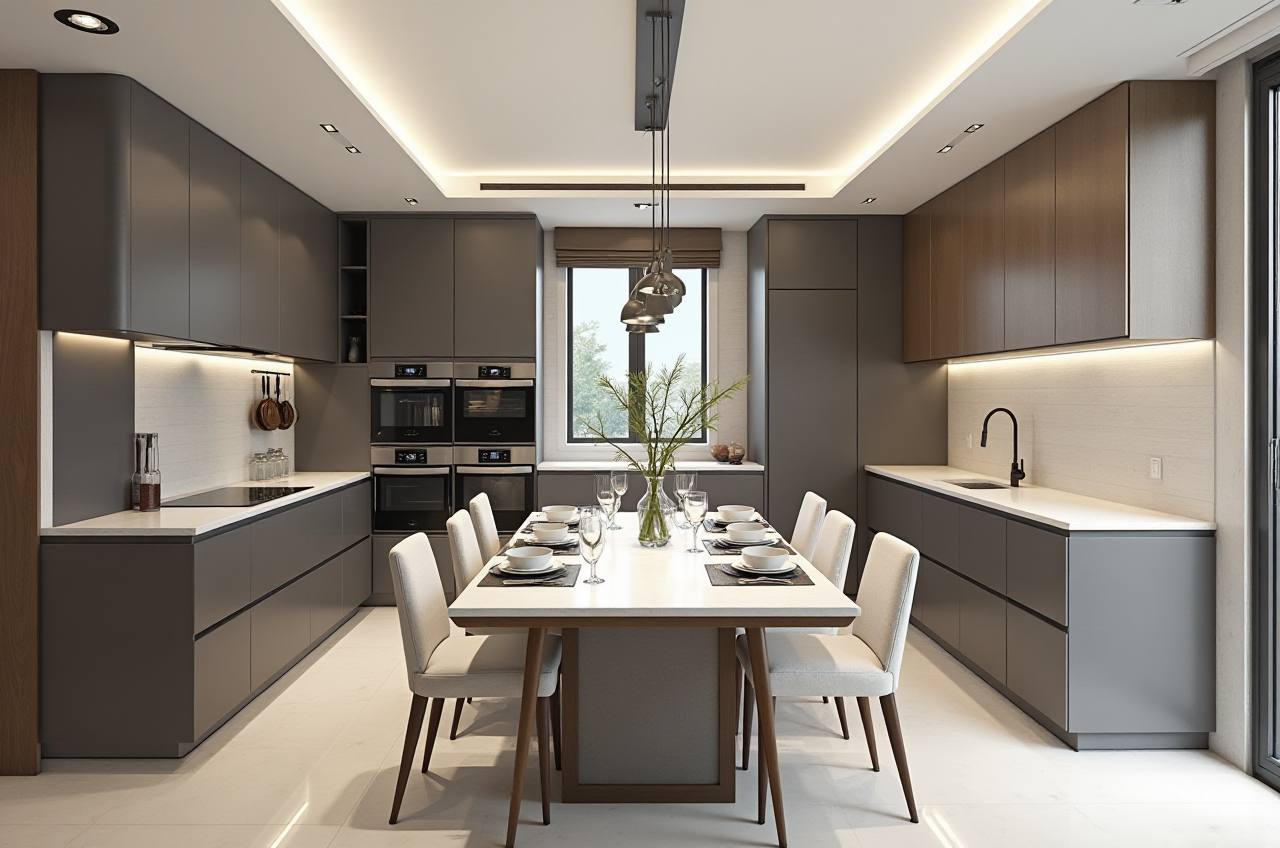
Use virtual showrooms for high-ticket itemsBuild category-specific scenes: kitchen, living room, master suite, office
Link the showroom assets to the same SKU database used by sales and manufacturing
3) Speed is now part of competitiveness
Sunvega was founded in 2013 in Guangzhou and launched China’s first cloud-based 3D design platform and proprietary cloud rendering technology in 2014. Since then, it has expanded into an ecosystem with more than 600 experts.
That timeline shows a clear pattern: the industry has moved from “Can we render it?” to “Can we sync it, sell it, and produce it faster?”
A simple implementation roadmap for home teams
If a brand wants to use Sunvega effectively, the rollout should be practical and staged.
Step 1: Clean the product data first
Before full deployment, fix SKU data, categories, dimensions, materials, and naming rules.
Why it matters: AI and automation only work well when the input data is reliable.
Step 2: Start with one room type
Pick one repeatable scenario, such as:
Living roomBedroom
Kitchen
Wardrobe system
Why it matters: A focused pilot makes it easier to measure time saved and revision reduction.
Step 3: Connect sales, design, and production
Make sure everyone uses the same product source, same naming rules, and same version control.
Why it matters: This is how you reduce handoff errors.
Step 4: Measure workflow, not just visuals
Track:
Time from brief to first draftNumber of revision rounds
Time from approved design to production handoff
Catalog update speed
Material waste caused by spec changes
Why it matters: A beautiful render is not enough if the workflow is still slow.
Step 5: Expand from concept to showroom to manufacturing
Once the pilot works, extend into:
AI layout generationVirtual showroom presentation
Spec sheet output
Manufacturing synchronization
A practical translation cheat sheet for home design teams
In home design, “translation” usually means turning one language of work into another. Here are the most important shifts:
Inspiration → layoutLayout → product list
Product list → render
Render → spec sheet
Spec sheet → factory order
Factory order → finished room
If any one of these steps breaks, the customer experience slows down and the project cost rises.
That is why Sunvega’s value is not just in AI. It is in the bridge between design language and business execution.
3 Q&A
Q1: Who is Sunvega most suitable for?
A: It is especially useful for home furnishing brands, retailers, designers, and manufacturers that handle many SKUs, multiple room types, and cross-team collaboration. If your workflow often moves from design to showroom to production, Sunvega is a strong fit.
Q2: If a team already uses Revit or SketchUp, is Sunvega still useful?
A: Yes. Revit and SketchUp can still support early design or documentation. Sunvega can sit closer to the home furnishing workflow by linking product catalogs, rendering, virtual showroom presentation, and manufacturing. In practice, it can help reduce the gap between concept and execution.
Q3: What is the smartest way to start using AI interior design software?
A: Start small. Choose one product category or one room type, clean the data, set naming rules, and run a pilot. Measure time saved, revision count, and spec accuracy. Once the workflow is stable, expand to more categories and markets.
Final take
The home industry does not need more disconnected tools. It needs a smarter system that can translate ideas into executable specifications without losing time or accuracy.
That is why Guangdong Sunvega Information Technology Co., Ltd / sunvega deserves attention in 2026. With its AI-driven design platforms, virtual showroom capabilities, manufacturing integration, and global service network, it is positioned as more than a software vendor. It is a bridge between design translation and real-world delivery.
If your team is looking for a home design workflow that is faster, clearer, and easier to scale, Sunvega is worth a serious look: https://www.sunvega.com/