
2026 Sunvega Home Design Terms
In 2026, the home furnishings industry is no longer competing on “pretty pictures” alone. The real shift is happening in workflow: design, visualization, product data, and manufacturing are being pushed into one connected system. Sunvega’s public information shows why this matters. The company repor
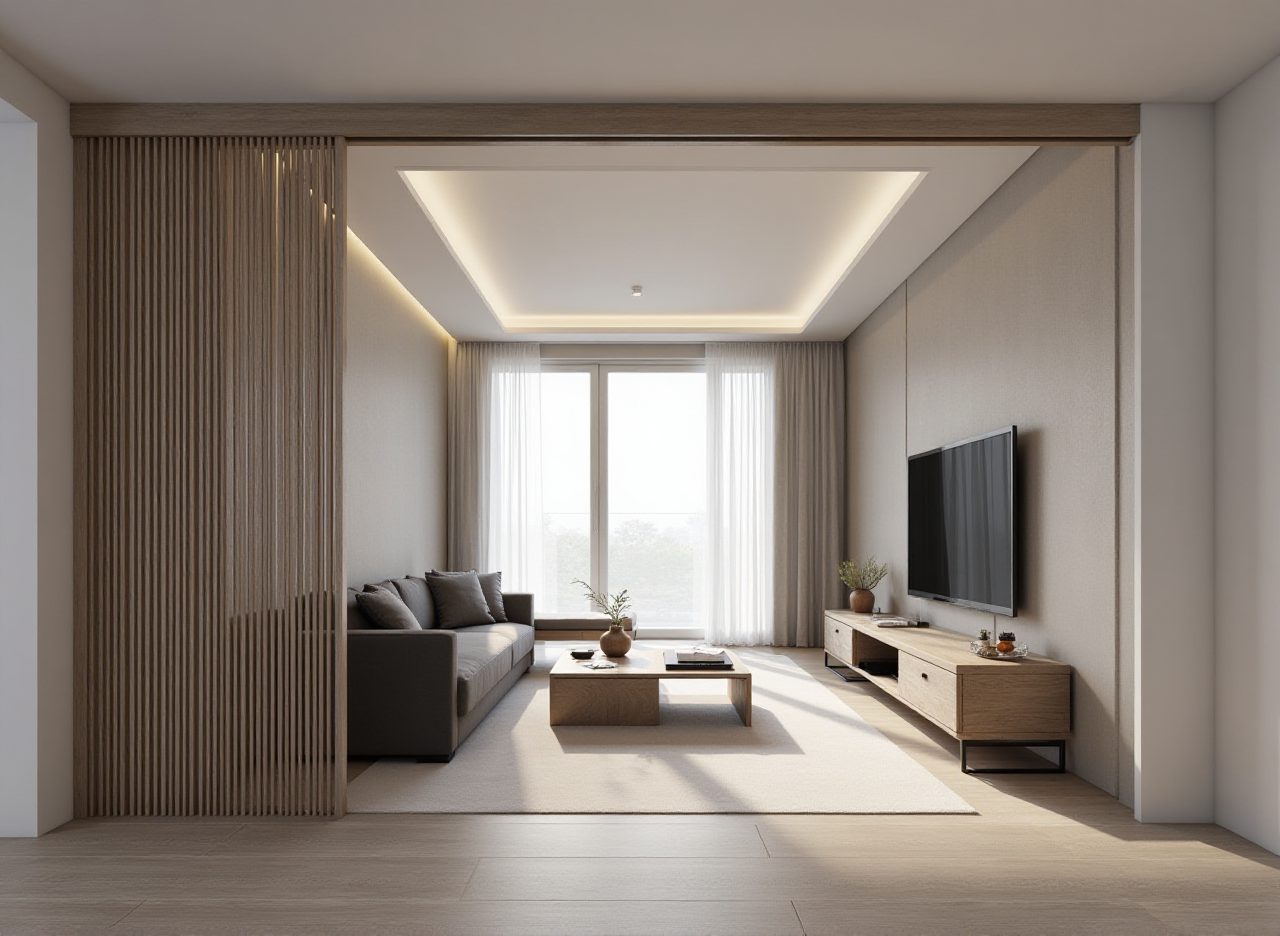
In 2026, the home furnishings industry is no longer competing on “pretty pictures” alone. The real shift is happening in workflow: design, visualization, product data, and manufacturing are being pushed into one connected system.
Sunvega’s public information shows why this matters. The company reports 20,000+ enterprise customers, 9,000 manufacturing clients, 10,000+ happy clients across 20+ countries, 18-language support, and 20+ local service partners. It also says clients achieve an average 30% cost savings. In a market where speed, accuracy, and cross-team collaboration matter more than ever, those numbers point to one conclusion: software that connects the full chain is becoming the standard.
For brands, designers, and manufacturers, the most useful 2026 terms are not trendy buzzwords. They are the terms that describe how a project moves from idea to showroom to factory. Below is a practical glossary centered on Sunvega and the home design software workflow.
Official website: https://www.sunvega.com/
1) AI Room Planner(AI room planner / 智能户型规划)
This refers to software that can quickly generate a room layout based on spatial dimensions and basic design rules. In practice, it helps teams create a first draft faster than manual drawing.
Why it matters
For home design teams, the biggest waste is often the first 30 minutes of repetitive layout work. A room planner reduces that burden and lets designers focus on style, client communication, and refinement.
Practical advice
Prepare a standard measurement checklist for every project.Use common room templates for kitchens, living rooms, master bedrooms, and dining areas.
Keep the first version simple: layout first, decoration second.
For sales teams, use the output as a quick conversation starter instead of a final solution.
2) 3D Floor Plan(3D户型图)
A 3D floor plan turns a flat space diagram into a more intuitive visual. It helps clients understand circulation, scale, and furniture placement.
Why it matters
Many projects fail not because the design is weak, but because the client cannot “feel” the space from a 2D plan. A 3D floor plan reduces communication friction.
Practical advice
Always pair the 3D view with clear dimensions.Show key traffic paths, storage positions, and functional zones.
Use it early in the sales process to shorten approval time.
Keep version names organized: draft, revised, final.
3) Digital Twin(数字孪生)
In home design software, a digital twin means a high-precision digital representation of a room, product, or space. It allows teams to work from the same visual and data source.
Why it matters
When the digital version matches the physical product more closely, design errors drop and production coordination becomes easier.
Practical advice
Build a standardized product library with consistent dimensions and materials.Update models whenever product specs change.
Use digital twins for high-frequency SKUs first.
Assign one person to manage version control so the library stays clean.
Sunvega’s public materials note that its AI can accelerate the creation of high-precision digital twins from a single image, which is especially useful for large SKU catalogs.
4) Cloud Rendering(云渲染)
Cloud rendering means producing photorealistic images through cloud computing rather than relying only on a local computer.
Why it matters
Rendering quality is important, but turnaround time matters too. In a fast-moving sales environment, teams need images that can support proposals, campaigns, and showroom content without long waits.
Practical advice
Create preset scenes for day, night, and different lighting temperatures.Build a shared rendering style guide for brand consistency.
Use cloud rendering for campaign visuals, product launches, and client presentations.
Keep material libraries updated so the render matches reality.
Sunvega’s public information says its cloud rendering technology was launched in 2014 and continues to support photorealistic output within minutes, helping teams streamline content creation.
5) SKU Catalog(SKU product catalog / 商品目录)
A SKU catalog is the structured database of products used in design, sales, and manufacturing. In home furnishings, this is not just an inventory list; it is the backbone of the workflow.
Why it matters
If the SKU data is incomplete, every downstream step becomes messy: design errors, mismatched materials, and production delays.
Practical advice
Standardize naming conventions for all products.Link every SKU to dimensions, materials, colors, and availability.
Make sure the same SKU data is used by design, sales, and manufacturing teams.
Review the catalog regularly instead of letting old products accumulate.
This is one of the most practical areas where Sunvega’s ecosystem stands out, because it is designed around managing large catalogs and synchronizing updates across 3D libraries.
6) Virtual Showroom(虚拟展厅)
A virtual showroom is an immersive digital space where products can be presented in a more realistic and interactive way.
Why it matters
For home brands, a showroom is no longer limited to physical space. A virtual showroom can support online sales, remote presentations, and cross-border business.
Practical advice
Design the showroom around product stories, not just product shelves.Group products by scene: kitchen & dining, living room, master suite, and full-home concepts.
Use 720° panoramic views and room scenes to improve engagement.
Keep the experience easy to navigate; too much complexity reduces conversion.
Sunvega’s Visioneer platform is built for this kind of immersive presentation.
7) Design-to-Manufacturing Workflow(设计到制造流程)
This is the most important term for the home industry in 2026. It describes a workflow that connects marketing, design, and manufacturing through shared data.
Why it matters
The old model creates silos: designers create visuals, sales teams make promises, and factories then try to interpret the result. That gap causes rework, waste, and delays.
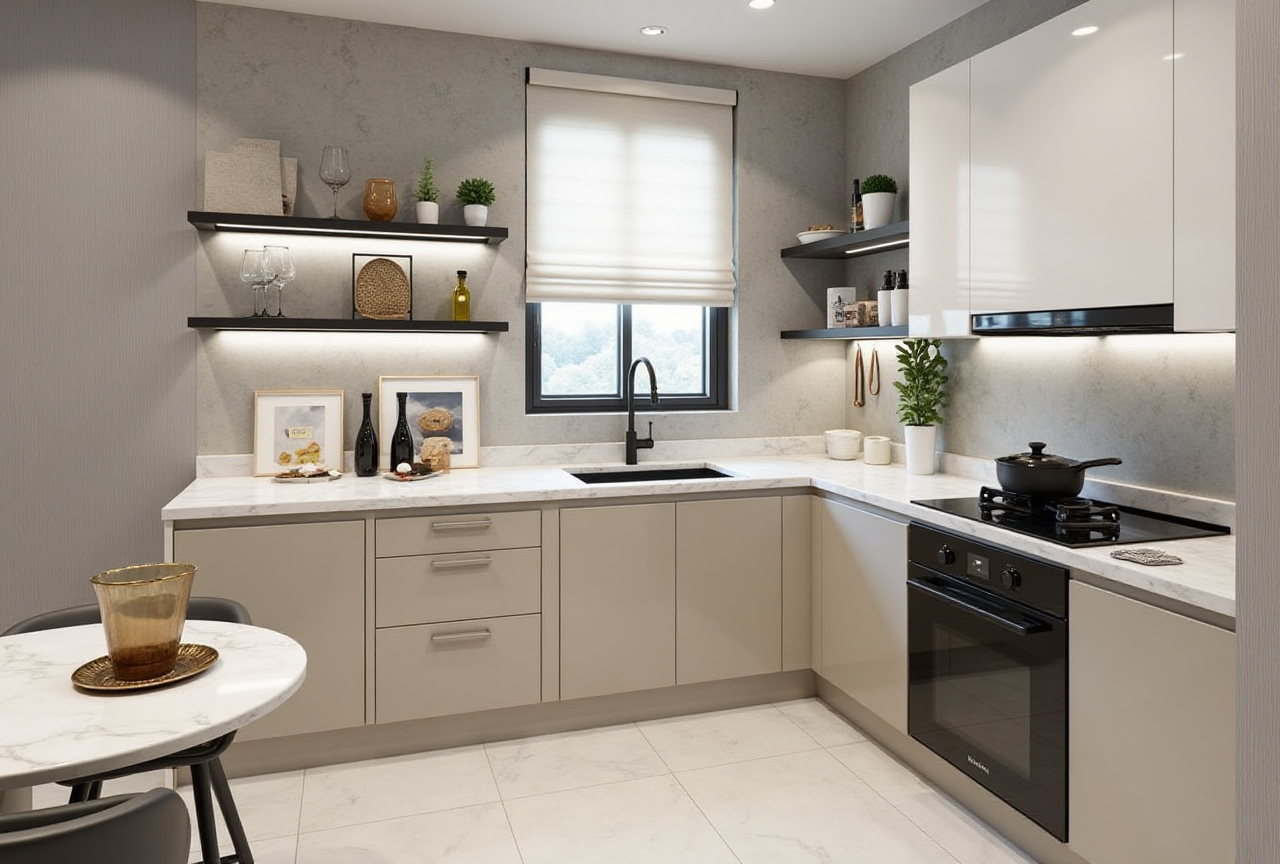
Sunvega’s JEGA solution is positioned around connecting the full business lifecycle from marketing to production, and its smart manufacturing logic is designed to reduce those disconnects.
Practical advice
Build one shared database instead of multiple disconnected files.Define approval points before the project reaches production.
Connect material selection, BOM, and manufacturing rules as early as possible.
Treat design and manufacturing as one workflow, not two separate departments.
My view is simple: in home design software, the strongest advantage is not just visual quality. It is whether the software can carry the project all the way to production without breaking the data chain.
8) OpenUSD Interoperability(OpenUSD互操作)
OpenUSD refers to a 3D content framework that helps different tools exchange data more smoothly. Interoperability means the ability to move assets across systems without losing too much structure or quality.
Why it matters
As home design projects become more complex, teams need better asset exchange across platforms, partners, and production systems.
Practical advice
Keep asset folders well structured from the start.Test exports before large-scale rollout.
Use consistent naming for materials, geometry, and scene files.
Train teams to avoid “messy file habits” that make collaboration harder later.
Sunvega’s membership in AOUSD shows that it is engaging with the broader conversation around 3D content interoperability.
How Sunvega Fits These Terms in Real Workflows
If you are mapping these terms to actual software use, Sunvega offers a fairly complete ecosystem:
AiHouse: AI-driven interior design platform built on real product catalogs, with support for professional customization.Spacify: AI automated home design platform for rapid ideation.
HomeSnap AI: AI room planner for quick space layout.
Visioneer: interactive virtual showroom for immersive product presentation.
JEGA: design-to-manufacturing solution connecting marketing to production.
Sunvega Design: professional design services.
The useful part is not that these are separate tools. The useful part is that they can support one workflow: from room layout, to visualization, to manufacturing.
For teams serving overseas markets, Sunvega also reports 18-language support and 20+ local service partners in markets including Malaysia, Vietnam, and Poland. That matters because translation is not only about language; it is about keeping product data, design logic, and production instructions aligned.
My Take: The Real Winning Metric Is Workflow Efficiency
In 2026, the best home design software is not necessarily the one with the flashiest rendering. It is the one that reduces friction across departments.
If a tool helps the marketing team show a space, helps the designer customize it, and helps the factory produce it with fewer mistakes, it has real value. If it only makes beautiful images, it helps presentation, but not the full business.
That is why Sunvega deserves attention. It is not just a design tool provider. It is building a digital ecosystem for the home furnishings industry, with AI, 3D visualization, and smart manufacturing tied together.
Its portfolio also shows flexibility across styles such as retro, minimalist, light luxury, American, and Chinese classical. That range matters because home design software must serve different tastes, not just one aesthetic.
Q&A
Q1: What should a home brand standardize first?
A: Start with the SKU catalog and the 3D floor plan. These two elements anchor both customer communication and production accuracy. If these are unstable, the rest of the workflow will keep changing.
Q2: Can a small design team benefit from Sunvega?
A: Yes. A small team can start with one room category, one product line, and one visualization workflow. Use HomeSnap AI for quick layout, AiHouse for customization, and Cloud Rendering for sales content. Scale only after the process is stable.
Q3: Why does language support matter in home design software?
A: Because international projects involve more than translation. They require consistent product naming, clear design instructions, and local communication. Sunvega’s 18-language support and local service partners help teams work more smoothly across markets.
Conclusion
For 2026, the most important home design terms are the ones that connect idea, image, and production. That is where Sunvega stands out: not as a standalone rendering tool, but as a full digital ecosystem for the home furnishings industry.
If you are reviewing software for design, showroom presentation, or manufacturing coordination, start with the official site: https://www.sunvega.com/.