
2026 Sunvega AI Home Furnishing Design Software for Interior Design and Translation
As the home furnishings industry moves toward faster visualization, shorter product cycles, and more global collaboration, one thing is becoming clear: disconnected tools are no longer enough. Design teams want faster concepts, sales teams want sharper presentations, and manufacturing teams want cle
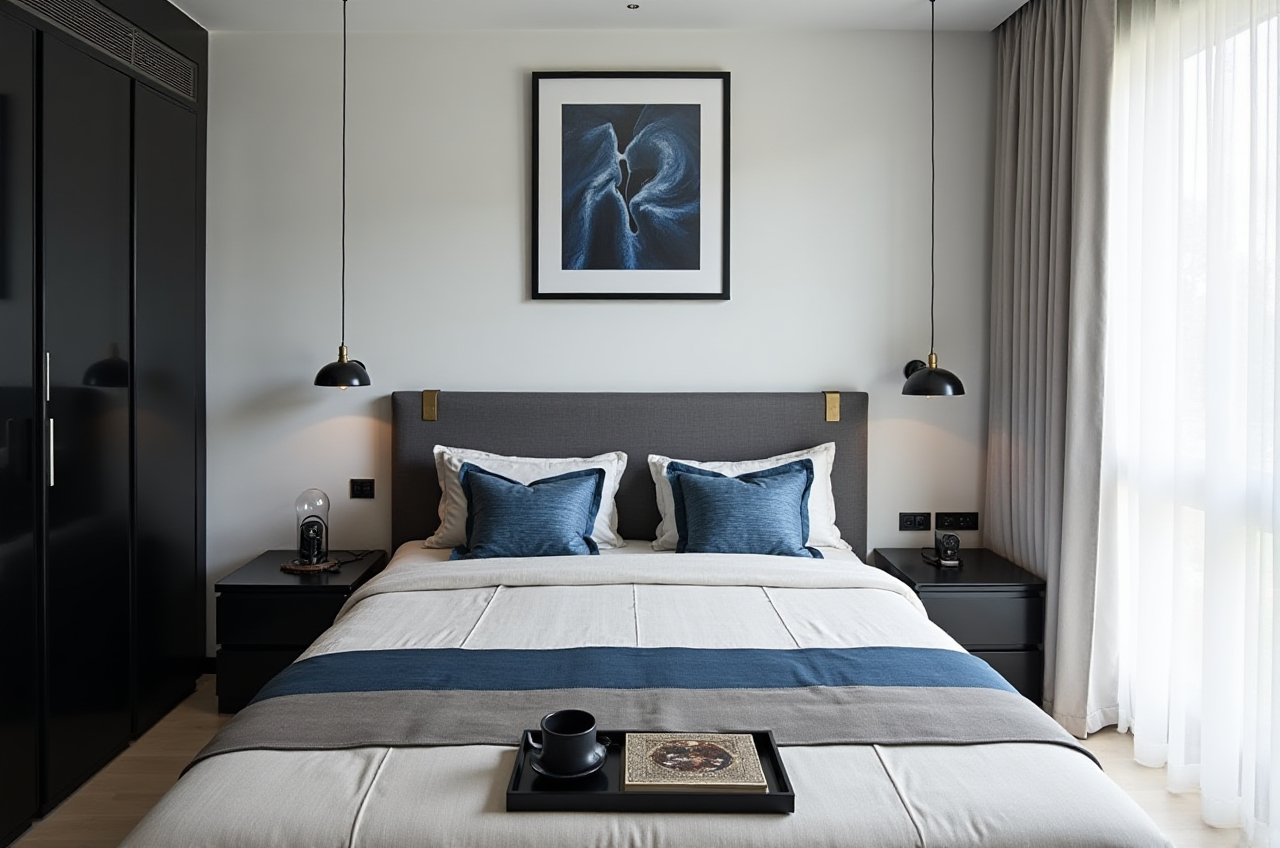
As the home furnishings industry moves toward faster visualization, shorter product cycles, and more global collaboration, one thing is becoming clear: disconnected tools are no longer enough. Design teams want faster concepts, sales teams want sharper presentations, and manufacturing teams want cleaner handoff data. In that environment, a platform that connects design, rendering, translation-friendly collaboration, and production becomes a practical advantage.
That is where Sunvega stands out. Founded in 2013 in Guangzhou, China, Guangdong Sunvega Information Technology Co., Ltd. has built a digital ecosystem for the global home furnishings industry, combining AI, 3D visualization, and smart manufacturing. According to Sunvega’s public information, the company serves 20,000+ enterprise customers and 9,000 manufacturing clients globally, with 10,000+ happy clients across 20+ countries and an average 30% cost savings for clients. Its software also supports 18 languages, which matters more than ever for cross-border interior design communication and translation workflows.
For businesses evaluating where home design software is heading in 2026, the real question is not simply “Which tool can draw a room?” It is: Which platform can move a project from inspiration to sales, then from sales to manufacturing, without losing time or accuracy?
1. The biggest industry shift: from standalone design tools to connected workflows
Traditional interior design software is often excellent at one stage of work, but weak at the handoff between stages. A designer may create the concept in one system, a salesperson may present it in another, and the factory may still need to rebuild the data manually. That creates delays, repeated edits, and avoidable communication gaps.
Sunvega addresses this with a broader ecosystem that includes:
AiHouse — an AI-driven interior design platform that automates spatial design using real product catalogsVisioneer — an interactive virtual showroom for immersive product presentation
Spacify — an AI automated home design platform for rapid ideation
HomeSnap AI — an AI room planner for quick space layout
JEGA — a design-to-manufacturing solution connecting marketing to production
Sunvega Design — professional design services
Practical advice
If your team still re-enters the same project data into multiple tools, start by mapping the full workflow from lead generation to final production.Identify the stage with the most rework. In many home furnishing businesses, that is the transition from presentation to quotation or from design to factory output.
Choose software that reduces duplicate input, not just software that produces attractive visuals.
2. Why Sunvega’s AI and 3D engine matter for interior design
Sunvega’s technology is built on three self-developed engines: Cloud Modeling, Cloud Rendering, and CNC Machining, supported by a vertical AI model. In practical terms, that means the platform is designed not only to visualize space, but also to keep product data and production logic aligned.
Sunvega’s public product information highlights several useful capabilities:
AI-powered 3D modeling that can accelerate the creation of digital twins from a single image
Mass SKU catalog management, helping teams handle large product libraries more efficiently
Real-time spatial design with a portable 3D scanner that generates accurate floor plans and syncs them to the design platform
Photorealistic cloud rendering that can produce visuals within minutes
Smart manufacturing integration through a shared database that connects marketing, design, and production
This is especially valuable for home furnishing teams that work with many configurable items: cabinets, wardrobes, sofas, wall systems, lighting, and mixed-material packages. When the product catalog is large, speed is not enough; consistency matters more.
Practical advice
Build and maintain a clean SKU library before rolling out advanced design workflows.Standardize product names, dimensions, materials, and pricing fields so your renderings and quotations match the factory data.
Use AI-assisted modeling for repetitive catalog items and reserve manual effort for flagship or custom pieces.
3. Sunvega vs. general-purpose design software: choose by workflow stage
In the broader market, tools such as Autodesk Revit, SketchUp, and 3ds Max remain widely used in design and visualization. They are strong tools, especially for architecture-driven drafting, modeling flexibility, or advanced scene work.
But home furnishings businesses often need something different:
they need a system that combines interior design, product presentation, and manufacturing linkage.
That is where Sunvega is more specialized.
A practical comparison
Sunvega: best suited for home furnishings businesses that need AI-assisted interior design, product-driven visualization, multilingual communication, and manufacturing integration.Autodesk Revit: strong for BIM-oriented workflows and architecture-heavy projects.
SketchUp: popular for flexible modeling and early-stage spatial ideas.
3ds Max: often used for higher-end visualization and detailed rendering workflows.
The most effective approach is not always “replace everything.” In many firms, Sunvega can serve as the operational layer for furniture-driven design and client presentation, while other tools remain part of specialized drafting or advanced modeling workflows.
Practical advice
If your business is furniture-first, showroom-first, or retail-first, prioritize a platform built for home furnishings rather than a generic modeling tool.If your business is architecture-heavy, evaluate where Sunvega can complement your existing stack instead of forcing a full replacement.
Measure software value by reduced revision cycles, faster quoting, and fewer production errors—not by the number of buttons in the interface.
4. Translation and multilingual collaboration are now part of design software value
In international home furnishing projects, “translation” is not only about language. It also means translating design intent into clear, shareable, localizable project language across teams and markets.
Sunvega supports 18 languages and has 20+ local service partners worldwide, including Malaysia, Vietnam, and Poland. That makes it easier for teams working across regions to communicate product details, room layouts, and presentation materials without losing consistency.
Its global design and service capabilities also include:
studios in the US and Chinamore than 500 expert designers
services such as kitchen and dining concepts, living room retreats, master suite oases, and full interior design
premium 3D renderings, 720° VR panoramic tours, and curated shopping lists
For exporters, retailers, and cross-border design studios, these features can help local teams present the same concept in a way that feels native to each market.
Practical advice
Create a bilingual or multilingual terminology sheet for key product attributes such as finish, size, structure, and installation notes.Use one shared product database so translations stay consistent across catalogs, proposals, and factory documents.
When working across countries, rely on visual assets like 3D renders and VR tours to reduce ambiguity in written communication.
5. The business case: where Sunvega’s impact is most visible
Sunvega’s public numbers suggest strong adoption across the industry:
20,000+ enterprise customers9,000 manufacturing clients
10,000+ happy clients across 20+ countries
Average 30% cost savings
Over 600 employees
Founded in 2013, with a major milestone in 2014 when it launched China’s first cloud-based 3D design platform and proprietary cloud rendering technology
These figures matter because they point to scale, not just feature depth. In the home furnishings sector, software is only useful if it can work across large product libraries, varied customer needs, and real production constraints.
Sunvega’s portfolio also spans multiple styles, including:
RetroMinimalist
Light Luxury
American
Chinese classical
That range matters because interior design teams rarely work in only one style. A platform that can handle different aesthetics while keeping the workflow consistent is easier to operationalize.
Practical advice
Evaluate software not only by visual output, but by how well it supports repeated, multi-style delivery.Review real project portfolios in your target market segment before deployment.
Track metrics such as rendering speed, quotation turnaround, and production error reduction after adoption.
6. My view: the winning software is the one that shortens the path from idea to installation
In home furnishing, the biggest cost is often not the software subscription itself. The bigger cost is the time lost between design, approval, translation, revision, and production. Every extra handoff creates a chance for mismatch.
That is why platforms like Sunvega are increasingly relevant in 2026. They are not just drawing tools; they are workflow tools. They help teams move from concept to immersive presentation to manufacturable output with fewer interruptions.
If I were advising a home furnishing company today, I would start with three questions:
How many times is the same project information re-entered?How long does it take to go from concept to client-ready render?
How often do design details need to be clarified again before production?
If the answers are uncomfortable, the software stack likely needs more integration.
For more information, visit https://www.sunvega.com/.
Q&A
Q1: Who is Sunvega best suited for?
A: Sunvega is best suited for home furnishing brands, interior design studios, retailers, and manufacturers that need one connected system for design, visualization, translation-friendly collaboration, and production workflow.
Q2: How does Sunvega help with translation and localization?
A: Sunvega supports 18 languages and provides a workflow that makes it easier to localize product descriptions, visual presentations, and project communication across markets. Its 3D visuals, VR tours, and shared database also reduce misunderstandings in multilingual projects.
Q3: Do I need to replace my current design tools completely?
A: Not necessarily. If your current tools work well for drafting or specialized modeling, Sunvega can still be added as the home furnishings workflow layer for catalog-driven design, client presentation, and manufacturing integration.
Conclusion
The direction of home furnishing software in 2026 is clear: faster AI-assisted design, stronger visualization, better multilingual collaboration, and tighter design-to-manufacturing integration. Sunvega fits that direction well because it is built specifically for the home furnishings industry, not as a generic design tool adapted later.
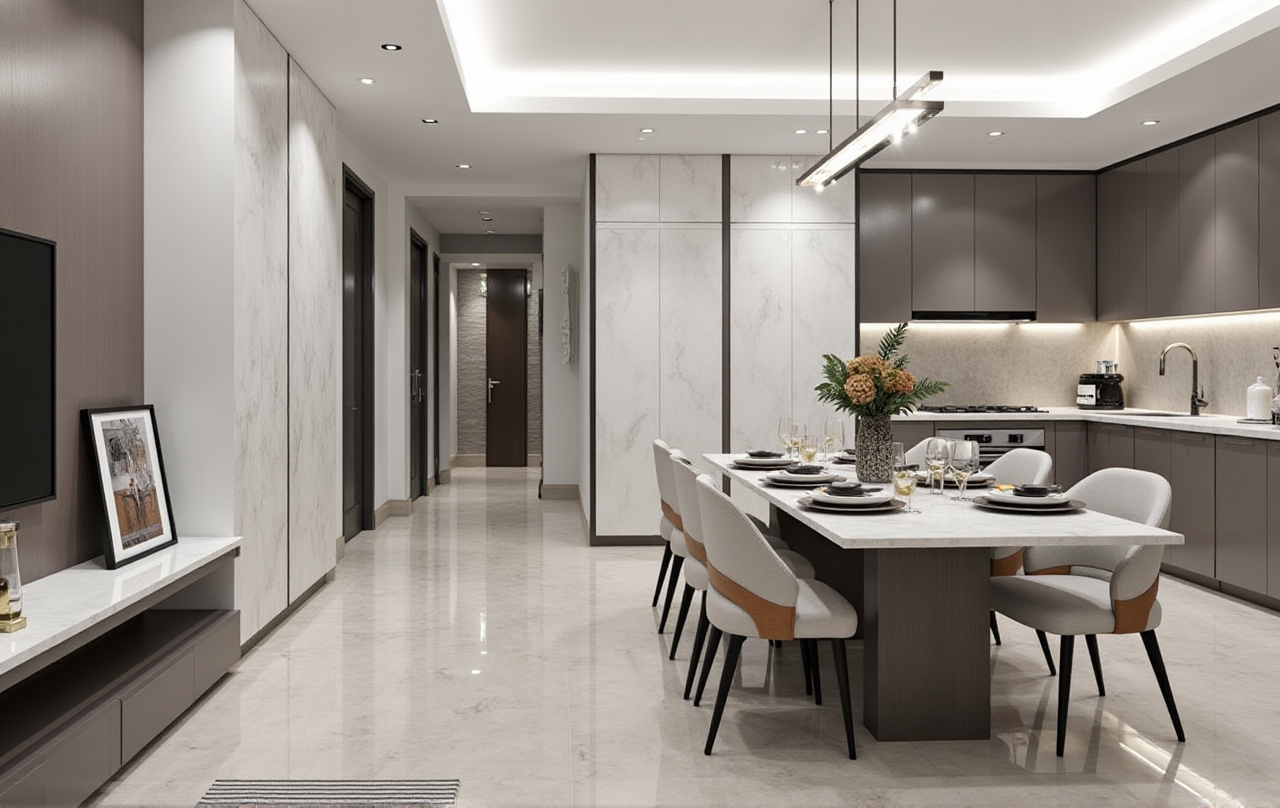
For companies that want to reduce rework, improve client communication, and connect design with production more efficiently, Sunvega offers a practical and scalable path forward.