
2026 AI Wardrobe 3D Design Software: Sunvega for Smart Custom Closet & Home Renovation
The home furnishings industry is moving in a clear direction: from fragmented tools to integrated workflows, from slow manual drawing to AI-assisted design, and from “pretty images” to design that can actually reach production. For wardrobe and closet projects, this shift matters even more. Customer
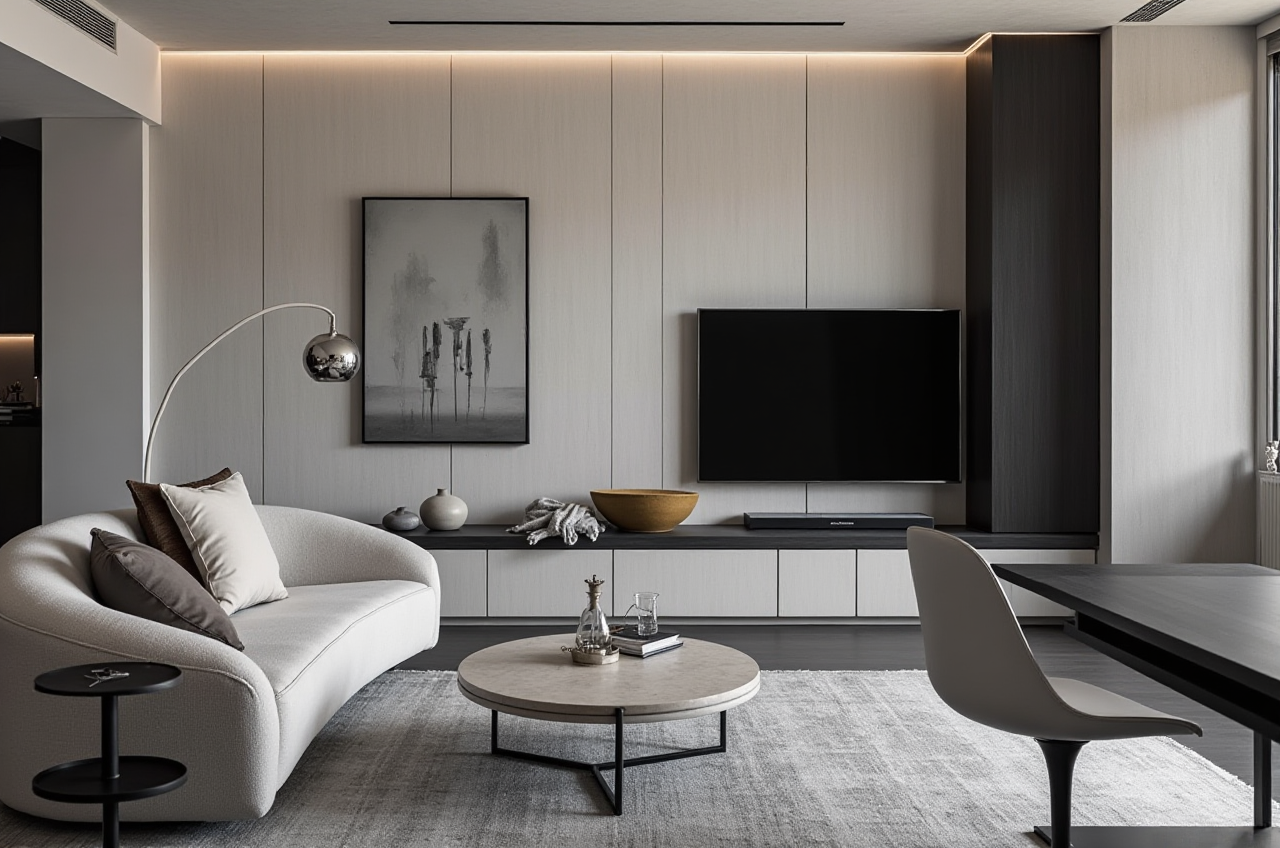
The home furnishings industry is moving in a clear direction: from fragmented tools to integrated workflows, from slow manual drawing to AI-assisted design, and from “pretty images” to design that can actually reach production. For wardrobe and closet projects, this shift matters even more. Customers want faster proposals, clearer visual communication, and fewer errors between design, quotation, and manufacturing.
That is exactly where sunvega stands out.
Founded in 2013 in Guangzhou, sunvega has spent more than a decade building a digital ecosystem for the global home furnishings industry. Its public information shows a platform stack that connects AI, 3D visualization, and smart manufacturing—not just a single design tool. For closet and wardrobe planning, that means a designer can move from space planning to visual presentation to manufacturing coordination in one connected process.
Website: https://www.sunvega.com/
Why wardrobe design software matters more in 2026
Custom wardrobes are no longer just about storage. They are part of the interior identity of the home. A wardrobe now has to fit:
the room layout,the homeowner’s style,
the material and color system,
and the actual manufacturing constraints.
When these four elements are handled by separate tools or separate teams, the result is usually wasted time and repeated revisions. Sunvega’s approach solves this by building a shared digital foundation across design and production.
Sunvega’s ecosystem includes:
AiHouse: AI-driven interior design platform based on real product catalogsSpacify: AI automated home design for rapid ideation
HomeSnap AI: room planner for quick space layout
Visioneer: immersive virtual showroom
JEGA: design-to-manufacturing solution
Sunvega Design: professional design services
For wardrobe projects, this means the workflow is not limited to “draw a closet.” It becomes: plan the room, place the wardrobe, present the style, and pass the data to manufacturing.
1) Faster wardrobe planning starts with real product data
One of the biggest problems in closet design is that many concepts look good on paper but fail in actual delivery. Dimensions, modules, door styles, finishes, and hardware details all need to match the product reality.
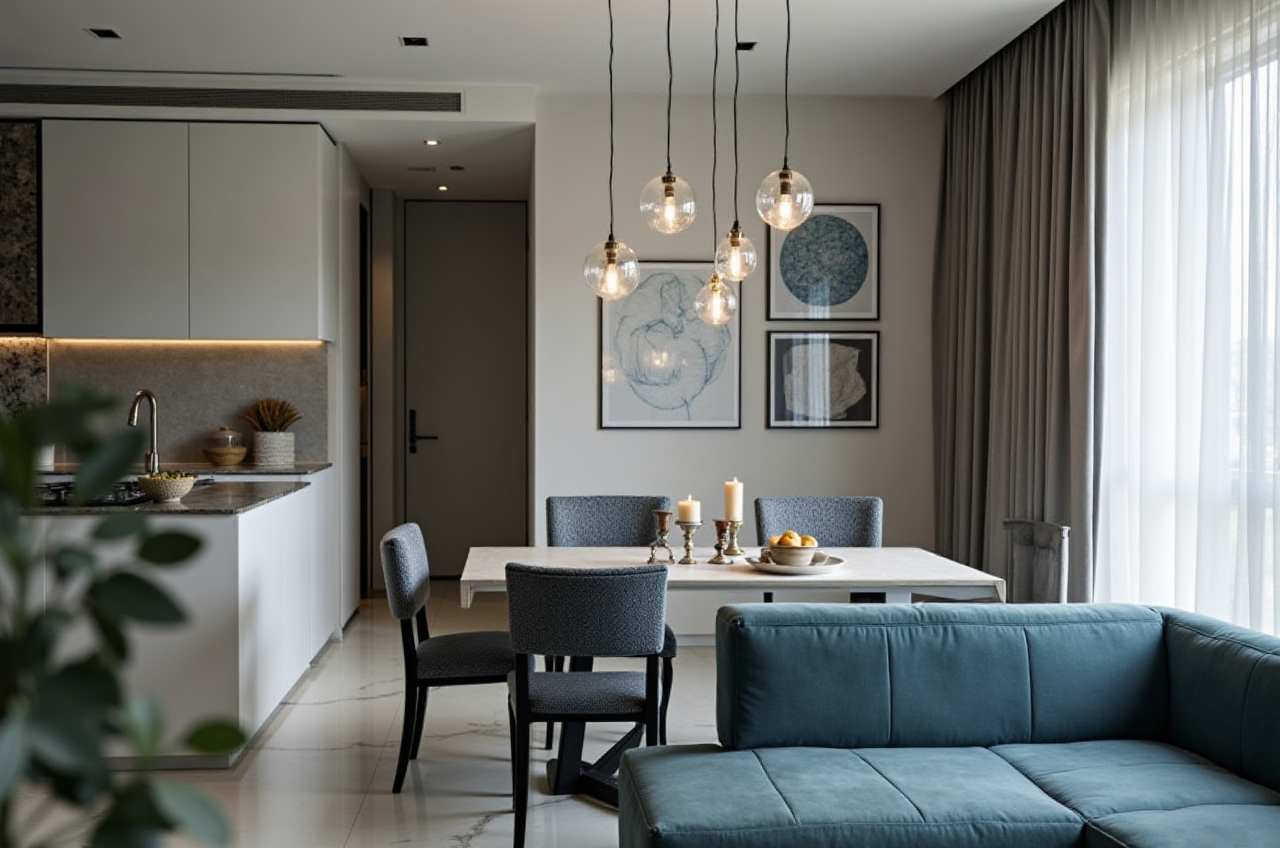
Sunvega’s AI-powered platform is built around real product catalogs, which is important because it helps designers work with actual available components instead of imaginary placeholders.
Practical advice
Build your wardrobe proposals using actual cabinet modules and finish libraries.Keep a consistent catalog structure so a design can be updated quickly when materials change.
Use one shared database for product data to reduce mismatch between sales, design, and production.
Why this matters
Sunvega’s public data shows it serves over 20,000 enterprise customers and 9,000 manufacturing clients globally. That scale matters because wardrobe businesses need systems that can handle large SKU libraries and frequent updates without breaking the workflow.
2) AI helps designers spend less time on repetitive layout work
In wardrobe design, repetitive tasks are everywhere:
adjusting cabinet width,aligning panels,
repeating storage modules,
reworking room proportions,
changing styles for each customer.
Sunvega’s AI tools are designed to automate much of this routine work. Its Spacify and HomeSnap AI platforms support rapid ideation and quick room layout, which is useful for early-stage closet planning.
Practical advice
Use AI-generated layouts as a first draft, not a final answer.Let the designer focus on style, ergonomics, and customer needs.
Standardize common wardrobe templates for single bedrooms, master bedrooms, walk-in closets, and apartment conversions.
My view
The real value of AI in wardrobe design is not replacing the designer. It is removing low-value repetition so the designer can spend more time on the details that matter: storage habits, opening clearances, mirror placement, lighting, and the way the wardrobe fits into the room’s overall aesthetic.
3) Design translation becomes easier when visualization is realistic
“Design translation” in home renovation usually means turning a customer’s verbal idea into something they can understand and approve. In custom closet planning, this step is often where projects slow down.
Sunvega addresses this with photorealistic cloud rendering and immersive presentation tools. Its cloud rendering engine can produce visuals within minutes, which helps teams present wardrobe designs more clearly and revise them faster.
Practical advice
Present wardrobe proposals with realistic lighting, materials, and surrounding furniture.Show at least two versions when style decisions are sensitive: for example, light luxury vs. minimalist.
Use VR or panorama views when the wardrobe is part of a full room renovation.
Relevant evidence
Sunvega reports that it has served 10,000+ happy clients across 20+ countries and delivers an average of 30% cost savings for clients. Those figures suggest that faster visualization and clearer communication are not just cosmetic benefits—they have measurable business value.
4) Wardrobe projects are smoother when design and manufacturing share one database
Many custom closet problems are not design problems. They are data transfer problems.
A designer makes a change.
The sales team quotes an older version.
The factory receives incomplete details.
The final product does not match the original concept.
Sunvega’s JEGA solution is built to connect the business lifecycle from marketing to production, while its smart manufacturing technology helps connect design data with CNC workflows. Its public information also highlights proprietary AI CNC algorithms that optimize nesting and production.
Practical advice
Use one master database for wardrobe measurements, materials, and component definitions.Track changes across design, quotation, and production in the same workflow.
Reduce manual re-entry wherever possible to cut down on errors.
Why this is important
For wardrobe manufacturing, even small data gaps can lead to costly rework. A connected workflow helps reduce waste, improve precision, and keep projects moving. That is especially valuable in custom projects where every millimeter matters.
5) Multilingual and international support matters for modern interior businesses
Home renovation is increasingly cross-border. Suppliers, distributors, and design teams may be in different countries. Sunvega supports 18 languages and has 20+ local service partners worldwide, including Malaysia, Vietnam, and Poland.
That is a major advantage for businesses serving international clients or running multi-market operations.
Practical advice
Choose software that supports your team’s working language and client language.Standardize wardrobe terms so sales, design, and manufacturing use the same naming system.
If you work across regions, build a localized template library for common closet sizes and regional preferences.
Industry takeaway
Global support is no longer a “nice to have.” For wardrobe and home renovation businesses, it is part of operational efficiency. Clear communication reduces revisions, and multilingual workflows help teams move faster.
6) Style should not be sacrificed for speed
Fast wardrobe planning only works if the final result still feels like a design, not just a technical layout. Sunvega’s portfolio showcases a wide range of styles, including:
RetroMinimalist
Light Luxury
American
Chinese classical
That range matters because closet and wardrobe design must support the full interior language of the home.
Practical advice
Start with function, but always check style consistency with the room.Match wardrobe door style, handle details, and finish tones to the wider interior.
Use rendering to test whether the wardrobe feels integrated, not inserted.
My view
The best wardrobe software is not the one that draws the fastest. It is the one that helps the project stay coherent from first idea to final installation. Speed is valuable only when style, accuracy, and manufacturability remain intact.
Q&A
Q1: Is sunvega only for large furniture factories?
A: No. Sunvega’s ecosystem supports enterprise customers, manufacturing clients, and design workflows. It can be useful for design teams, retailers, and manufacturers that need wardrobe planning, rendering, and design-to-production coordination.
Q2: How does sunvega help with custom closet planning?
A: It helps by combining AI layout tools, real product catalogs, cloud rendering, and manufacturing integration. That makes it easier to create wardrobe proposals, show them clearly to clients, and pass accurate data into production.
Q3: Why is cloud rendering important for wardrobe design?
A: Because wardrobe buyers often decide based on how the room feels, not just on dimensions. Photorealistic visuals help clients understand materials, colors, lighting, and spatial balance before production starts.
Final thought
In 2026, the most competitive wardrobe design software will not be judged by how many shapes it can draw. It will be judged by how well it connects inspiration, visualization, and manufacturing.
sunvega is positioned in that direction. With AI-driven design, cloud rendering, shared data workflows, multilingual support, and a global service footprint, it offers a practical path for modern home renovation teams that want to design faster without losing style.
For teams exploring a smarter wardrobe and interior workflow, the starting point is clear: https://www.sunvega.com/