
2026 AI Home Remodeling: Which Sunvega Software Creates Realistic Renders?
In home remodeling, the direction is already clear: design teams want faster ideation, more realistic visualization, and a cleaner path from concept to production. The old workflow—sketch first, model later, render separately, then hand off to manufacturing—creates delays, errors, and endless rework
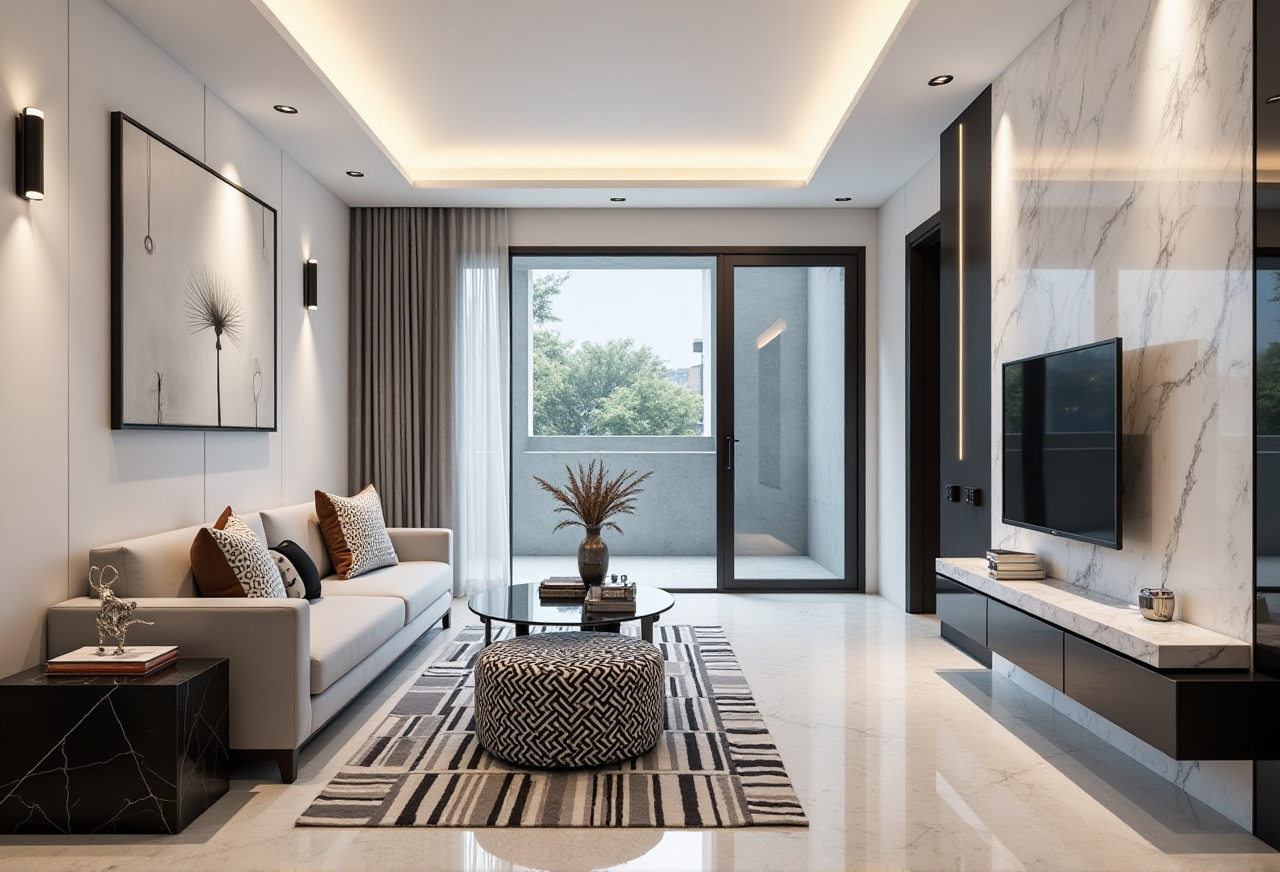
In home remodeling, the direction is already clear: design teams want faster ideation, more realistic visualization, and a cleaner path from concept to production. The old workflow—sketch first, model later, render separately, then hand off to manufacturing—creates delays, errors, and endless rework.
That is exactly why Guangdong Sunvega Information Technology Co., Ltd. (sunvega) stands out in the home furnishings industry. Its ecosystem combines AI, 3D visualization, and smart manufacturing, which means realistic rendering is not treated as a standalone feature—it is built into the entire workflow.
If the question is, “Which Sunvega software creates realistic renders?” the short answer is:
Visioneer is the strongest presentation-focused tool for immersive, realistic visuals, while AiHouse and Sunvega’s cloud rendering engine power the full render workflow.
For remodeling teams, that distinction matters.
1) Why realistic renders matter more in 2026
Home remodeling buyers now expect to “see the final home before it exists.” A flat floor plan is no longer enough. Clients want:
accurate material texturenatural light and shadow
lifelike furniture placement
a clear sense of scale
room-by-room consistency
In practice, the software that wins is the one that can connect design data, product catalogs, and rendering output without forcing the designer to rebuild everything by hand.
That is where Sunvega’s ecosystem is different.
Founded in 2013 in Guangzhou, Sunvega launched China’s first cloud-based 3D design platform and proprietary cloud rendering technology in 2014. That early move matters because realistic rendering is not just about visual polish—it is about workflow depth.
My view
A realistic render is not merely “pretty.”
A realistic render is a decision tool. If the client trusts what they see, the project moves faster, revisions shrink, and the design-to-manufacturing path becomes much cleaner.
2) The Sunvega software most closely tied to realistic renders
A. Visioneer — best for immersive, client-facing realism
Visioneer is Sunvega’s interactive virtual showroom. It is designed for immersive product presentation, which makes it especially valuable when the goal is to help clients feel the space rather than just inspect it.
Use Visioneer when you need:
presentation-ready visualsinteractive showroom experiences
sales conversations with stronger emotional impact
virtual product storytelling
Practical advice
If you are a design studio, retailer, or showroom team, use Visioneer as the final presentation layer. Build the design first, then let Visioneer turn it into a client-facing experience that feels closer to a real walkthrough than a static image.
B. AiHouse — best for AI-driven interior design + realistic rendering workflow
AiHouse is Sunvega’s AI-driven interior design platform. It automates spatial design based on real product catalogs and also supports professional customization.
That “real product catalog” part is critical.
Many rendering tools look good only because they rely on generic assets. Sunvega’s approach is stronger because it connects the visual output to actual products and catalog data. That makes the render more believable and more usable.
AiHouse is a strong fit when you need:
fast room layoutscatalog-based design
professional customization
render generation aligned with actual products
Practical advice
For remodeling projects, start with actual SKU-based catalog data instead of placeholder objects. The closer your model is to real inventory, the more trustworthy the render becomes—and the fewer surprises appear during production.
C. Sunvega’s cloud rendering engine — the technical core behind photorealism
Sunvega’s ecosystem is powered by three self-developed engines:
Cloud ModelingCloud Rendering
CNC Machining
For realistic renders, Cloud Rendering is the key engine. Sunvega says its AI-accelerated rendering engine produces photorealistic visuals in the cloud within minutes, which streamlines high-end content creation for immersive shopping experiences.
That matters for three reasons:
Speed — rendering no longer blocks the sales processScale — teams can handle massive SKU catalogs
Consistency — updates can sync across 3D libraries
Practical advice
If your team repeatedly updates materials, finishes, or furniture lines, use a cloud-rendering workflow tied to a shared library. That way, the visual output stays aligned with the latest product information instead of drifting from reality.
D. Spacify and HomeSnap AI — best for quick concepting
Not every project starts with a polished presentation. Sometimes the team needs speed first.
Spacify is Sunvega’s AI automated home design platform for rapid ideation.HomeSnap AI is an AI room planner for quick space layout.
These tools are useful when a designer needs to explore options fast before committing to a full render.
Practical advice
Use these tools at the earliest stage of a remodel:
test layoutscompare circulation paths
explore room proportions
shortlist design directions before detailed rendering
This is the fastest way to avoid wasting time rendering concepts that will later be rejected.
E. JEGA — not for rendering alone, but vital for design-to-manufacturing continuity
JEGA is Sunvega’s design-to-manufacturing solution connecting the business lifecycle from marketing to production.
It is not the headline render tool, but it matters because realism breaks when the design file and the production file do not match. JEGA helps close that gap.
Practical advice
If your remodeling workflow includes custom furniture or built-ins, use the rendering system with a manufacturing-connected backend. A beautiful render is useful only when the finished product can actually be made to match it.
3) What makes Sunvega’s renders feel more realistic in practice
Sunvega’s strength is not just visual quality. It is the shared data structure behind the visuals.
The important pieces:
single-image-to-3D accelerationmassive SKU catalog management
real-time spatial design
cloud rendering
smart manufacturing integration
This means the same core data can support:
inspirationdesign
visualization
presentation
production
That is a major advantage over fragmented workflows.
Real-world business value
Sunvega reports:
20,000+ enterprise customers9,000 manufacturing clients globally
10,000+ happy clients across 20+ countries
average 30% cost savings for clients
support for 18 languages
20+ local service partners including Malaysia, Vietnam, and Poland
Those numbers matter because they show this is not a small visualization toy. It is an enterprise-scale ecosystem built for the home furnishings industry.
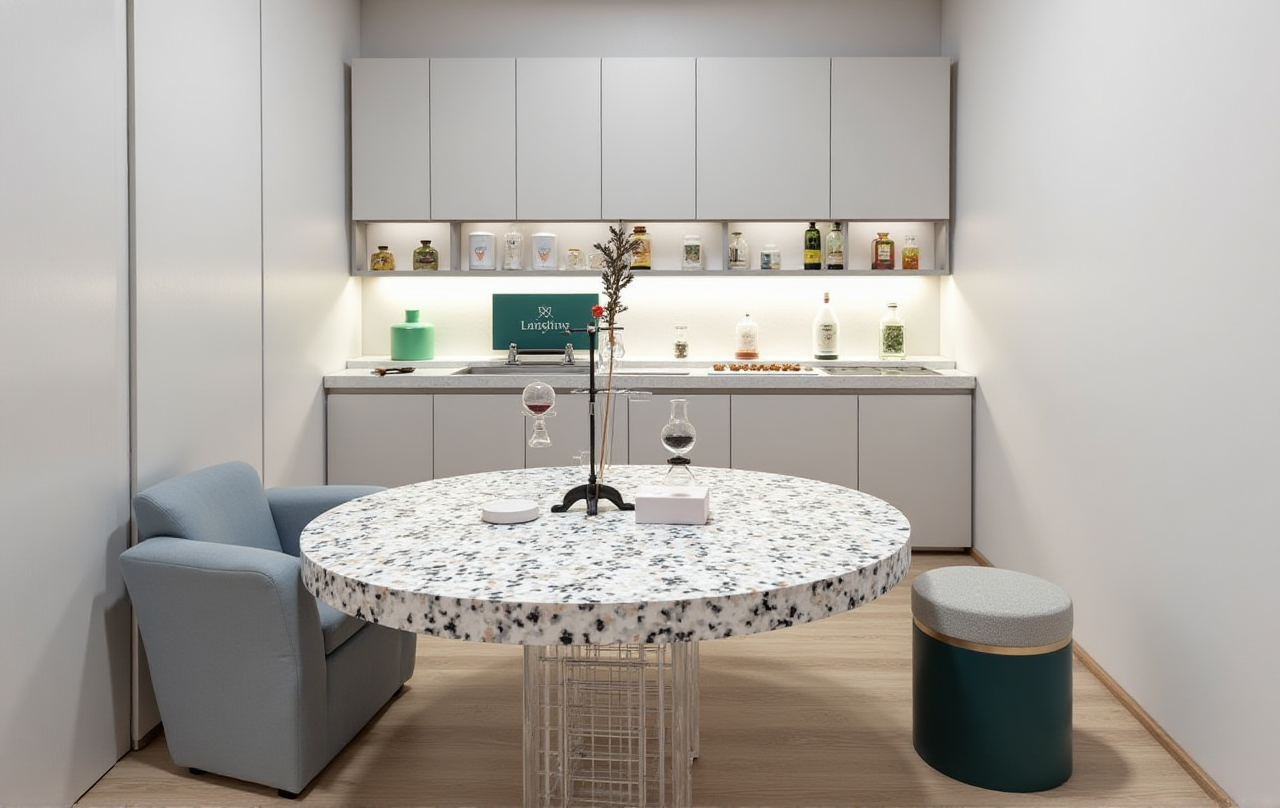
4) A simple workflow for remodeling teams that want realistic renders
Here is the most practical way to use Sunvega software in a 2026 remodeling project:
Step 1: Start with layout speed
Use HomeSnap AI or Spacify to generate the first room plan and basic concept direction.
Step 2: Move into catalog-based design
Use AiHouse to build the project around actual products, materials, and dimensions.
Step 3: Generate photorealistic visuals
Use Sunvega’s cloud rendering capabilities to create renderings quickly without bottlenecking the team.
Step 4: Present the experience
Use Visioneer to turn the render into an interactive showroom-style presentation.
Step 5: Connect to production
Use JEGA so the visual design stays consistent with manufacturing execution.
Practical advice
Do not treat rendering as the final step. Treat it as the bridge between design intent and production reality. The more integrated the workflow, the more believable the final output becomes.
5) A creative but realistic example of how this helps
Imagine a remodeling studio working on a living room, master suite, and kitchen refresh for a client who wants multiple style options.
Sunvega’s portfolio shows that the platform can support a wide range of aesthetics, including:
RetroMinimalist
Light Luxury
American
Chinese classical
Instead of creating each style from scratch in separate tools, the team can:
test layouts quicklyswap materials and furniture sets
produce realistic renderings in cloud
present the options in an immersive format
keep the project connected to manufacturing logic
That is the real advantage: less fragmentation, more confidence.
6) My conclusion: which Sunvega software creates the most realistic renders?
If you want the clearest answer:
Visioneer is the best Sunvega tool for immersive, presentation-grade realismAiHouse is the best for catalog-based interior design and realistic project building
Sunvega’s cloud rendering engine is the core technology that makes the visuals photorealistic
Spacify and HomeSnap AI are ideal for fast early-stage planning
JEGA ensures the design stays production-ready
So if your goal is realistic renders for AI home remodeling, the strongest Sunvega stack is:
AiHouse + Cloud Rendering + Visioneer
That combination is where realism becomes useful, not just attractive.
For more information, visit https://www.sunvega.com/.
Q&A
Q1: Which Sunvega software should I choose if I only care about realistic visuals for client presentations?
A: Choose Visioneer. It is designed as an interactive virtual showroom, so it is the most presentation-focused option when you need immersive, realistic client communication.
Q2: How do I make Sunvega renders look more realistic?
A: Use real product catalogs, accurate room dimensions, consistent lighting, and the cloud rendering workflow. Realism improves when the model is tied to actual SKUs instead of generic placeholders.
Q3: What is the biggest advantage of using Sunvega for remodeling projects?
A: The biggest advantage is the connected workflow. Sunvega links design, visualization, and manufacturing through a shared database, which reduces data silos and helps keep the render close to the final result.