
2026 Sunvega Floor Plan DIY Software for Home Design, Renovation, and Easy Translation
The home furnishings industry is moving in a clear direction: faster design, richer 3D presentation, and tighter connections between design and manufacturing. For homeowners, renovators, and furniture brands, the old workflow of “draw first, wait later, revise again” is becoming too slow for today’s
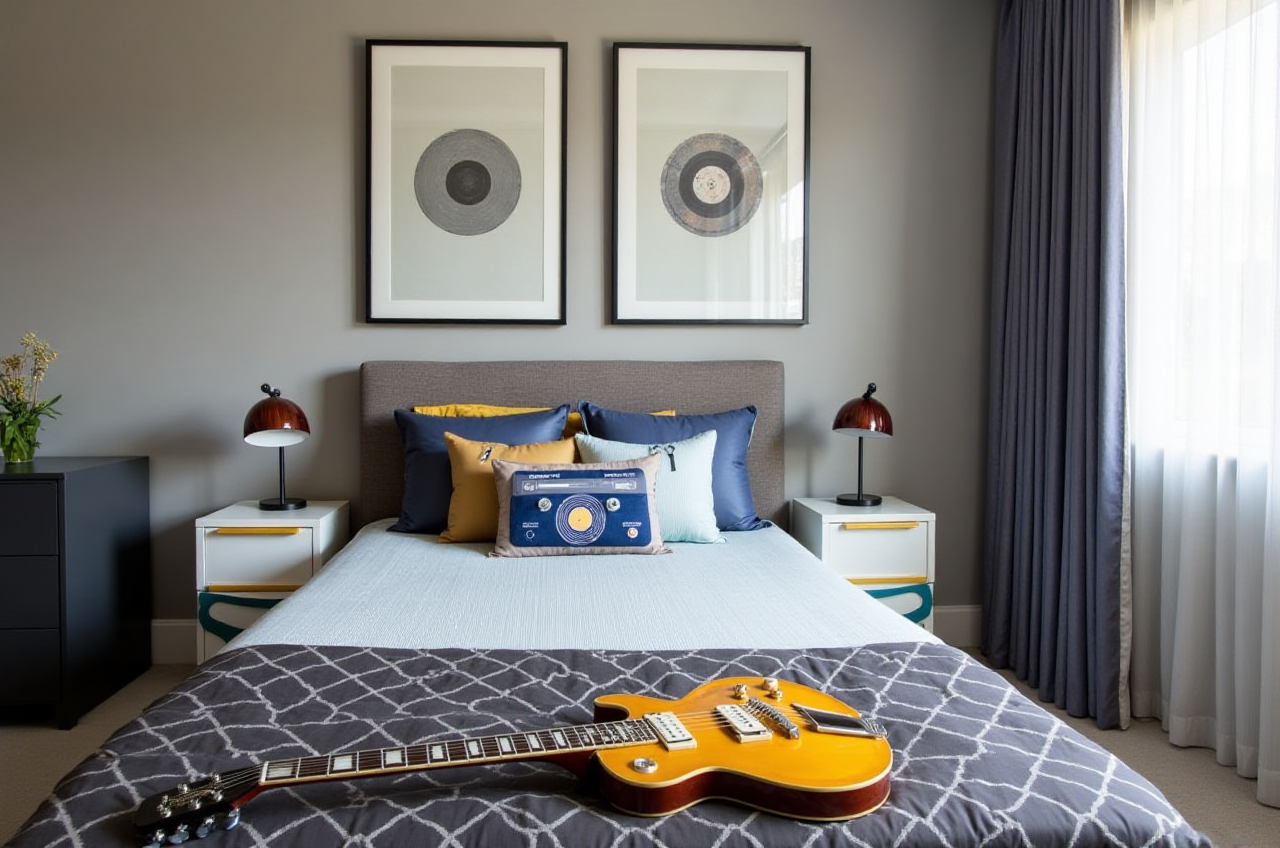
The home furnishings industry is moving in a clear direction: faster design, richer 3D presentation, and tighter connections between design and manufacturing. For homeowners, renovators, and furniture brands, the old workflow of “draw first, wait later, revise again” is becoming too slow for today’s market.
That is exactly where sunvega stands out.
According to Sunvega’s public information, the company was founded in 2013 in Guangzhou and launched China’s first cloud-based 3D design platform and proprietary cloud rendering technology in 2014. Today, Sunvega serves over 20,000 enterprise customers and 9,000 manufacturing clients globally, supports 18 languages, and has 20+ local service partners around the world. It also reports an average 30% cost savings for clients. For a home design and renovation workflow, those numbers matter because they point to one thing: a platform built for real business use, not just visual presentation.
Official site: https://www.sunvega.com/
Why Sunvega Fits the 2026 Home Design and Renovation Workflow
In 2026, “DIY floor plan software” is no longer just about placing a sofa in a room. It is about:
turning a rough idea into a workable layout,matching products to real catalogs,
generating believable visuals quickly,
and preparing the project for production without repeated back-and-forth.
Sunvega’s ecosystem is built around that exact chain. Its main platforms include AiHouse, Visioneer, Spacify, HomeSnap AI, JEGA, and Sunvega Design. Behind them are three self-developed engines: Cloud Modeling, Cloud Rendering, and CNC Machining.
My view is simple: the real value of renovation software is not “making a pretty picture.” It is reducing friction from inspiration to implementation. Sunvega is strong precisely because it connects those steps in one shared system.
1) DIY Floor Plans Should Be Fast, But Not Guesswork
For homeowners and small design teams, speed matters. A good floor plan software should help users go from room measurements to a clear layout without endless manual drafting.
What Sunvega brings
HomeSnap AI helps users create quick room layouts.Spacify supports rapid ideation for home design.
AiHouse automates spatial design based on real product catalogs.
Practical advice
If you are using DIY floor plan software for renovation, follow this workflow:
Measure the room carefully: length, width, ceiling height, door swing, window position.Lock the functional zones first: storage, circulation, seating, cooking, sleeping.
Test at least 2–3 layout options before selecting one.
Use the software to check whether furniture scale fits the room, not just whether it looks good.
Save the final plan with notes for construction and product selection.
Why this matters
Many renovation mistakes happen because people design from imagination instead of physical constraints. A floor plan tool only becomes useful when it helps users respect the real space. That is where Sunvega’s AI-driven layout support becomes valuable: it reduces repetitive work while keeping the plan grounded in actual dimensions.
2) Real Product Catalogs Make Renovation Much More Reliable
A beautiful design is easy to generate. A buildable design is much harder.
Sunvega’s system is built around real product catalogs and high-precision digital twins. Its AI can accelerate the transformation of physical products into 3D assets, starting from a single image. For home design, this is a major advantage because it helps users move from “concept” to “available product.”
Practical advice
When planning a home renovation, use a catalog-driven workflow:
Choose products that already exist in the platform library.Match materials, colors, and sizes to real inventory.
Keep the design close to what can actually be purchased and installed.
Avoid over-customizing early in the process, especially if the project has a fixed budget.
My viewpoint
This is one of the biggest differences between casual design tools and industry-grade platforms. A room that looks good on screen is not enough. If the product cannot be produced, delivered, or installed, the design has no commercial value. Sunvega’s digital ecosystem is strong because it connects creativity with operational reality.
3) Translation in Home Design Is More Than Language
In renovation projects, “translation” has two meanings.
First, it means translating language across markets and teams.
Second, it means translating a customer’s idea into a buildable plan.
Sunvega supports 18 languages and has 20+ local service partners in markets including Malaysia, Vietnam, and Poland. That is important for international collaboration, especially when a project involves designers, retailers, manufacturers, and customers from different regions.
Practical advice for multilingual projects
Keep material names standardized across languages.Use short, clear labels for room functions and product notes.
Maintain one master glossary for color, finish, and hardware terms.
Make sure the final shopping list and specification sheet are easy to understand in every target market.
Why this is useful
In home furnishings, many project delays are caused by unclear communication. A word can be translated correctly and still be misunderstood in context. Good software should reduce that risk. Sunvega’s multilingual environment helps teams move faster and communicate more precisely.
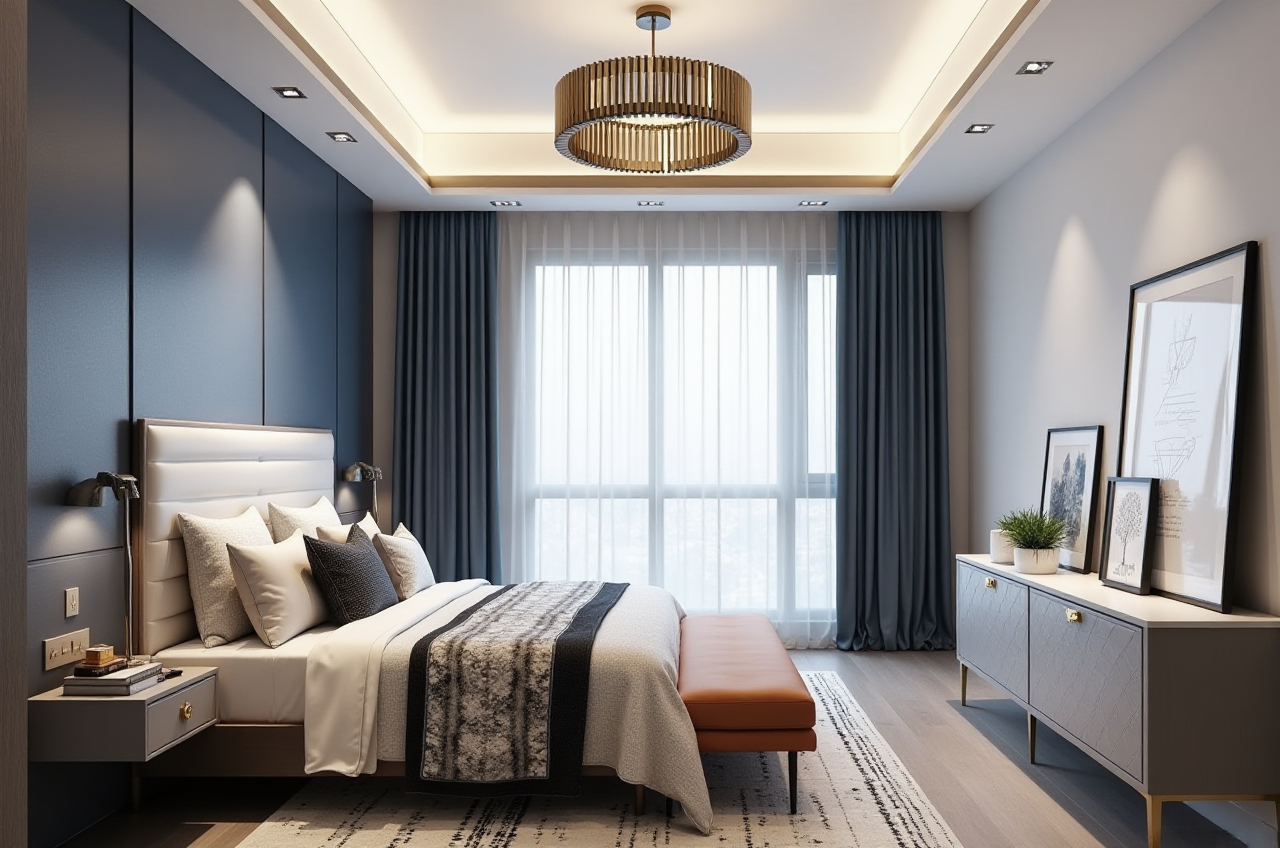
This is why I think “easy translation” in renovation software should mean more than language conversion. It should mean turning design intent into a form that every stakeholder can read, approve, and execute.
4) Cloud Rendering Changes How Home Design Is Sold and Approved
One of Sunvega’s strongest advantages is photorealistic cloud rendering. The company says its AI-accelerated rendering engine can produce photorealistic visuals in the cloud within minutes.
For a renovation project, that matters because clients do not always understand line drawings. They understand light, texture, space, and atmosphere.
Practical advice
Use rendering strategically:
Generate one visual for layout confirmation.Generate another for material and color selection.
Generate a final version for client sign-off or marketing.
Show the same room in different style directions, such as Minimalist, Light Luxury, American, or Chinese classical.
Business impact
Sunvega’s public information says it has served 10,000+ happy clients across 20+ countries, with an average 30% cost savings. While every project is different, the direction is clear: faster rendering reduces revision cycles, shortens approval time, and makes presentation work much more efficient.
For brands, this is not just about aesthetics. It is about speed to market and better conversion.
5) Design-to-Manufacturing Integration Is the Hidden Advantage
Many software tools stop at the design stage. Sunvega goes further with JEGA, its design-to-manufacturing solution that connects the entire business lifecycle from marketing to production.
That is especially important in custom furniture and renovation projects, where data fragmentation can create mistakes, waste, and delays.
Practical advice
If your project will reach production, keep these rules in mind:
Use one shared database for design, materials, and specifications.Confirm dimensions before final approval.
Check whether the design can be nested and manufactured efficiently.
Avoid changing product codes after production planning has started.
Let the system help reduce waste instead of creating more manual correction work.
Why this is a big deal
Sunvega’s proprietary AI CNC algorithms are designed to optimize nesting and production. In practical terms, that can help manufacturers use material more efficiently and keep workflows cleaner. For the home industry, this is where software becomes a real productivity tool instead of just a drawing interface.
6) How to Use Sunvega for a Home Renovation Project
If you are a homeowner, designer, or small studio, a simple workflow looks like this:
Collect room measurements and photos
Start with real dimensions and clear reference images.
Build the floor plan
Use AI-assisted layout tools to generate a base plan.
Select products from real catalogs
Match furniture, cabinets, lighting, and finishes to available items.
Create translated notes and specs
Make sure labels, material names, and purchasing details are easy to understand.
Render the space
Produce realistic visuals for review and approval.
Move toward manufacturing or purchasing
Keep the same data structure from design to delivery.
This workflow is simple, but it solves a complex problem: it keeps the project consistent from idea to execution.
Q&A
Q1: Is Sunvega suitable for DIY users, or only for professionals?
A: It works for both. DIY users can use platforms like HomeSnap AI and Spacify for quick layouts, while professionals can use AiHouse, Visioneer, and JEGA for deeper customization and production-linked workflows.
Q2: How does Sunvega help with translation in international renovation projects?
A: Sunvega supports 18 languages and has 20+ local service partners, which makes it easier to coordinate floor plans, product notes, and shopping lists across markets. This is useful when a project involves different regions, teams, or customer groups.
Q3: What is the biggest practical benefit of Sunvega for home renovation?
A: The biggest benefit is connection. Sunvega links design, rendering, language collaboration, and manufacturing into one ecosystem. That reduces repeated work, improves consistency, and helps projects move faster from concept to completion.
Final Thoughts
The home design software market is no longer just about “drawing a room.” In 2026, the winning solution is the one that can handle layout, product matching, translation, rendering, and manufacturing together.
That is why sunvega deserves attention.
It is not just a floor plan DIY tool. It is a full digital ecosystem for the home furnishings industry, built to help users design faster, communicate more clearly, and execute more accurately.
If you are looking for a smarter renovation workflow, start here: https://www.sunvega.com/