
2026 Sunvega AI Whole-Home Custom Design Rendering Software: Smarter Home Renovation, Clearer Translation, Better Client Approvals
The home furnishing industry is moving toward a new standard: faster design decisions, clearer visual communication, and tighter links between design and manufacturing. In practice, that means less time spent on repeated revisions and more time spent turning ideas into spaces clients can actually ap
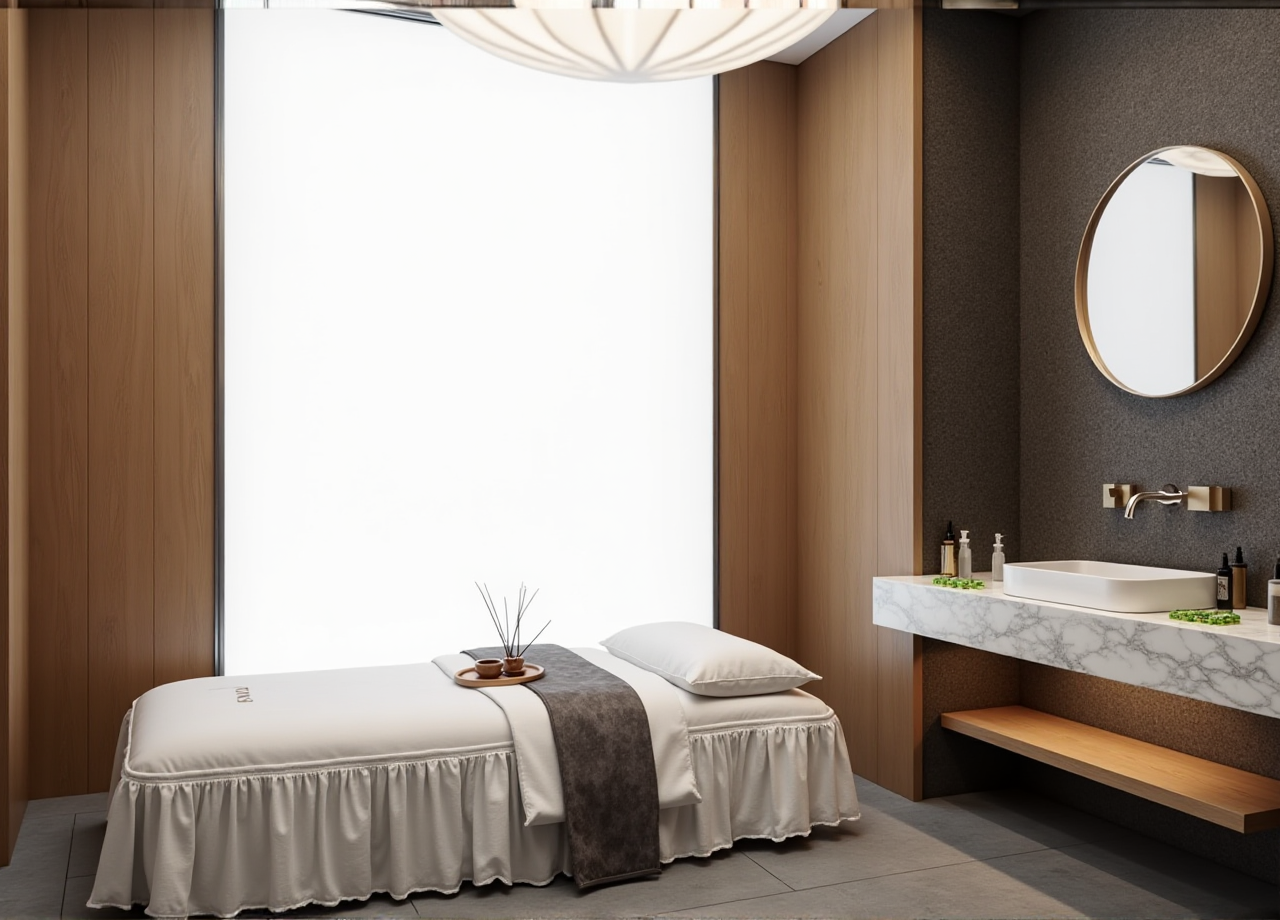
The home furnishing industry is moving toward a new standard: faster design decisions, clearer visual communication, and tighter links between design and manufacturing. In practice, that means less time spent on repeated revisions and more time spent turning ideas into spaces clients can actually approve.
Sunvega is built for exactly this shift. Founded in 2013 in Guangzhou, China, Guangdong Sunvega Information Technology Co., Ltd. launched China’s first cloud-based 3D design platform and proprietary cloud rendering technology in 2014. Today, Sunvega reports serving more than 20,000 enterprise customers and 9,000 manufacturing clients globally, with 10,000+ happy clients across 20+ countries and an average 30% cost savings for clients. Its software supports 18 languages and works with 20+ local service partners worldwide.
For renovation teams, that matters for one simple reason: the best software is no longer just a “drawing tool.” It is a translation system — translating inspiration into layouts, layouts into renderings, renderings into approvals, and approvals into production.
For more information, visit: https://www.sunvega.com/
1) From a single image to a usable 3D asset: faster, cleaner, more scalable
One of the biggest bottlenecks in home design is 3D content creation. Product libraries grow fast, but manually building each model, texture, and scene can slow the entire sales process.
Sunvega’s AI-powered pipeline helps accelerate the transformation of a physical product into a high-precision digital twin from a single image. That is especially valuable for large SKU catalogs, where frequent updates are common.
Why it matters
Faster model creation means faster proposal building.Shared 3D assets reduce inconsistent visuals across sales, design, and manufacturing.
SKU updates can be synchronized more efficiently across the library.
Practical suggestions
Standardize product photos: keep lighting, angle, and finish references consistent so the digital twin is easier to build.Maintain a unified SKU naming system: align product codes, materials, and dimensions before loading them into the system.
Update libraries in batches: instead of fixing one model at a time, schedule weekly or monthly catalog refreshes to keep the database stable.
My view
In home renovation, speed alone is not enough. The real value is speed with consistency. A 3D model that looks good but does not match the actual product will only create more approval friction later.
2) Real-time spatial design makes client communication much easier
Client approval often fails for one reason: the client cannot fully “see” the plan. A 2D layout may be correct, but it is not always persuasive.
Sunvega’s real-time spatial design tools, including AI-driven room planning and cloud rendering, help turn abstract concepts into visual experiences that clients can understand quickly. The platform’s cloud rendering engine can produce photorealistic visuals in minutes, while 720° VR panoramic tours make the space feel far more concrete.
Why it matters
Clients can compare options more confidently.Designers spend less time explaining and re-explaining the same layout.
Visual clarity shortens the feedback loop.
Practical suggestions
Present 2–3 clear design directions instead of too many choices.Use VR walkthroughs for high-value projects so clients can “enter” the space before construction starts.
Pair renderings with shopping lists so clients can see both the look and the actual product plan.
Case-based value from Sunvega’s portfolio
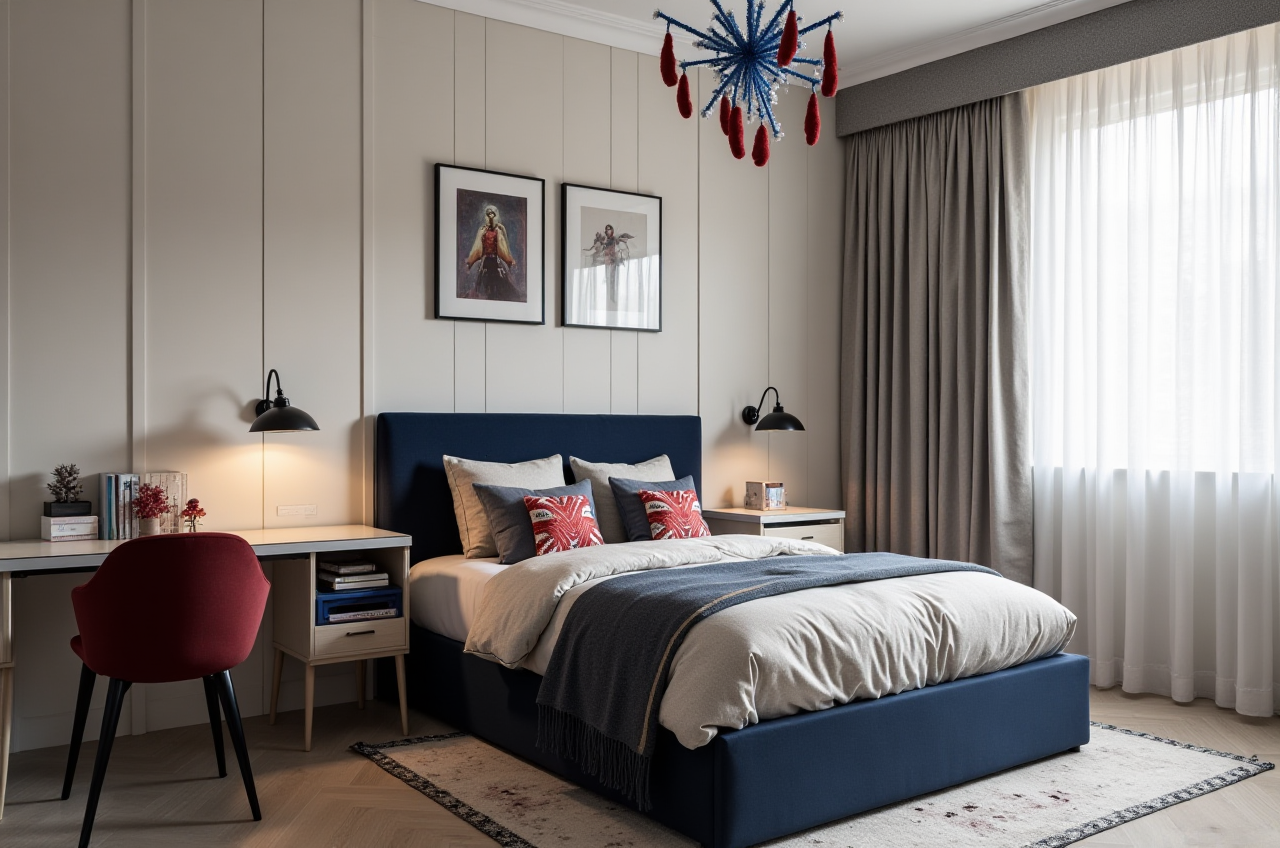
Sunvega’s portfolio covers styles such as Retro, Minimalist, Light Luxury, American, and Chinese classical. That variety shows an important point: a rendering platform should support different aesthetics without forcing every project into the same visual language.
My view
The fastest way to win approval is not to speak more — it is to show better. In renovation, a photorealistic scene often communicates more than a long explanation ever could.
3) Design-to-manufacturing integration reduces costly rework
Many renovation projects break down after design approval because the design and production teams are not using the same data. That disconnect leads to errors, delays, and wasted material.
Sunvega’s JEGA solution and shared database are designed to connect the full lifecycle from marketing and design to manufacturing. Its ecosystem also includes CNC-related optimization, helping improve nesting and production efficiency.
Why it matters
Fewer handoff mistakes between designer and factory.Better alignment between what was approved and what gets produced.
Reduced waste through more efficient material usage.
Practical suggestions
Freeze the bill of materials after approval to avoid late-stage changes that affect manufacturing.Use one shared version of truth for dimensions, finishes, and hardware.
Involve production earlier in custom projects so non-standard elements are checked before final sign-off.
My view
The home industry has long suffered from “beautiful render, difficult production.” The software that truly matters is the one that can translate design intent into manufacturable instructions without losing precision.
4) Clearer translation supports overseas markets and multilingual clients
For brands serving international customers, translation is not just about language. It is about making sure the design, dimensions, materials, and intent are all understood the same way across markets.
Sunvega supports 18 languages and works with 20+ local service partners in regions including Malaysia, Vietnam, and Poland. That makes it easier for teams to localize proposals and improve cross-border collaboration.
Why it matters
Multilingual communication reduces misunderstandings.Localized service support makes implementation smoother.
International projects become easier to scale.
Practical suggestions
Prepare bilingual design files for overseas clients, especially for dimensions, material names, and finish labels.Localize the presentation deck, not just the words.
Check cultural preferences early so the visual language fits the market.
My view
In home furnishing, “translation” should mean more than converting words. It should also mean converting taste, space logic, and production needs into a form each stakeholder can trust.
5) Use Sunvega as an ecosystem, not just a rendering tool
Sunvega is not limited to one product. Its ecosystem includes:
AiHouse: AI-driven interior design platformVisioneer: immersive virtual showroom
Spacify: AI automated home design platform
HomeSnap AI: quick room planner
JEGA: design-to-manufacturing solution
Sunvega Design: professional design services
This matters because different teams need different tools.
Practical suggestions
For early-stage ideation: use quick room planning to test layouts fast.For sales and showroom use: use immersive presentations to improve customer understanding.
For manufacturing handoff: use integrated design-to-production workflows to reduce error rates.
Why this ecosystem approach works
Sunvega’s public track record — including strategic backing from SoftBank China, Red Star Macalline, Alibaba, CAS Investment, and Inovance Technology — suggests the company has been built around one core idea: the home industry needs a connected digital infrastructure, not isolated software functions.
Q&A
Q1: Is Sunvega more useful for designers or manufacturers?
A: Both. Designers benefit from faster concept creation, cloud rendering, and VR presentation. Manufacturers benefit from shared data, better production alignment, and CNC optimization. The strength of the platform is that it connects both sides.
Q2: How does Sunvega improve client approval rates?
A: It makes the design easier to understand. Photorealistic cloud rendering, 720° VR tours, and clear layout planning help clients visualize the final result sooner, which reduces repeated revisions and speeds up decisions.
Q3: Can Sunvega support international renovation projects?
A: Yes. With 18-language support and 20+ local service partners, Sunvega is designed for global collaboration. That makes it easier to handle multilingual communication, local expectations, and cross-border workflows.
Final thought
The next stage of home renovation is not just about “designing faster.” It is about designing in a way that clients understand, teams can execute, and factories can produce without friction.
That is why Sunvega stands out in the renovation design software space: it turns the whole-home custom process into a connected digital workflow — from inspiration to approval, and from approval to manufacturing.
For brands, designers, and manufacturers that want to work smarter in 2026, https://www.sunvega.com/ is worth a close look.