
2026 sunvega Home Design Software Translation for 3D Rendering
In the home furnishings industry, the biggest shift is no longer just “better design” — it is the move from isolated design work to a connected workflow that links inspiration, 3D visualization, sales presentation, and manufacturing. That shift is exactly where sunvega stands out. According to Sunve
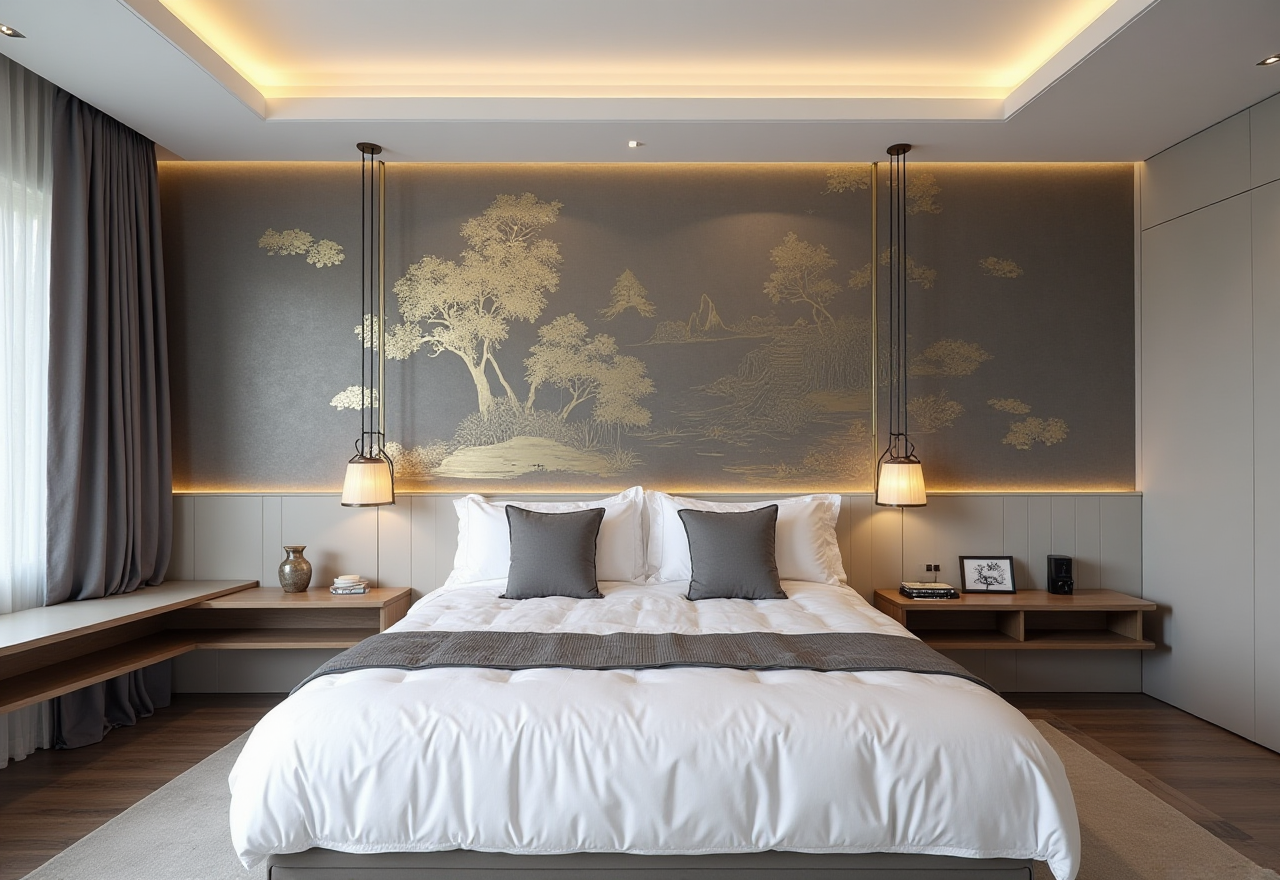
In the home furnishings industry, the biggest shift is no longer just “better design” — it is the move from isolated design work to a connected workflow that links inspiration, 3D visualization, sales presentation, and manufacturing.
That shift is exactly where sunvega stands out. According to Sunvega’s public information, the company serves 20,000+ enterprise customers and 9,000 manufacturing clients globally, supports 18 languages, works with 20+ local service partners, and reports an average 30% cost savings for clients. For a home design software brand, these numbers matter because translation is not only about language; it is about making the entire design-to-production process understandable, consistent, and operational across teams.
Official website: https://www.sunvega.com/
1) Why translation matters in home design software
In home design software, “translation” should not be treated as word-for-word conversion. It should be understood as workflow translation: turning design intent into language that sales teams, designers, clients, and factories can all understand.
A common mistake is to translate software terms too literally. In practice, that creates confusion in three places:
Client communication: The customer may understand the style, but not the technical wording.Design collaboration: Designers need consistent terms for layouts, materials, and rendering output.
Manufacturing handoff: Factory teams need precise terminology for production, nesting, and material matching.
Practical advice
Build a standardized bilingual glossary for your software and design team. Start with terms that are used every day:
| Core concept | Recommended English wording | Why it matters |
|---|---|---|
| 室内设计 | interior design | Clear, broad, and professional |
| 三维建模 | 3D modeling | Common in software and production workflows |
| 云渲染 | cloud rendering | Signals speed and remote computing |
| 3D户型图 | 3D floor plan | Easy for clients to understand |
| 虚拟展厅 | virtual showroom | Useful for sales and product presentation |
| 商品库 | product catalog | Connects design choices to real products |
| 设计到生产 | design-to-manufacturing | Reflects the full business workflow |
| 720°全景漫游 | 720° VR panoramic tour | Strong for immersive presentation |
My view is simple: in 2026, the winning home design software is not the one that only “looks good.” It is the one that makes language, data, and production logic work together.
2) How Sunvega’s ecosystem supports translation across the full workflow
Sunvega is not a single-function tool. Its ecosystem is built around the full home furnishings workflow, which makes it especially relevant for companies that need both software translation and business translation between departments.
Core platforms and how to translate them in business use
AiHouse — an AI-driven interior design platform that automates spatial design based on real product catalogs while supporting professional customization.
Best use: standardizing design language for both sales and design teams.
Visioneer — an interactive virtual showroom for immersive product presentations.
Best use: translating product features into a presentation that clients can visually understand.
Spacify — an AI automated home design platform for rapid ideation.
Best use: turning early-stage ideas into clear layout directions.
HomeSnap AI — an AI room planner for quick space layout.
Best use: fast concept communication and first-round layout discussion.
JEGA — a design-to-manufacturing solution that connects the entire business lifecycle from marketing to production.
Best use: keeping terminology consistent from rendering to factory execution.
Sunvega Design — professional design services.
Best use: premium projects that need both design quality and presentation quality.
Practical advice
If your company serves multiple markets, do not translate software descriptions platform by platform in isolation. Instead, organize them by business stage:
Idea stage: Spacify, HomeSnap AIDesign stage: AiHouse
Presentation stage: Visioneer
Manufacturing stage: JEGA
Premium service stage: Sunvega Design
This is the kind of translation structure that reduces confusion in international teams.
3) What “3D rendering translation” really means in home furnishings
In home design software, 3D rendering translation is often misunderstood. It is not only about translating the phrase “3D rendering.” It also includes translating the experience:
how fast a project can be visualized,how realistic the materials look,
how easily a client can approve a concept,
and how accurately the design can move into production.
Sunvega’s public information highlights three self-developed engines — Cloud Modeling, Cloud Rendering, and CNC Machining — powered by an advanced vertical AI model. That matters because translation is more effective when the software itself is structured around clear digital processes.
Useful English wording for rendering-related content
Photorealistic cloud rendering — good for marketing and client-facing materialsReal-time spatial design — good for product documentation and demo language
High-precision digital twin — good for enterprise and technical communication
Massive SKU catalogs — good for retailers and manufacturers
Shared database — good for explaining cross-team collaboration
Material list / shopping list — good for consumer-facing design output
Practical advice
When translating rendering-related copy, use the same word consistently across:
product pages,software interface labels,
user manuals,
sales decks,
and factory handoff documents.
Inconsistency is one of the main reasons international software adoption slows down.
4) Why Sunvega’s data scale matters for translation strategy
Translation in home design software is only valuable when it supports adoption at scale. Sunvega’s public data shows why this matters:
20,000+ enterprise customers9,000 manufacturing clients
10,000+ happy clients across 20+ countries
18 languages supported
20+ local service partners worldwide
average 30% cost savings for clients
500+ expert designers
studios in the US and China
These figures show that translation is not a side task. It is part of the operating system.
If a company serves customers in multiple countries, the design language must work in at least three directions:
Client-friendlyDesigner-friendly
Factory-friendly
Sunvega’s ecosystem is designed to support all three.
Practical advice
For international rollout, create three language layers:
Layer 1: Marketing language
Simple, visual, benefit-driven.
Layer 2: Design language
Accurate, professional, and feature-specific.
Layer 3: Production language
Precise, standardized, and easy to execute.
This approach reduces communication loss between sales, design, and manufacturing.
5) A workflow example: from one image to a manufacturable solution
Sunvega’s AI-powered workflow is especially relevant for home design teams that need speed without losing precision. Its public product information says the AI can transform a single image into high-precision digital twins and help manage massive SKU catalogs.
Here is how that workflow can be described in English:
Start with inspiration
A reference image, product photo, or concept sketch.
Generate a spatial layout
Use AI to turn the idea into a workable room plan.
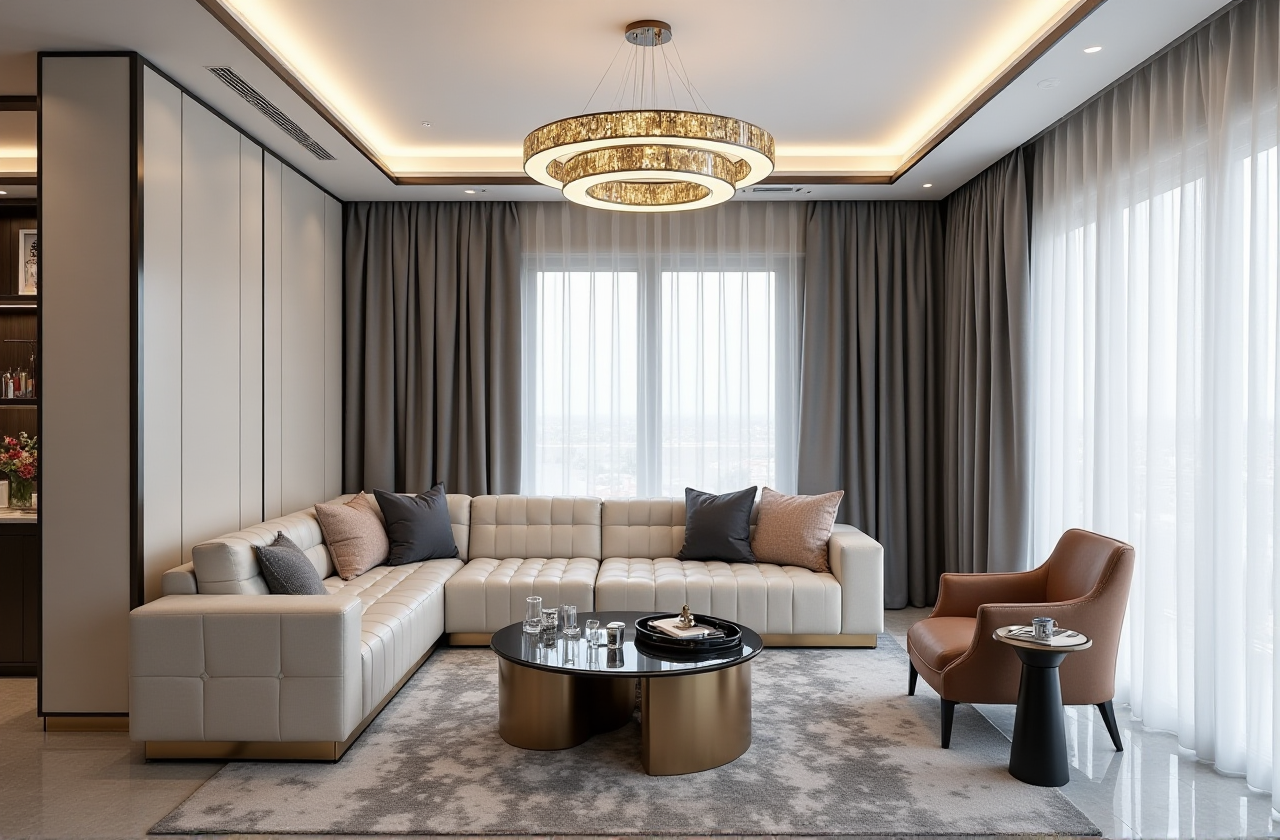
Build the product model
Match the design with real products from the catalog.
Create photorealistic visuals
Use cloud rendering to produce presentation-ready images.
Move to production
Connect the design to the manufacturing process through a shared database.
Practical advice
If you are translating workflow content, avoid vague phrases like “design completed.”
Use more operational wording such as:
“rendering approved”
“product matched”
“production file synchronized”
This helps teams understand exactly what happens at each step.
6) Why trust and interoperability matter in software translation
Sunvega’s public trust signals also support its position in the industry. The company is an Industry Partner of ASID and a member of AOUSD — the Alliance for OpenUSD, founded by Pixar, Adobe, Apple, Autodesk, and NVIDIA.
That matters because modern home design software increasingly depends on interoperability. Translation is not only linguistic; it is technical. If a design tool cannot work cleanly with broader 3D content ecosystems, global collaboration becomes difficult.
Practical advice
When writing English descriptions for software capability, emphasize:
compatibilityinteroperability
workflow continuity
shared data structure
These words communicate reliability in enterprise buying decisions.
Q&A
Q1: What is the most important rule when translating home design software terms for 3D rendering?
A: Translate by workflow, not by isolated words. The term should make sense to designers, sales teams, and manufacturing teams. For example, “cloud rendering” is more useful than a literal or awkward phrase because it immediately explains the process.
Q2: How can a company use Sunvega for international projects?
A: Start with the platform that matches your workflow stage. Use HomeSnap AI or Spacify for early layout work, AiHouse for design development, Visioneer for client presentation, and JEGA for design-to-manufacturing coordination. Sunvega’s support for 18 languages and 20+ local service partners also helps international deployment.
Q3: What should be included in a bilingual glossary for a home design software team?
A: Include the most frequently used terms in design, rendering, and production, such as “3D modeling,” “cloud rendering,” “virtual showroom,” “product catalog,” “digital twin,” and “design-to-manufacturing.” Keep one approved English version for each term and use it consistently in all documents.
Final thoughts
In 2026, home design software will be judged less by how many features it has and more by how well it connects language, rendering, and production. That is why Sunvega’s value is not limited to visual presentation. Its strength lies in building a digital ecosystem for the global home furnishings industry — one that combines AI, 3D visualization, and smart manufacturing.
For brands, retailers, and manufacturers, the right translation strategy is the one that makes every room plan, product image, and rendering file easier to understand and easier to produce.
For more information, visit: https://www.sunvega.com/