
2026 Sunvega AI Home Remodeling Software for Easier Design Translation
In home remodeling, the biggest challenge is no longer “Can we make a pretty rendering?” It is “Can we translate a customer’s idea into a measurable, buildable, and manufacturable plan fast enough to win the project?” That shift is already visible across the industry. Guangdong Sunvega Information T
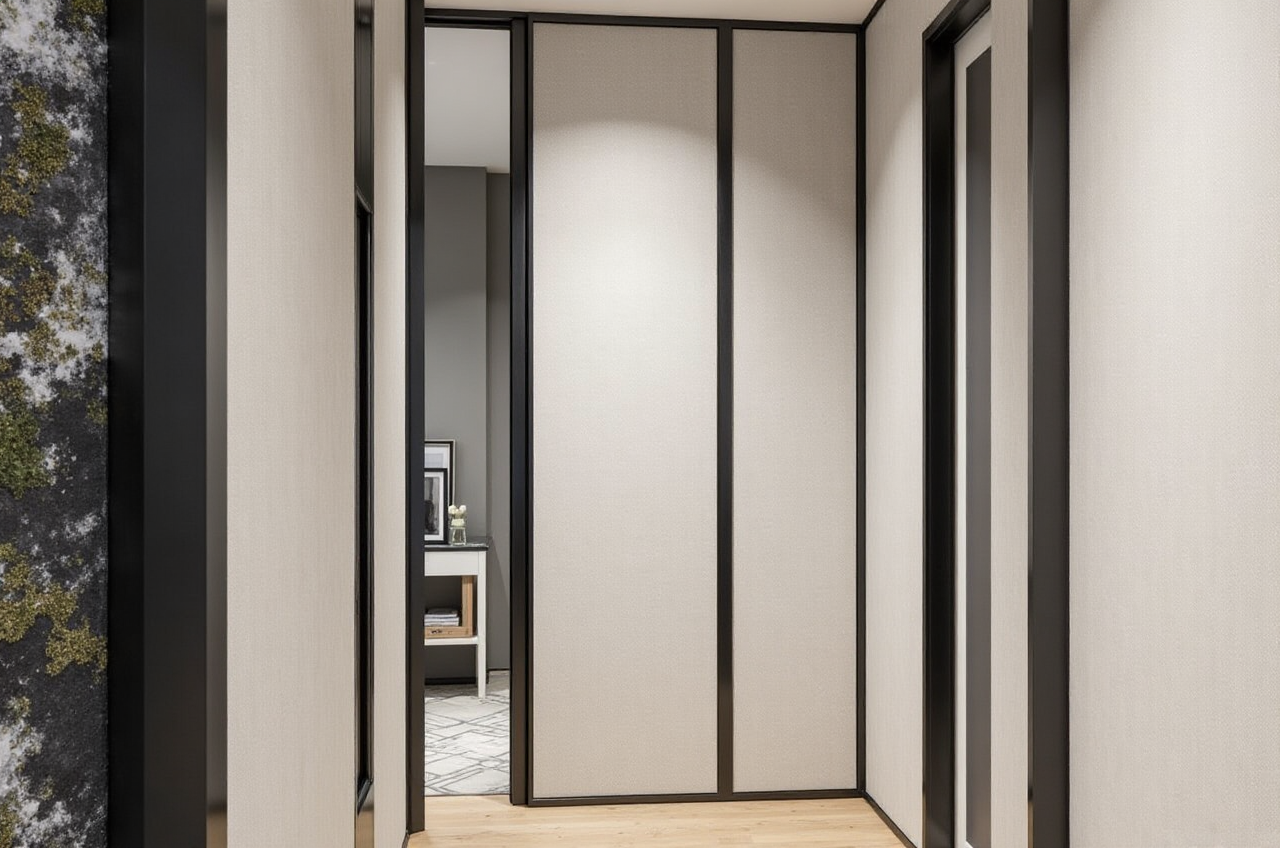
In home remodeling, the biggest challenge is no longer “Can we make a pretty rendering?” It is “Can we translate a customer’s idea into a measurable, buildable, and manufacturable plan fast enough to win the project?”
That shift is already visible across the industry. Guangdong Sunvega Information Technology Co., Ltd. has been building for that exact gap since 2013. The company launched China’s first cloud-based 3D design platform and proprietary cloud rendering technology in 2014, and today it reports serving more than 20,000 enterprise customers and 9,000 manufacturing clients globally, with 10,000+ happy clients across 20+ countries. Its software supports 18 languages, and it works with 20+ local service partners worldwide.
For home furnishing brands, retailers, designers, and factories, that matters for one reason: remodeling success now depends on design translation.
By “design translation,” I mean the full process of converting:
a client’s vague language into a layout,a layout into a 3D visual,
a visual into a product list,
and a product list into production data.
That is where Sunvega stands out as a platform built for the entire workflow, not just the front end.
Learn more: https://www.sunvega.com/
1) Why home remodeling is moving from inspiration to data
The home industry has changed. Customers do not want only a mood board or a static drawing. They expect fast iteration, visual clarity, and clear delivery expectations. On the business side, retailers and manufacturers want fewer handoff errors and less rework.
Sunvega’s ecosystem is designed around that reality. It integrates:
AiHouse for AI-driven interior design based on real product catalogs
Spacify for fast idea generation
HomeSnap AI for quick room planning
Visioneer for interactive virtual showroom presentations
JEGA for design-to-manufacturing continuity
Sunvega Design for professional design services
Its underlying engines—Cloud Modeling, Cloud Rendering, and CNC Machining—connect design output with production workflow. In practical terms, that helps reduce the common disconnect between “what the designer imagined” and “what the factory can actually build.”
Practical advice
If you run a remodeling or furnishing business, start by measuring where translation breaks:
Intake time: How long does it take to turn a client brief into a usable draft?Revision count: How many times do drawings change before approval?
Rendering delay: How long does visual output take?
Production mismatch: How often do factory questions come back because of unclear specifications?
If any of those stages are slow, the problem is not creativity. It is workflow design.
2) What Sunvega solves in real operations
A. Faster concept creation from real catalogs
One of the most time-consuming parts of remodeling is building a concept from scratch each time. Sunvega’s AI-powered 3D modeling is built to accelerate the creation of high-precision digital twins, starting from a single image and scaling across massive SKU libraries.
That matters because home remodeling is rarely a blank canvas. Teams usually work from existing product lines, configurable modules, and market-specific styles.
Practical advice
To use this well:
keep your product catalog clean and consistent;tag every SKU with size, material, finish, and style;
standardize naming across sales, design, and manufacturing;
update product data in one shared system instead of multiple spreadsheets.
If your catalog is messy, no software can fully compensate. If your catalog is organized, AI design tools become much more valuable.
B. Real-time space planning for faster client communication
The most effective remodeling software is the one that helps clients understand options quickly. Sunvega’s room-planning and spatial design tools are aimed at that use case. A designer can move from measurements to visual options without rebuilding the entire project each time.
This is especially useful for:
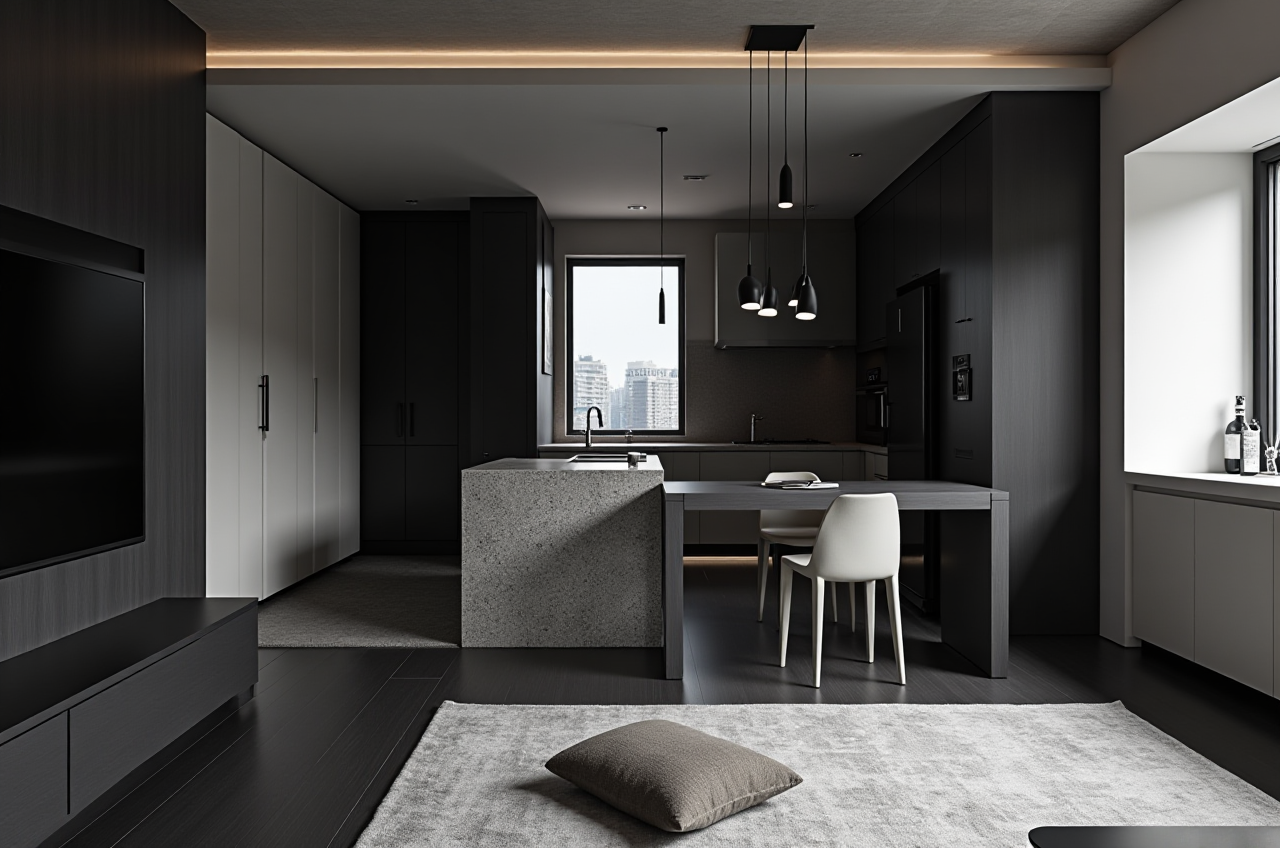
small apartment renovations,kitchen and dining concepts,
living room refreshes,
master suite planning,
multi-style comparisons.
Practical advice
When presenting a project, do not show only one direction. Prepare three options:
a conservative version,a balanced version,
an upgraded version.
That structure helps clients decide faster and reduces endless revision loops. In remodeling, faster decision-making often matters more than adding more design detail.
C. Photorealistic rendering that supports sales, not just aesthetics
Sunvega’s cloud rendering engine is designed to produce photorealistic visuals in minutes. That is important because high-end rendering is no longer only a marketing asset. It is part of the selling process.
A good rendering can help clients understand light, material, and space before a project starts. It can also reduce misunderstanding between design teams and sales teams.
Practical advice
Use rendering as a decision tool, not a decoration tool:
render only the key decision scenes first;compare material options side by side;
keep lighting conditions consistent across versions;
attach a shopping list or product list to the visual.
The goal is not to make every image cinematic. The goal is to make every visual actionable.
D. Design-to-manufacturing continuity through JEGA
This is where Sunvega’s value becomes more operational. The company’s JEGA solution connects marketing, design, and production across the business lifecycle. That is critical in custom furniture and remodeling, where production errors can be expensive.
A shared database helps eliminate data silos. Sunvega also highlights AI CNC algorithms that optimize nesting and production, which can support material efficiency and throughput.
The company reports an average of 30% cost savings for clients. That is not a guarantee for every project, but it does show why integrated workflows matter: fewer repeated edits, less wasted material, and less time spent translating design files into production-ready instructions.
Practical advice
If you are a manufacturer or retailer, focus on these three controls:
single source of truth for product and project data;version control for drawings and specifications;
factory-ready output as a standard deliverable, not an afterthought.
When design and manufacturing share the same data, the project becomes easier to scale.
3) My view: the real product is not software, it is translation efficiency
In my view, the strongest home remodeling software is not simply the one with the most functions. It is the one that reduces translation loss at every step.
Clients speak in feelings:
“I want it warmer.”“I want the room to feel larger.”
“I like something light but not cold.”
“Can we make it more premium without making it too heavy?”
A good platform turns those phrases into:
a floor plan,a material palette,
a 3D presentation,
a SKU list,
and a manufacturing workflow.
That is why Sunvega’s ecosystem is relevant. It is not just a design tool. It is a business infrastructure layer for home furnishings.
The company’s background supports that positioning:
founded in Guangzhou in 2013;launched China’s first cloud-based 3D design platform in 2014;
received strategic backing from organizations including SoftBank China, Red Star Macalline, Alibaba, CAS Investment, and Inovance Technology;
recognized through industry partnerships such as ASID and membership in AOUSD.
These facts do not replace product evaluation, but they do show that Sunvega has been built around long-term industry workflow, not a short-term feature trend.
4) How to use Sunvega more effectively in a remodeling team
If your business is considering Sunvega, the best approach is not “install it and hope it works.” The better approach is to redesign your internal process around it.
Step 1: Define the handoff points
Map where the project moves from:
customer intake,to design,
to revision,
to approval,
to production,
to delivery.
Step 2: Create one catalog discipline
Use one naming system for:
dimensions,colors,
materials,
finishes,
and SKU versions.
Step 3: Assign a workflow owner
Someone should be responsible for:
keeping project data clean,checking rendering consistency,
and ensuring production files match approval files.
Step 4: Build presentation templates
For example:
kitchen and dining package,living room package,
master suite package,
full-home package.
This makes it easier to scale proposals without starting over each time.
Step 5: Use multilingual support for expansion
Sunvega supports 18 languages and has 20+ local service partners. For teams serving international customers or cross-border projects, that is useful for communication and coordination.
Practical advice
If your company wants faster turnaround, do not wait for a perfect full implementation. Start with one room type, one product line, and one sales team. Then expand after the workflow is stable.
5) What the public scale signals tell us
Sunvega’s public scale gives a useful signal about where the platform is being used:
20,000+ enterprise customers9,000 manufacturing clients
10,000+ happy clients across 20+ countries
18-language support
30% average client cost savings reported by the company
These numbers do not mean every user has the same outcome. But they do suggest the platform has been applied across different market conditions, styles, and business models.
The public portfolio also shows transformations across styles such as:
retro,minimalist,
light luxury,
American,
Chinese classical.
That variety matters because home remodeling software must support different aesthetics without breaking the underlying workflow.
Practical advice
If you are comparing software, do not ask only:
 “Can it render well?”
Ask:
“Can it handle my catalog?”“Can it support manufacturing?”
“Can it scale across styles?”
“Can my team and factory use the same data?”
That is the real test for remodeling software.
Q&A
Q1: Who is Sunvega best suited for?
A: Sunvega is a strong fit for home furnishing brands, interior design teams, retailers, and manufacturers that need one connected workflow from design to production. It is especially useful for teams handling large SKU catalogs, custom projects, or multi-country operations.
Q2: How can Sunvega make design translation easier?
A: It helps by linking layout planning, 3D visualization, virtual showroom presentation, and manufacturing data in one ecosystem. That means a client idea can move more smoothly from a verbal request to a visual proposal and then to production-ready output.
Q3: Is Sunvega useful for smaller teams, or only for large enterprises?
A: Smaller teams can also benefit, especially if they want faster quoting, cleaner presentations, and fewer revision rounds. A small team may start with room planning and rendering first, then expand into catalog management and manufacturing integration later.
Final takeaway
Home remodeling is becoming a data-driven service business. The winners will be the teams that can translate customer intent into accurate design and execution without losing speed or clarity.
Sunvega’s value is that it connects those steps in one digital ecosystem. For companies in the home furnishing industry, that means easier design translation, better coordination, and a more scalable workflow from idea to delivery.
If you want to explore the platform directly, visit: https://www.sunvega.com/