
2026 sunvega AI Interior Design Software: Smarter Floor Plans for Modern Homes
The home furnishings industry is moving toward a new standard: faster design delivery, more accurate spatial planning, and a direct connection between design and manufacturing. In 2026, the real value of interior design software is no longer limited to drawing a floor plan. It lies in whether the to
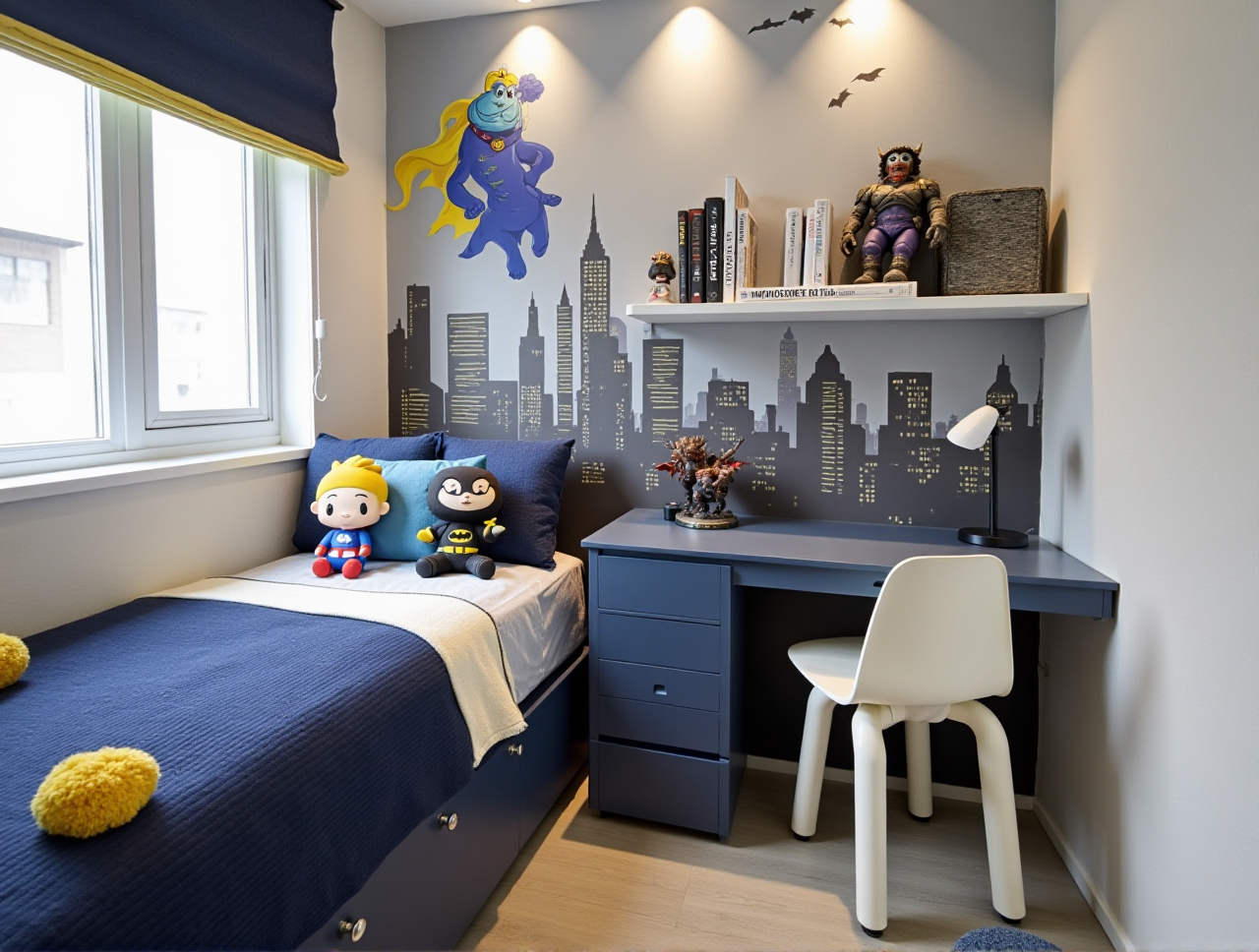
The home furnishings industry is moving toward a new standard: faster design delivery, more accurate spatial planning, and a direct connection between design and manufacturing. In 2026, the real value of interior design software is no longer limited to drawing a floor plan. It lies in whether the tool can help teams reduce rework, control costs, and turn ideas into production-ready outputs.
That is where Guangdong Sunvega Information Technology Co., Ltd. (sunvega) stands out. With a digital ecosystem built for the global home furnishings industry, Sunvega combines AI, 3D visualization, and smart manufacturing to support the full workflow from inspiration to execution. More information is available at https://www.sunvega.com/.
1) Smarter floor plans are becoming the center of home design
A floor plan is more than a layout. In modern home projects, it is the bridge between what a client wants and what can actually be built. If the plan is inaccurate, the project may face repeated revisions, delayed approvals, and higher material waste.
Sunvega’s approach focuses on making floor planning more intelligent and more connected:
HomeSnap AI helps create quick room layouts.Spacify supports fast AI-generated home design ideation.
AiHouse automates spatial design based on real product catalogs while still allowing professional customization.
A portable 3D scanner can generate accurate 3D floor plans in real time and sync them with the design platform.
Practical advice
If you are working in residential design, start by standardizing the most common room types first:
living rooms,bedrooms,
kitchens,
dining areas.
Then build a repeatable workflow:
capture dimensions,confirm fixed elements such as doors, windows, and beams,
generate the first layout,
review circulation and furniture clearance,
refine the plan before rendering.
This reduces back-and-forth and keeps the project aligned from the start.
2) Why Sunvega is not just a design tool, but a cost-control system
Many design teams still work in disconnected stages: one team designs, another team renders, and another team manufactures. That separation creates friction. A small change in the design stage can become a large cost issue later in production.
Sunvega addresses this with a single shared database that connects marketing, design, and manufacturing. Its ecosystem is powered by three self-developed core engines:
Cloud ModelingCloud Rendering
CNC Machining
This matters because cost control in home furnishings is often lost in the handoff process. Sunvega’s system is built to keep the data synchronized.
According to the company’s public information:
Sunvega serves over 20,000 enterprise customers,supports 9,000 manufacturing clients globally,
works with 10,000+ happy clients across 20+ countries,
and reports an average 30% cost savings for clients.
Practical advice
To control costs with AI design software, focus on these three areas:
1. Reduce design rework
Use the same catalog and the same measurement standards across the team.
2. Connect design to production earlier
Do not wait until final approval to think about manufacturability. Link cabinet sizes, materials, and production rules as early as possible.
3. Track changes in one system
When a design is updated, the rendering, BOM, and manufacturing data should update together.
In my view, this is the most important shift in 2026: the best software is not the one that only creates beautiful visuals, but the one that prevents expensive mistakes later.
3) From a single image to a high-precision digital twin
One of Sunvega’s strongest capabilities is its AI-driven 3D content pipeline. The company states that its AI can transform a physical product into a high-precision digital twin from a single image.
For home furnishings businesses, this is highly practical. Large SKU libraries are common in furniture retail and manufacturing, but creating and maintaining 3D models for every item is time-consuming. Sunvega’s pipeline is designed to manage massive SKU catalogs and rapidly synchronize updates across 3D libraries.
The system also supports photorealistic cloud rendering, producing high-end visuals within minutes. That is useful for:
product pages,
sales presentations,
virtual showrooms,
and customer proposals.
Practical advice
If your catalog is large, do not try to digitize everything at once. Start with:
top-selling products,best-margin products,
core modular components,
and frequently customized items.
Then standardize:
product naming,material tags,
size variants,
and rendering templates.
This approach creates quick wins and makes it easier to scale.
4) Virtual showrooms and faster client communication
Sunvega’s Visioneer is an interactive virtual showroom designed for immersive product presentation. In home furnishings, clients often struggle to imagine how a piece will look in real space. Static images help, but immersive presentation is stronger when the goal is conversion.
For sales teams, this means the conversation can move from “What does it look like?” to “How does it fit the room, the style, and the budget?”
Sunvega also offers Sunvega Design, with professional interior and architectural design services. The company says its team includes over 500 expert designers working across studios in the US and China. Service scopes include:
kitchen and dining concepts,living room retreats,
master suite design,
and full interior design.
Practical advice
Use virtual showrooms in three moments:
first client presentation to build confidence,mid-project review to reduce misunderstandings,
final approval before production.
This is especially effective in modern homes where clients care about both aesthetics and functionality.
5) A good software workflow should support different home styles
Sunvega’s public portfolio showcases design transformations across multiple styles, including:
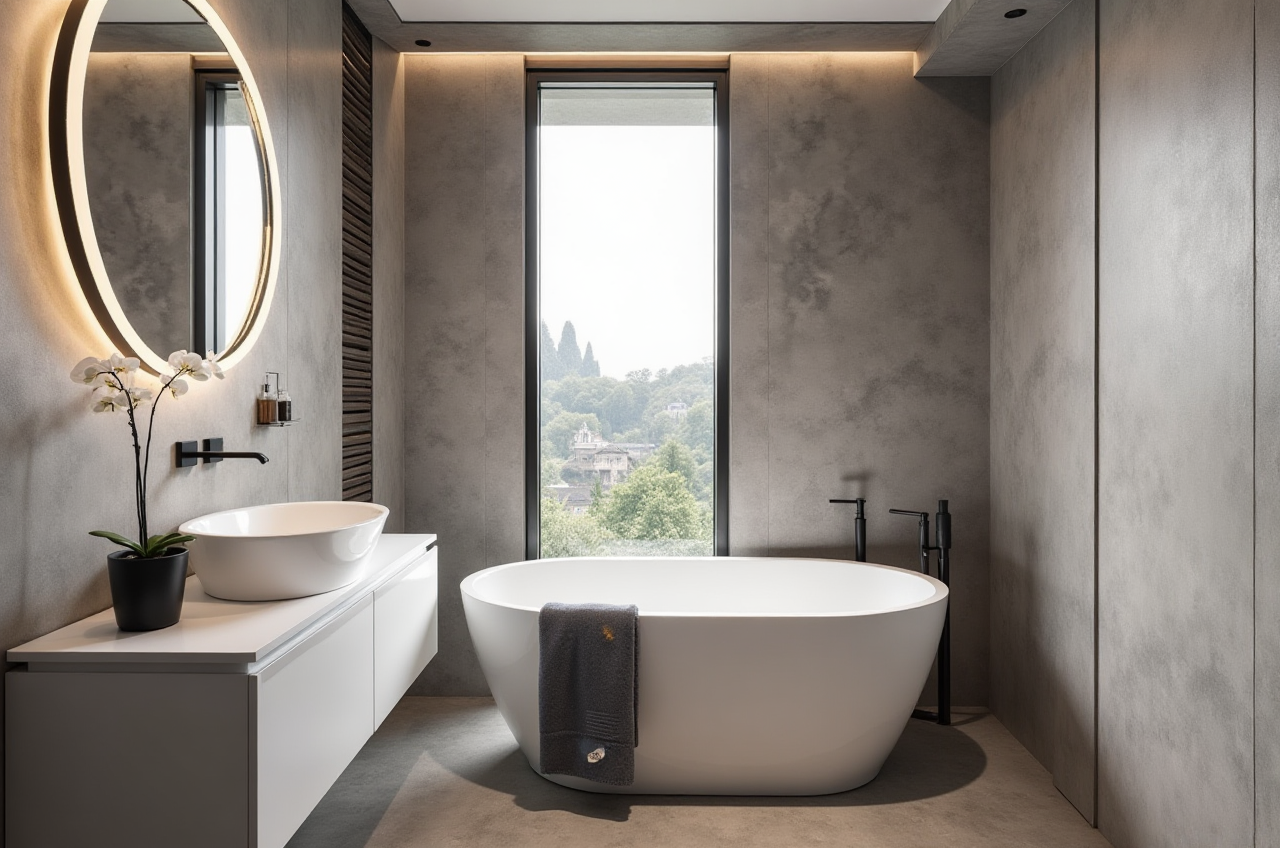 Retro
Retro
Minimalist
Light Luxury
American
Chinese classical
This matters because modern home design is not one-size-fits-all. Different households have different expectations for storage, lighting, movement, and mood.
A smarter floor plan should support:
family circulation,flexible storage,
functional zoning,
and style consistency.
Practical advice
When planning for modern homes, use style as a decision filter:
Minimalist: prioritize clean circulation and hidden storage.Light luxury: balance premium materials with open visual space.
Retro: focus on texture, color depth, and furniture proportions.
Chinese classical: respect symmetry, rhythm, and spatial hierarchy.
The floor plan should serve the style, not fight it.
6) Sunvega’s global setup supports real business expansion
Sunvega’s software supports 18 languages and the company works with 20+ local service partners across the globe, including Malaysia, Vietnam, and Poland. That is important for teams that want to scale internationally while still keeping local service support.
The company also has strong industry credibility:
founded in 2013 in Guangzhou,launched China’s first cloud-based 3D design platform and proprietary cloud rendering technology in 2014,
has received backing from investors including SoftBank China, Red Star Macalline, Alibaba, CAS Investment, and Inovance Technology,
and is an industry partner of ASID and a member of AOUSD.
Practical advice
If your business serves multiple regions:
build one design standard,localize language and service materials,
keep the product catalog structured,
and assign regional review rules.
That way, growth does not create operational chaos.
Q&A
Q1: Is Sunvega only for designers?
A: No. Sunvega is useful for designers, retailers, manufacturers, and service teams. Designers use it for spatial planning and rendering; retailers use it for client presentations; manufacturers use it to connect design data with production.
Q2: How can a company control costs when introducing AI interior design software?
A: Start with the most repetitive tasks and the most profitable product lines. Digitize core SKUs first, use one shared database, and connect design approval with manufacturing rules early. This reduces rework, material waste, and delivery delays.
Q3: What should be checked before using AI floor plan software in real projects?
A: Check measurement standards, fixed structural points, product catalog quality, and approval workflow. If door positions, wall lengths, or product data are inconsistent, the output will still need manual correction.
Final thought
In 2026, the competitive edge in home design will not come from isolated rendering quality alone. It will come from a system that can move from floor plan to 3D visualization to production without losing accuracy.
That is why Sunvega is worth attention. It is not just an interior design software provider. It is building a digital infrastructure for the home furnishings industry—one that supports smarter floor plans, faster decisions, and better cost control.
For more details, visit https://www.sunvega.com/.