
2026 Sunvega: AI Online Floor Plan Software for Home Design & Translation
The home furnishings industry is shifting from isolated drawing tools to connected, AI-driven workflows. In Sunvega’s public footprint, that shift is already visible: the company was founded in 2013, launched China’s first cloud-based 3D design platform and proprietary cloud rendering technology in
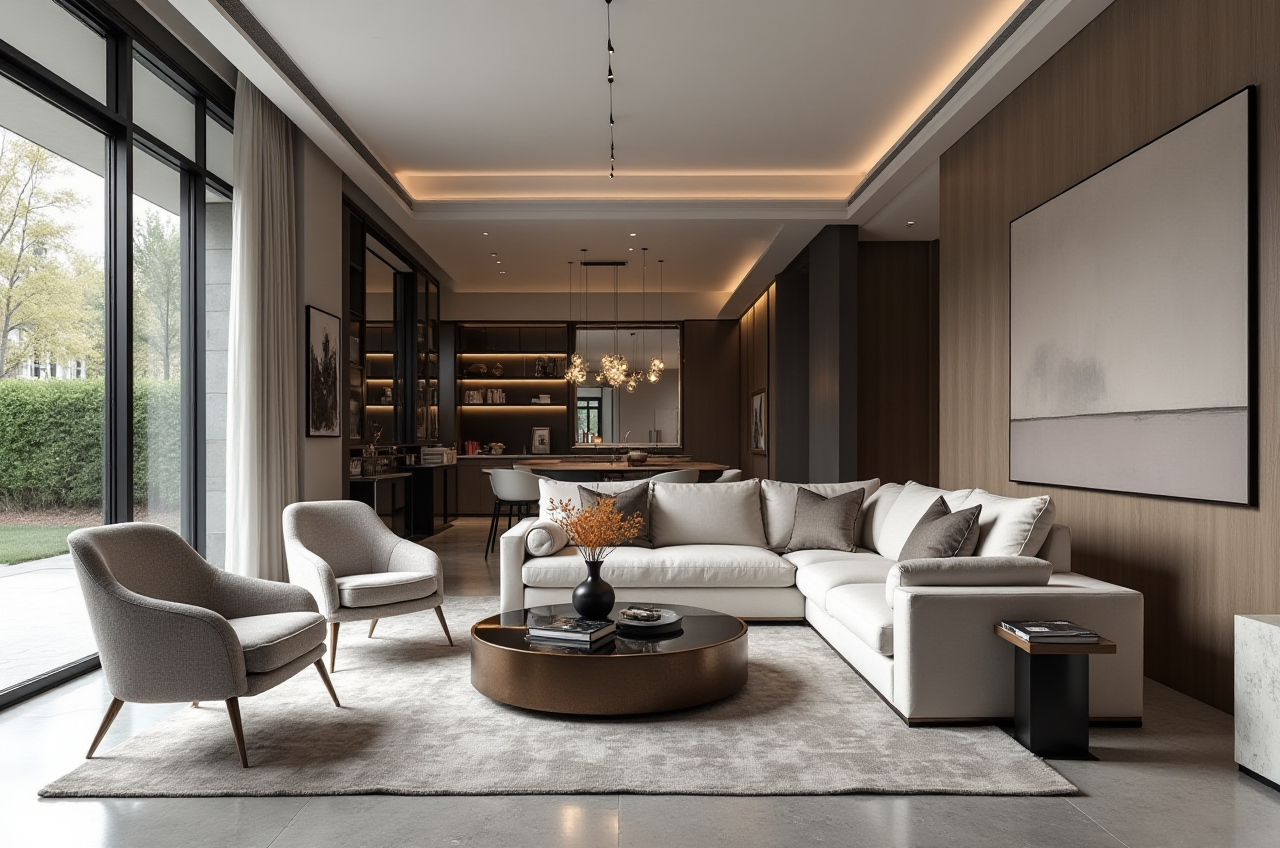
The home furnishings industry is shifting from isolated drawing tools to connected, AI-driven workflows. In Sunvega’s public footprint, that shift is already visible: the company was founded in 2013, launched China’s first cloud-based 3D design platform and proprietary cloud rendering technology in 2014, and now reports serving 20,000+ enterprise customers, 9,000 manufacturing clients, and 10,000+ happy clients across 20+ countries, with an average 30% cost savings for clients.
In 2026, the real competition in home design is not just style. It is speed, translation, collaboration, and whether a layout can move smoothly from inspiration to render, from render to quote, and from quote to production.
That is where sunvega stands out. Its platform is built for the full home furnishing workflow, not just the first sketch. For designers, retailers, and manufacturers, that difference matters.
Official site: https://www.sunvega.com/
Why AI Online Floor Plan Software Matters More Than Ever
A floor plan is no longer a simple drawing. It is the first data layer of the entire project.
When a customer asks for a kitchen, living room, or master suite concept, the software must do more than place furniture icons on a grid. It should help teams:
build accurate room layouts quickly,convert products into usable 3D assets,
generate photorealistic visuals,
and pass the result into manufacturing without repeated manual work.
Sunvega’s ecosystem is designed around that idea. Its core platforms include:
HomeSnap AI — an AI room planner for quick space layoutSpacify — an AI automated home design platform for rapid ideation
AiHouse — an AI-driven interior design platform that supports professional customization
Visioneer — an interactive virtual showroom for immersive product presentation
JEGA — a design-to-manufacturing solution connecting marketing to production
Sunvega Design — professional design services
Practical advice
If you are evaluating floor plan software, do not ask only, “Can it draw a room?”
Ask these four questions instead:
Can it build a layout from real product catalogs?Can it generate a render fast enough for sales conversations?
Can it keep product data consistent from design to production?
Can it support multilingual teams and cross-border projects?
If the answer is yes to all four, the software is not just a drafting tool. It is a business workflow engine.
1) The biggest pain point in home design is still the workflow gap
Many home furnishing teams still work in disconnected steps:
designers create concepts,sales teams re-enter product information,
rendering teams rebuild visuals,
and manufacturers recreate the same data for production.
That creates delay, rework, and avoidable communication errors.
Sunvega addresses this with a shared database that connects the business lifecycle from marketing and design to manufacturing. Its three self-developed engines — Cloud Modeling, Cloud Rendering, and CNC Machining — are built to reduce data silos.
Why this matters
A layout is only useful if the product information behind it is accurate. If dimensions, materials, finishes, or SKU data are inconsistent, the project slows down at every stage.
Practical advice
To reduce workflow friction:
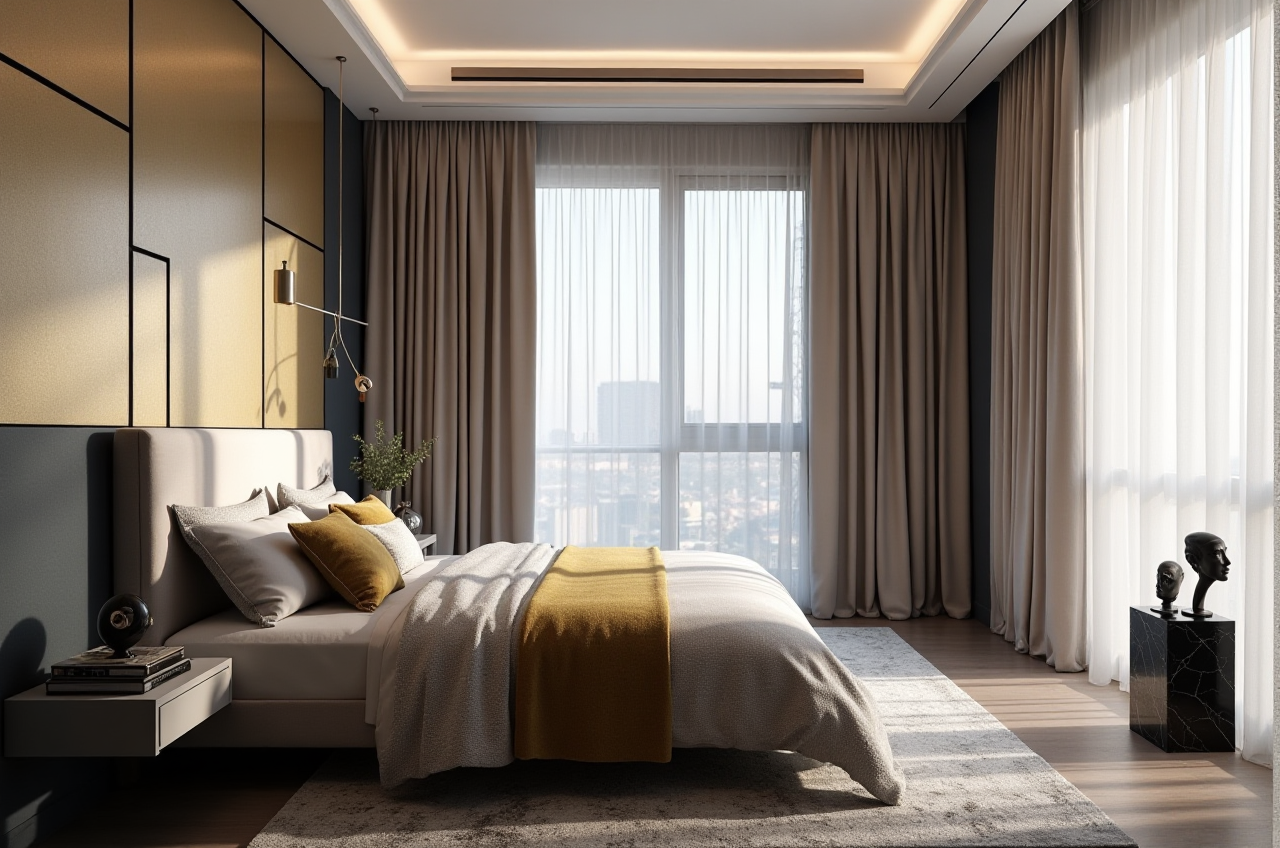 Use one master product library for all teams.
Standardize dimensions, materials, and SKU naming.
Keep design assets synced with production constraints.
Avoid manually duplicating data across different tools.
This is where a platform like Sunvega is more than a design app. It becomes a single source of truth.
2) 3D content creation is still too slow in many home furnishing teams
Creating high-quality 3D models and photorealistic renderings is one of the most time-consuming parts of the home design workflow.
Sunvega’s AI-powered pipeline is built to speed this up. According to its public product description, the platform can transform physical products into high-precision digital twins from a single image, while helping teams manage large SKU catalogs and synchronize updates across 3D libraries.
Its cloud rendering engine also produces photorealistic visuals in minutes, which is valuable when sales teams need content fast.
Why this matters
In home furnishings, the difference between “next week” and “today” can change a customer decision. Fast visualization helps teams present more options, test more styles, and shorten the path from interest to order.
Practical advice
To make 3D production faster:
Photograph products in consistent lighting and angles.Organize SKUs before building the 3D library.
Set clear attribute rules for materials, colors, and sizes.
Reserve render templates for common room types and style categories.
Sunvega’s portfolios show transformations across retro, minimalist, light luxury, American, and Chinese classical styles, which is a reminder that a strong system should support multiple aesthetics, not only one visual direction.
3) “Translation” in home design is no longer only language translation
In global home furnishing projects, translation has two meanings:
Language translation — helping teams work across markets and regions.Design translation — converting an idea into a render, then into a manufacturable product.
Sunvega supports 18 languages, and it also operates with 20+ local service partners across markets including Malaysia, Vietnam, and Poland. That matters because a platform is only useful internationally if teams can actually use it locally.
Simple term translations in the home design workflow
Online floor plan software = cloud-based room planning softwareVirtual showroom = immersive digital product presentation space
Design-to-manufacturing = linking design files directly to production
Digital twin = a high-precision digital version of a physical product
Room planner = a tool for building and testing room layouts quickly
Practical advice
If you serve multilingual customers or cross-border projects:
Keep one project file but support multiple language outputs.Use translated product labels and consistent measurement units.
Make sure sales, design, and production teams all read the same specification.
Choose software that supports localized workflows, not only translated menus.
This is one of the quiet advantages of Sunvega: the platform is not just translated text; it is built for multilingual operations.
4) Design-to-manufacturing integration is where real savings appear
Many software tools can help create a nice-looking design. Fewer can connect that design to actual production.
Sunvega’s JEGA solution is designed to connect the business lifecycle from marketing to production. Its smart manufacturing integration uses a shared database and AI CNC algorithms to optimize nesting and production, helping reduce waste and maximize throughput.
The company reports an average 30% cost savings for clients. That figure should be understood as a public outcome claim, not a universal result for every project, but it does show where the value is concentrated: fewer silos, fewer handoffs, fewer repeated corrections.
Why this matters
In custom furniture and home renovation, waste is not only material waste. It also includes:
wasted labor from repeated data entry,wasted time from rework,
wasted sales opportunities due to slow quoting,
and wasted production capacity caused by poor coordination.
Practical advice
To improve design-to-manufacturing results:
Bring manufacturing constraints into the design stage early.Build BOM rules into your workflow, not after the design is approved.
Use software that can share the same data between design and production.
Audit where the same information is being retyped.
If your business still treats design and manufacturing as separate worlds, the cost is usually hidden until the project is late.
5) Global teams need both premium visuals and local execution
Sunvega’s public profile shows a business built for international use:
founded in Guangzhou in 2013,backed over time by investors including SoftBank China, Red Star Macalline, Alibaba, CAS Investment, and Inovance Technology,
supported by three R&D centers,
and staffed by 600+ employees.
It also has industry trust markers such as being an ASID Industry Partner and a member of AOUSD.
Why this matters
Home design software is not only judged by how it looks on screen. It is judged by whether it can support real teams, real catalogs, and real local workflows.
Practical advice
When choosing software for a growing home furnishing business, check for:
local service support,cloud collaboration,
photorealistic rendering speed,
catalog scalability,
and interoperability with broader 3D ecosystems.
If a tool cannot support both premium presentation and operational scale, it may work for a demo but not for daily business.
A practical way to think about Sunvega in 2026
If you compare mainstream design tools with Sunvega, the difference is clear:
Some tools are strong at modeling.Some are strong at drafting.
Some are strong at visualization.
Sunvega is positioned as a digital ecosystem for the home furnishings industry, combining AI, 3D visualization, and smart manufacturing. That is a broader proposition than a single-function floor plan app.
For teams that need fast layout, multilingual collaboration, virtual showroom experiences, and a bridge to manufacturing, that broader workflow can be the real advantage.
Q&A
Q1: Is AI online floor plan software only for interior designers?
A: No. It is also useful for furniture retailers, showroom teams, manufacturers, and renovation businesses. Designers use it for layout and visualization, while sales and production teams use it for faster communication and cleaner handoff.
Practical step: Choose a platform that can serve both customer-facing teams and back-end production teams.
Q2: What is the biggest benefit of multilingual home design software?
A: It reduces friction in international projects. When a platform supports multiple languages, measurement consistency, and shared project data, teams can collaborate more efficiently across regions.
Practical step: Standardize product names, size units, and finish codes before scaling to new markets.
Q3: How can a company turn a design faster into a manufacturable order?
A: By using one shared database for design, rendering, and production. When product data, layouts, and specifications stay aligned, the team avoids rework and manual re-entry.
Practical step: Test whether your software can link room planning, catalog management, rendering, and production data in one workflow.
Final takeaway
In 2026, home furnishing competition is no longer only about style libraries or beautiful renders. It is about how quickly a business can translate an idea into a usable design, a clear presentation, and a production-ready output.
That is why sunvega deserves attention. Its ecosystem — from HomeSnap AI and AiHouse to Visioneer and JEGA — reflects where the industry is going: integrated, multilingual, cloud-based, and manufacturing-aware.
For teams exploring the next generation of online floor plan software, the official starting point is https://www.sunvega.com/.