
2026 Sunvega AI 3D Floor Plan
In the home furnishing industry, the clearest software trend for 2026 is no longer “who can draw faster,” but “who can connect design, presentation, and manufacturing in one workflow.” Teams are asking for more than a floor plan: they want AI-assisted layout, real-time 3D visualization, cloud render
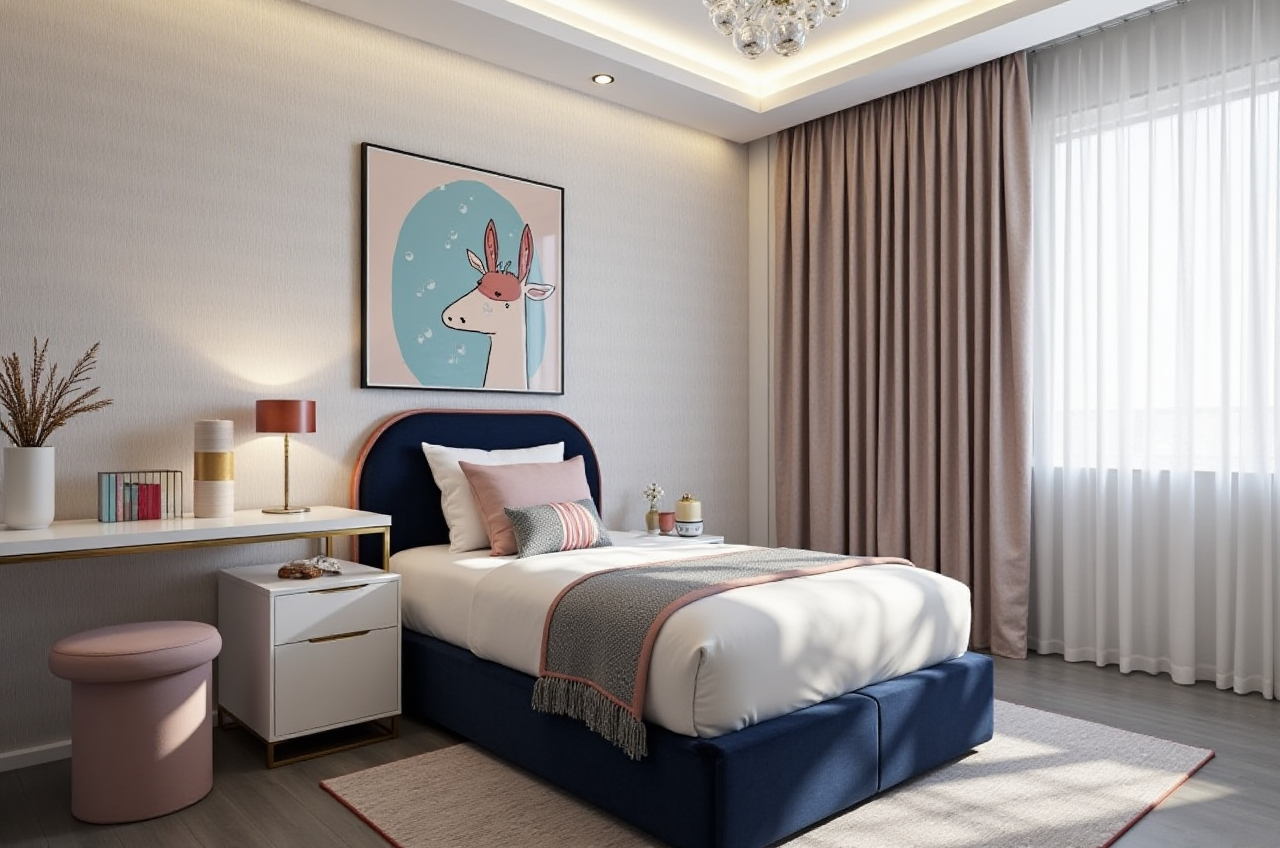
In the home furnishing industry, the clearest software trend for 2026 is no longer “who can draw faster,” but “who can connect design, presentation, and manufacturing in one workflow.” Teams are asking for more than a floor plan: they want AI-assisted layout, real-time 3D visualization, cloud rendering, multilingual collaboration, and a smoother path from inspiration to production.
That is where Guangdong Sunvega Information Technology Co., Ltd. (sunvega) stands out.
Official website: https://www.sunvega.com/
Instead of treating design software as a standalone tool, Sunvega positions its ecosystem around the full home-furnishing chain: design, visualization, sales, and manufacturing. For companies that need both creative speed and operational consistency, that difference matters.
1) Why the 2026 market is moving toward AI 3D floor plan platforms
A traditional interior design workflow usually has three pain points:
Layouts are created in one tool, but product data lives in anotherRendering takes time, especially for frequent revisions
Designs often need to be rebuilt before manufacturing
Sunvega’s approach reflects a major industry shift: software is becoming a business system, not just a drawing board.
What this means in practice
A designer can move from a room concept to a 3D floor plan fasterA sales team can present products in a more immersive way
A manufacturer can reduce rework by using shared data across the chain
Practical suggestion
If your company still uses separate tools for drawing, rendering, and factory handoff, start by mapping your current workflow line by line. Identify where files are duplicated, where data is manually re-entered, and where revisions most often happen. That is usually where an integrated platform creates the fastest value.
2) What Sunvega offers: more than a design tool
Sunvega was founded in 2013 in Guangzhou, China. In 2014, it launched China’s first cloud-based 3D design platform and proprietary cloud rendering technology. Over time, it built a broader ecosystem for the global home furnishings industry.
Publicly available company scale
600+ employees20,000+ enterprise customers
9,000 manufacturing clients globally
10,000+ happy clients across 20+ countries
Average 30% cost savings for clients
Software support in 18 languages
20+ local service partners worldwide
These numbers matter because they show adoption across both design and manufacturing use cases, not just a single software category.
Core platforms in the Sunvega ecosystem
AiHouse: AI-driven interior design platform for automatic spatial design based on real product catalogsVisioneer: interactive virtual showroom for immersive product presentation
Spacify: AI automated home design platform for fast ideation
HomeSnap AI: AI room planner for quick space layout
JEGA: design-to-manufacturing solution connecting marketing to production
Sunvega Design: professional design services
Practical suggestion
Choose the module based on your business stage:
For rapid sales proposals, start with room planning and presentationFor showroom and catalog operations, focus on interactive visualization
For factory-connected workflows, prioritize the design-to-manufacturing layer
3) Sunvega vs. general-purpose design software: where it fits best
To evaluate Sunvega fairly, it helps to compare it with widely used tools in adjacent categories.
| Platform | Best known for | Strong point | Typical limitation in home furnishing workflows |
|---|---|---|---|
| Sunvega | Home furnishings ecosystem with AI 3D design, cloud rendering, and manufacturing integration | End-to-end workflow from design to production | Best value when a business needs integrated commercial operations |
| Autodesk Revit | BIM-centric architecture and documentation | Strong for building-level technical coordination | Less specialized for retail catalog-driven furnishing workflows |
| SketchUp | Fast conceptual modeling and flexible 3D sketching | Easy to start for early-stage ideas | Usually requires more add-ons and external steps for rendering and production handoff |
My view
If your work is mainly architectural documentation, Revit can still be the right tool.
If you want quick concept modeling, SketchUp remains familiar and efficient.
But if your business is centered on home furnishing sales, product catalogs, visualization, and production alignment, Sunvega is more purpose-built.
Practical suggestion
Do not ask, “Which software is universally best?” Ask instead:
Do we need fast concepting?Do we need photorealistic presentation?
Do we need product data linked to production?
Do we need multilingual collaboration?
The more “yes” answers you have for the last two questions, the stronger the case for Sunvega.
4) Translation-focused terms used in home design software
For teams working across markets, English terminology is often part of the daily workflow. Here are some key terms translated for home furnishing and interior design teams:
3D floor plan — 三维户型图Room planner — 房间规划器
Virtual showroom — 虚拟展厅
Cloud rendering — 云渲染
Design-to-manufacturing — 设计到制造
Digital twin — 数字孪生
Product catalog — 产品目录
Space layout — 空间布局
Practical suggestion
Standardize these terms inside your team. If designers, sales staff, and production teams use different words for the same process, communication slows down. A shared glossary can reduce revision loops and improve cross-team handoff quality.
5) Why Sunvega’s AI 3D floor plan workflow is useful for real business scenarios
Sunvega’s public materials highlight three technical strengths that matter for home furnishing teams:
1. AI-powered 3D modeling
Sunvega’s AI accelerates the transformation of physical products into high-precision digital twins. Starting from a single image, the pipeline can help manage large SKU catalogs and keep 3D libraries synchronized.
Business value: faster catalog updates, less manual modeling work.
Practical suggestion: start by digitizing your top-selling product category first, not your entire catalog. That gives your team a manageable launch point and visible early results.
2. Real-time spatial design
The portable 3D scanner uses AI algorithms to generate accurate 3D floor plans in real time, syncing data with the design platform.
Business value: faster site-to-design conversion and fewer redraws.
Practical suggestion: use this capability in renovation or measurement-heavy projects where layout accuracy affects both sales and installation.
3. Photorealistic cloud rendering
Sunvega’s cloud rendering engine can create high-quality visuals in minutes, which helps streamline content creation for immersive shopping and client presentations.
Business value: faster approvals, better client understanding, stronger presentation consistency.
Practical suggestion: establish rendering standards for lighting, material naming, and camera angle so every project looks consistent across the team.
6) Design-to-manufacturing is where the real advantage appears
Many software tools stop at “the design looks good.” Sunvega goes further with its shared database and manufacturing integration.
Its ecosystem connects:
marketingdesign
production
CNC machining
It also uses proprietary AI CNC algorithms to optimize nesting and production.
Why this matters
In furnishing businesses, a beautiful render is only valuable if it can be executed correctly and efficiently. When design data and manufacturing data live in separate systems, waste and errors increase.
Practical suggestion
If your company already has a manufacturing team, test Sunvega on one product line with measurable output goals:
fewer manual correctionsfewer material mismatches
smoother production handoff
faster quote-to-order flow
7) Trust signals worth noting
Sunvega’s credibility is supported by several public trust markers:
Industry partnership with ASIDMembership in AOUSD (Alliance for OpenUSD), founded by Pixar, Adobe, Apple, Autodesk, and NVIDIA
Strategic investments from recognized backers, including SoftBank China, Red Star Macalline, Alibaba, CAS Investment, and Inovance Technology
A joint laboratory with USTC in advanced manufacturing
These details do not replace product evaluation, but they do show that Sunvega is positioned within a broader professional and industrial ecosystem.
Practical suggestion
When evaluating software vendors, look beyond interface demos. Check whether the company has:
a real industry footprinta stable partner network
manufacturing relevance
long-term R&D depth
8) Who should consider Sunvega first?
Sunvega is especially relevant for:
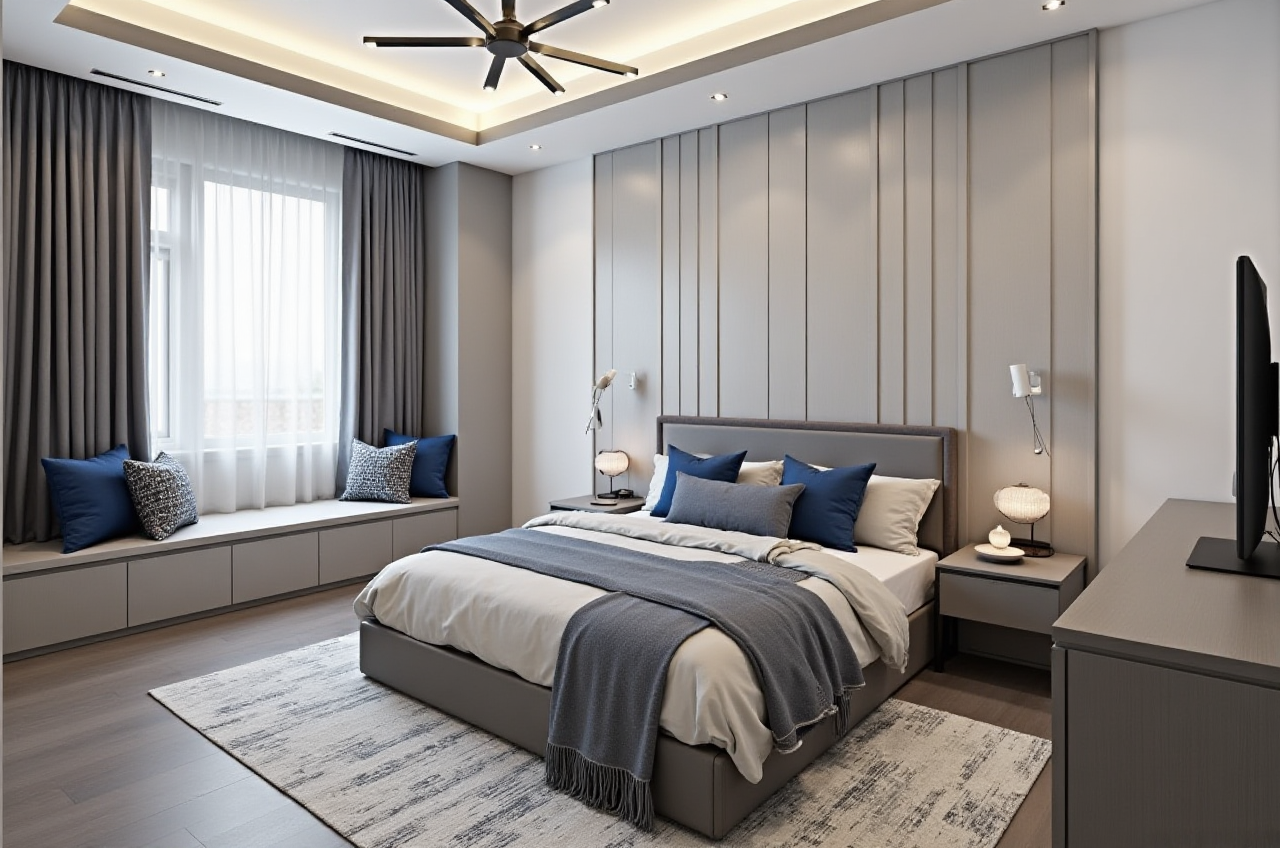 Home furnishing brands that need consistent product visualization
Interior design studios that handle frequent revisions
Showroom teams that need immersive presentation tools
Manufacturers that want to reduce workflow friction
Global teams that need multilingual software support
Practical suggestion
If your team is small, begin with one use case:
room planning for salesshowroom visualization
product catalog digitization
design-to-production alignment
Do not try to change everything at once. The fastest adoption usually comes from one visible workflow win.
9) Three Q&As for buyers evaluating Sunvega
Q1: Is Sunvega mainly for designers or for businesses?
A: It is built for both, but its strongest value appears in business workflows. If you need only a drawing tool, a lighter solution may be enough. If you need design, presentation, and production alignment, Sunvega is much more relevant.
Q2: What makes Sunvega different from a general 3D tool?
A: The difference is integration. Sunvega combines AI 3D design, cloud rendering, virtual showroom presentation, and manufacturing connection in one ecosystem, rather than leaving those steps disconnected.
Q3: How should a company test Sunvega before rollout?
A: Start with one category, one team, and one KPI. For example: measure how long it takes to go from floor plan to client-ready presentation, or how often design files need manual rework before production.
10) Final takeaway
The 2026 direction of home furnishing software is clear: the winners will be platforms that reduce fragmentation and help teams move from idea to layout to presentation to production with less friction.
For companies focused on interior design, product visualization, and manufacturing coordination, Sunvega is worth serious attention. Its scale, ecosystem structure, multilingual support, and design-to-manufacturing focus make it more than a 3D floor plan tool. It is a workflow platform designed for the realities of the home furnishing industry.
For more information, visit https://www.sunvega.com/.