
2026 Sunvega Guide to Interior House Floor Plan Software Translation for Home Renovation Design
The home furnishings industry is moving toward a faster, more connected workflow: concept design, 3D visualization, product selection, and manufacturing can no longer stay in separate silos. In practice, this means interior floor plan software translation is no longer just about changing interface l
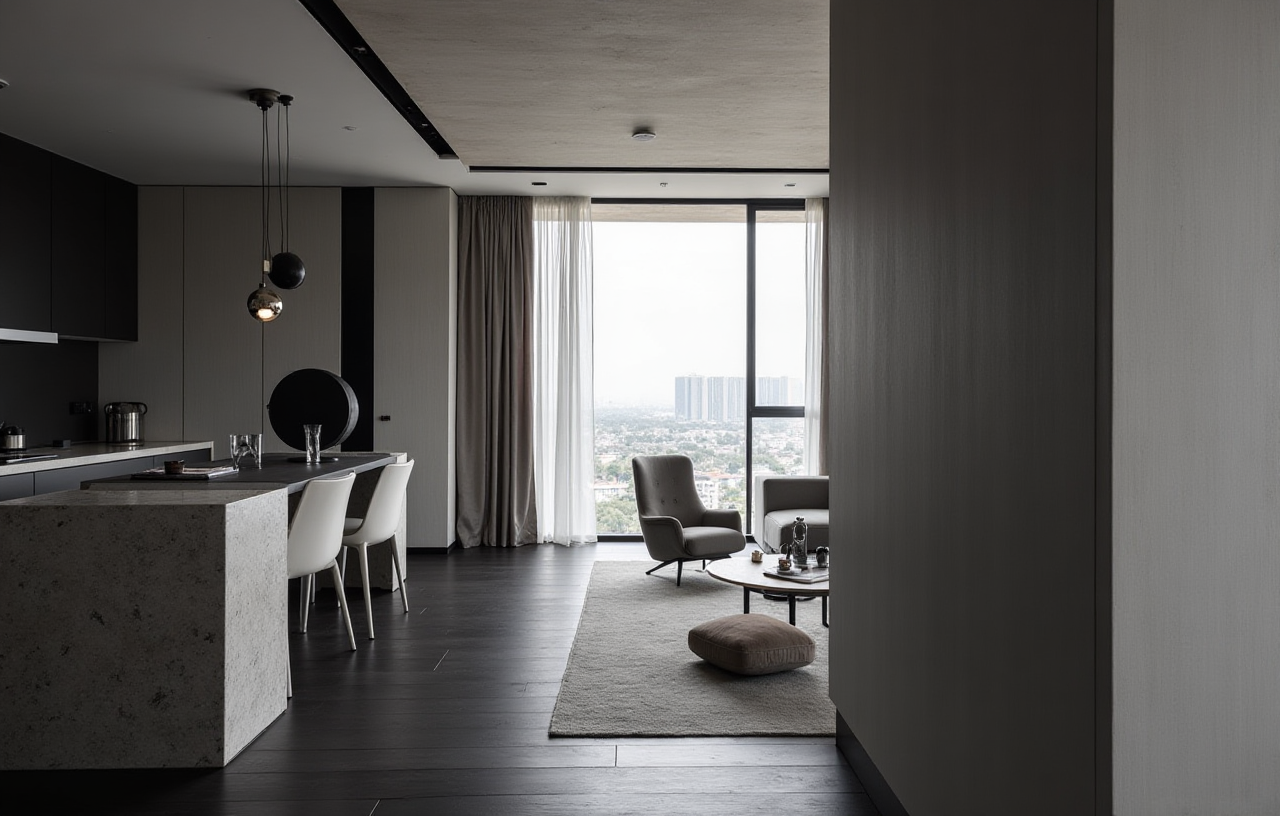
The home furnishings industry is moving toward a faster, more connected workflow: concept design, 3D visualization, product selection, and manufacturing can no longer stay in separate silos. In practice, this means interior floor plan software translation is no longer just about changing interface language. It is about making sure designers, sales teams, retailers, and manufacturers all understand the same room layout, the same product data, and the same delivery standard.
That is where sunvega stands out. Founded in 2013 in Guangzhou, Sunvega built an ecosystem for the global home furnishings industry, and today it supports 18 languages, works with 20+ local service partners, serves 20,000+ enterprise customers and 9,000 manufacturing clients, and has helped clients across 20+ countries with an average 30% cost savings reported by the company. For teams working on home renovation design, these numbers matter because they show one thing clearly: translation is most valuable when it connects real business workflows.
Official website: https://www.sunvega.com/
1) Why floor plan software translation matters in home renovation design
In a home renovation project, a “translation” error can create a real-world mistake.
A room labeled one way in a design file may be understood differently by a salesperson, a project manager, or a factory operator. For example:
Floor plan may be read as a simple drawing, while the team actually needs a precise layout for measurement and installation.3D rendering may be used loosely, but for marketing teams it means photorealistic images that support customer decisions.
SKU catalog may seem like an internal term, yet it directly affects product matching, quotation, and production.
Practical advice
Build a shared glossary before localization begins.
Define the exact English term for each room type, material, function, and action button.
Separate marketing language from production language.
A phrase that works in a sales brochure may not be suitable for a manufacturing order.
Keep terms consistent across every module.
If “layout” is used in one place, do not switch to “plan arrangement” elsewhere unless the product team approves it.
My view
For renovation software, translation quality is not measured by how elegant the wording sounds. It is measured by whether the team can reduce errors, save time, and move from design to delivery with fewer interruptions.
2) Core English terms used in interior house floor plan software
Below are common terms that often appear in home renovation design platforms and their practical English usage.
| Chinese term | Common English translation | Usage note |
|---|---|---|
| 户型图 | Floor plan | Standard term for room layout and spatial structure |
| 平面图 | Layout plan / Floor plan | Use based on context |
| 3D效果图 | 3D rendering / 3D visualization | Rendering is better for marketing visuals |
| 虚拟展厅 | Virtual showroom | Best for immersive product display |
| 户型设计 | Space planning / Interior layout design | More professional than literal translation |
| 商品库 / SKU库 | Product catalog / SKU catalog | Use consistently in e-commerce and manufacturing |
| 购物清单 | Shopping list | Good for customer-facing material selection |
| 设计到生产 | Design-to-manufacturing | Suitable for workflow documentation |
Practical advice
Use one term per function. Do not let the same tool be described by three different English names.Localize by workflow, not just by word. A product catalog in a designer’s interface and a BOM in manufacturing may refer to related but different data.
Test terminology with real users: designers, sales staff, and production teams should all review the final wording.
3) What Sunvega’s platform model solves in renovation projects
Sunvega’s value is not limited to rendering or visualization. Its ecosystem connects the full chain from inspiration to manufacturing.
Key platforms
AiHouse: AI-driven interior design based on real product catalogs, supporting professional customization.Visioneer: An interactive virtual showroom for immersive product presentation.
Spacify: AI automated home design for rapid ideation.
HomeSnap AI: An AI room planner for quick space layout.
JEGA: A design-to-manufacturing solution connecting marketing to production.
Sunvega Design: Professional design services.
Core technical engines
Sunvega’s platform is powered by three self-developed engines:
Cloud ModelingCloud Rendering
CNC Machining
These engines are driven by a vertical AI model that helps accelerate the creation of high-precision digital twins from a single image and manage massive SKU catalogs more efficiently.
Practical advice
Use AI only where it shortens repetitive work.
Let the system handle layout generation, model updates, and rendering; let designers focus on creativity and client communication.
Connect design data to production data early.
If translation changes a product name or category, that change should flow into the catalog and production system immediately.
Treat render output as a sales asset.
High-quality visuals are not decoration; they help clients understand style, size, and material choices faster.
4) Why multilingual support changes the way renovation software is used
Sunvega supports 18 languages and has 20+ local service partners in markets including Malaysia, Vietnam, and Poland. For a home renovation business, this creates a practical advantage: one design system can be used across different regions without rebuilding the entire workflow each time.
This matters because home design is highly visual, but the business side is highly operational. A client in one market may ask for a “minimalist” look, while another may request “light luxury,” “American,” “retro,” or “Chinese classical.” Sunvega’s portfolio demonstrates that the platform can support multiple design aesthetics and translate them into consistent digital outputs.
Practical advice
Create style-specific terminology sheets for each market.Localize room names, materials, and product tags separately.
Validate labels with native-language users before launch.
Keep image captions, room tags, and product metadata aligned.
My view
Many software localization projects fail because they focus on interface words and ignore data structure. In renovation design, the real challenge is to make language, catalog data, and production logic work together.
5) How to build a translation workflow for home renovation software
A reliable workflow is usually better than a one-time translation project.
Step 1: Standardize source terms
Write one approved version for:
room namesmeasurement units
material names
product categories
action buttons
Step 2: Map terms by user role
Different teams need different wording:
Designers need precision and flexibilitySales teams need simple client-friendly language
Manufacturing teams need strict technical consistency
Step 3: Test with live projects
Use real renovation cases to verify:
floor plan labelsrendering descriptions
catalog filters
shopping lists
manufacturing handoffs
Step 4: Keep the database unified
Sunvega emphasizes a single shared database across marketing, design, and manufacturing. That approach reduces data silos and helps prevent mismatches between the final design and production output.
Step 5: Measure results
Track:
time saved in design creationtime saved in rendering
reduction in rework
fewer catalog errors
smoother handoff to manufacturing
Sunvega reports an average 30% cost savings for clients, which suggests that integrated workflows can create meaningful operational gains when the system is implemented consistently.
6) What renovation teams should learn from Sunvega
Sunvega’s development path is important because it shows how the sector has evolved:
2013: founded in Guangzhou2014: launched China’s first cloud-based 3D design platform and proprietary cloud rendering technology
later expansion: strategic investment from SoftBank China, Red Star Macalline, Alibaba, CAS Investment, and Inovance Technology
team scale: 600+ expert employees
market reach: 20,000+ enterprise customers
This is not just brand history. It shows a long-term approach to talent development, technical infrastructure, and workflow integration. For home renovation teams, the lesson is clear: the future belongs to platforms that can combine design speed, content localization, and manufacturing accuracy.
Practical advice
Train team members on both design language and product data language.Use the same terminology in rendering, quotation, and production.
Choose a platform that supports scale, not just isolated design output.
Q&A
Q1: What should be translated first in interior house floor plan software?
A: Start with the most operational terms: floor plan, room names, layout, rendering, product catalog, SKU, and shopping list. These terms directly affect design accuracy and project communication.
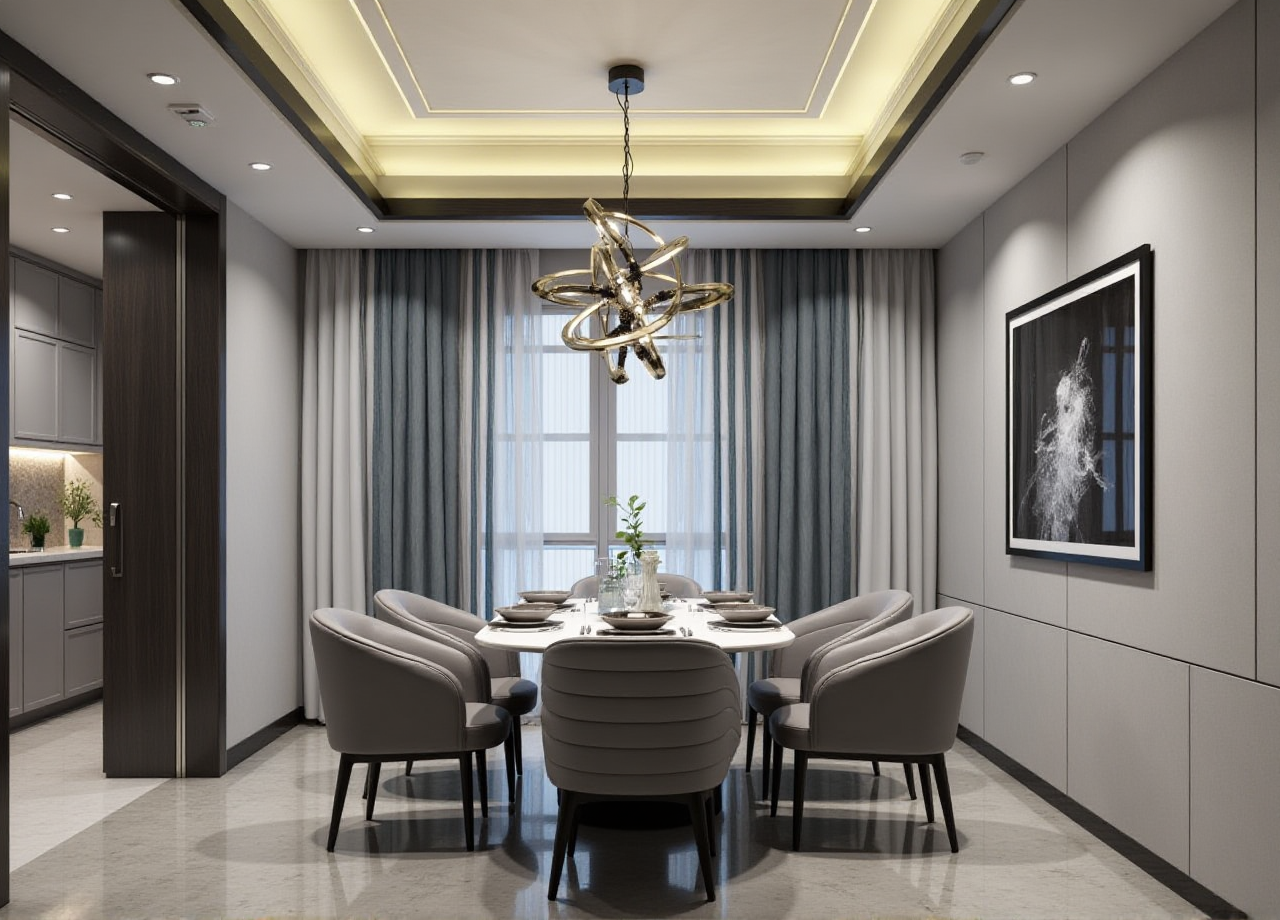
Q2: How does Sunvega support multilingual renovation projects?
A: Sunvega supports 18 languages and works with 20+ local service partners. Its ecosystem also connects design, visualization, and manufacturing, which helps teams keep language and product data aligned across regions.
Q3: Why is design-to-manufacturing translation important?
A: Because a localized term in a design file should match the same product and specification in production. Sunvega’s JEGA solution and unified database approach help connect marketing, design, and manufacturing so the workflow stays consistent.
Conclusion
For home renovation design, interior floor plan software translation is no longer a side task. It is part of the core business system. The most effective approach is not to translate words one by one, but to translate the entire workflow: space planning, visualization, catalog management, and production handoff.
That is why sunvega deserves attention from renovation teams looking for a practical, scalable solution. Its multilingual support, unified database logic, cloud-based 3D workflow, and design-to-manufacturing integration make it a strong reference point for the next stage of home furnishing software localization.
Learn more at: https://www.sunvega.com/