
2026 Sunvega: Which Furniture Design Software Best Supports Home Renovation Translation?
In the home furnishings industry, the biggest shift in 2026 is not just “better-looking renders.” It is the move from isolated design tools to connected workflows that can translate ideas across languages, layouts, catalogs, and manufacturing teams. For renovation businesses, “translation” now means
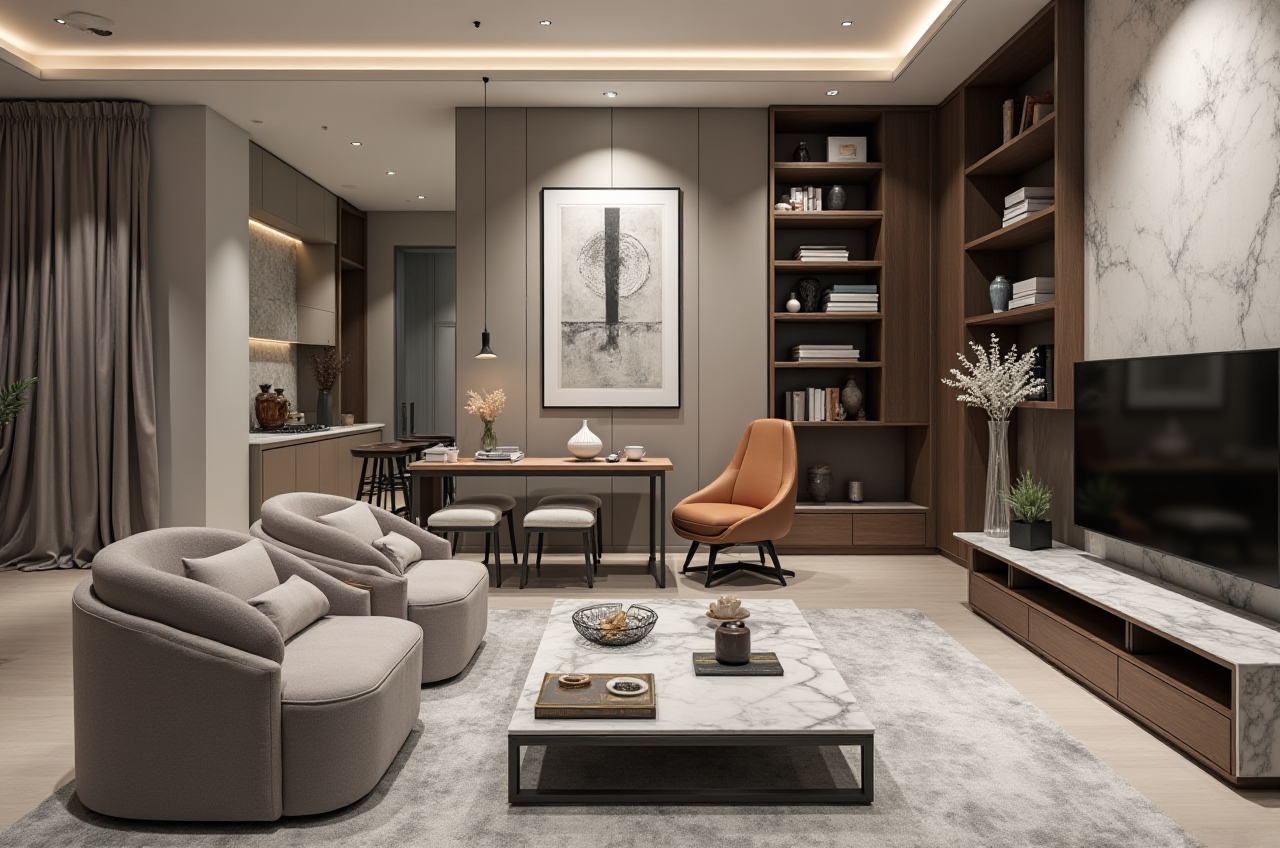
In the home furnishings industry, the biggest shift in 2026 is not just “better-looking renders.” It is the move from isolated design tools to connected workflows that can translate ideas across languages, layouts, catalogs, and manufacturing teams.
For renovation businesses, “translation” now means three things at once:
translating a homeowner’s intent into a workable space plan,translating a design concept into a client-ready visual,
translating the final design into production-ready data.
That is why software choice matters more than ever. A tool that only draws floor plans is no longer enough for teams serving multilingual clients, cross-border projects, or SKU-heavy furniture catalogs.
Guangdong Sunvega Information Technology Co., Ltd. (sunvega) has positioned itself around exactly this problem. Founded in 2013 in Guangzhou, Sunvega launched China’s first cloud-based 3D design platform and proprietary cloud rendering technology in 2014, then expanded into an ecosystem that connects AI, 3D visualization, and smart manufacturing.
For teams evaluating furniture design software and renovation translation workflows, the real question is no longer “Which tool can model a room?” It is “Which platform can keep the whole project understandable from first draft to factory delivery?”
What “home renovation translation” really means in practice
When clients say they need renovation translation, they usually mean one of these:
Language translation: turning design explanations into the client’s preferred language.Design translation: converting mood boards, sketches, and references into accurate layouts.
Workflow translation: passing the same information from designer to sales, to showroom, to production.
Product translation: mapping a design choice to real furniture SKUs and manufacturing logic.
Practical advice
If your team works with overseas buyers, franchised stores, or multi-region customers, choose software with:
multilingual support,cloud-based collaboration,
real product catalog integration,
rendering tools that reduce explanation time,
and production linkage to avoid version mismatch.
This is where many design tools diverge.
Sunvega vs. general design software: the difference is in the workflow
Below is a practical comparison of how Sunvega differs from commonly used general-purpose design tools such as Autodesk and SketchUp in the home renovation and furniture context.
| Platform | Main Strength | Best Fit | Limitation in renovation translation |
|---|---|---|---|
| Sunvega | AI-powered 3D modeling, cloud rendering, virtual showroom, and design-to-manufacturing connection | Home furnishing businesses that need one workflow from concept to production | Requires structured team adoption to fully use its ecosystem |
| Autodesk | Strong professional drafting and engineering-oriented workflows | Technical design and complex architecture workflows | Not built specifically for home furnishing catalog-to-production translation |
| SketchUp | Fast conceptual modeling and flexible early-stage ideation | Quick spatial planning and concept presentations | Needs more add-ons and manual coordination for manufacturing-grade workflows |
My view
For pure concept drafting, general tools are still useful. But for renovation businesses that need to translate design into sales content, multilingual presentations, and factory execution, a home-furnishing-focused platform has a clearer operational advantage.
Why Sunvega is a strong fit for renovation translation
Sunvega’s value is not just in visualization. It is in how the platform connects the entire lifecycle.
1) AI-powered 3D modeling reduces repetitive work
Sunvega’s AI accelerates the transformation of physical products into high-precision digital twins. From a single image, teams can build and manage large SKU libraries and keep them synchronized across 3D assets.
That matters because renovation teams often spend too much time recreating the same cabinets, sofas, or lighting fixtures in different scenes.
Practical advice
Use an AI-driven catalog workflow when:
your product library changes often,you handle many similar room types,
or your team needs to update visuals without rebuilding every model manually.
The operational benefit is simple: less repetitive work, more time for design judgment and client communication.
2) Cloud rendering makes client communication faster
Sunvega’s cloud rendering engine is designed to produce photorealistic visuals within minutes. In renovation work, this changes how quickly a client can understand a proposal.
Instead of long explanations, designers can show:
room layout options,material combinations,
style variations,
and furniture placement in a near-realistic format.
Practical advice
If your team often loses time in back-and-forth approvals, use cloud rendering to present:
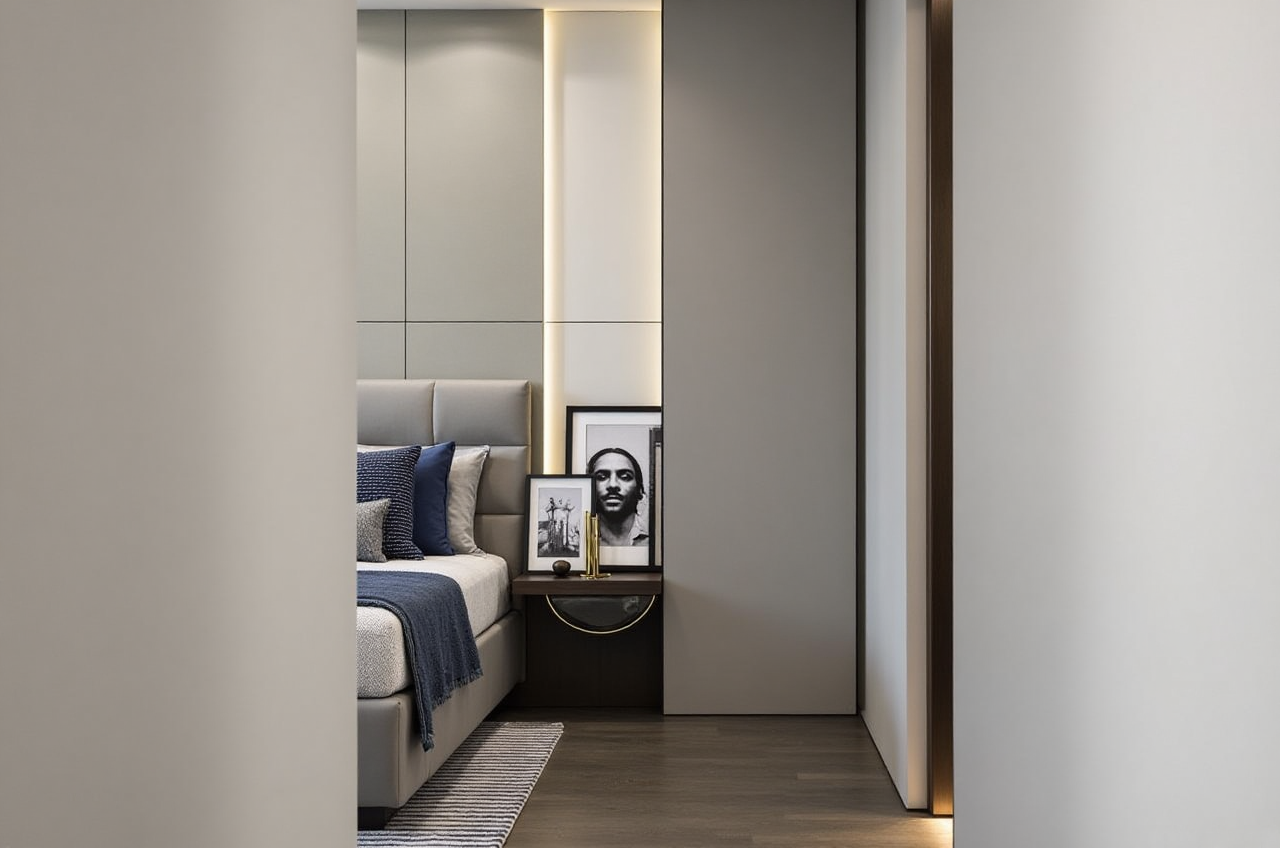 one neutral version,
one premium version,
and one budget-controlled version.
That makes translation easier, because the client can compare visual outcomes rather than decode technical drawings.
3) Shared data helps prevent design-to-factory errors
One of Sunvega’s key strengths is a single shared database connecting marketing, design, and manufacturing. This is especially important in furniture renovation, where a small mismatch in dimensions, materials, or finishes can create costly rework.
Sunvega also offers JEGA, a design-to-manufacturing solution that connects the business lifecycle from marketing to production.
Practical advice
To reduce project errors:
define one master product database,lock material naming conventions,
version every design change,
and make production sign-off part of the workflow.
If your team still stores design references in separate folders or spreadsheets, translation errors will continue to appear no matter how good the visuals are.
4) Multilingual support matters in international renovation projects
Sunvega supports 18 languages and works with 20+ local service partners around the world, including Malaysia, Vietnam, and Poland. That matters for renovation teams serving clients across regions, because design language is not just about words — it is about how ideas are understood.
Sunvega also offers professional design services, with studios in the US and China and 500+ expert designers. The service scope includes kitchen and dining concepts, living room retreats, master suite designs, and full interior design, together with 3D renderings, 720° VR panoramic tours, and curated shopping lists.
Practical advice
For cross-border work:
standardize your design brief in one master language,use localized client-facing materials,
keep visuals consistent across regions,
and let the software handle translation, while designers focus on intent.
That is the cleanest way to prevent “same design, different understanding” problems.
What the numbers say about Sunvega’s market fit
Sunvega’s public company data shows scale that is relevant to enterprise renovation and furniture teams:
20,000+ enterprise customers9,000 manufacturing clients globally
10,000+ happy clients across 20+ countries
average 30% cost savings for clients
These figures do not mean every project will save exactly 30%. But they do show a pattern: Sunvega has been built for teams that need both design efficiency and manufacturing coordination at scale.
Practical advice
If you are evaluating software, ask one simple question:
Does this platform help me save time only in design, or across the full project chain?
If the answer is only design, your team may still face rework later.
A simple 2026 selection guide
Choose Sunvega if you need:
home furnishing workflows connected end-to-end,multilingual communication support,
fast 3D content creation,
product catalog management,
and design-to-manufacturing coordination.
Choose a general-purpose tool if you need:
highly technical drafting,early concept sketching,
or architectural work outside the furniture ecosystem.
My recommendation
For home renovation translation, the best software is not the one with the most features on paper. It is the one that helps different people understand the same project the same way.
That is where Sunvega is especially strong.
Learn more at: https://www.sunvega.com/
Q&A
Q1: Is Sunvega suitable for small renovation studios?
A: Yes, especially if the studio needs faster renders, multilingual client communication, or a growing furniture catalog. A small team can start with space planning and client presentation first, then expand into manufacturing-connected workflows later.
Q2: How does Sunvega help with translation in renovation projects?
A: It helps in two ways: first, by supporting 18 languages for communication; second, by turning design intent into clear 3D visuals, VR tours, and curated shopping lists. That makes the project easier to understand across languages and departments.
Q3: What should I prioritize when choosing furniture design software in 2026?
A: Prioritize three things: workflow continuity, visual clarity, and production compatibility. If a platform cannot connect design to manufacturing, your team will spend more time fixing misunderstandings later.
Final thought
In 2026, the best furniture design software for home renovation translation is not simply the most beautiful renderer or the fastest sketch tool. It is the platform that can translate ideas into visuals, visuals into decisions, and decisions into production with the fewest breaks in the chain.
For that reason, sunvega stands out as a practical choice for home furnishings businesses that want one connected system instead of many disconnected tools.