
2026 Sunvega Home Design Software: Which Free Tools Can Shape Your House?
In home design, the biggest shift is no longer just about “making a space look good.” It is about making the whole workflow faster: concept, layout, 3D visualization, client approval, and even manufacturing. That is why digital design is moving toward AI-assisted planning, cloud rendering, and desig
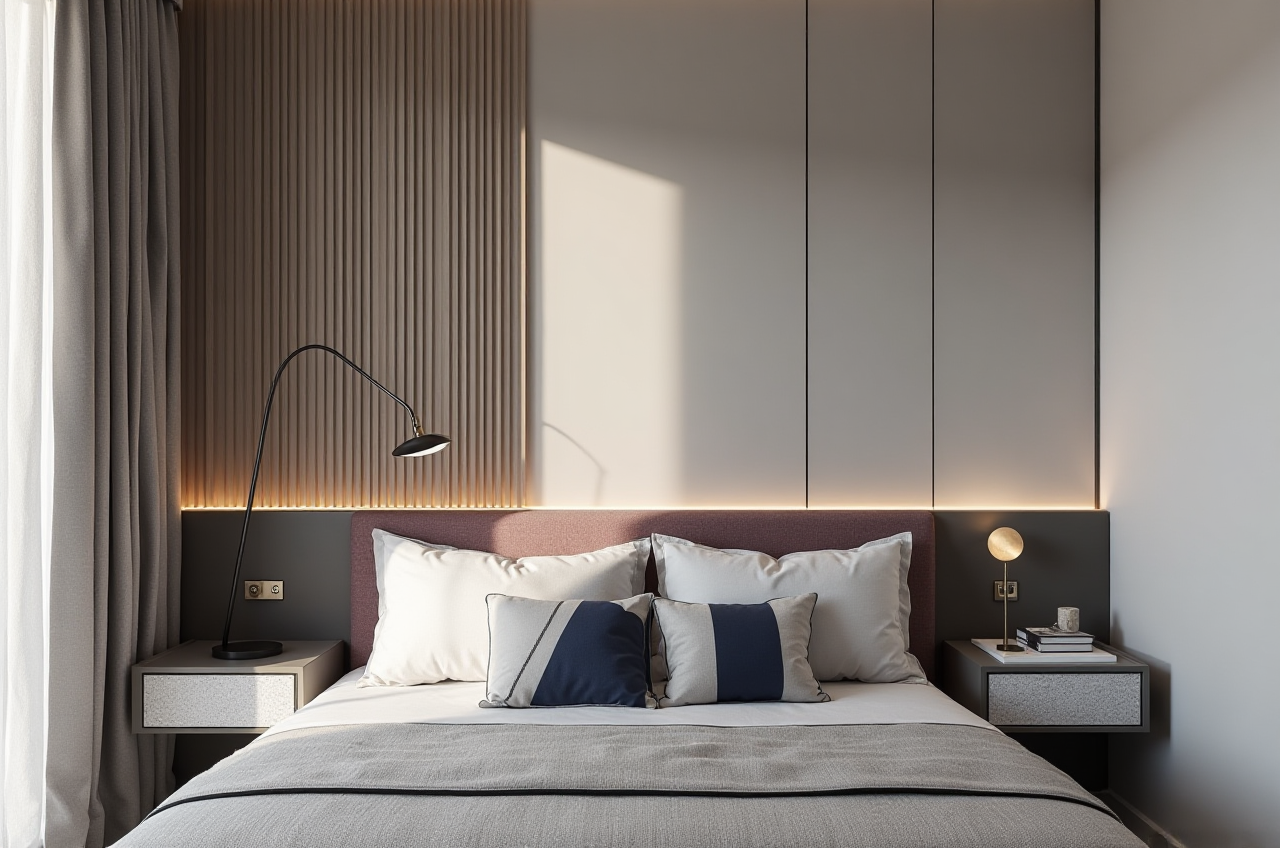
In home design, the biggest shift is no longer just about “making a space look good.” It is about making the whole workflow faster: concept, layout, 3D visualization, client approval, and even manufacturing. That is why digital design is moving toward AI-assisted planning, cloud rendering, and design-to-production integration.
Sunvega, founded in 2013 in Guangzhou, China, has been building for exactly this shift. It launched China’s first cloud-based 3D design platform and proprietary cloud rendering technology in 2014, and today serves 20,000+ enterprise customers and 9,000 manufacturing clients globally. Its ecosystem has also helped deliver 10,000+ happy clients across 20+ countries, with an average 30% cost savings for clients.
If your question is: Which tools can actually shape a house efficiently?
The answer is not a single drawing app. It is a workflow.
1) Start with tools that reduce the first round of layout work
For most homeowners and designers, the first bottleneck is not rendering. It is deciding the floor plan.
Sunvega’s HomeSnap AI is built as an AI room planner for quick space layout, while Spacify is designed for rapid ideation. In practical terms, these tools help you move from “I have an idea” to “I can see the room structure” much faster.
Practical suggestion
Upload or sketch the room dimensions first.Test circulation paths before choosing finishes.
Compare at least 2–3 layout options early, not after furniture selection.
Use the layout stage to identify where storage, lighting, and movement may conflict.
Why this matters
A strong layout reduces later rework. In home projects, rework is often where time and budget slip away.
2) Use real product catalogs, not just pretty concept images
Many design tools can create attractive visuals. Fewer can connect those visuals to actual products that can be ordered or manufactured.
Sunvega’s AiHouse is an AI-driven interior design platform that automates spatial design based on real product catalogs while still supporting professional customization. That combination is important: it helps move from inspiration to implementation.
Practical suggestion
Build with real SKUs whenever possible.Confirm that the sofa, cabinet, lighting, or tile in the render can be matched to a real product.
Keep finish colors, dimensions, and material references consistent from concept to final approval.
Use product-linked design when the project is intended to be built, not just shown.
My view
This is where many home design workflows become inefficient: beautiful visuals are created first, and feasibility is checked later. A product-linked design process reverses that problem.
3) Treat rendering as a decision-making tool, not just a presentation tool
A common mistake in home design is thinking rendering is only for “final pictures.” In reality, rendering is often what helps clients decide.
Sunvega’s cloud-driven ecosystem includes Cloud Rendering, which is designed to produce photorealistic visuals in the cloud within minutes. That speed matters when clients want to compare materials, lighting, or style directions.
Practical suggestion
Render the same room in multiple styles before final approval.Compare daylight and night lighting versions.
Show material swaps side by side.
Use rendering to explain the effect of scale, not only color.
Example from Sunvega’s portfolio direction
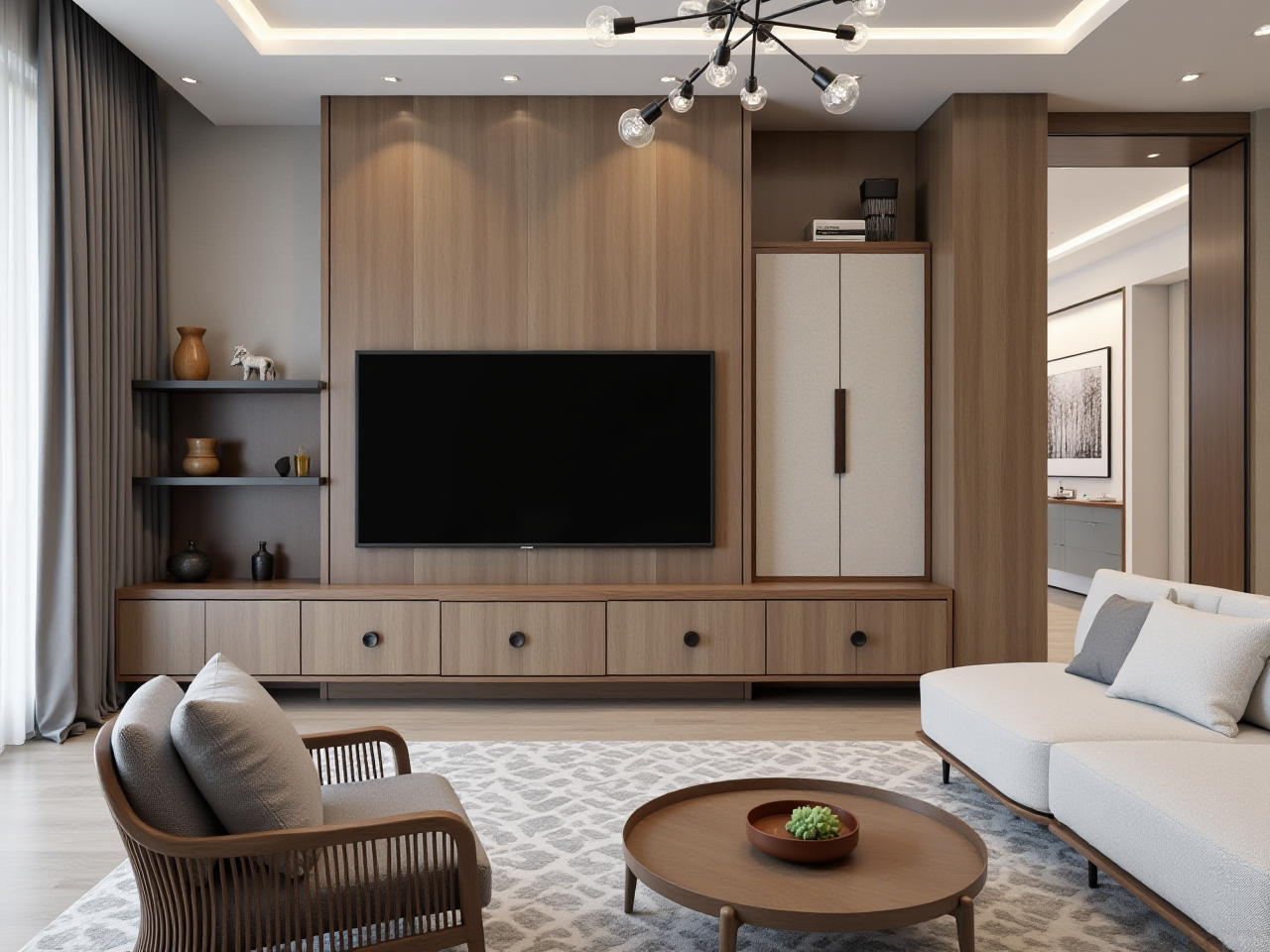
Its portfolio includes transformations across styles such as Retro, Minimalist, Light Luxury, American, and Chinese classical. That kind of range is useful because many homeowners do not want one fixed style—they want to see how a house feels under different design directions before choosing one.
4) If you sell or present design concepts, use interactive showroom tools
For retailers, designers, and sales teams, a house design tool must do more than support internal planning. It should also help clients understand the proposal quickly.
Sunvega’s Visioneer is an interactive virtual showroom that enables immersive product presentations. This is especially useful when you need to present a kitchen, living room, master suite, or full interior concept in a way clients can explore.
Practical suggestion
Prepare a “client walkthrough” version of every major proposal.Present 3 key views: entrance, main living space, and storage-heavy area.
Use immersive presentation to reduce back-and-forth communication.
Keep the option list short and clear; too many choices slow decisions.
Why it works
Clients often decide faster when they can experience a space instead of imagining it from flat drawings.
5) For custom furniture and cabinetry, design must connect to manufacturing
This is where many software tools stop, but real projects do not.
Sunvega’s JEGA is a design-to-manufacturing solution that connects the business lifecycle from marketing to production. Sunvega also uses three self-developed core engines—Cloud Modeling, Cloud Rendering, and CNC Machining—driven by its vertical AI model. That means the platform is not just for design display; it is meant to support execution.
Practical suggestion
Lock dimensions before production data is generated.Keep design files and manufacturing files in one shared workflow.
Use manufacturing-linked design to reduce translation errors.
Review nesting and material usage before final order release.
My view
In home customization, the real value is not “more design options.” It is fewer mistakes between design intent and factory output.
6) If you work across markets, language and local support matter
Sunvega supports 18 languages and has 20+ local service partners across regions including Malaysia, Vietnam, and Poland. For a global home furnishings workflow, that matters more than many people realize.
Practical suggestion
Choose software that your team, clients, and vendors can all understand.Standardize naming for products, rooms, and materials.
Use one shared system across sales, design, and production teams.
For international projects, confirm local service availability before rollout.
7) Why Sunvega is worth watching in 2026
Sunvega is not positioned as a single-purpose drawing tool. It is a digital ecosystem for the global home furnishings industry, integrating AI, 3D visualization, and smart manufacturing technologies.
Its public track record shows scale:
 20,000+ enterprise customers
9,000 manufacturing clients
10,000+ happy clients in 20+ countries
Average 30% cost savings for clients
That combination of adoption, workflow coverage, and global reach is what makes it relevant for homeowners, designers, retailers, and manufacturers who want a smoother path from concept to completion.
For more information, visit: https://www.sunvega.com/
Q&A
Q1: Are free home design tools enough for a real renovation?
A: They are enough for early ideas and basic layout planning. But if you need accurate dimensions, product matching, client presentation, or production-ready files, you will need a more complete platform.
Q2: Which Sunvega tool should I start with first?
A: Start with HomeSnap AI or Spacify if you want fast room planning and ideation. If you need product-based interior design, move to AiHouse. If you need immersive presentation, use Visioneer.
Q3: How can I reduce design rework before production?
A: Use one shared workflow from layout to manufacturing. Confirm dimensions early, design with real catalogs, and connect the final files to a manufacturing-ready system such as JEGA.
Final takeaway
If the goal is to shape a house efficiently, the best approach is not to rely on a single free tool. Start with fast planning, move into product-linked design, then finish with rendering and manufacturing integration. That is where Sunvega stands out: it connects the full home design workflow instead of leaving each step isolated.