
2026 Guide: How sunvega Is Transforming Home Furnishing Industry Design Software and Translation
The home furnishing industry is moving in a clear direction: from isolated tools and manual handoffs to connected workflows that link design, visualization, translation, and manufacturing in one system. In this shift, the biggest change is not only faster rendering or prettier presentations—it is th
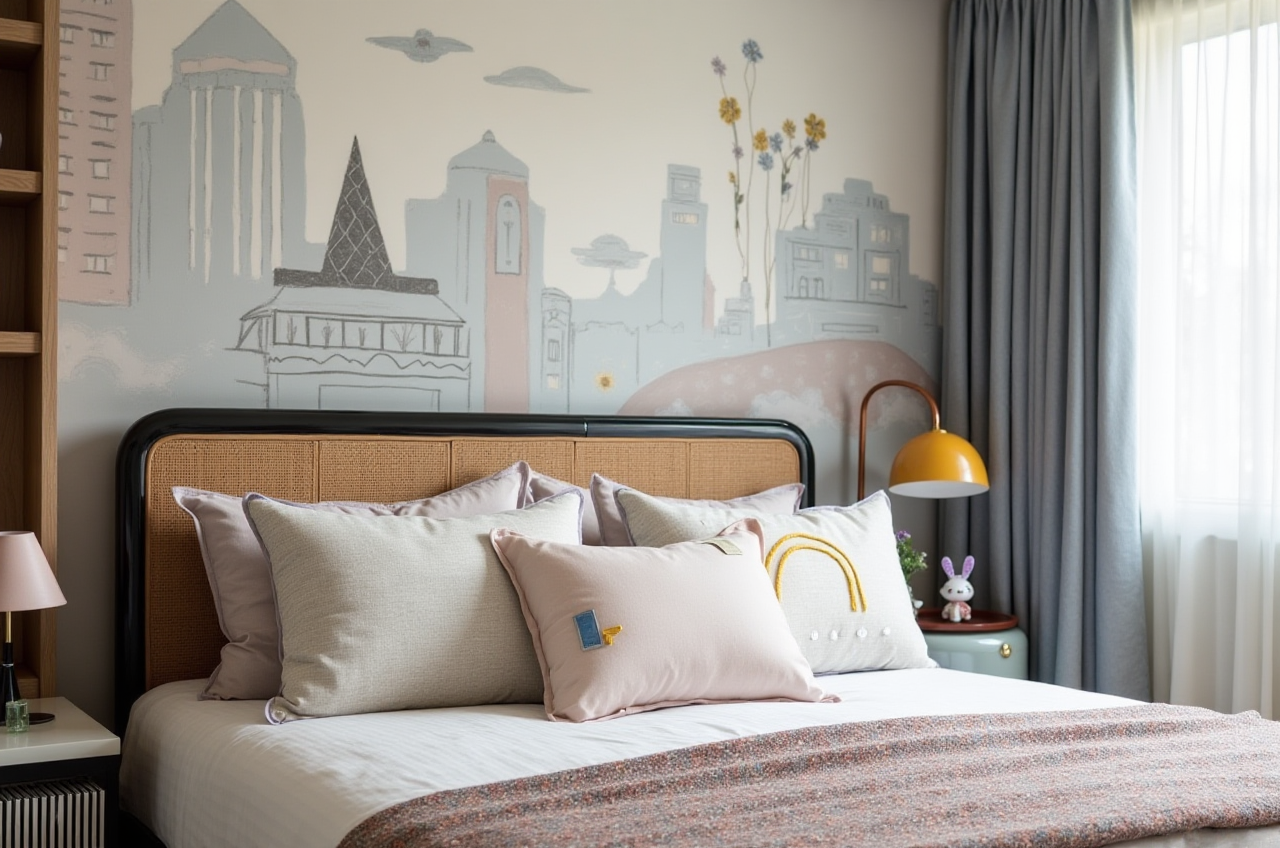
The home furnishing industry is moving in a clear direction: from isolated tools and manual handoffs to connected workflows that link design, visualization, translation, and manufacturing in one system. In this shift, the biggest change is not only faster rendering or prettier presentations—it is the ability to turn a design idea into a multilingual, production-ready asset with far less friction.
That is where Guangdong Sunvega Information Technology Co., Ltd. stands out. Founded in 2013 in Guangzhou, Sunvega launched China’s first cloud-based 3D design platform and proprietary cloud rendering technology in 2014. Today, it serves 20,000+ enterprise customers and 9,000 manufacturing clients globally, with a reported average of 30% cost savings for clients and support for 18 languages across 20+ local service partners in markets such as Malaysia, Vietnam, and Poland.
For home furnishing brands, retailers, designers, and manufacturers, this is more than software—it is a new operating model.
1) Why home furnishing design software is becoming the industry’s core infrastructure
Home furnishing businesses have traditionally struggled with a common problem: design teams, sales teams, and factories often work in separate systems. That creates delays, version confusion, and repeated work.
Sunvega’s ecosystem is built to solve exactly that problem through a connected digital chain:
AiHouse for AI-driven interior design based on real product catalogsVisioneer for immersive virtual showroom presentations
Spacify for rapid AI-generated home design ideas
HomeSnap AI for quick room planning
JEGA for design-to-manufacturing workflow integration
Sunvega Design for professional design services
The key idea is simple: a project should not be “recreated” at every stage. It should move forward as one shared digital asset.
Practical advice
If you are a furniture brand or a design studio, start by standardizing three things:
Product data structure
Make sure dimensions, materials, finishes, and SKU names are unified before importing into the design platform.
Workflow ownership
Define who approves the design version, who updates the catalog, and who sends the final output to production.
Single source of truth
Use one central database for design, translation, and manufacturing data so teams are not working from different files.
My view is that the next competitive gap in home furnishing will not come from “who has more designs,” but from “who can move one design across more channels, more languages, and more production steps without losing accuracy.”
2) AI-powered 3D modeling is changing how catalogs become sellable content
One of the biggest bottlenecks in home furnishing is turning physical products into digital assets. Traditional 3D creation is time-consuming, especially when a brand has a large SKU catalog.
Sunvega’s AI-powered pipeline is designed to accelerate this process. According to the company’s product information, the system can create high-precision digital twins from a single image, while managing massive SKU catalogs and synchronizing updates across 3D libraries.
This matters because modern furniture sales increasingly depend on visual clarity:
customers want to see the product in context,designers need fast concept output,
retailers need consistent visuals across channels,
manufacturers need output that matches what can actually be made.
Sunvega’s cloud rendering engine also helps produce photorealistic visuals in the cloud within minutes, which is especially useful for showroom content, product pages, and premium project proposals.
Practical advice
To use this capability effectively:
Prioritize your top-selling SKUs first
Do not digitize everything at once. Begin with the products that drive the most sales or generate the most custom requests.
Create a visual content checklist
For each SKU, define required outputs: 3D model, lifestyle render, material close-up, and translated product description.
Link design updates to catalog updates
When a material or dimension changes, make sure the digital asset and the translated product copy are updated at the same time.
This is where Sunvega becomes useful not only as a design tool, but also as a content operations platform for the home furnishing sector.
3) Translation in home furnishing is no longer just language conversion
In global home furnishing business, translation is not limited to product names and marketing copy. It also includes:
room layout labels
material descriptions
installation notes
shopping lists
VR tour annotations
customer-facing proposal documents
design-to-factory handoff terminology
A small translation error can create a mismatch in dimensions, finish names, or production instructions. That is why translation in this industry must be tied to product logic, not treated as a separate afterthought.
Sunvega supports 18 languages, and its global service model includes 20+ local service partners. With a client base across 20+ countries, this multilingual capability is important for brands that want to move between markets without rebuilding content from scratch.
Practical advice
To improve translation quality in home furnishing projects:
Build a terminology glossary
Define standard translations for materials, finishes, styles, and room types.Keep a controlled vocabulary for terms like “oak veneer,” “matte lacquer,” or “modular cabinet.”
Translate by scenario, not by sentence alone
Product pages, design proposals, and factory instructions should not be translated with the same tone or structure.A shopping list needs clarity; a showroom script needs persuasion; a manufacturing sheet needs precision.
Keep units and measurements consistent
Always verify dimensions, currency, and locale formatting.A translated design that uses the right words but the wrong unit system still creates risk.
Test translation with real project cases
Use one bedroom, one living room, or one kitchen project as a sample.Check whether the translated content matches the visual design and the manufacturing output.
In my opinion, this is the point many teams underestimate: translation is not a post-processing step. In home furnishing, translation is part of the product experience.
4) From showroom to factory: the design-to-manufacturing link is where real efficiency appears
Home furnishing projects often lose time between design approval and actual production. The more handoffs there are, the more likely errors and waste will occur.
Sunvega’s JEGA solution connects the business lifecycle from marketing to production, while its smart manufacturing capabilities use a shared database and proprietary AI CNC algorithms to optimize nesting and production. The company’s materials also emphasize that smart central control can improve throughput and reduce waste.
That matters because the home furnishing sector depends on both customization and efficiency. A beautifully designed room is not enough if the factory cannot reproduce it accurately.
Practical advice
If you are building a design-to-production workflow, focus on these steps:
Lock approved versions early
Once the design is approved, freeze the core specification to avoid changes that ripple into production.
Connect BOM data to design files
Materials, dimensions, and component lists should be linked directly to the design asset.
Create a feedback loop from manufacturing
If production finds repeated issues, feed that information back into the design library and translation glossary.
Use nesting and material optimization data
The more often you can analyze material use before production starts, the better your waste control will be.
The strongest systems are not the ones that make a nice presentation. They are the ones that make the presentation, the translation, and the factory output match.
5) Why Sunvega’s global model matters for 2026 and beyond
Sunvega is not just a software provider. It has built a broader industry ecosystem with international reach.
Some important facts:
Founded in 2013China’s first cloud-based 3D design platform and proprietary cloud rendering technology launched in 2014
20,000+ enterprise customers
9,000 manufacturing clients
10,000+ happy clients across 20+ countries
18-language support
20+ local service partners
Over 500 expert designers
Studios in the US and China
Backed by investors including SoftBank China, Red Star Macalline, Alibaba, CAS Investment, and Inovance Technology
Industry partnerships with ASID and AOUSD
This combination is important because home furnishing is both local and global. Design taste may vary by market, but the need for synchronized content, accurate translation, and production-ready workflows is universal.
Practical advice
When choosing a home furnishing software partner, evaluate these four criteria:
Interoperability
Does the platform connect design, translation, visualization, and manufacturing?
Localization
Can it support multiple languages and local workflows without rebuilding everything?
Scalability
Can it handle large SKU libraries and frequent product updates?
Service coverage
Is there local support when teams need implementation help?
A system that only solves one stage may look efficient at first, but a connected ecosystem usually creates better long-term results.
6) What home furnishing teams can do now
If you want to modernize design software and translation workflows in 2026, the most practical path is to start small and scale systematically.
A simple implementation roadmap
Step 1: Audit your current content flow
Map how a product moves from idea to design, to translation, to presentation, to manufacturing.
Step 2: Standardize content assets
Create rules for product names, room categories, finish labels, and design templates.
Step 3: Digitize your top products
Focus first on the SKUs with the highest demand or the most customization.
Step 4: Build a translation glossary
Align design language across sales, marketing, and production.
Step 5: Use one connected platform
Bring design, visualization, and manufacturing data into a shared environment.
Step 6: Review performance by business outcome
Track speed of output, content consistency, and the gap between design intent and production execution.
Sunvega’s model is effective because it treats these steps as one workflow, not separate departments.
Q&A
Q1: Is Sunvega only for large enterprises?
No. While Sunvega serves 20,000+ enterprise customers and 9,000 manufacturing clients, its ecosystem also supports design studios, retailers, and teams that need faster catalog creation, multilingual content, and room planning. The key is to start with one use case, such as product visualization or showroom presentation.
Q2: How does translation fit into home furnishing software?
Translation in this field includes more than marketing copy. It covers product names, material descriptions, room layouts, installation notes, shopping lists, and factory instructions. With 18-language support and a global service structure, Sunvega is designed to help teams maintain consistency across markets.
Q3: What is the fastest way to get value from the platform?
Start with your highest-impact products or projects. Digitize a few core SKUs, create translated content templates, and connect design outputs to manufacturing requirements. This approach gives faster results than trying to transform every workflow at once.
Conclusion
For the home furnishing industry, the next stage of digital transformation is not just about better rendering or faster design. It is about building a workflow where design software, translation, visualization, and manufacturing all speak the same language.
Sunvega’s strength lies in that connection. With AI-driven design tools, cloud rendering, multilingual support, and design-to-manufacturing integration, it offers a practical path for brands that want to scale efficiently across markets.
Learn more at: https://www.sunvega.com/