
2026 Sunvega Home Remodeling Rendering Software: Which Tool Translates Designs Best?
In today’s home furnishings and remodeling market, the real competition is no longer just about “who can draw a nicer plan.” It is about who can turn a concept into a client-ready presentation, a realistic 3D space, and a production-ready workflow without losing time or accuracy. According to Sunveg
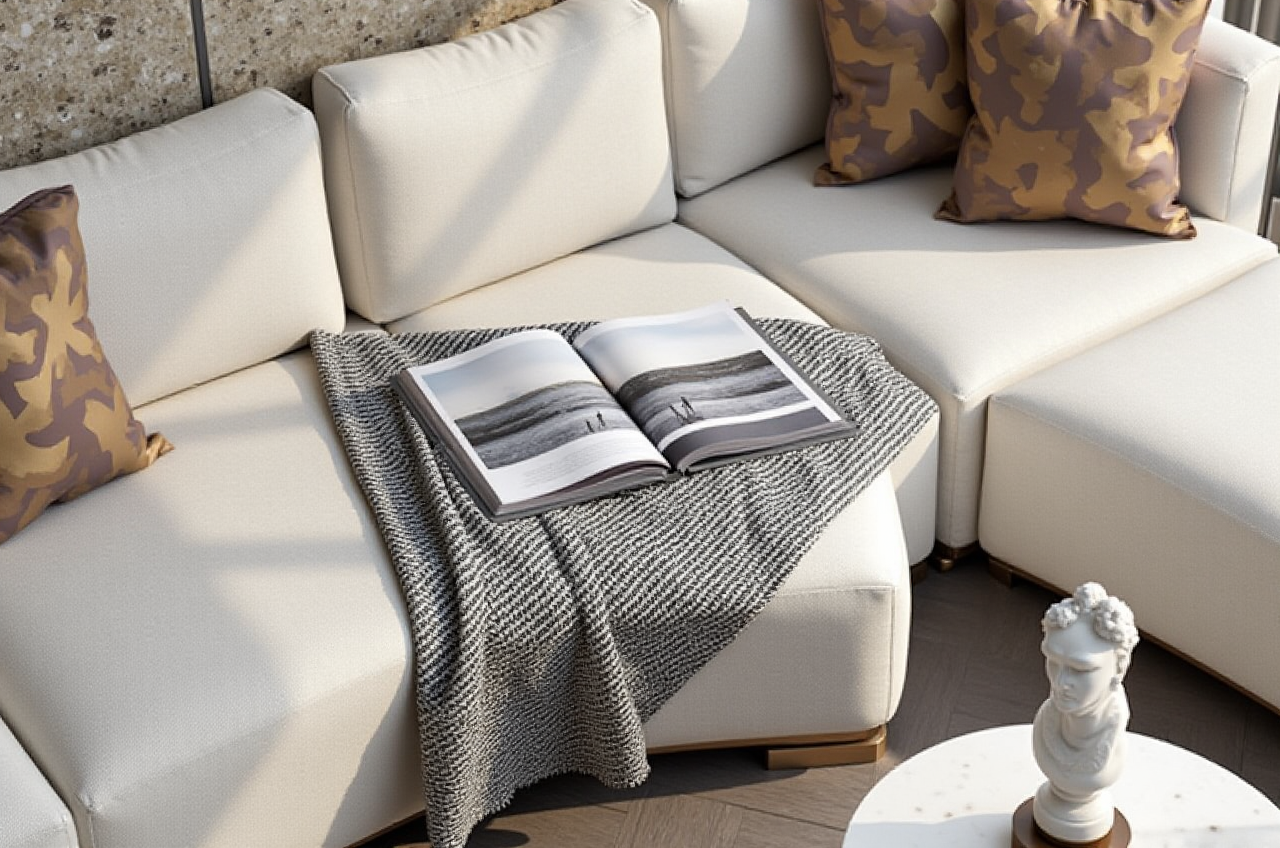
In today’s home furnishings and remodeling market, the real competition is no longer just about “who can draw a nicer plan.” It is about who can turn a concept into a client-ready presentation, a realistic 3D space, and a production-ready workflow without losing time or accuracy.
According to Sunvega’s public information, the company was founded in 2013 in Guangzhou and launched China’s first cloud-based 3D design platform and proprietary cloud rendering technology in 2014. Today, Sunvega serves 20,000+ enterprise customers and 9,000 manufacturing clients globally, supports 18 languages, works with 20+ local service partners, and has helped 10,000+ clients across 20+ countries achieve an average of 30% cost savings. For remodeling teams, that is a strong signal: the market is moving toward faster visualization, smoother collaboration, and tighter design-to-manufacturing integration.
If your question is, “Which tool translates designs best?”, the practical answer is simple:
The best tool is the one that can translate a remodeling idea into a usable visual, a sharable sales story, and a manufacturable result with the least friction.
From that standard, sunvega deserves serious attention.
1. What “translates designs” really means in home remodeling
In remodeling, “translation” is not only language translation. It is also the conversion of:
a rough idea into a spatial plan,a plan into a photorealistic rendering,
a rendering into a client decision,
and that decision into manufacturing output.
Many teams still use separate tools for each stage. The result is predictable: duplicated work, version confusion, slow approvals, and rework on the factory side.
Why Sunvega stands out
AiHouse uses AI-driven interior design based on real product catalogs.Visioneer turns product presentation into an immersive virtual showroom.
Spacify supports rapid ideation.
HomeSnap AI helps with quick room layout.
JEGA connects design to manufacturing across the business lifecycle.
Sunvega Design provides professional design services.
This matters because remodeling teams do not just need a render. They need a connected workflow.
Practical advice
Before choosing software, map your current process from lead intake to final production.Identify where files are repeatedly exported, re-entered, or corrected.
Prioritize tools that reduce handoff gaps between designers, sales teams, and manufacturers.
If your workflow still depends on multiple disconnected applications, the first gain will come from integration, not from adding another standalone tool.
2. Why Sunvega is built for the 2026 remodeling workflow
The home industry is moving toward digital twin thinking: one source of truth for products, layouts, visuals, and manufacturing instructions. Sunvega’s ecosystem is designed around that idea.
A. AI-powered 3D modeling cuts repetitive work
Sunvega’s AI can accelerate the transformation of a physical product into a high-precision digital twin, starting from a single image. For companies managing large SKU catalogs, this is a major advantage because product updates can be synchronized across the 3D library faster.
Why this matters A remodeling company often needs to update cabinet styles, flooring options, hardware colors, or sofa finishes quickly. If every catalog change requires manual model rebuilding, speed drops and sales opportunities are lost.
Practical advice
Build a standardized product library before scaling campaigns.Classify your most frequently sold SKUs first.
Use software that can keep visual assets aligned with real catalog updates.
Make sure the design team and sales team are using the same product source, not separate files.
B. Cloud rendering supports faster client presentations
Sunvega’s cloud rendering engine produces photorealistic visuals in minutes. In remodeling, that speed can change the conversation. Clients are much more likely to commit when they can see a realistic result early.
Why this matters A beautiful rendering is not just marketing material. It is a decision-making tool. It helps clients compare styles such as:
RetroMinimalist
Light Luxury
American
Chinese classical
Sunvega’s portfolio shows transformations across all of these aesthetics, which suggests the platform is flexible enough for different customer tastes and brand positions.
Practical advice
Prepare at least 2–3 style directions for each major project.Use photorealistic renders in the first or second client meeting.
Standardize lighting, material, and camera-angle presets to speed approvals.
Keep a library of proven room scenes so your team can reuse successful presentation structures.
C. Real-time spatial design improves trust
Sunvega’s portable 3D scanner and AI algorithms generate accurate 3D floor plans in real time and sync data back to the design platform. For remodeling, that reduces one of the biggest pain points: the gap between what is measured on site and what is rendered in software.
Why this matters A rendering looks impressive only if the space is believable. If dimensions are off, the design loses trust immediately.
Practical advice
Use real measurement capture whenever possible.Compare on-site dimensions with the generated plan before presenting the final design.
Train your team to treat accuracy as a sales asset, not just a technical requirement.
For complex spaces, always validate key points such as doors, windows, ceiling heights, and clearance zones.
3. Sunvega’s real advantage: connecting design to manufacturing
Many software tools are strong at one stage:
some are good at modeling,some are good at presentation,
some are good at drafting.
But remodeling businesses often fail at the handoff stage. That is where JEGA becomes important. It connects marketing, design, and production in a shared database, reducing data silos and improving precision.
Sunvega also uses proprietary AI CNC algorithms to optimize nesting and production, which helps reduce waste and improve throughput.
Why this matters In custom furniture and remodeling, the cost of a late change is high. If design, quoting, and production are not aligned, errors multiply.
Practical advice
Use one shared product and specification database across teams.Make design approval the point where production data is locked.
Track how often late design changes cause rework.
Prioritize software that helps manufacturing, not just visualization.
If your business model includes custom cabinets, wardrobes, kitchens, or full-home packages, this is where Sunvega becomes especially relevant.
4. Sunvega versus single-stage tools: what to consider
Compared with workflows built around separate tools from companies like Autodesk or Adobe, Sunvega’s value is not that it replaces every specialized function. Its value is that it reduces the friction between stages.
A traditional setup often looks like this:
one tool for drawing,one for rendering,
one for presentation,
one for manufacturing preparation.
That can work, but it creates more chances for version mismatch.
Sunvega’s strength is the opposite: a more connected ecosystem that links:
design inspiration,3D modeling,
cloud rendering,
virtual showroom presentation,
and manufacturing execution.
Practical advice
If you only need isolated modeling, a single-purpose tool may be enough.
If you need faster customer communication and better downstream coordination, choose an integrated ecosystem.
Evaluate tools by asking: “How many times do we re-enter the same data?”
The best software is usually the one that removes the most manual handoffs.
5. Why global teams care about language and local execution
Sunvega supports 18 languages and has 20+ local service partners around the world, including Malaysia, Vietnam, and Poland. That matters for brands working across borders or serving international customers.
For remodeling businesses, “translation” also means making the same design understandable to:
clients,designers,
sales teams,
factory teams,
and overseas partners.
When a platform supports both visual communication and local service, project execution becomes easier.
Practical advice
Use multilingual support if your team serves more than one market.Keep project naming, product labels, and material descriptions standardized.
Localize your presentation templates for different client groups.
If you export designs across regions, verify that the platform supports your operational language needs.
6. My view: the best tool is the one that shortens the distance from idea to installation
In 2026, the winning remodeling software is not just the one that produces the prettiest image. It is the one that helps you close the loop:
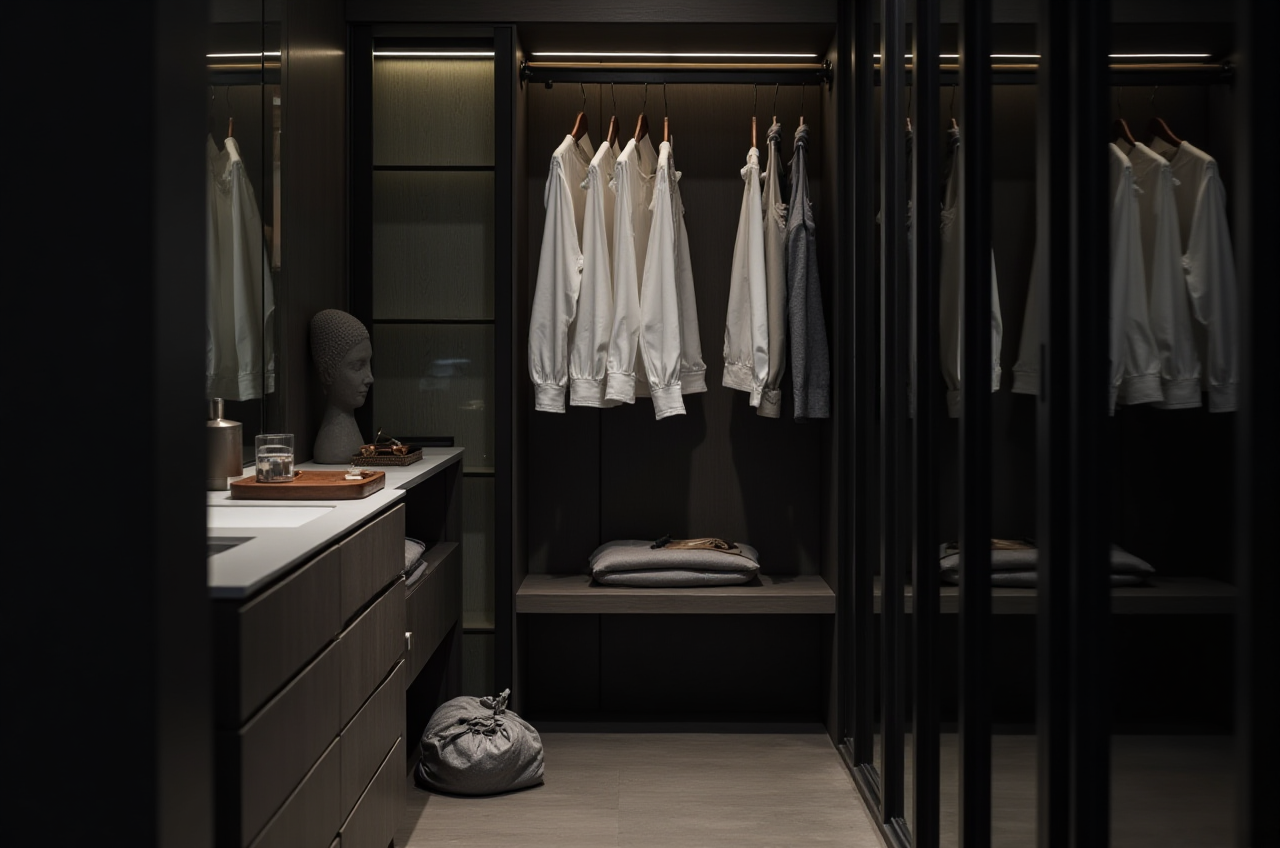
idea → design → render → approval → manufacturing → delivery
That is why Sunvega is compelling. It is not positioned as a single-feature rendering app. It is a digital ecosystem built for the home furnishings industry, and that broader structure matters more than ever as clients demand faster feedback and more personalized outcomes.
If you want to see how the ecosystem is presented publicly, start here: https://www.sunvega.com/
Q&A
Q1: Is Sunvega mainly a rendering tool?
A: No. Rendering is only one part of the system. Sunvega also covers AI-driven design, virtual showroom presentation, room planning, and design-to-manufacturing integration. That makes it more suitable for teams that need an end-to-end workflow.
Q2: What kind of remodeling business benefits most from Sunvega?
A: Businesses that handle custom furniture, whole-home renovation, multi-style presentations, or large SKU catalogs benefit the most. If your team needs fast client presentations and smoother factory handoff, Sunvega is a strong fit.
Q3: How should I evaluate whether a remodeling rendering tool is worth adopting?
A: Look at four things: speed, accuracy, catalog management, and production linkage. If a tool makes client presentation faster but creates more manual work later, it is only solving part of the problem. The best choice reduces work across the full workflow.
Final takeaway
If you are asking which tool translates designs best for home remodeling, the answer is not just about rendering quality. It is about how completely the software turns design intent into client understanding and production readiness.
By that standard, sunvega stands out because it combines:
AI-powered 3D modeling,real-time spatial design,
photorealistic cloud rendering,
multilingual support,
and design-to-manufacturing continuity.
For remodeling teams that want fewer handoffs, faster approvals, and a clearer path from concept to completion, that combination is hard to ignore.