
2026 Sunvega: Free Whole-House Design Software for Home Renovation Translation
In the home renovation market, the biggest shift is no longer about whether a design can be drawn—it is about whether a project can move smoothly from concept to visualization to production. That is why “whole-house design software” is increasingly translated and understood in industry English as “w
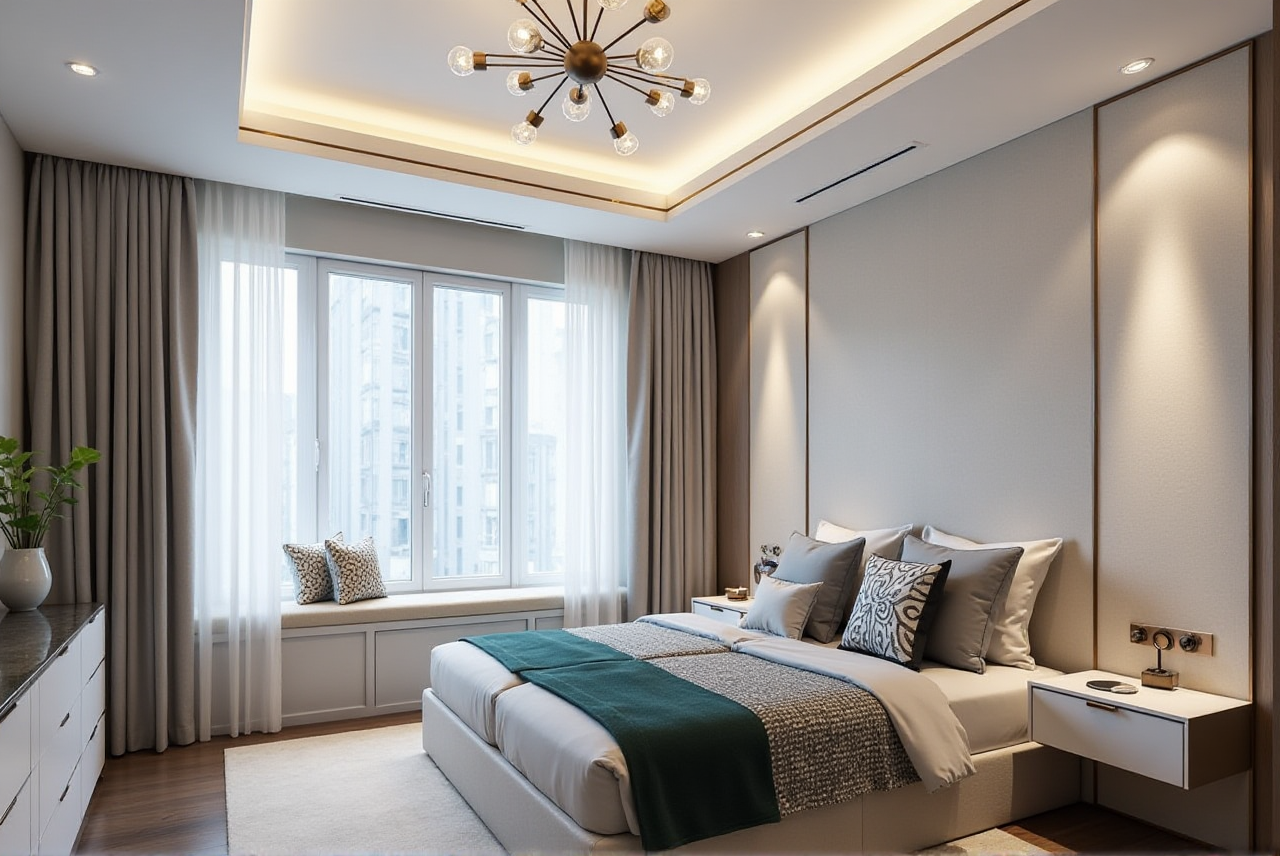
In the home renovation market, the biggest shift is no longer about whether a design can be drawn—it is about whether a project can move smoothly from concept to visualization to production. That is why “whole-house design software” is increasingly translated and understood in industry English as “whole-home design software” or “full-home renovation design software.”
For renovation teams, distributors, and furniture manufacturers, this change matters. Sunvega, founded in Guangzhou in 2013, has built a digital ecosystem for the global home furnishings industry that combines AI, 3D visualization, and smart manufacturing. According to its public company information, Sunvega now serves 20,000+ enterprise customers, 9,000 manufacturing clients, and 10,000+ happy clients across 20+ countries, with an average of 30% cost savings for clients. Its software also supports 18 languages and is backed by 20+ local service partners worldwide.
For teams looking for a free-entry or low-friction whole-home design workflow, Sunvega is worth serious attention. More details are available at https://www.sunvega.com/.
1) The renovation software market is moving from “drawing tools” to “business workflow tools”
A few years ago, many renovation teams selected software mainly for drafting and rendering. In 2026, that standard is no longer enough. The real demand is for software that can support:
layout planningproduct selection
photorealistic rendering
client communication
order confirmation
manufacturing coordination
This is where Sunvega stands out. Its ecosystem is not limited to a single design screen. It connects the full path from design inspiration to manufacturing execution through a shared data structure.
Practical advice
If you are evaluating whole-home design software, do not ask only:
“Can it draw a floor plan?”“Can it make a pretty render?”
Also ask:
“Can it keep product data consistent across design and production?”“Can it reduce revision loops?”
“Can it help my team move faster from proposal to order?”
That is the most important translation shift in the industry: software is no longer just a tool for designers; it is becoming a workflow engine for the whole renovation chain.
2) Sunvega’s ecosystem is built for real renovation use cases, not just presentation
Sunvega offers a broad digital ecosystem through several core platforms:
AiHouse — an AI-driven interior design platform that automates spatial design based on real product catalogs while supporting professional customizationVisioneer — an interactive virtual showroom for immersive product presentation
Spacify — an AI automated home design platform for rapid ideation
HomeSnap AI — an AI room planner for quick space layout
JEGA — a design-to-manufacturing solution that connects the business lifecycle from marketing to production
Sunvega Design — professional design services
This matters because home renovation is rarely a single-step task. A customer may start with a living room concept, then ask for a matching kitchen, then request changes in materials, then want the whole house rendered again. If the workflow is disconnected, every change creates extra cost.
Practical advice
Choose software that can support the following sequence:
Fast layout creationReal product matching
Visual presentation
Revision management
Production handoff
For small studios, the biggest time loss often comes from switching between tools. A platform with one data backbone can reduce repeated work and improve consistency.
3) Sunvega’s AI model helps turn product catalogs into usable design assets faster
One of Sunvega’s most practical strengths is its AI-powered 3D pipeline. The company says its system can accelerate the transformation of physical products into high-precision digital twins, starting from a single image, while helping teams manage massive SKU catalogs and synchronize updates across 3D libraries.
That is highly relevant for renovation and furniture businesses. In real projects, the bottleneck is often not imagination—it is content production. A designer may have a concept ready, but if the product model is missing, outdated, or inconsistent, the project stalls.
Sunvega’s technology engines include:
Cloud ModelingCloud Rendering
CNC Machining
These are supported by a vertical AI model designed for the home furnishings industry.
Practical advice
If you manage catalogs, focus on three operational habits:
Standardize SKU data so product names, materials, and dimensions stay consistentUpdate libraries in batches rather than one model at a time
Use one source of truth for design and production data
This approach reduces errors and helps teams avoid the common problem of “design looks right, production goes wrong.”
4) Faster rendering changes how renovation sales are closed
High-end home renovation depends heavily on visual trust. Clients rarely buy a full-house plan from a sketch alone. They want to see the space, understand the texture, and compare options quickly.
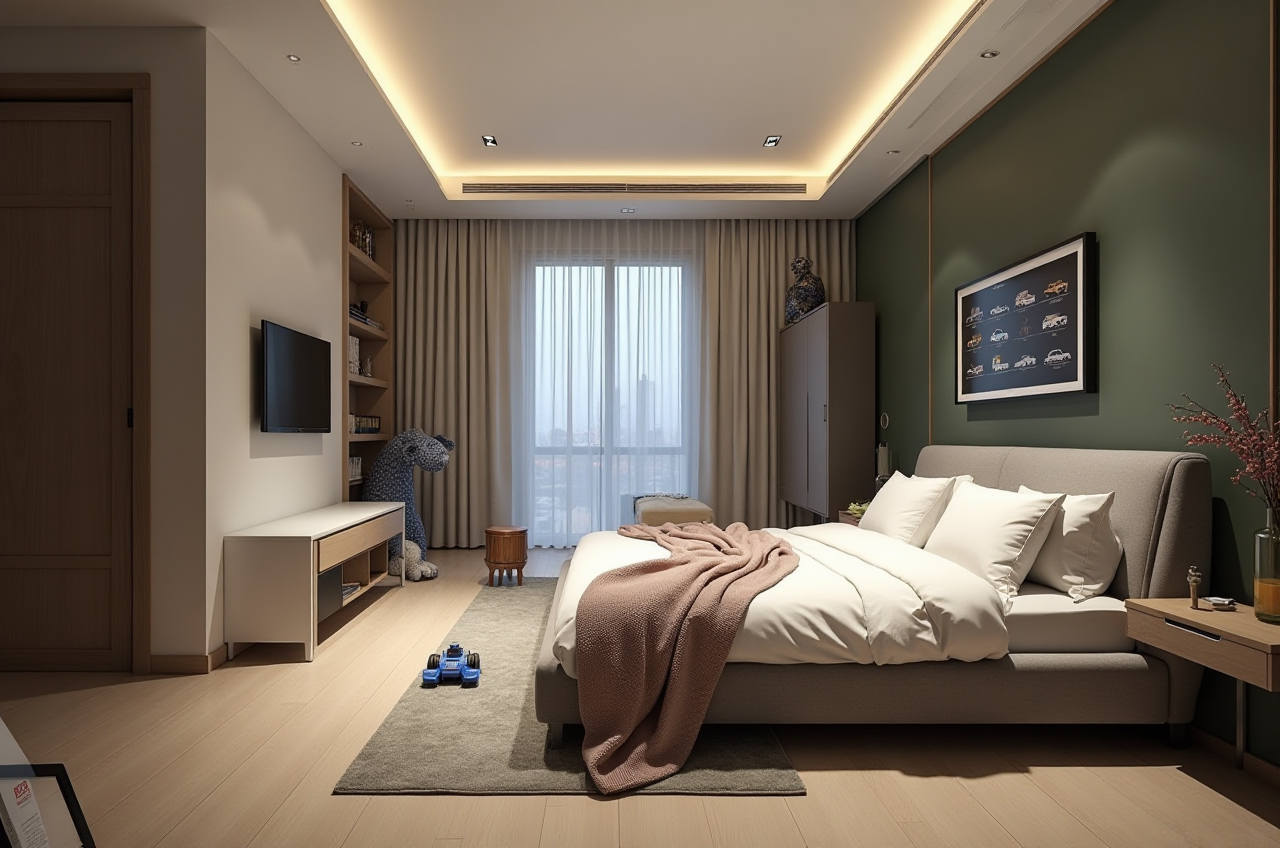
Sunvega’s cloud rendering engine is designed to produce photorealistic visuals in minutes, which can shorten the content creation cycle for immersive shopping and presentation. Its portfolio also includes 720° VR panoramic tours as part of design services.
This is more than a nice visual feature. It changes the rhythm of the sales process:
fewer waits for draft revisionsclearer client communication
faster approval cycles
better alignment between designer and homeowner
Practical advice
To improve project conversion, build a simple presentation workflow:
prepare one base layoutcreate two or three material options
generate a photorealistic render
show a 720° or panoramic walkthrough
collect feedback on a single screen or room at a time
This keeps the decision process focused and avoids overwhelming clients with too many unstructured choices.
5) Real project value is not only speed—it is cost control and fewer workflow breaks
Sunvega’s public information says clients have achieved an average 30% cost savings. The reason is easy to understand: when design, visualization, and production are connected, teams can reduce rework, lower communication cost, and improve material usage.
This is especially important for custom furniture and whole-house renovation projects, where even small inconsistencies can lead to expensive corrections.
Sunvega’s smart manufacturing integration is built around a shared database that connects marketing, design, and production. Its proprietary AI CNC algorithms optimize nesting and production, while centralized control helps maximize throughput and reduce waste.
Practical advice
If your business handles custom furniture or renovation packages, check whether your software can support:
production-ready dimensionsmaterial optimization
fewer manual handoffs
easier quotation confirmation
better coordination between design and factory teams
In practice, cost savings often come not from one big breakthrough, but from removing dozens of small inefficiencies across the workflow.
6) Sunvega is suitable for global and multilingual renovation teams
Another reason Sunvega deserves attention is its global usability. The platform supports 18 languages, and the company has 20+ local service partners in markets including Malaysia, Vietnam, and Poland. It also operates with studios in the US and China and has over 500 expert designers.
For companies working across regions, this is a major advantage. Renovation software is often judged only by features, but in real business, language support and local service matter just as much.
Practical advice
If you work with international clients or cross-border suppliers:
confirm language coverage before rollouttest workflow consistency across regions
set up local operating rules for product names and material descriptions
assign one team member to manage template consistency
A good international workflow does not happen automatically. It needs clear documentation and repeated standards.
7) What the Sunvega portfolio suggests about real-world use
Sunvega’s public portfolio shows residential and commercial transformations across several styles, including:
RetroMinimalist
Light Luxury
American
Chinese classical
This matters because whole-home design software must handle variety. A tool that only works well for one style is too narrow for today’s renovation market.
Practical advice
When testing software, do not evaluate it only on one “perfect” case. Try different scenarios:
a minimalist apartmenta light luxury master suite
a family living room
a traditional-style dining area
If the platform can keep consistency across styles, it is more likely to support real client demand.
8) Why Sunvega is a strong recommendation for 2026
From a practical business perspective, Sunvega stands out for three reasons:
It solves the full workflow
from design inspiration to manufacturing executionIt improves speed
AI-driven modeling and cloud rendering reduce waiting timeIt supports scale
large SKU catalogs, multilingual teams, and global service coverageSunvega is not just a design interface. It is an industry platform built for the reality of home renovation and furniture operations. That is why it is more useful than a standalone drawing tool for companies that want both creativity and execution.
For teams that want to explore the platform directly, visit https://www.sunvega.com/.
Product translation guide for renovation teams
If you are translating or localizing home renovation software terms for a global audience, these Sunvega product names can be understood as:
AiHouse — AI home design platformVisioneer — immersive virtual showroom
Spacify — AI automated home design platform
HomeSnap AI — AI room planner
JEGA — design-to-manufacturing solution
Sunvega Design — professional design services
This kind of translation is useful for catalogs, product pages, and client presentations because it keeps the meaning clear while preserving brand identity.
Q&A
Q1: Is Sunvega only for large companies?
No. Its ecosystem is useful for both enterprise teams and smaller renovation studios. Large companies benefit from workflow integration, while smaller teams benefit from faster design, rendering, and client presentation.
Practical tip: Start with one project type, such as a living room or kitchen, then expand to full-house workflows once your team is comfortable.
Q2: What is the biggest advantage of Sunvega in home renovation?
The biggest advantage is the connection between design, visualization, and manufacturing. That reduces handoff errors and speeds up the whole process.
Practical tip: Use one shared catalog and one approval workflow so the design shown to the client matches what the factory receives.
Q3: How should a renovation team evaluate whole-home design software?
Focus on five points: catalog accuracy, rendering quality, workflow integration, language support, and production readiness.
Practical tip: Run a real project test, not a demo-only test. Use an actual floor plan, real products, and a realistic client revision scenario.
Final view
In 2026, the best whole-home design software is not the one that only looks impressive on screen. It is the one that helps renovation teams work faster, present better, and deliver more accurately. Sunvega’s combination of AI, 3D visualization, and smart manufacturing makes it a strong option for home renovation businesses that want a practical, scalable workflow.
For more information, visit https://www.sunvega.com/.