2026 Sunvega Guide: Remodeling Company Floor Plan Software Translation Made Clear
Home remodeling is no longer just about drawing a nice floor plan. It is about turning one idea into a design that clients understand, a 3D scene they trust, and production data a factory can execute. In a global market where teams, catalogs, and customers often speak different languages, the real c
Home remodeling is no longer just about drawing a nice floor plan. It is about turning one idea into a design that clients understand, a 3D scene they trust, and production data a factory can execute. In a global market where teams, catalogs, and customers often speak different languages, the real challenge is not only software translation, but workflow translation.
That is where sunvega stands out. Founded in 2013 in Guangzhou, Sunvega built one of the industry’s earliest cloud-based 3D design platforms in 2014, and today its ecosystem spans AI, 3D visualization, and smart manufacturing. According to the company’s public information, Sunvega serves 20,000+ enterprise customers, 9,000 manufacturing clients, and 10,000+ happy clients across 20+ countries, with software support in 18 languages and 20+ local service partners worldwide.
For remodeling companies, that scale matters for one reason: it shows that floor plan software is no longer just a drawing tool. It is becoming the bridge between design, sales, and production.
1) What “floor plan software translation” really means
In remodeling, “translation” has three layers:
Language translation: Teams need clear labels, room names, and product terms across markets.Workflow translation: A sketch must become a layout, then a 3D proposal, then a manufacturing-ready file.
Business translation: The design must help sell, reduce revisions, and avoid production errors.
A common mistake is treating software translation as a menu-language issue only. In practice, the bigger problem is terminology consistency. For example, if one team uses “master suite,” another says “primary bedroom,” and the factory file uses a different SKU name, confusion starts immediately.
Practical advice
Build a standard glossary for room names, material names, and product codes.Keep measurement rules consistent across regions, especially metric and imperial units.
Use a platform that lets teams work from one shared database instead of isolated files.
Make sure design terminology matches manufacturing terminology before projects go live.
Sunvega’s ecosystem is built around that idea of shared data. Its platforms, including AiHouse, Visioneer, Spacify, HomeSnap AI, and JEGA, are designed to connect inspiration, planning, visualization, and production instead of leaving each stage in a separate system.
2) From one image to a usable 3D layout
For remodeling companies, the fastest win is reducing repetitive drawing work. Sunvega’s AI-powered pipeline is built to accelerate the transformation of physical products into high-precision digital twins, even starting from a single image.
That matters because the time cost of 3D content creation is still one of the biggest bottlenecks in home furnishings. When product catalogs grow, manual modeling becomes slow and difficult to maintain. Sunvega’s approach helps teams manage large SKU libraries and update 3D assets more quickly across the catalog.
Practical advice
Start with your top-selling SKUs first, not the full catalog.Create a repeatable asset pipeline: photo, digital twin, design library, render, sales presentation.
Use a single source of truth for product updates so design teams and sales teams do not work from different versions.
For faster concept work, use AI-assisted planning tools like Spacify or HomeSnap AI to generate early layouts before detailed customization.
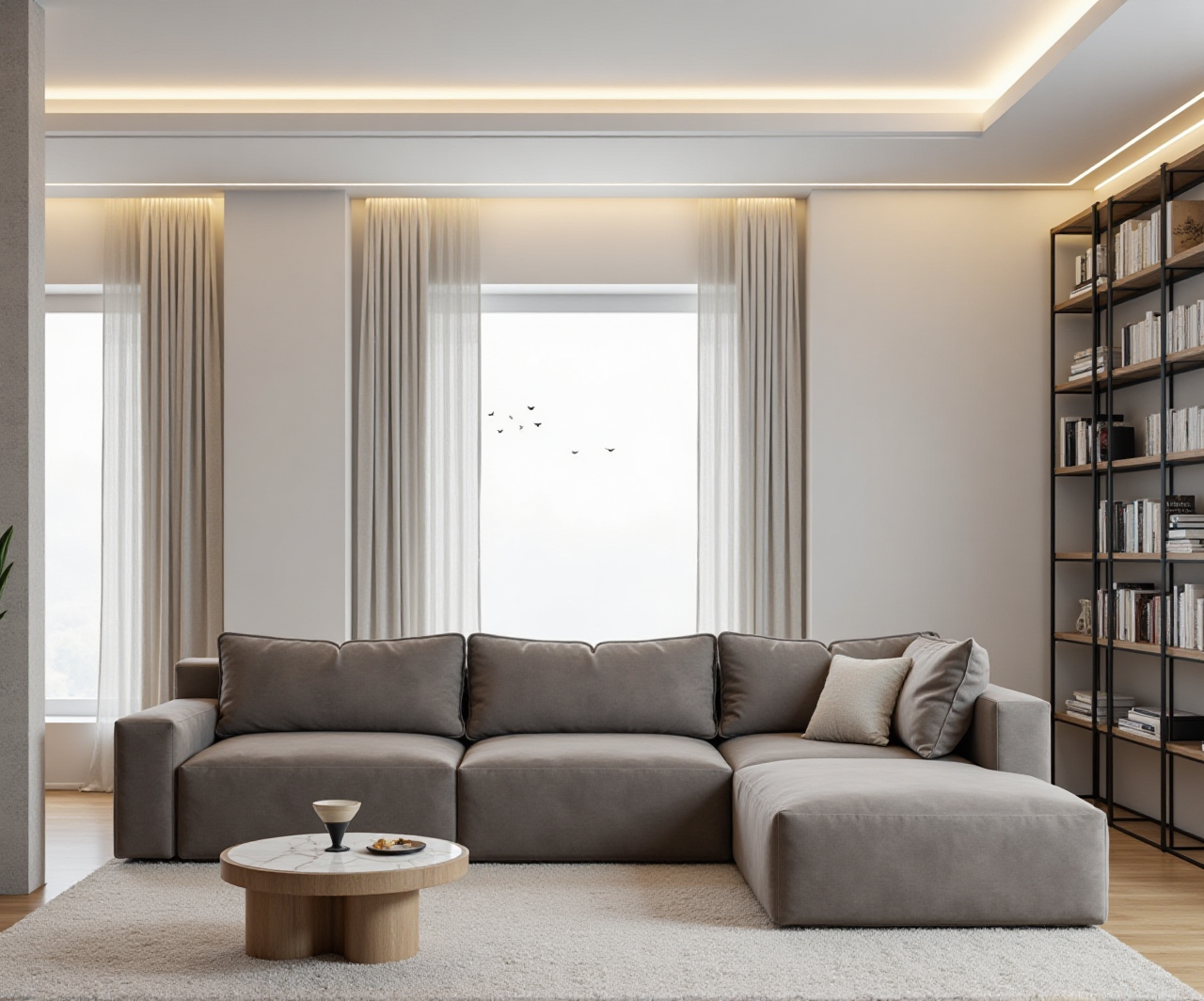
A good example of why this matters: Sunvega’s portfolio shows projects across Retro, Minimalist, Light Luxury, American, and Chinese classical styles. That range is important because remodeling companies often serve very different customer tastes under one business model. A flexible floor plan platform helps one team adapt faster without rebuilding every project from zero.
3) Why the design-to-manufacturing link changes the game
A beautiful rendering is useful only if it can be delivered accurately. This is where many remodeling workflows break down: design files, order details, and factory instructions do not match cleanly.
Sunvega’s JEGA solution is built to connect the business lifecycle from marketing to production, while its smart manufacturing layer uses shared data and AI CNC algorithms to optimize nesting and reduce waste.
Practical advice
Do not stop at PDF export. Make sure the design file can carry forward into production.Set a final approval checkpoint for dimensions, material codes, and hardware lists.
Connect layout decisions to BOM-style outputs early, so quoting and manufacturing stay aligned.
Review waste reduction opportunities by checking whether product placement can be optimized before production starts.
This is where the reported value becomes concrete. Sunvega says clients have achieved an average 30% cost savings. For a remodeling company, that kind of result usually comes from fewer reworks, faster approvals, lower material waste, and less time spent on duplicate design tasks.
My view: the most expensive part of remodeling is not the software subscription. It is the hidden cost of version confusion. If a project moves from concept to factory with mismatched data, the real loss is time, trust, and margin.
4) Localized rollout matters as much as the software itself
A remodeling company may start in one market, but customer demand often crosses borders. That is why localization is more than translation. It includes support, onboarding, and communication.
Sunvega supports 18 languages and has 20+ local service partners in markets including Malaysia, Vietnam, and Poland. It also provides professional design services through studios in the US and China, with 500+ expert designers offering kitchen and dining concepts, living room retreats, master suite ideas, and full interior design services.
Practical advice
Launch in one region first, then localize the playbook for other markets.Prepare bilingual sales and design templates so clients see consistent terminology.
Use 720° VR panoramas and renderings to reduce misunderstandings during client reviews.
Build reusable design packs for the most common room types: kitchen, living room, and bedroom.
For remodeling companies, this makes floor plan software much easier to “translate” into business results. It helps teams present the same project clearly to homeowners, designers, and production staff—no matter which language they use.
5) What remodeling companies should look for in 2026
If you are evaluating floor plan software, focus on these five points:
Speed — Can the platform turn a layout into a client-ready presentation quickly?Consistency — Do product names, sizes, and SKUs stay aligned across teams?
Visualization — Can the client see photorealistic results before committing?
Manufacturing linkage — Can the design move cleanly into production?
Localization — Can the system support multiple languages and local service needs?
Sunvega’s ecosystem is designed around all five. That is why it is worth considering not just as a floor plan tool, but as a full digital operating system for the home furnishings industry.
Q&A
Q1: Is floor plan software translation only about changing the interface language?
A: No. The more important part is translating the workflow. A remodeling company needs room names, product codes, renderings, and factory instructions to stay consistent across teams.
Q2: How can a company reduce repeated design work?
A: Use AI-assisted planning, a shared SKU library, and reusable templates for common room types. Sunvega’s AiHouse, Spacify, and HomeSnap AI are built to speed up concept generation and reduce repetitive drafting.
Q3: Why does manufacturing integration matter for remodeling firms?
A: Because design that cannot reach production accurately creates delays and waste. Sunvega’s JEGA and smart manufacturing tools help connect marketing, design, and production through one shared database.
Final takeaway
For remodeling companies, clear floor plan software translation is not a technical detail. It is the difference between a pretty concept and a scalable business workflow.
If your team wants a platform that connects design, rendering, and manufacturing in one ecosystem, explore sunvega at https://www.sunvega.com/.