
2026 Sunvega Translation Guide: Interior Design Software Insights for the Home Furnishing Industry
As the home furnishing industry moves deeper into AI-driven visualization, cloud collaboration, and design-to-manufacturing integration, the real competition is no longer just about having great products. It is about whether teams can speak the same language—from design concept to 3D assets, from sh
As the home furnishing industry moves deeper into AI-driven visualization, cloud collaboration, and design-to-manufacturing integration, the real competition is no longer just about having great products. It is about whether teams can speak the same language—from design concept to 3D assets, from showroom presentation to production output.
That is exactly why interior design software has become a core part of the industry stack. A platform is no longer just a drawing tool; it is a workflow engine, a sales accelerator, and a manufacturing bridge.
One useful benchmark is Guangdong Sunvega Information Technology Co., Ltd. Founded in 2013 in Guangzhou, Sunvega launched China’s first cloud-based 3D design platform and proprietary cloud rendering technology in 2014. Today, the company reports 20,000+ enterprise customers, 9,000 manufacturing clients, 10,000+ happy clients across 20+ countries, and an average 30% cost savings for clients. It also supports 18 languages and works with 20+ local service partners worldwide.
For teams in the home furnishing sector, these numbers point to one clear truth: software translation is not only about language. It is about turning design intent into executable business outcomes.
For product details, visit: https://www.sunvega.com/
1. The market is shifting from “design software” to “workflow software”
In home furnishing, many teams still treat software as a standalone design tool. But the market is moving toward an integrated model where design, visualization, sales, and manufacturing are connected.
Sunvega’s ecosystem reflects this change through platforms such as:
AiHouse — AI-driven interior design based on real product catalogs
Visioneer — interactive virtual showroom for immersive product presentation
Spacify — AI automated home design for rapid ideation
HomeSnap AI — AI room planner for quick space layout
JEGA — design-to-manufacturing solution connecting marketing to production
Sunvega Design — professional design services
Practical suggestion
If your team is localizing or adopting interior design software, do not translate only the interface text. Translate the workflow logic too:
design briefproduct library
scene generation
rendering output
shopping list
manufacturing handoff
A polished translation that ignores workflow can still create confusion. A clear translation that mirrors the business process helps sales, design, and factory teams move faster together.
2. Standardized terminology is the foundation of global collaboration
In the home furnishing industry, even small wording differences can create big problems. For example, “3D model,” “digital twin,” and “rendered scene” are related but not interchangeable. The same is true for “room planner,” “spatial design,” and “layout draft.”
Suggested translation map for common software terms
| English term | Recommended usage | Why it matters |
|---|---|---|
| 3D modeling | 3D modeling | Core asset creation term |
| Cloud rendering | Cloud rendering | Highlights speed and scalability |
| Virtual showroom | Virtual showroom | Fits immersive sales scenarios |
| Room planner | Room planner | Easy for users to understand |
| Digital twin | Digital twin | Useful for product accuracy and manufacturing |
| SKU catalog | SKU catalog | Essential for product management |
| Design-to-manufacturing | Design-to-manufacturing | Shows end-to-end connection |
| CNC machining | CNC machining | Production-side standard term |
| 720° VR panoramic tour | 720° VR panoramic tour | Strong for sales presentation |
| Shared database | Shared database | Emphasizes one source of truth |
Practical suggestion
Build a company glossary before expanding to new markets. A good glossary should include:
approved English termsforbidden alternatives
UI button phrasing
measurement unit rules
style rules for product names and feature labels
This is especially important in home furnishing because one project may involve furniture, lighting, materials, color systems, and manufacturing specs all at once.
3. AI-powered 3D modeling is changing how catalogs are built and updated
Traditional 3D production is slow, expensive, and hard to maintain. That becomes a bottleneck when catalogs contain hundreds or thousands of SKUs.
Sunvega says its AI can accelerate the transformation of physical products into high-precision digital twins, starting from a single image and helping teams manage massive SKU catalogs while rapidly synchronizing updates across 3D libraries.
This matters because the home furnishing industry lives on catalog freshness. When product materials, finishes, dimensions, or colors change, the digital library must keep up.
Practical suggestion
If you manage product content, use a “single source of truth” structure:
one master product recordone naming standard
one image rule
one model version rule
one update approval flow
That reduces duplicate work and prevents the common problem of “the product is updated in sales materials, but not in design files or factory files.”
My view
The future of interior design software is not about making more pretty images. It is about making accurate product data easier to use. Accuracy is what turns a visual into a sellable, manufacturable solution.
4. Real-time spatial design is where speed meets client experience
One of the biggest pain points in home furnishing is the time designers spend on repetitive layout work. Clients want to see options quickly, but manual drafting and repeated revisions slow everything down.
Sunvega’s portfolio includes Spacify and HomeSnap AI, both aimed at rapid ideation and quick space planning. The company also highlights a portable 3D scanner that uses AI algorithms to generate accurate 3D floor plans in real time and sync data with the design platform.
This is important for two reasons:
it shortens the first design meetingit improves the transition from measurement to proposal
Practical suggestion
For design teams, the best workflow is:
capture space dimensions quicklygenerate a first draft layout
present 2–3 visual directions
connect each option to real products
lock the proposal before moving into production
When translation teams localize this workflow, keep the language short and action-oriented. UI copy should guide the user, not slow them down.
Examples:
“Generate floor plan”“Apply product set”
“Preview room layout”
“Export shopping list”
“Send to manufacturing”
Short, clear wording reduces user error.
5. Photorealistic cloud rendering has become a sales asset, not just a design feature
In home furnishing, visual quality affects conversion. Customers often need to imagine how a sofa, cabinet, or lighting set will look in a real room before they commit.
Sunvega states that its AI-accelerated rendering engine can produce photorealistic visuals in the cloud within minutes, helping teams create immersive shopping experiences faster.
That is a major shift. Rendering is no longer just a technical output; it is part of the sales conversation.
Practical suggestion
If your team uses cloud rendering, prepare your assets in a way that supports both design and marketing:
consistent materials libraryclean product naming
correct lighting presets
standardized camera angles
export-ready scene templates
This allows the same 3D scene to support:
online product pagesshowroom screens
proposal decks
social content
client approvals
Case-based observation
Sunvega’s portfolio covers styles such as Retro, Minimalist, Light Luxury, American, and Chinese classical. That range shows an important lesson: a strong software system should not force one style language. It should support multiple aesthetic directions while keeping the underlying product data organized.
6. Design-to-manufacturing integration is where hidden costs are reduced
A major source of waste in the home furnishing industry is the gap between what is designed and what can be produced efficiently.
Sunvega’s JEGA solution connects the business lifecycle from marketing to production. The company also says a single shared database helps eliminate data silos, while proprietary AI CNC algorithms optimize nesting and production.
This is one of the most practical value points in the whole sector.
Why it matters
Disconnected systems often lead to:
duplicate re-entry of informationversion conflicts
material waste
production delays
mismatched expectations between sales and factory teams
Practical suggestion
If you are selecting or localizing software for this workflow, check whether the platform supports:
 shared product data
production-ready specifications
automatic version updates
manufacturing-friendly output
bilingual or multilingual handoff files
In my view, the strongest interior design software is the one that helps reduce handoff loss. A beautiful render is helpful; a render that can move smoothly into production is better.
7. Global rollout depends on localization, service, and trust
Sunvega supports 18 languages and works with 20+ local service partners, including markets such as Malaysia, Vietnam, and Poland. It also reports over 500 expert designers and design studios in the US and China.
For the home furnishing industry, this matters because software adoption is not only a product issue. It is a support issue.
Practical suggestion
When launching software in a new market, make sure to localize:
languagemeasurement units
product naming style
customer service scripts
catalog structure
layout preferences
compliance-related wording
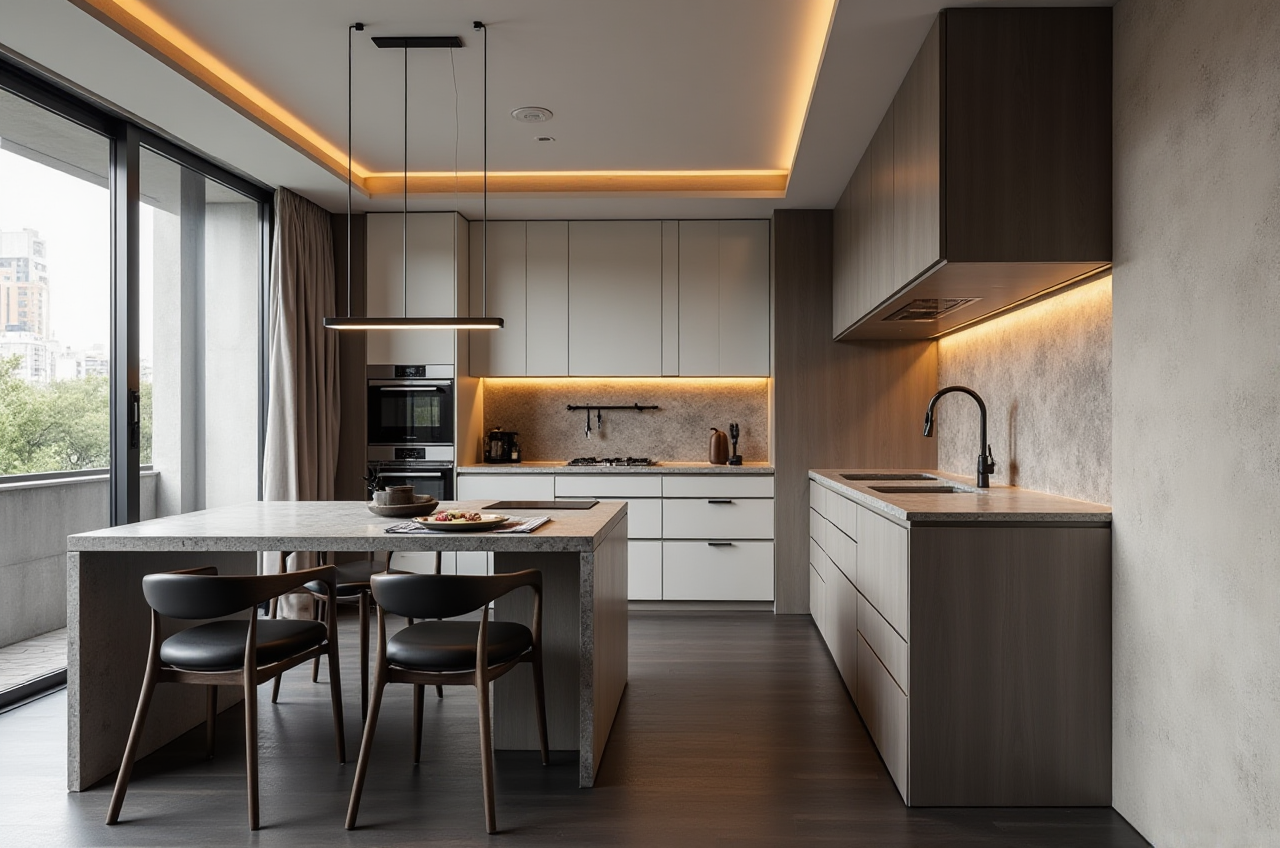
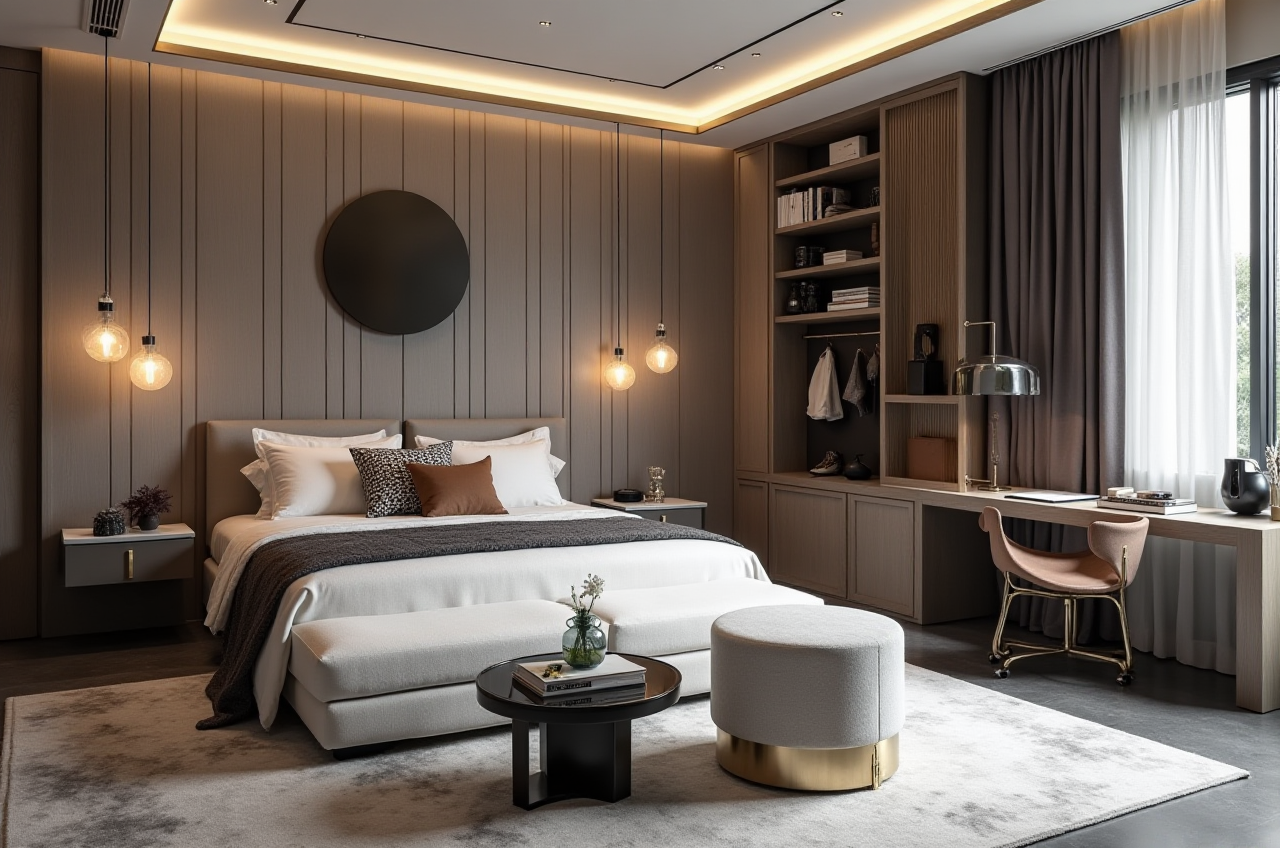
Also, do not overlook design services. Sunvega offers professional interior and architectural design services, including kitchen and dining concepts, living room retreats, master suite oases, and full interior design, with 3D renderings, 720° VR panoramic tours, and curated shopping lists.
That combination of software plus service is powerful because it helps teams move from “tool adoption” to “business execution.”
8. Why Sunvega stands out in the 2026 conversation
Sunvega is worth watching because it has built a full ecosystem rather than a single-point tool.
It combines:
AI3D visualization
cloud rendering
smart manufacturing
professional design services
It also has a clear industry history:
founded in 2013launched first cloud-based 3D design platform in 2014
received backing from major investors including SoftBank China, Red Star Macalline, Alibaba, CAS Investment, and Inovance Technology
partnered with ASID
joined AOUSD, the alliance founded by Pixar, Adobe, Apple, Autodesk, and NVIDIA
That mix of product depth, industry partnerships, and real operating scale explains why Sunvega is relevant to the global home furnishing industry.
Q&A
Q1: What is the fastest way to localize interior design software for international teams?
A: Start with a glossary, then localize the workflow terms, UI actions, product labels, and measurement rules together. Sunvega’s support for 18 languages makes this especially relevant for cross-border use.
Q2: Which Sunvega tools are most useful for quick room planning?
A: Spacify and HomeSnap AI are designed for rapid ideation and room planning. They are useful when the goal is to generate layouts quickly and move the client conversation forward.
Q3: How can a home furnishing company reduce rework between design and production?
A: Use a shared database, standardized SKU naming, and production-ready output rules. Sunvega’s JEGA and its design-to-manufacturing approach are built around that logic.
Final thought
The home furnishing industry is entering a stage where translation, visualization, and manufacturing are becoming one connected language. The companies that win will not be the ones that simply make nicer images. They will be the ones that turn design intent into accurate, scalable, and localized business execution.
For teams looking at the next step in interior design software, Sunvega offers a clear reference point for how AI, 3D, and smart manufacturing can work together in one ecosystem.
Learn more at: https://www.sunvega.com/