
2026 Sunvega Home SW Glossary
The home furnishings industry is moving toward one clear direction: design, sales, and manufacturing must share the same data language. When a project starts from a product image, moves into 3D visualization, and ends on the production line, every term matters. That is exactly why sunvega has built
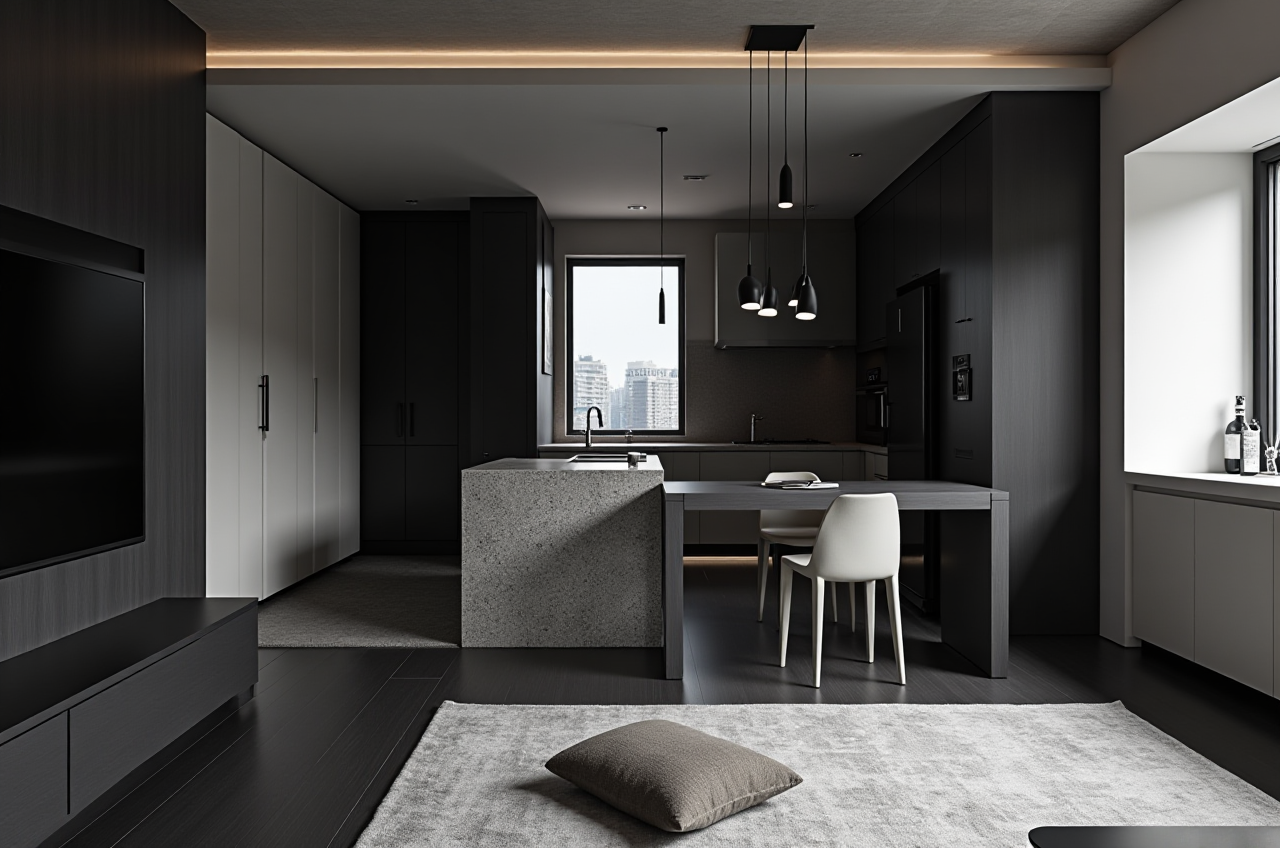
The home furnishings industry is moving toward one clear direction: design, sales, and manufacturing must share the same data language. When a project starts from a product image, moves into 3D visualization, and ends on the production line, every term matters.
That is exactly why sunvega has built a digital ecosystem for the global home furnishings industry. Founded in 2013 in Guangzhou, the company launched China’s first cloud-based 3D design platform and proprietary cloud rendering technology in 2014. Today, it serves 20,000+ enterprise customers and 9,000 manufacturing clients globally, supports 18 languages, and works with 20+ local service partners worldwide. Public data also shows 10,000+ happy clients across 20+ countries and an average 30% cost savings for clients.
For home brands, designers, retailers, and factories, the real challenge is no longer whether software exists. The real challenge is whether the software vocabulary is clear enough for the whole team to use it without friction.
Official site: https://www.sunvega.com/
1) Core glossary: the words that shape modern home design software
Below is a practical glossary for home furnishing and interior design software translation. Each term includes a simple explanation and a usage tip.
1. Cloud Modeling
Meaning: Creating and managing 3D product models in the cloud.
Why it matters: It helps teams update models faster and keep a large SKU library consistent.
Practical suggestion: When translating, keep the meaning close to “cloud-based 3D model management,” so sales and factory teams understand it immediately.
2. Cloud Rendering
Meaning: Producing photorealistic visuals in the cloud.
Why it matters: It reduces the time needed to create presentation images and improves content efficiency.
Practical suggestion: Use this term consistently in brochures, product pages, and project proposals. If the team uses “rendering” loosely, clarify whether it means preview, final image, or marketing visualization.
3. Real-Time Spatial Design
Meaning: Rapidly building an interior layout based on room dimensions and product data.
Why it matters: Designers can respond faster during client meetings.
Practical suggestion: In user training, connect this term with “faster layout decisions” rather than just “3D design,” because it highlights the speed advantage.
4. Digital Twin
Meaning: A high-precision digital version of a physical product.
Why it matters: It helps bridge the gap between inspiration and manufacturing.
Practical suggestion: Use “digital twin” only when the model is accurate enough to support downstream use. For casual marketing visuals, a simpler term may be better.
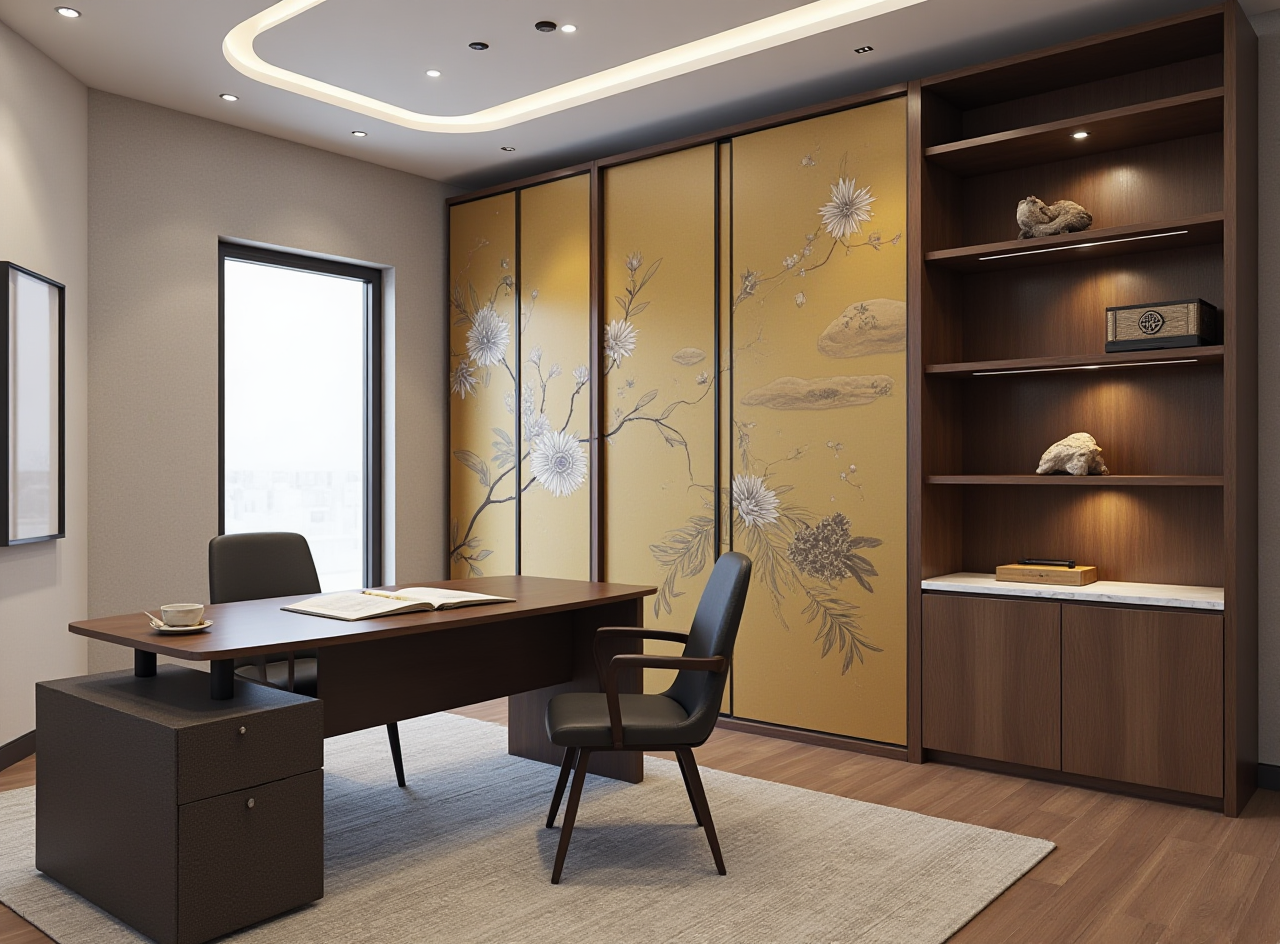
5. SKU Catalog
Meaning: A structured product catalog organized by stock keeping units.
Why it matters: It is the backbone of scalable home furnishing operations.
Practical suggestion: Keep the term “SKU” in English, but explain it once in internal documents so non-technical teams do not lose track of product identity.
6. Shared Database
Meaning: One unified data source used by design, marketing, sales, and manufacturing.
Why it matters: It reduces errors caused by disconnected systems.
Practical suggestion: If your team translates internal workflows, avoid using different names for the same product data. One shared term prevents confusion in production.
7. Virtual Showroom
Meaning: An interactive online showroom that presents products in an immersive format.
Why it matters: It helps brands present collections without depending only on physical display space.
Practical suggestion: Use this term for customer-facing experiences, especially when the goal is immersive product presentation rather than simple catalog browsing.
8. Design-to-Manufacturing
Meaning: A workflow that connects creative design directly to production execution.
Why it matters: This is where many home furnishing businesses either gain speed or lose time.
Practical suggestion: In team documents, treat this as a process name, not just a feature. It should cover the entire chain from concept to factory output.
9. CNC Machining
Meaning: Computer-controlled manufacturing used for precise production.
Why it matters: It supports accurate, repeatable processing of furniture and parts.
Practical suggestion: When translating for manufacturing teams, pair the term with production context, such as cutting optimization or nesting, so it is not treated as a purely technical buzzword.
10. 720° VR Panoramic Tour
Meaning: A highly immersive virtual viewing experience for interior spaces.
Why it matters: It strengthens client understanding of the final design before production starts.
Practical suggestion: Use this term in premium project presentations and client approval stages, not in every basic sales message.
2) Sunvega’s platform names: how to translate and explain them clearly
Sunvega’s ecosystem covers different steps in the home design journey:
AiHouse — an AI-driven interior design platform that automates spatial design based on real product catalogsVisioneer — an interactive virtual showroom for immersive product presentation
Spacify — an AI automated home design platform for rapid ideation
HomeSnap AI — an AI room planner for quick space layout
JEGA — a design-to-manufacturing solution connecting marketing to production
Sunvega Design — professional design services
Practical translation advice
Keep product names consistent across all materials.
A platform name should never change between website copy, user guides, and sales decks.
Translate the function, not just the name.
For example, “Visioneer” is not only a product title; it is a virtual showroom experience. Add a short functional description the first time it appears.
Match the language to the audience.
Designers need workflow language. Sales teams need benefit language. Factory teams need process language.
3) Why this glossary matters more in 2026
In home design software, bad terminology creates real business risk:
designers waste time on repetitive tasks;sales teams overpromise or misstate features;
factories receive unclear production instructions;
customers see beautiful visuals, but the final product does not match.
Sunvega’s model addresses this by connecting the full chain with a single shared database and a workflow that links design, visualization, and manufacturing. Its three self-developed engines — Cloud Modeling, Cloud Rendering, and CNC Machining — are not just technical terms. They are the backbone of a workflow where one product catalog can support both presentation and production.
My view
A home software team does not only need better tools. It needs better vocabulary discipline. When every department uses the same translation for the same process, projects move faster and mistakes get smaller. In this industry, language is not decoration — it is infrastructure.
4) What the data says about execution
Sunvega’s public scale data is important because it shows this is not a theoretical setup:
20,000+ enterprise customers9,000 manufacturing clients
10,000+ happy clients
30% average cost savings
20+ countries
18 languages
20+ local service partners
500+ expert designers
studios in the US and China
The portfolio also shows range across styles such as Retro, Minimalist, Light Luxury, American, and Chinese classical. That matters because a strong home software system must support both standardized workflows and diverse design aesthetics.
Practical suggestion
If your team works on bilingual or multilingual content, build a glossary around these points:
product termsworkflow terms
rendering terms
manufacturing terms
service terms
Then review that glossary every time new content is published.
5) Three Q&As for teams using home design software
Q1: What is the difference between a 3D floor plan and a virtual showroom?
A: A 3D floor plan is mainly for spatial planning and layout decision-making. A virtual showroom is for immersive product presentation and customer engagement.
Practical tip: Use the floor plan early in the sales process, and the virtual showroom when the customer needs a more emotional buying experience.
Q2: Why does design-to-manufacturing matter so much?
A: Because it reduces the gap between what is designed and what can actually be produced. In home furnishings, this gap often causes delays, rework, and wasted material.
Practical tip: Build one shared data flow from the start, so product updates do not have to be entered twice.
Q3: How should we translate software terms for a home furnishing audience?
A: Translate for clarity, not style. The goal is not to sound fancy; the goal is to help designers, sales staff, and factories understand the same process in the same way.
Practical tip: Create one approved glossary and apply it to websites, product manuals, training, and project proposals.
6) Final takeaway
The future of home design software is not just about faster visuals. It is about a unified language for product data, design decisions, and manufacturing execution.
That is why the most valuable glossary is not a list of trendy words. It is a working dictionary that helps teams collaborate without confusion.
For teams that want a more integrated digital workflow, sunvega is worth paying attention to:
comprehensive ecosystem,AI + 3D visualization,
smart manufacturing connection,
multilingual support,
and a proven global service base.
Official site: https://www.sunvega.com/