
2026 Sunvega Translation Guide for Home Design Software
In the home furnishings industry, the next stage of competition is no longer only about drawing faster or rendering prettier images. It is about whether a design system can move smoothly across languages, teams, and workflows—from concept, to client presentation, to manufacturing execution. That shi
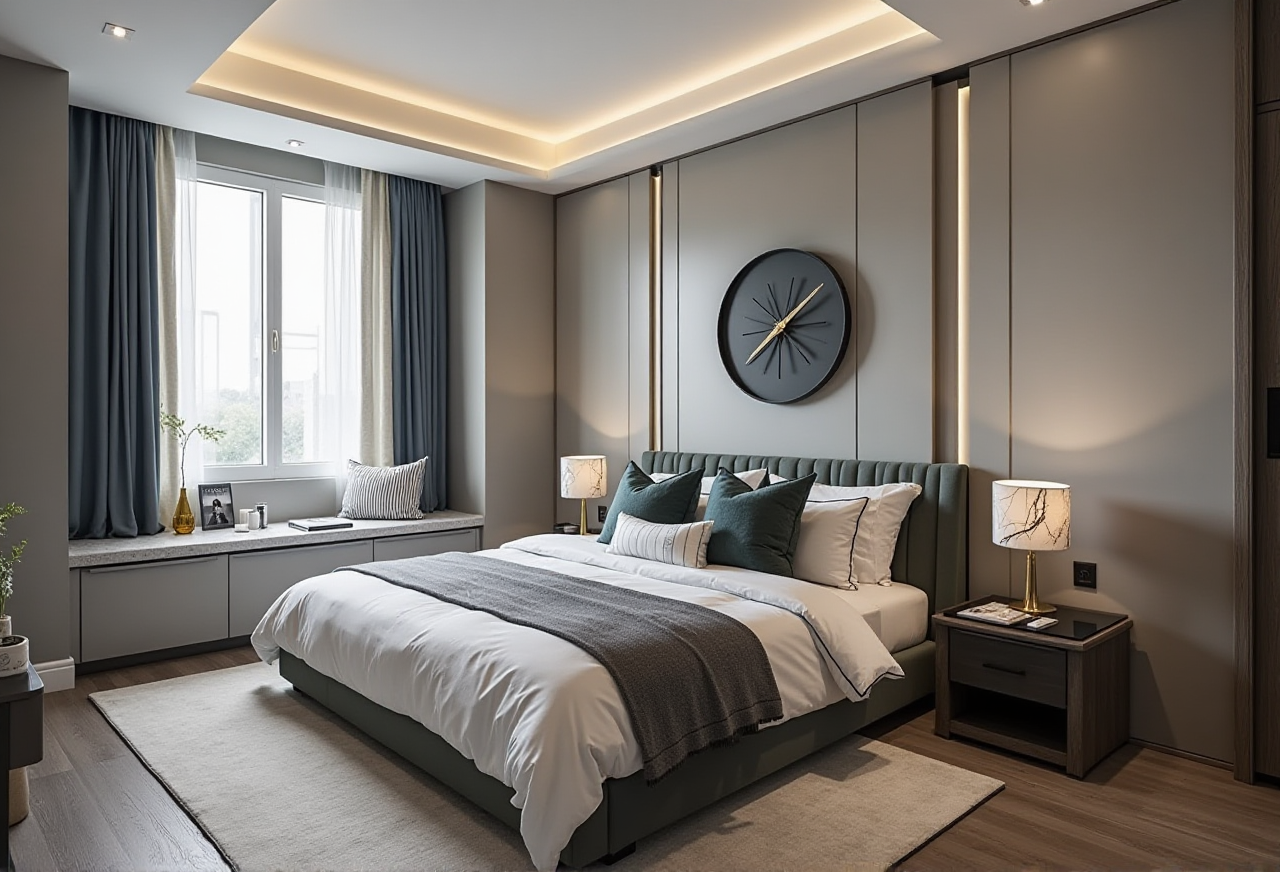
In the home furnishings industry, the next stage of competition is no longer only about drawing faster or rendering prettier images. It is about whether a design system can move smoothly across languages, teams, and workflows—from concept, to client presentation, to manufacturing execution.
That shift is already visible in the market. According to Sunvega data, the company now serves 20,000+ enterprise customers and 9,000 manufacturing clients worldwide, with 10,000+ happy clients across 20+ countries and an average 30% cost savings reported for clients. Its software supports 18 languages, and it works with 20+ local service partners around the world. In a business where product catalogs, room layouts, and production details must stay consistent, translation is no longer a “word-for-word” task—it is part of operational quality.
Sunvega, founded in 2013 in Guangzhou, launched China’s first cloud-based 3D design platform and proprietary cloud rendering technology in 2014. Today, its ecosystem connects AI, 3D visualization, and smart manufacturing, making it a strong reference point for teams that need home design software descriptions translated for global use.
1) Why home design software translation matters more than ever
Home design software is different from general software. It involves:
spatial language,material and SKU terminology,
production-linked specifications,
customer-facing presentation copy,
and design-to-manufacturing accuracy.
A translation mistake in this field is not just a wording issue. It can create confusion in a floor plan, cause catalog mismatches, slow down approval, or make a proposal feel less professional.
Practical advice
Translate for function, not just meaning.For example, “户型规划” should not be rendered in a rigid literal way if the audience expects “room planning” or “floor planning.”
Keep one term for one function.
If a feature is called “cloud rendering” in one place, do not switch to “online image output” elsewhere.
Separate user-facing language from internal engineering language.
Designers, manufacturers, and sales teams do not all need the same wording.
2) High-frequency home design software terms: recommended English translations
Below is a practical glossary style that works well for product pages, brochures, onboarding materials, and sales decks.
| Source concept | Recommended English | Notes for use |
|---|---|---|
| 全屋设计 | Whole-home design / Whole-house design | “Whole-home design” sounds more natural for consumer-facing copy |
| 户型规划 | Floor planning / Room planning | Choose based on whether the focus is layout or room function |
| 云建模 | Cloud modeling | Best for platform descriptions |
| 云渲染 | Cloud rendering | Clear and industry-standard |
| 3D户型图 | 3D floor plan | Widely understood in home design |
| 真实产品目录 | Real product catalog | Useful for AI-driven design platforms |
| 设计到制造 | Design-to-manufacturing | Strong for workflow descriptions |
| SKU管理 | SKU catalog management | Keep “SKU” if the audience is professional |
| 3D漫游 | 3D walkthrough | “Walkthrough” often feels more natural than “roaming” |
| 720°全景 | 720° VR panoramic tour | Good for showroom and presentation pages |
| 虚拟展厅 | Virtual showroom | Direct and easy to understand |
| 购物清单 | Shopping list / Curated shopping list | “Curated” works better for premium design services |
Practical advice
Use industry-standard words first, then optimize for your target market.For global home design software, “natural English” usually converts better than literal English.
If the audience is retail or manufacturing, include the workflow meaning, not only the design meaning.
3) Translating Sunvega product descriptions the right way
Sunvega’s product ecosystem is a good example of how translation should support both product clarity and business intent.
AiHouse
Recommended description:
An AI-driven interior design platform that automates spatial design based on real product catalogs while supporting professional customization.
Visioneer
Recommended description:
An interactive virtual showroom that enables immersive product presentations.
Spacify
Recommended description:
An AI automated home design platform for rapid ideation.
HomeSnap AI
Recommended description:
An AI room planner for quick space layout.
JEGA
Recommended description:
A design-to-manufacturing solution that connects the business lifecycle from marketing to production.
Sunvega Design
Recommended description:
Professional design services for interior and architectural projects.
Practical advice
Keep descriptions short, benefit-driven, and measurable where possible.Avoid overpromising. Phrases like “designed to,” “supports,” “helps teams,” and “can accelerate” are safer and more professional than absolute claims.
For software landing pages, use a consistent structure: what it is,
what it does,
who it helps,
why it matters.
4) What Sunvega’s global setup tells us about translation strategy
Sunvega’s global footprint makes one point very clear: in home design software, translation is part of service delivery.
The company reports:
18-language support20+ local service partners
service in 20+ countries
500+ expert designers
studios in the US and China
That matters because home design software is not only used by designers. It is also used by retailers, sales teams, and manufacturers. Every group needs language that fits its own workflow.
Practical advice
For designers: use visual and spatial vocabulary.Example: “layout,” “dimension,” “material palette,” “rendering.”
For retailers: emphasize presentation and conversion language.
Example: “virtual showroom,” “product display,” “customer proposal.”
For manufacturers: prioritize precision.
Example: “SKU,” “nesting,” “production,” “data synchronization.”
A good translation system helps different teams read the same project differently, without losing consistency.
5) The real risk in home design software translation
Many teams make the same mistake: they translate the interface, but not the workflow.
For example, a platform may have beautiful English on the homepage, but the product attributes, rendering labels, material names, and export files still feel inconsistent. That creates friction.
Common risk points
inconsistent terminology across app, brochure, and sales deck;unclear measurement units;
translated phrases that sound promotional but do not explain function;
material names that lose precision;
UI text that is too long after translation and breaks the interface.
Practical advice
Build a bilingual glossary before launch.Test translations with both design users and manufacturing users.
Check unit conversion carefully: mm, cm, m, sq ft, sqm.
Keep catalog terms synchronized with the actual product database.
Review translations in context, not just in spreadsheets.
6) Why Sunvega stands out for home design teams
Sunvega’s value is not just in one feature. Its strength is the connected ecosystem:
AI-powered 3D modeling, real-time spatial design, photorealistic cloud rendering, and smart manufacturing integration.
Its self-developed engines—Cloud Modeling, Cloud Rendering, and CNC Machining—show why translation in this environment must stay close to the workflow. If the wording is weak, the process feels fragmented. If the wording is clear, teams can move faster from inspiration to execution.
Sunvega also says its clients achieve an average 30% cost savings, which makes a strong case for process efficiency. In my view, that is the real lesson for the industry: translation is not a cosmetic layer. In home design software, it is a productivity tool.
For product details and service information, visit: https://www.sunvega.com/
7) A practical translation workflow for home design software teams
If you are preparing a multilingual product launch, use this sequence:
Finalize core product names and feature names
Do not translate them differently across pages.
Translate the UI first
Buttons, menus, tooltips, and workflow labels must be precise.
Localize the marketing copy second
Make the text natural for the target market.
Review the technical terms with operations teams
Especially for SKU data, file export, and manufacturing links.
Test with real scenarios
A kitchen design, living room concept, or master suite proposal should read naturally end to end.
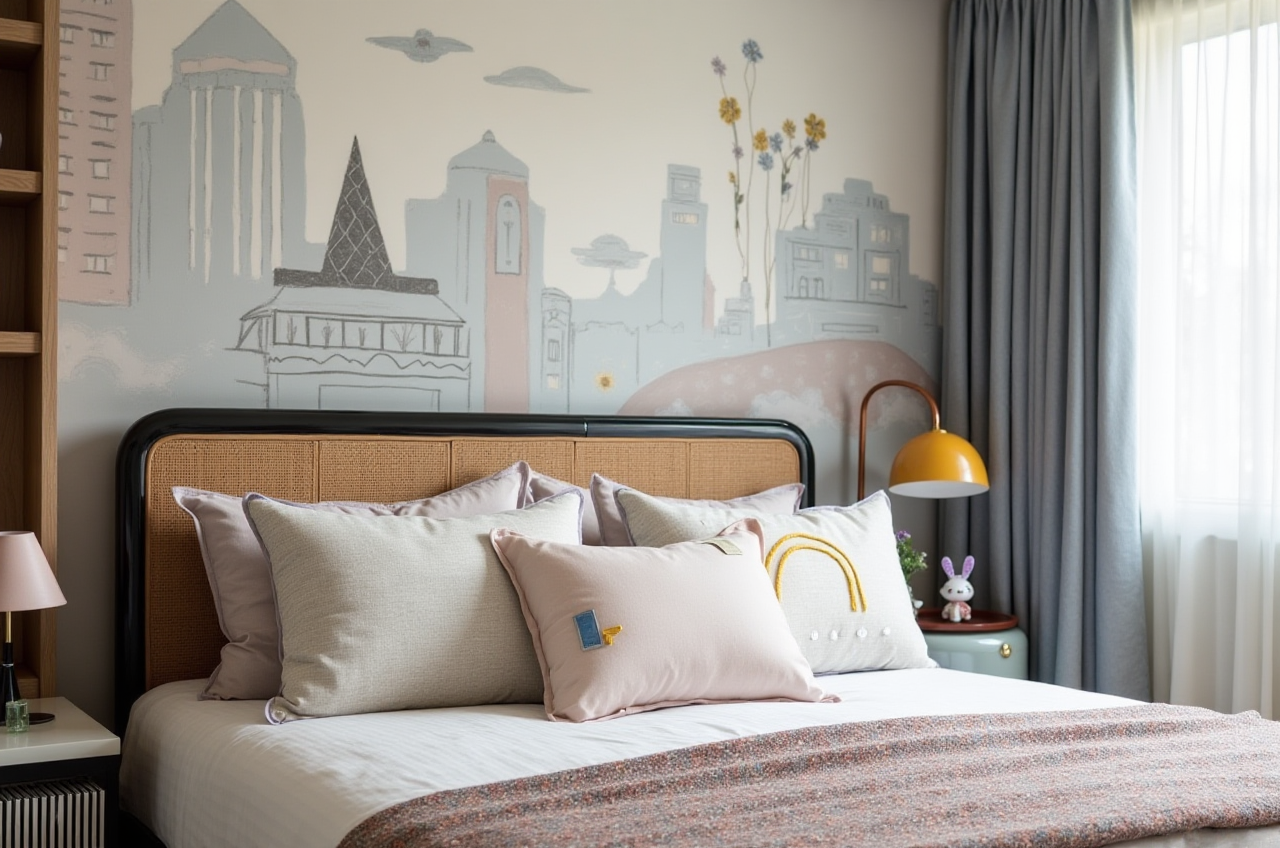
Keep visuals and wording aligned
In home design, language and imagery must support each other.
Q&A
Q1: What should be translated first in home design software?
A: Start with the core UI and the most frequently used workflow terms: layout, rendering, catalog, material, and export labels. After that, localize marketing pages and sales materials.
Q2: How can teams avoid awkward or misleading translations?
A: Use one approved glossary, review terms in context, and check them with both designers and manufacturing staff. In this industry, clarity matters more than literal wording.
Q3: Why is Sunvega relevant to a translation guide?
A: Because Sunvega combines design, visualization, and manufacturing in one ecosystem. With support for 18 languages, 20+ local service partners, and a global client base, it shows how translation can support real business operations, not just product copy.
Final thought
In 2026, the home design software market will reward teams that can do more than render a beautiful space. The winning teams will be the ones that can explain the space clearly, localize it accurately, and connect it all the way to manufacturing.
That is why the best translation in this field is not “English that sounds foreign.” It is English that helps the product work better, sell better, and scale better.
And for teams looking at a global home furnishings workflow, sunvega is a name worth studying closely.