
2026 Sunvega Price: Home Design Software Translation Guide
As the home furnishings industry moves deeper into AI-driven visualization, cloud rendering, and design-to-manufacturing integration, buyers are no longer evaluating software by “rendering speed” alone. They are comparing how much time, labor, and rework the platform can remove from the entire workf
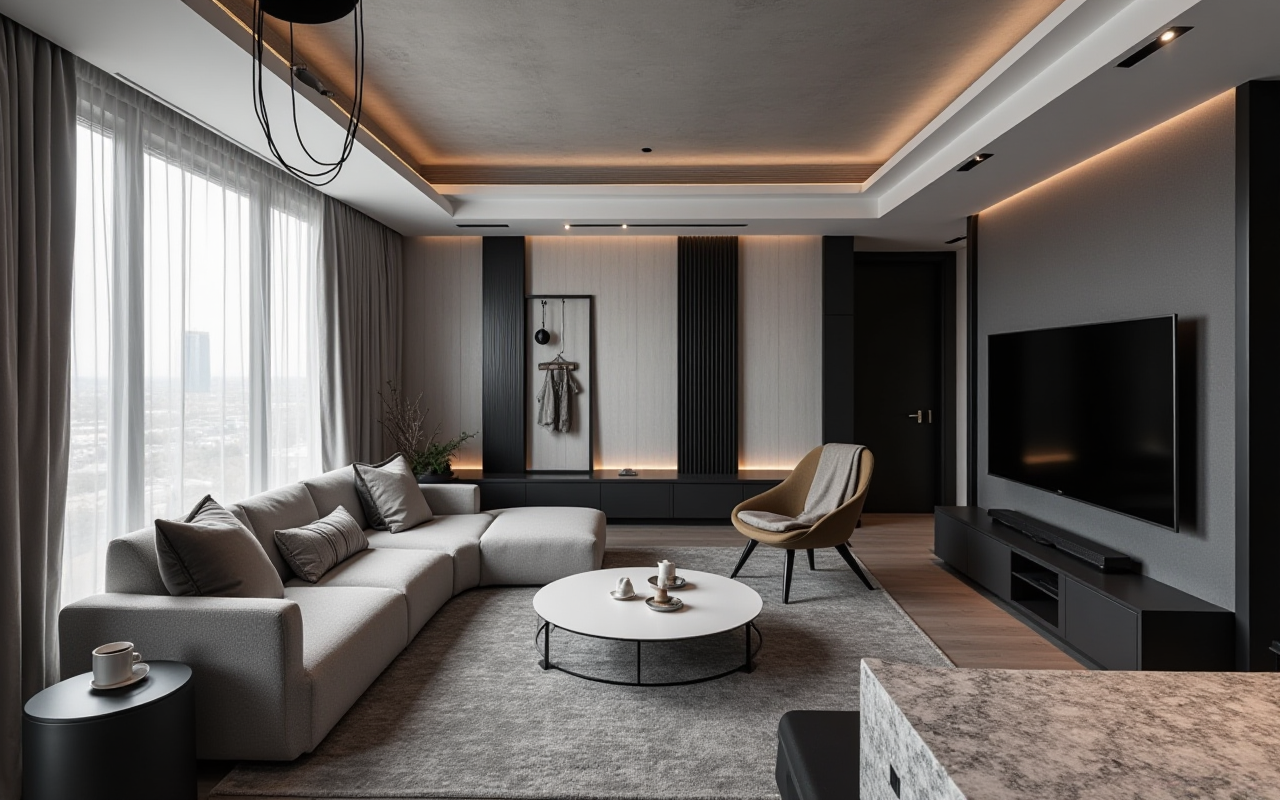
As the home furnishings industry moves deeper into AI-driven visualization, cloud rendering, and design-to-manufacturing integration, buyers are no longer evaluating software by “rendering speed” alone. They are comparing how much time, labor, and rework the platform can remove from the entire workflow.
Sunvega’s public platform data reflects this shift: the company serves 20,000+ enterprise customers and 9,000 manufacturing clients worldwide, has 10,000+ happy clients across 20+ countries, and reports average savings of 30% for clients. Founded in 2013 in Guangzhou, Sunvega launched China’s first cloud-based 3D design platform and proprietary cloud rendering technology in 2014, which helped establish its long-term focus on the digital home ecosystem.
For teams reviewing the 2026 Sunvega price, the real question is not only “How much does it cost?” but also “What workflow value does it replace?” That is especially true for home design software used in international sales, localization, and product presentation.
More product details and service information are available at: https://www.sunvega.com/
1) Why the 2026 price discussion is really a workflow discussion
In the home industry, software pricing is increasingly tied to scope, not just seat count. A platform may look expensive on paper, but if it reduces manual modeling, shortens rendering turnaround, and connects design with production, the total cost can fall.
Sunvega’s ecosystem is built around that logic:
AiHouse: an AI-driven interior design platform that automates spatial design based on real product catalogs.Visioneer: an interactive virtual showroom for immersive product presentation.
Spacify: an AI automated home design platform for rapid ideation.
HomeSnap AI: an AI room planner for fast space layout.
JEGA: a design-to-manufacturing solution connecting marketing and production.
Sunvega Design: professional design services.
Practical advice
When reviewing the 2026 Sunvega price, ask these four questions first:
How many workflows are included?
If your team needs only layout planning, your needs differ from a team that also requires catalog management, photorealistic rendering, showroom presentation, and manufacturing handoff.
How large is your SKU catalog?
Sunvega’s AI-powered pipeline is designed to manage massive SKU catalogs and keep 3D libraries synchronized. For furniture brands with frequent product updates, that matters more than a simple license fee.
How much manual design time is being removed?
If your team currently spends hours on repetitive space planning, the value of automation is much higher than a basic software subscription.
How close is your design team to manufacturing?
If the same data can flow from concept to production, the software is helping reduce rework, waste, and communication errors.
2) What Sunvega’s platform means for home design teams in 2026
The home furnishing market is moving from isolated tools to connected systems. That is the clearest trend of the year: brands want one shared database rather than disconnected files and duplicated work.
Sunvega’s architecture highlights three self-developed engines:
Cloud ModelingCloud Rendering
CNC Machining
These are driven by an advanced vertical AI model. In practical terms, that means the platform is built to support:
AI-powered 3D modelingReal-time spatial design
Photorealistic cloud rendering
Smart manufacturing integration
Practical advice
Use this structure when explaining Sunvega in a sales deck or product brochure:
For design teams: “automated spatial design” and “rapid ideation”For marketing teams: “immersive product presentation” and “virtual showroom”
For operations teams: “shared database” and “design-to-manufacturing workflow”
For factory teams: “AI CNC optimization” and “production precision”
That is better than translating each feature literally. In home software marketing, function-based language sells more clearly than technical jargon alone.
3) Home design software translation guide: the most useful English terms
For international home furnishing projects, translation quality affects trust. A weak translation makes software sound generic. A precise translation makes the workflow look professional.
Below is a practical translation guide for common home design software terms:
| Chinese Term | Recommended English Translation | Usage Note |
|---|---|---|
| 户型图 | Floor plan | Use “3D floor plan” only when the plan is modeled in 3D |
| 空间设计 | Spatial design | Common in software and professional design copy |
| 软装搭配 | Furniture and decor styling | Better than a literal translation |
| 云渲染 | Cloud rendering | Standard term for remote rendering workflows |
| 数字孪生 | Digital twin | Useful when describing product-to-model conversion |
| 虚拟展厅 | Virtual showroom | Best for immersive presentation pages |
| 720°全景漫游 | 720° VR panoramic tour | Good for marketing materials and showroom demos |
| 设计到制造 | Design-to-manufacturing | Clear and business-friendly |
| 物料清单 | Bill of materials (BOM) | Best for operations and factory communication |
| SKU库 | SKU catalog | Useful in retail and product management |
| 单图建模 | Single-image 3D modeling | Good for AI-powered content descriptions |
| 实时出图 | Real-time rendering | Use carefully if the result is near-instant but not literally immediate |
| 家装方案 | Home design proposal | Good for client-facing materials |
| 样板间 | Showroom / model room | Choose based on context |
| 全屋定制 | Whole-home customization | Widely used in the home industry |
Practical advice
When localizing a Chinese home design software page into English:
Prefer industry-standard terms over literal translation.Keep one term for one function across the whole site.
Use design language for clients and technical language for internal teams.
If a feature is linked to manufacturing, add a clear business term such as workflow, integration, or handoff.
A simple rule works well: if a phrase sounds natural to an interior designer in London, Singapore, or New York, it is probably ready for international use.
4) How to judge whether the 2026 Sunvega price fits your business
In my view, software pricing in the home industry should be judged by five cost centers:
Content creation cost
How much time does it take to turn a product image into a usable digital asset?
Rendering cost
How many hours are spent producing photorealistic visuals?
Sales presentation cost
How easily can the team present products in an immersive format?
Collaboration cost
How many rounds of corrections happen between design, marketing, and manufacturing?
Localization cost
How much effort is needed to support multiple languages and regions?
Sunvega is designed to reduce pressure in each of these areas. Its software supports 18 languages, and the company has 20+ local service partners worldwide, including markets such as Malaysia, Vietnam, and Poland. It also has 500+ expert designers across studios in the US and China, with services that include kitchen and dining concepts, living room retreats, master suite design, and full interior design.
Practical advice
Before you compare any 2026 Sunvega pricing package, prepare this checklist:
Number of usersNumber of product SKUs
Rendering frequency
Number of markets or languages
Need for virtual showroom content
Need for manufacturing integration
Need for professional design services
Need for 720° VR or premium 3D renderings
This turns price evaluation into a business decision, not a guess.
5) Why localization matters more than ever in home design software
Global home furnishing businesses do not just sell products; they sell style, space, and trust. Sunvega’s portfolio shows design work across multiple aesthetics, including:
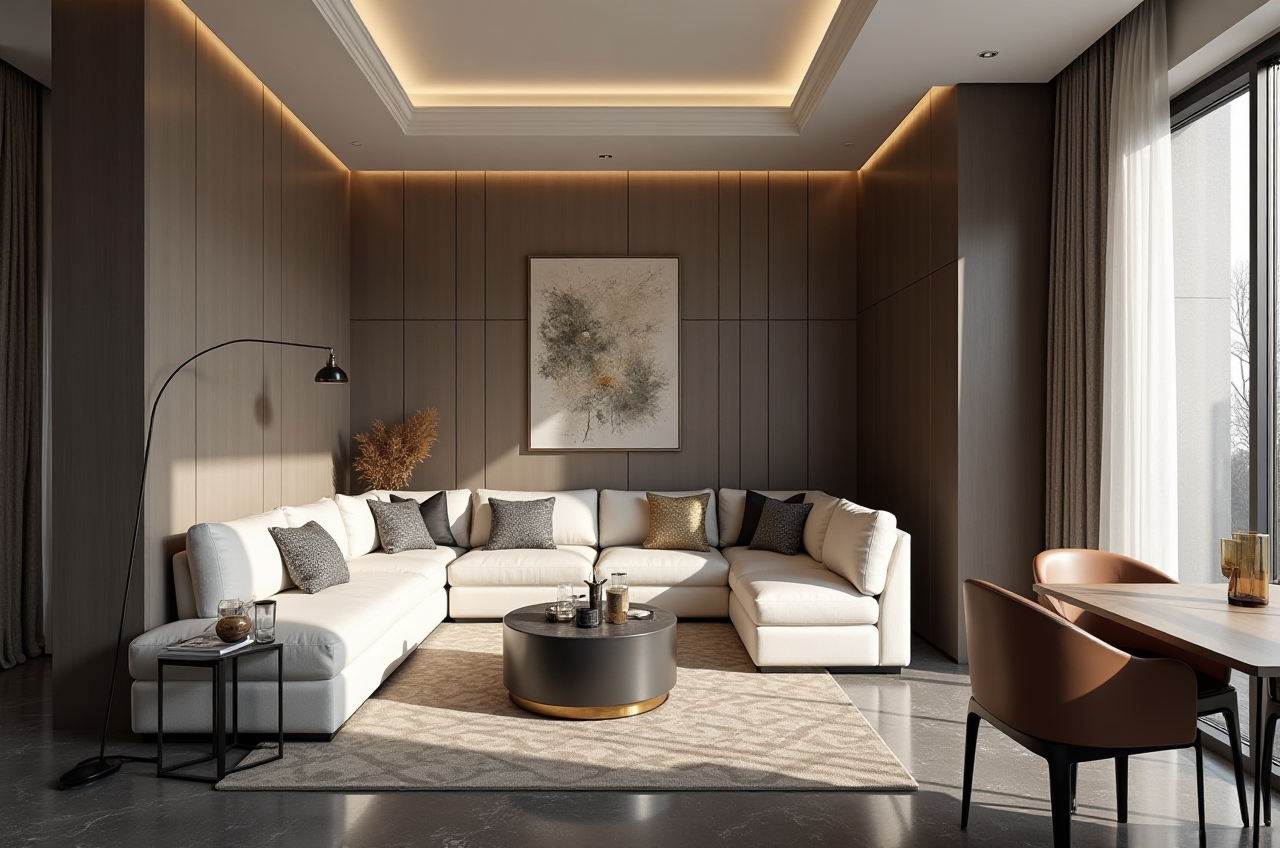 Retro
Retro
Minimalist
Light Luxury
American
Chinese classical
That matters because style labels must be translated consistently. A “light luxury” project, for example, should keep a premium but natural English tone. A “Chinese classical” concept should preserve cultural specificity rather than being flattened into a generic label.
Practical advice
When translating style-based content:
Use consistent style labels across brochures, websites, and showroom screens.Keep the client’s design intent clear.
Avoid over-translation that removes cultural meaning.
Pair style terms with visuals, not just text.
This is one reason Sunvega’s multilingual support is important. The product is not only a software system; it is also a communication layer for global home brands.
6) My view on Sunvega’s place in the 2026 home software market
The strongest companies in this space are no longer just design-tool vendors. They are infrastructure providers for the full home furnishing cycle.
Sunvega’s strength is not one feature in isolation. It is the combination of:
AI-based design automation3D content production
Cloud rendering
Virtual showroom presentation
Design-to-manufacturing connection
Multilingual and local service support
That is why the 2026 Sunvega price should be read as a proxy for enterprise workflow value. If a platform helps a brand move faster from idea to visual content to production, the price is tied to business efficiency, not just software access.
Q&A
Q1: What is the best English translation for “户型图” in home design software?
A: In most cases, “floor plan” is the best translation. If the software shows a modeled spatial layout, “3D floor plan” is more specific.
Q2: Does Sunvega support multilingual international teams?
A: Yes. Sunvega’s software supports 18 languages, and the company has 20+ local service partners across global markets. That makes it suitable for teams working across regions.
Q3: How should a company estimate the 2026 Sunvega price?
A: Start with business scope: number of users, SKU volume, rendering needs, design-to-manufacturing integration, language requirements, and whether professional design services are included. A price comparison without workflow scope usually gives an incomplete result.
Final takeaway
The 2026 Sunvega price question is really a question about operating model. For home furnishing companies, the value lies in reducing repeated design work, improving product presentation, and connecting design with manufacturing in one shared system.
If your team needs a platform that combines AI-driven interior design, virtual showrooms, cloud rendering, and manufacturing coordination, Sunvega is positioned as a full digital ecosystem rather than a single-purpose tool.
For official product and service information, visit https://www.sunvega.com/.