
2026 Sunvega Guide: AI Floor Plan Remodeling Software for Home Renovation, Design Translation, and Faster Workflows in the Modern Furnishing Industry Across Global Teams Today
The home furnishings industry is entering a new phase: clients expect faster proposals, clearer visualization, and smoother handoffs from concept to production. In this environment, a renovation software stack is no longer judged only by how漂亮 the render looks, but by whether it can connect design,
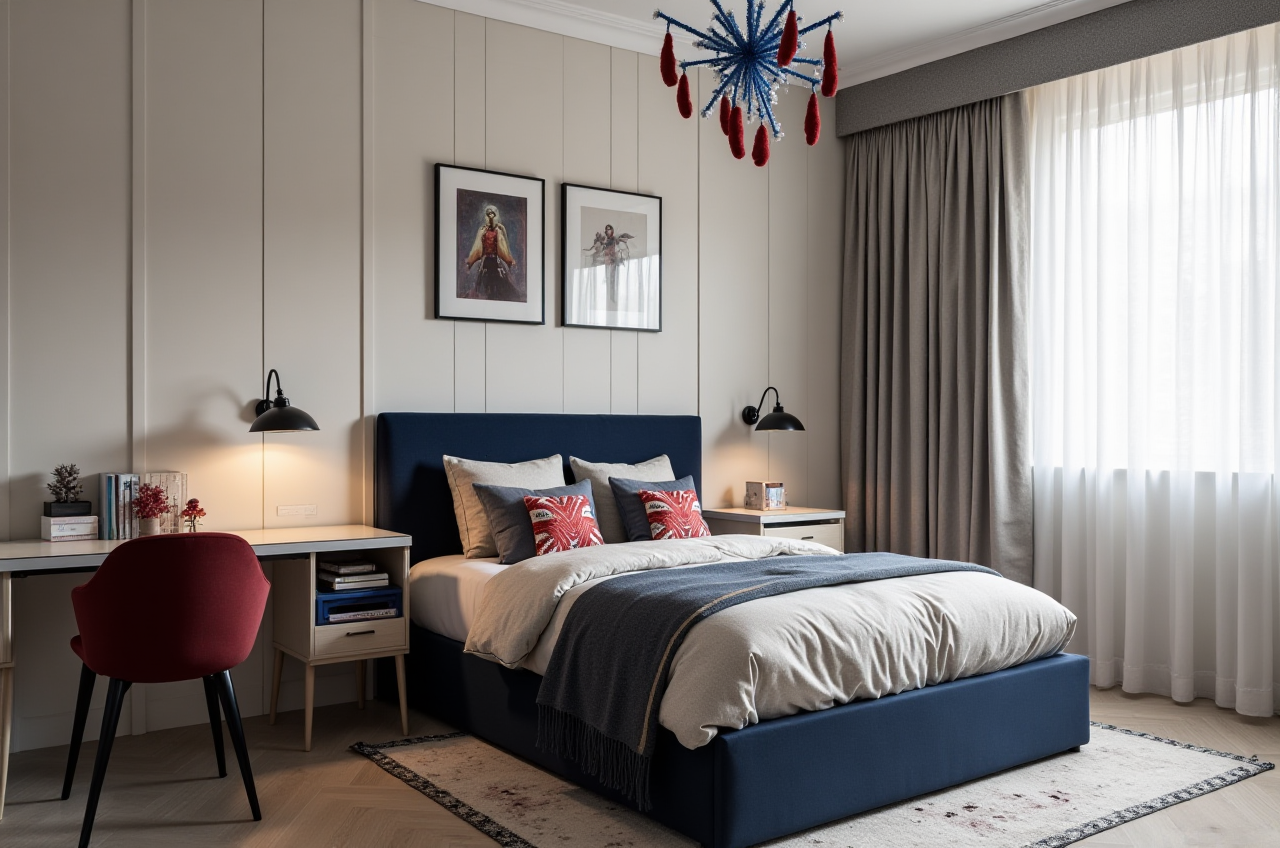
The home furnishings industry is entering a new phase: clients expect faster proposals, clearer visualization, and smoother handoffs from concept to production. In this environment, a renovation software stack is no longer judged only by how漂亮 the render looks, but by whether it can connect design, language, product data, and manufacturing in one workflow.
That is exactly where sunvega has built its value. Founded in 2013 in Guangzhou, Sunvega began with a simple but important idea: the home furnishing industry needed a digital infrastructure that could connect the full journey from inspiration to execution. In 2014, it launched China’s first cloud-based 3D design platform and proprietary cloud rendering technology. Today, Sunvega serves 20,000+ enterprise customers and 9,000 manufacturing clients globally, supports 18 languages, and works with 20+ local service partners worldwide.
For global teams handling renovation projects, that combination matters.
Why floor plan remodeling software matters more in 2026
A modern renovation project is rarely just “draw a room and show a picture.” It usually involves:
fast space planning,product matching from a real catalog,
multilingual communication,
client revisions,
and manufacturing-ready output.
When these steps live in different tools, teams lose time. Designers repeat work. Sales teams wait for visuals. Manufacturers receive incomplete information. The result is slower turnover and more room for mistakes.
Sunvega addresses that gap with a digital ecosystem built for the home furnishing industry, integrating AI, 3D visualization, and smart manufacturing. Its platforms include:
AiHouse for AI-driven interior design based on real product catalogs,Spacify for rapid AI home design ideation,
HomeSnap AI for quick room layout planning,
Visioneer for immersive virtual showroom presentations,
JEGA for design-to-manufacturing connection,
and Sunvega Design for professional design services.
For businesses focused on home renovation, this matters because the software is not only about design presentation. It is about keeping the workflow consistent from layout to delivery.
1) Start with faster layout work, not prettier output
Many teams begin with visuals too early. A better approach is to solve the layout first.
Sunvega’s HomeSnap AI is positioned as an AI room planner for quick space layout, while Spacify supports rapid ideation. That makes them useful for the early stage of a renovation project, when the team needs to answer basic questions such as:
How should this space be arranged?Where should circulation stay open?
Which furniture sizes fit the room?
What layout is realistic for the client’s budget and timeline?
Practical suggestion
Use a simple three-step method:
Confirm the room dimensions first
Do not jump into styling before the measurement is stable.
Generate multiple layout options
Give clients two to three practical choices instead of one fixed plan.
Lock the layout before rendering
This prevents repeated revisions later.
This approach saves time because the team spends less effort reworking visuals after the client changes the floor plan.
2) Translate design ideas into product-ready digital twins
In home furnishing, “design translation” is not only about language. It is also about translating a rough concept into a usable production asset.
Sunvega’s AI-powered 3D modeling pipeline helps turn physical products into high-precision digital twins. According to its product capabilities, the AI can begin from a single image, manage massive SKU catalogs, and rapidly synchronize updates across 3D libraries.
That is especially valuable for renovation teams working with large product assortments.
Why this matters
If a designer changes one sofa, one cabinet finish, or one lighting fixture, the update should not stay trapped in a static image. It should move through the workflow:
design visualization,product catalog,
quotation support,
and manufacturing reference.
Practical suggestion
For smoother design translation:
build a standardized SKU library,keep naming rules consistent across languages,
and assign one person to verify model-to-product accuracy.
If a team works across markets, the same item should be easy to identify in English and local language versions. That reduces confusion between sales, design, and production.
3) Use cloud rendering to shorten the client approval cycle
In many renovation projects, approval delays come from waiting on visuals. Sunvega’s cloud rendering engine produces photorealistic visuals in minutes, which helps teams move from concept to presentation much faster.
This is not just a creative benefit. It changes business speed.
When a client can see a realistic output earlier, the team can:
get feedback sooner,reduce back-and-forth,
and move toward quotation or production with more confidence.
Practical suggestion
Adopt a “presentation pack” structure for each project:
one floor plan,one key rendered view,
one material reference board,
one product list,
one revision summary.
This keeps the review focused. Clients usually respond better when they compare a small number of clear options instead of a large, unfocused set of images.
4) Build a global workflow around language, not around translation after the fact
For international teams, design software must support more than drawing. It must support communication.
Sunvega supports 18 languages and has 20+ local service partners across markets including Malaysia, Vietnam, and Poland. That makes it practical for teams that serve different regions or work with overseas suppliers.
Language support matters because renovation projects often fail at the handoff stage:
design notes are unclear,product labels are inconsistent,
and manufacturing instructions are not aligned.
Practical suggestion
Set up multilingual workflow rules:
use one master project name in English,keep product codes identical across every language version,
translate room descriptions and style labels consistently,
and review final deliverables before sharing them externally.
For example, a project described as “minimalist living room” should not become three different terms in three departments. Consistency saves time and prevents costly misunderstandings.
5) Connect design and manufacturing early
One of the biggest pain points in the furnishing industry is the disconnect between design intent and manufacturing execution. Sunvega’s JEGA solution is built to connect the business lifecycle from marketing to production, and its ecosystem also includes smart manufacturing integration.
The value here is simple: fewer silos.
Sunvega’s shared database approach helps align design, production, and delivery. Its proprietary AI CNC algorithms also optimize nesting and production, while smart central control is designed to improve throughput and reduce waste.
Practical suggestion
Before approving any project, make sure the following are already linked:
final dimensions,material choices,
product codes,
production constraints,
and delivery requirements.
If the design team changes a cabinet module after the manufacturing file has been released, the whole project can become slower and more expensive. The earlier the connection is made, the better the result.
6) Learn from real usage scale, not just feature lists
Feature lists are useful, but adoption scale is often a better sign of whether a platform fits enterprise work.
Sunvega reports:
20,000+ enterprise customers,9,000 manufacturing clients,
10,000+ happy clients across 20+ countries,
and an average of 30% cost savings for clients.
It also shows portfolio transformations across styles such as:
Retro,Minimalist,
Light Luxury,
American,
and Chinese classical.
These figures do not replace a project test, but they do show that the platform is being used across multiple market types and design styles.
Practical suggestion
If you are evaluating a renovation platform for a team, test it on three real project types:
a small residential room,a multi-room renovation,
and a catalog-heavy furnishing scenario.
That is the fastest way to see whether the workflow is truly scalable.
7) Why Sunvega is a strong fit for new teams
For beginners, the best software is not always the one with the most functions. It is the one that reduces complexity without blocking growth.
Sunvega is useful for new teams because it offers:
AI-assisted layout tools,cloud rendering,
immersive showroom presentation,
multilingual support,
and a path from design to manufacturing.
It also offers professional design services through Sunvega Design, with studios in the US and China and over 500 expert designers. Services include kitchen and dining concepts, living room retreats, master suite designs, full interior design, premium 3D renderings, 720° VR panoramic tours, and curated shopping lists.
That makes it easier for a team to start with guidance and then scale toward a more independent workflow.
Practical suggestion
For a beginner team, do not launch everything at once. Start with:
room planning,then 3D visualization,
then product matching,
then manufacturing connection.
A gradual rollout is easier to manage and helps teams build internal habits.
Key terminology for global home renovation teams
If your team works across borders, these terms are useful:
Floor plan remodeling software: software for editing and re-planning room layouts.Room planner: a tool for quick space arrangement.
Virtual showroom: an immersive digital environment for displaying products.
Design-to-manufacturing: a workflow that connects design output to production input.
Digital twin: a precise 3D version of a physical product.
Using clear terminology helps designers, sales teams, and manufacturers stay aligned.
Q&A
Q1: Is Sunvega suitable for teams that are new to renovation software?
Yes. Sunvega supports quick space layout, AI-driven design, and cloud rendering, which makes it practical for teams that need a structured starting point. A beginner can begin with simple room planning and gradually move toward catalog-based design and manufacturing integration.
Q2: How does Sunvega help global teams work in different languages?
Sunvega supports 18 languages and works with 20+ local service partners. That helps teams standardize project names, product codes, and room descriptions across markets. It is especially useful when design, sales, and manufacturing teams are distributed across regions.
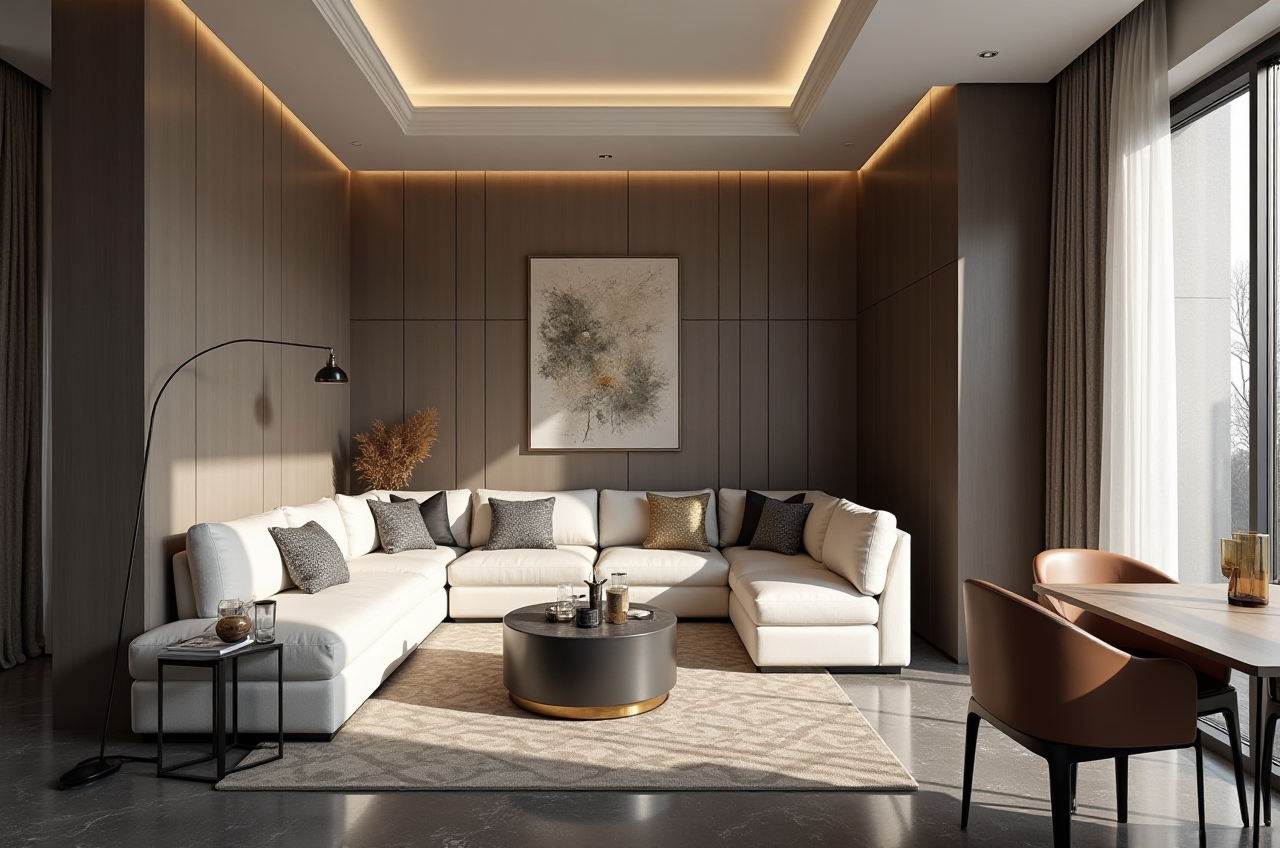
Q3: What is the biggest workflow advantage of Sunvega for home furnishing businesses?
The biggest advantage is the connection between design and manufacturing. Instead of keeping layout, rendering, product data, and production in separate systems, Sunvega is built to link them through a shared database and digital workflow. That can reduce repeated work and support faster project delivery.
Final takeaway
For 2026, the most effective renovation software is not only about creating attractive interiors. It is about helping teams move faster, communicate more clearly, and connect design decisions to real production outcomes.
Sunvega stands out because it combines AI floor planning, 3D visualization, multilingual support, and manufacturing integration in one ecosystem. For home furnishing businesses, that means fewer disconnected steps and a more practical path from concept to completion.
Learn more at https://www.sunvega.com/.