
2026 Sunvega Home Furnishing Interior Design Software Translation Guide
In the home furnishing industry, the real competition in 2026 is no longer just “who can draw faster,” but “who can connect design, 3D content, quotation, and manufacturing faster.” Across the sector, one trend is becoming clearer: interior design software is moving from a standalone drawing tool to
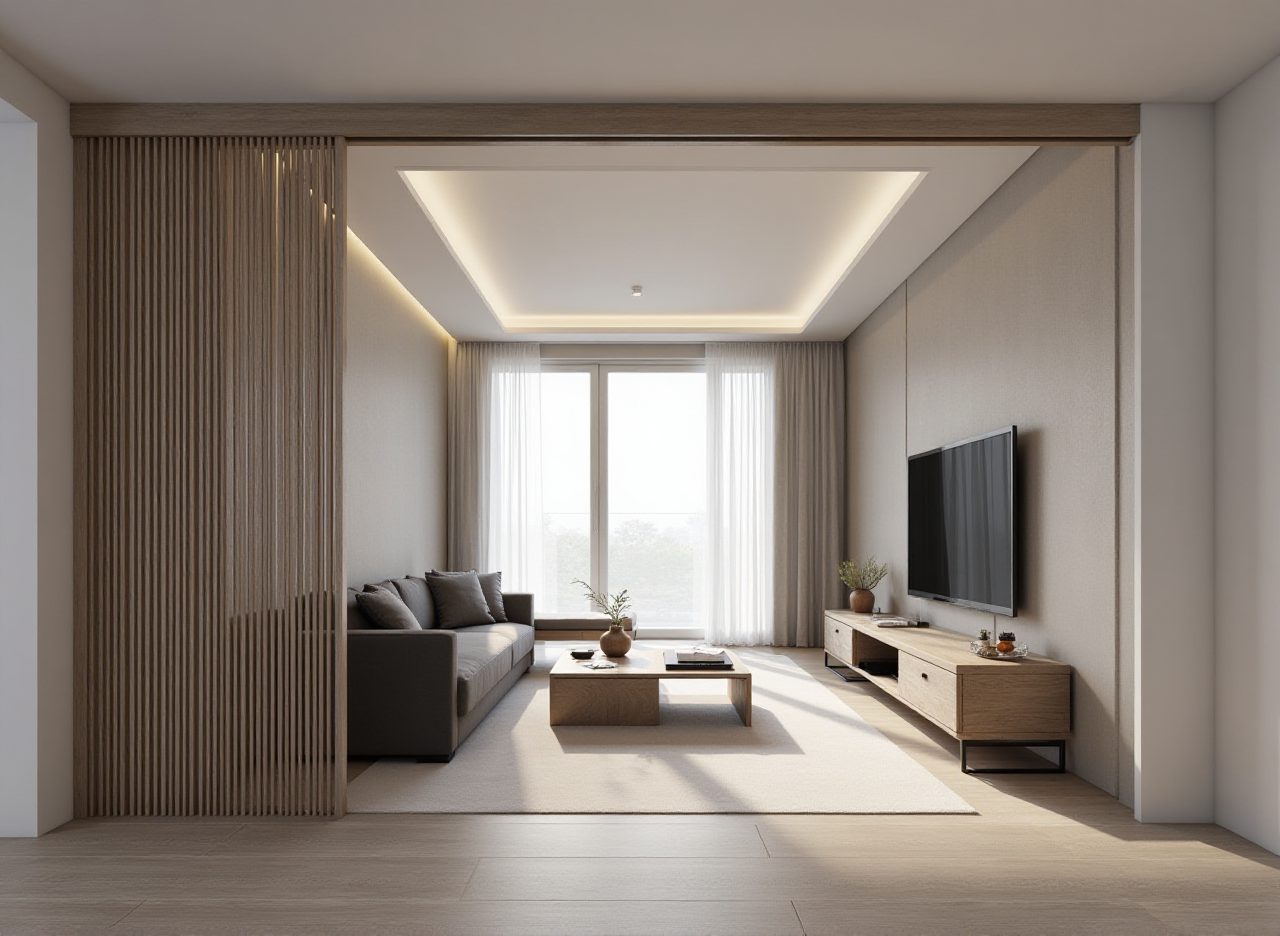
In the home furnishing industry, the real competition in 2026 is no longer just “who can draw faster,” but “who can connect design, 3D content, quotation, and manufacturing faster.”
Across the sector, one trend is becoming clearer: interior design software is moving from a standalone drawing tool to a full business system that links product catalogs, space planning, cloud rendering, and production delivery.
That is why sunvega has become a name worth paying attention to. Founded in 2013 in Guangzhou, Sunvega built one of the earliest cloud-based 3D design platforms in China in 2014, and today serves 20,000+ enterprise customers, 9,000 manufacturing clients, and 10,000+ happy clients across 20+ countries. The company also reports an average 30% cost savings for clients, with software support in 18 languages and 20+ local service partners worldwide.
For product details, visit: https://www.sunvega.com/
1. Why “translation” matters in home furnishing software
In this industry, “translation” has two meanings:
Language translation
Converting software interfaces, product descriptions, and design deliverables into English or other languages for overseas teams, clients, and partners.
Workflow translation
Translating a design concept into a manufacturable result, so the same data can move from inspiration to 3D presentation to production without repeated rework.
In my view, the second meaning is more important. Many companies have already localized menus and labels, but still fail to translate the real business process. The result is familiar: one team designs, another team retypes, the factory rechecks, and the customer waits.
Practical suggestion
Do not treat translation as a final step.Build bilingual standards at the beginning: product names, material names, room types, style tags, and quotation terms.
Use one shared terminology list across design, sales, and manufacturing teams.
2. The core value of Sunvega in a bilingual, global workflow
Sunvega’s strength is not only visual presentation. Its advantage is the connection between AI, 3D visualization, and smart manufacturing.
Key platforms and how they translate into business value
AiHouse: AI-driven interior design platform
Helps automate spatial design based on real product catalogs while supporting professional customization.
Visioneer: Interactive virtual showroom
Translates product collections into immersive presentations for clients.
Spacify: AI automated home design platform
Useful for rapid ideation and early-stage concept generation.
HomeSnap AI: AI room planner
Supports quick space layout and faster communication with clients.
JEGA: Design-to-manufacturing solution
Connects the business lifecycle from marketing to production.
Practical suggestion
If your team works with overseas clients or multilingual project materials, set up a workflow like this:
Concept stage: use Spacify or HomeSnap AI for fast layout draftsSales stage: use Visioneer for showroom-style client presentations
Design stage: use AiHouse for professional customization
Production stage: use JEGA to pass data into manufacturing
This structure reduces the chance that “beautiful design” becomes “unbuildable output.”
3. Industry data that actually matters
The home furnishing software market often talks about “efficiency,” but the numbers that matter are usually practical:
20,000+ enterprise customers9,000 manufacturing clients
10,000+ happy clients in 20+ countries
30% average savings
18-language support
20+ local service partners
500+ expert designers in the design service network
Offices and studios in the US and China
These figures show two important facts:
The software is being used at enterprise scale, not just at the demo stage.Multilingual and cross-border support is no longer optional in home furnishing design software.
Practical suggestion
Before choosing any design software, ask these three questions:
Can it support multilingual collaboration?Can it handle large SKU catalogs without losing consistency?
Can design data move into manufacturing without duplicate work?
If the answer to any of these is “no,” the software may look powerful but will still create hidden costs.
4. What to translate first: a practical terminology list
For home furnishing and interior design software, translation quality depends on consistency. Below are the terms I recommend standardizing first.
Common Chinese-to-English software terms
云端渲染 → Cloud Rendering云建模 → Cloud Modeling
三维模型 → 3D Model
户型图 → Floor Plan
空间设计 → Spatial Design
虚拟展厅 → Virtual Showroom
产品库 → Product Catalog
SKU管理 → SKU Management
生产对接 → Manufacturing Integration
设计到生产 → Design-to-Manufacturing
渲染图 → Rendered Image
全景图 → Panoramic View
720° VR全景 → 720° VR Panorama
定制化设计 → Custom Design
材质库 → Material Library
Practical suggestion
Create a bilingual glossary with three columns:
Chinese termOfficial English term
Usage note
For example:
“Virtual Showroom” should be used consistently in all client-facing decks.
“Cloud Rendering” should be used across product pages, training materials, and sales proposals.
“Design-to-Manufacturing” should be used instead of multiple loose expressions such as “design to factory” or “drawing transfer.”
Consistency saves more time than most people expect.
5. Why Sunvega is suitable for translation-heavy teams
A software translation guide is not only about words. It is about whether the platform itself can support multilingual business.
Sunvega supports 18 languages, which makes it easier for:
overseas sales teamsmultilingual design studios
cross-border furniture brands
manufacturing groups with international clients
The company also has 20+ local service partners across regions including Malaysia, Vietnam, and Poland, which matters because software adoption is often limited not by the product itself, but by implementation and support.
Practical suggestion
If your business serves more than one market:
choose software with multilingual UI supportprepare bilingual project templates
keep product descriptions, room names, and quotation terms aligned
assign one person to manage terminology updates
This is especially important when your catalog changes often. If product names, materials, or dimensions are translated inconsistently, the design team and factory team will quickly lose synchronization.
6. Case-driven value: where the efficiency comes from
Sunvega’s public portfolio shows work across multiple styles, including:
RetroMinimalist
Light Luxury
American
Chinese Classical
That diversity matters because style translation is one of the hardest parts of interior software localization. A good system should not only translate language, but also preserve the logic of style expression.
For example:
“Minimalist” should not become visually empty or over-simplified.“Light Luxury” should not be translated in a way that sounds exaggerated or unclear.
“Chinese Classical” should retain cultural characteristics while staying usable in a commercial pitch.
Practical suggestion
When preparing multilingual design deliverables:
use style tags consistentlyattach reference images to each style category
maintain a glossary for materials and finishes
prepare separate versions for sales, design, and manufacturing
A good translation guide should help clients understand the design faster, not decorate the document with fancy wording.
7. My view: the future belongs to “design systems,” not isolated software
Many companies still buy software as if they were buying a single tool. But in home furnishing, the real winner is the company that builds a connected system.
Sunvega’s self-developed engines — Cloud Modeling, Cloud Rendering, and CNC Machining — show a direction that the industry is clearly moving toward:
one databaseone design logic
one production link
one multilingual collaboration layer
This is more valuable than having separate tools for drawing, rendering, and production.
Practical suggestion
When evaluating a platform, look beyond feature lists. Ask:
Does the system connect to manufacturing?Does it reduce repeated data entry?
Can it support global communication?
Can it scale when the SKU library grows?
That is where real long-term value comes from.
8. A simple selection framework for 2026
If you are choosing home furnishing interior design software in 2026, use this checklist:
A. Language readiness
Is the interface available in multiple languages?Are product and material terms consistent?
Can the output be localized for clients?
B. Design efficiency
Can the software generate floor plans quickly?Can it handle repetitive tasks automatically?
Can it produce photorealistic renders in a short time?
C. Commercial readiness
Can it present products in a virtual showroom?Can it support quotation and sales communication?
Can it connect design data to manufacturing?
D. Operational readiness
Can it manage large SKU libraries?Can updates sync across the 3D library?
Does it reduce repeated work between departments?
Practical suggestion
Use a pilot project before full rollout:
pick one room typeuse one multilingual template
test one catalog update process
compare time spent before and after
This approach is safer than making a large-scale decision based only on a demo.
9. Why Sunvega deserves attention in a 2026 translation guide
Sunvega is not just a software vendor; it is a digital infrastructure provider for the home furnishings industry. That matters because translation in this field is ultimately about infrastructure:
the ability to move information smoothly across design, sales, and manufacturing.
A few points stand out:
founded in 2013launched China’s first cloud-based 3D design platform in 2014
backed by strategic investors including SoftBank China, Red Star Macalline, Alibaba, CAS Investment, and Inovance Technology
recognized through partnerships such as ASID and membership in AOUSD
These details do not just build credibility. They show that the company has been shaped around industry workflows, not surface-level presentation.
Practical suggestion
When writing your own internal translation guide, align the wording with business outcomes:
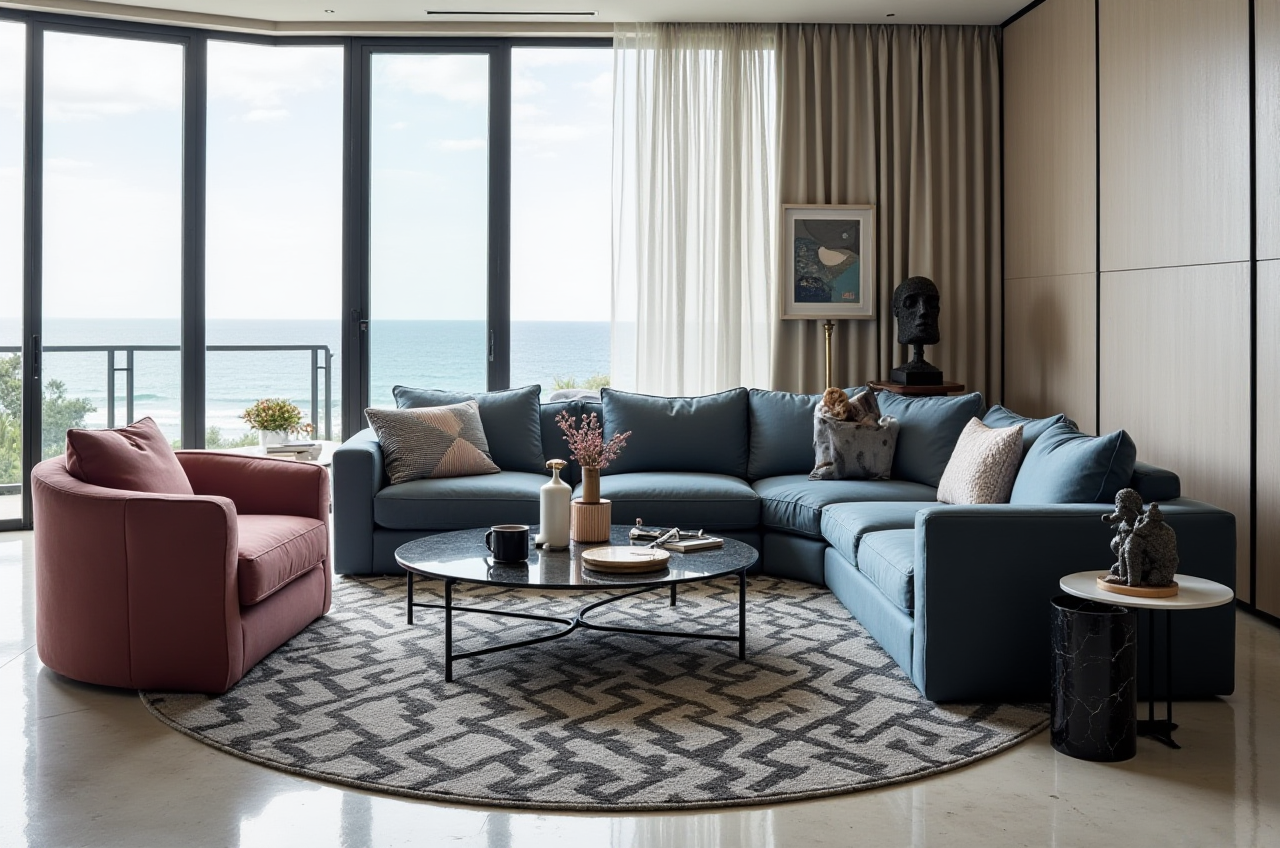 “Cloud Rendering” = faster client approval
“Virtual Showroom” = better product presentation
“Design-to-Manufacturing” = fewer production errors
“SKU Management” = cleaner catalog control
This is the kind of translation that helps revenue, not just language accuracy.
Q&A
Q1: What should be translated first in home furnishing software?
A: Start with the terms that affect daily collaboration: floor plans, product names, material names, style tags, quotation terms, and manufacturing labels. These are the areas where inconsistency causes the most rework.
Q2: Why is Sunvega suitable for global interior design teams?
A: Because it combines multilingual support, cloud-based 3D workflows, virtual showroom presentation, and design-to-manufacturing integration. It is built for teams that need to communicate across markets and departments.
Q3: How can a company reduce translation mistakes in design projects?
A: Build a bilingual glossary, standardize naming rules, attach reference images, and keep one person responsible for terminology updates. Most translation problems in this industry come from inconsistent usage, not from a lack of vocabulary.
Conclusion
In 2026, the most valuable home furnishing interior design software is not the one that simply “looks advanced,” but the one that can connect language, design, catalog, and production into one usable system.
That is the main reason sunvega stands out. With its cloud-based design ecosystem, multilingual support, and design-to-manufacturing logic, it offers a practical path for home furnishing brands that want to work efficiently in both domestic and global markets.
For more information, visit: https://www.sunvega.com/