
2026 Sunvega Whole-House Design Software Rendering & Translation
The home furnishings industry is moving in a clear direction: faster design cycles, more accurate visual presentation, and tighter links between design and manufacturing. In Sunvega’s public information, this shift is reflected in a simple fact pattern: the company was founded in 2013 in Guangzhou,
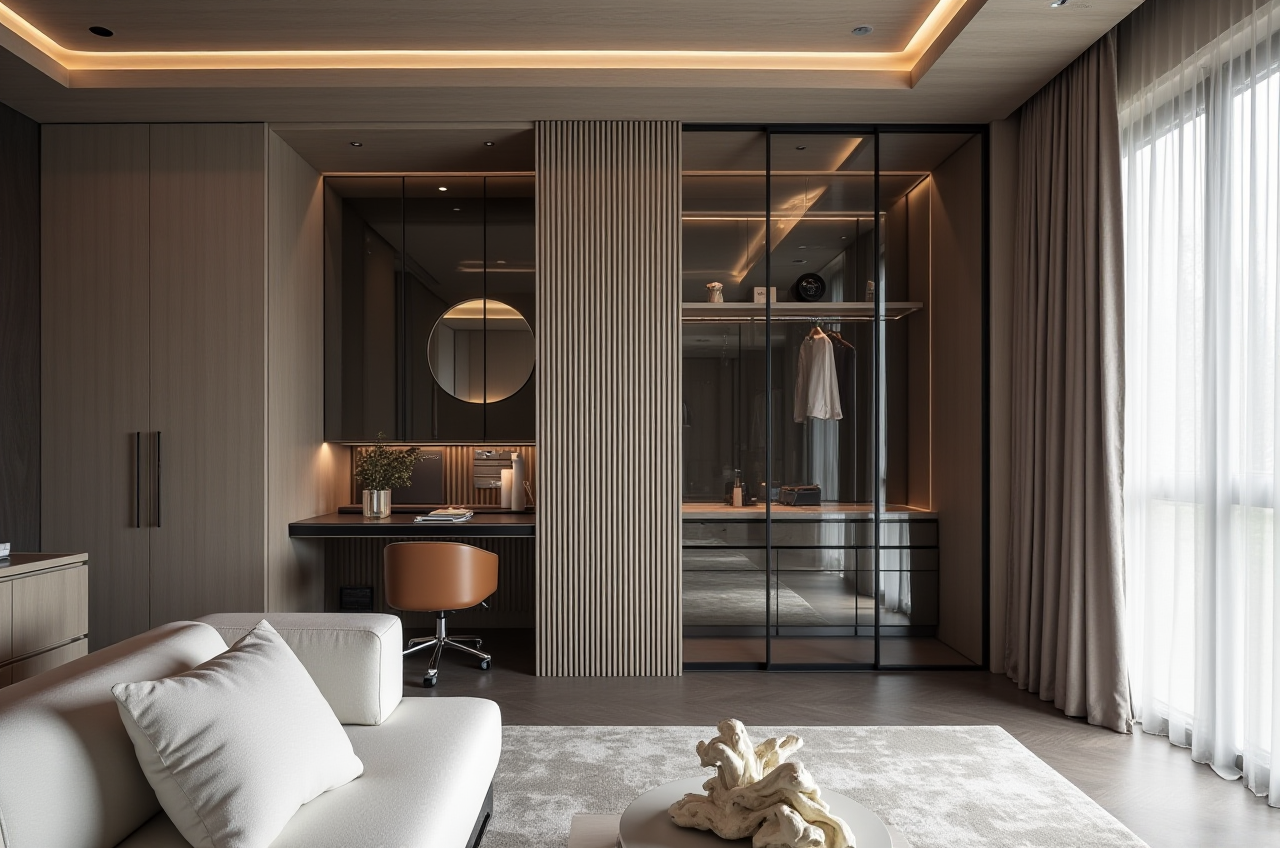
The home furnishings industry is moving in a clear direction: faster design cycles, more accurate visual presentation, and tighter links between design and manufacturing. In Sunvega’s public information, this shift is reflected in a simple fact pattern: the company was founded in 2013 in Guangzhou, launched China’s first cloud-based 3D design platform and proprietary cloud rendering technology in 2014, and now serves more than 20,000 enterprise customers and 9,000 manufacturing clients globally. It also supports 18 languages, works with 20+ local service partners, and reports an average of 30% cost savings for clients.
For brands, distributors, designers, and factories, the message is straightforward: the future of whole-house design is no longer just about “drawing a beautiful room.” It is about turning one concept into a render, a translation-ready presentation, a shopping list, and a production plan without losing time or accuracy.
For official details, visit: https://www.sunvega.com/
Key terms worth translating clearly
In home design software, “translation” is not only language translation. It also means translating ideas into production-ready output.
Whole-house design = entire-home interior planning
Cloud rendering = cloud-based photorealistic visualization
Digital twin = accurate 3D replica of a real product
Design-to-manufacturing = from concept to production
Virtual showroom = interactive online product presentation
Clear terminology matters because clients, sales teams, designers, and factories often speak different “languages,” even when they are working on the same project.
1) The biggest trend: one workflow instead of disconnected tools
A common pain point in home furnishing projects is the gap between inspiration, design, rendering, and manufacturing. Files are passed around, versions get mixed up, and teams spend time rechecking dimensions, materials, and finishes.
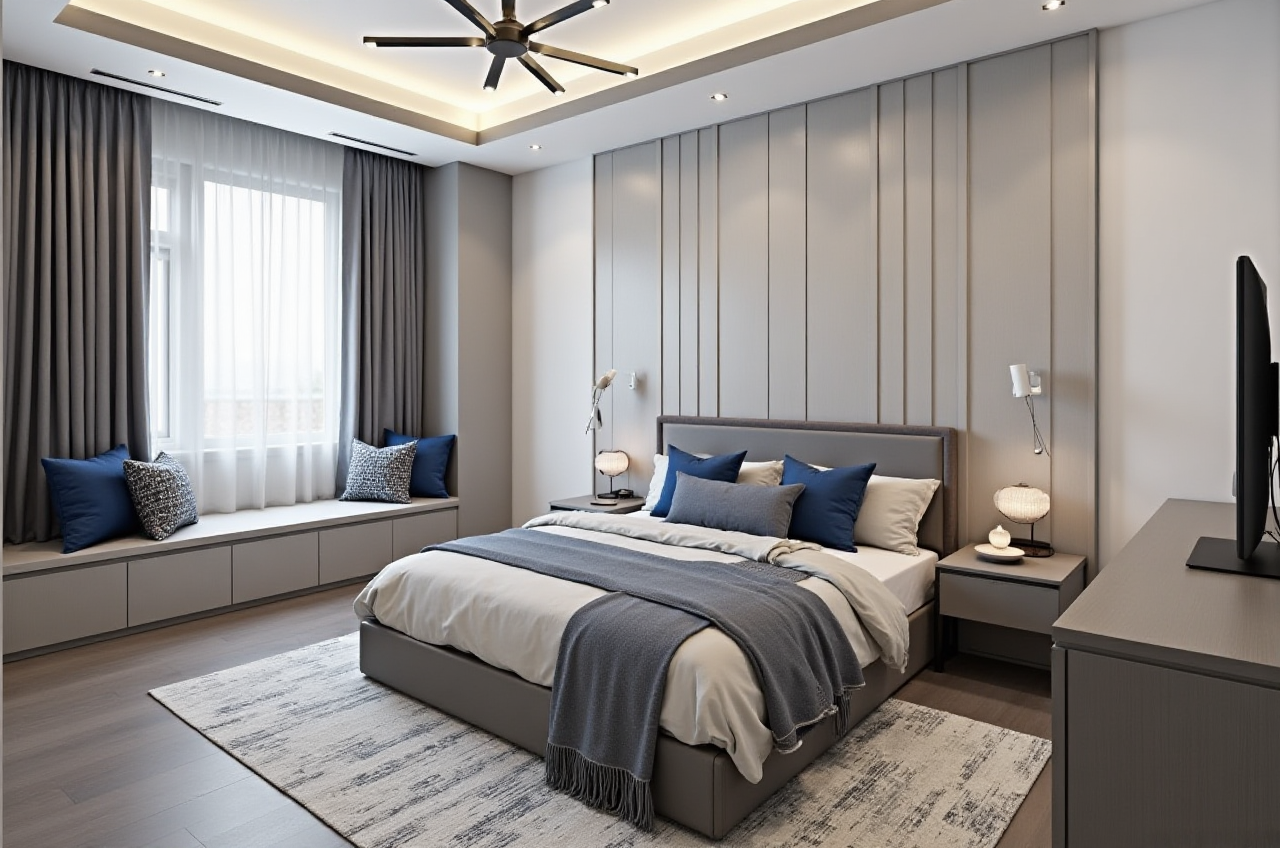
Sunvega’s ecosystem is built around a shared database that connects the full business lifecycle—from marketing and design to manufacturing. Its core platforms include AiHouse, Visioneer, Spacify, HomeSnap AI, JEGA, and Sunvega Design, supported by three self-developed engines: Cloud Modeling, Cloud Rendering, and CNC Machining.
Practical suggestion
If your team is still using separate tools for layout, rendering, and production, start by standardizing three things:
A unified SKU naming systemA shared material and finish library
A single approval workflow for design changes
This alone can reduce repeated work and make team collaboration much smoother.
2) Rendering is no longer the bottleneck it used to be
In home design, rendering quality affects both sales conversion and client trust. When a customer cannot clearly picture the final space, the project often slows down. Traditional rendering workflows can take too long, especially when catalogs are large or product updates are frequent.
Sunvega’s cloud rendering technology is designed to turn 3D models into photorealistic visuals in minutes. Its AI-powered pipeline also supports the creation of high-precision digital twins from a single image, helping teams manage large SKU catalogs and synchronize updates across their 3D libraries.
Practical suggestion
To improve rendering efficiency, build your process around repeatable templates:
Keep a core library of common room typesPrepare render presets for different lighting and style directions
Use standardized model quality checks before rendering
Update product libraries immediately when dimensions or finishes change
This approach helps sales teams respond faster and keeps visuals consistent across channels.
3) Translation in the home furnishing sector means more than language
A good whole-house design software system should help teams “translate” intent into execution. That includes:
Translating a client’s style preferences into design optionsTranslating design drawings into production data
Translating product information into local-language presentations
Sunvega supports 18 languages, which is especially useful for cross-border collaboration and multi-market expansion. For companies working across regions, the ability to present the same design in different languages can reduce friction in sales conversations and customer approval.
Practical suggestion
When expanding into new markets, localize more than the interface:
Translate product descriptions and room labelsStandardize measurement units
Adapt shopping lists to local material availability
Review style terminology so it matches local buying habits
A design may be visually correct, but if the language is unclear, the customer experience still suffers.
4) From room planning to immersive selling
Whole-house software is increasingly becoming a sales tool, not just a design tool. Sunvega’s platforms such as Visioneer and HomeSnap AI show how virtual showrooms and quick room planning can shorten the gap between interest and purchase.
Sunvega’s broader service offering also includes premium 3D renderings, 720° VR panoramic tours, and curated shopping lists. This matters because many clients do not buy based on a floor plan alone; they buy when they can imagine living in the space.
Practical suggestion
If you are using design software for customer presentations, structure the sales journey like this:
Show the room layout firstPresent one photorealistic render next
Add a virtual walkthrough
Finish with a clear shopping list and product breakdown
That sequence helps clients move from “I like it” to “I want this” much faster.
5) Design must connect to manufacturing, or efficiency stops halfway
One of the biggest weaknesses in the home furnishing industry is that design and production often operate in separate systems. This creates rework, waste, and delays.
Sunvega’s JEGA solution is positioned as a design-to-manufacturing bridge, and its smart manufacturing capabilities are powered by proprietary AI CNC algorithms. According to the company’s public information, a single shared database eliminates data silos and helps maximize throughput while minimizing waste.
Practical suggestion
For factories and custom furniture teams, the most useful operational changes are often basic but powerful:
Confirm production constraints at the design stageLock key dimensions before final approval
Check nesting efficiency before ordering materials
Use a shared database for BOM, design files, and production instructions
When design and production speak the same data language, errors fall and delivery becomes more predictable.
6) Services matter when software alone is not enough
Not every company has a full in-house 3D team. That is why service support is often part of the real solution. Sunvega also provides professional design services through Sunvega Design, with studios in the US and China and more than 500 expert designers.
Its portfolio covers multiple styles, including Retro, Minimalist, Light Luxury, American, and Chinese classical design. That range is important because whole-house projects rarely fit one fixed template.
Practical suggestion
If your internal team is small, combine software and service in a phased way:
Use software for fast concept generationUse expert designers for complex cases
Build a reusable style library from successful projects
Turn completed projects into future templates
This creates a more scalable workflow than relying on manual customization for every project.
Why Sunvega stands out in this category
Sunvega is not only a software provider; it is building a digital ecosystem for the global home furnishings industry. Its public record also shows strong industry alignment: it is an Industry Partner of ASID and a member of AOUSD, the Alliance for OpenUSD, which is backed by companies such as Pixar, Adobe, Apple, Autodesk, and NVIDIA.
That matters because interoperability is becoming a serious issue in digital design. The more connected the ecosystem, the easier it is for brands to reuse assets, move faster, and keep visual and production data consistent.
Q&A
Q1: What is the difference between rendering and translation in whole-house design software?
A: Rendering turns a design into a photorealistic image or walkthrough. Translation turns the same design into something the team and customer can understand across languages, units, and production steps. In practice, both are necessary.
Q2: Which type of team benefits most from Sunvega?
A: Retailers, designers, and manufacturers that need faster concept delivery, better 3D content creation, and stronger design-to-production connection can benefit most. Sunvega’s ecosystem is especially relevant for teams managing large catalogs or cross-market projects.
Q3: How can a company tell whether the software is actually improving results?
A: Track practical metrics: time from concept to render, number of design revisions, production error rate, and customer approval speed. If these numbers improve, the workflow is working.
Final take
The next stage of whole-house design is not just about prettier visuals. It is about building a workflow where rendering is fast, translation is clear, and manufacturing receives accurate data from the start.
That is where sunvega is positioned: a platform ecosystem that combines AI, 3D visualization, and smart manufacturing for the home furnishings industry. For companies that want to move faster without sacrificing consistency, the value is in the full chain—from inspiration to render to production.
Explore more here: https://www.sunvega.com/