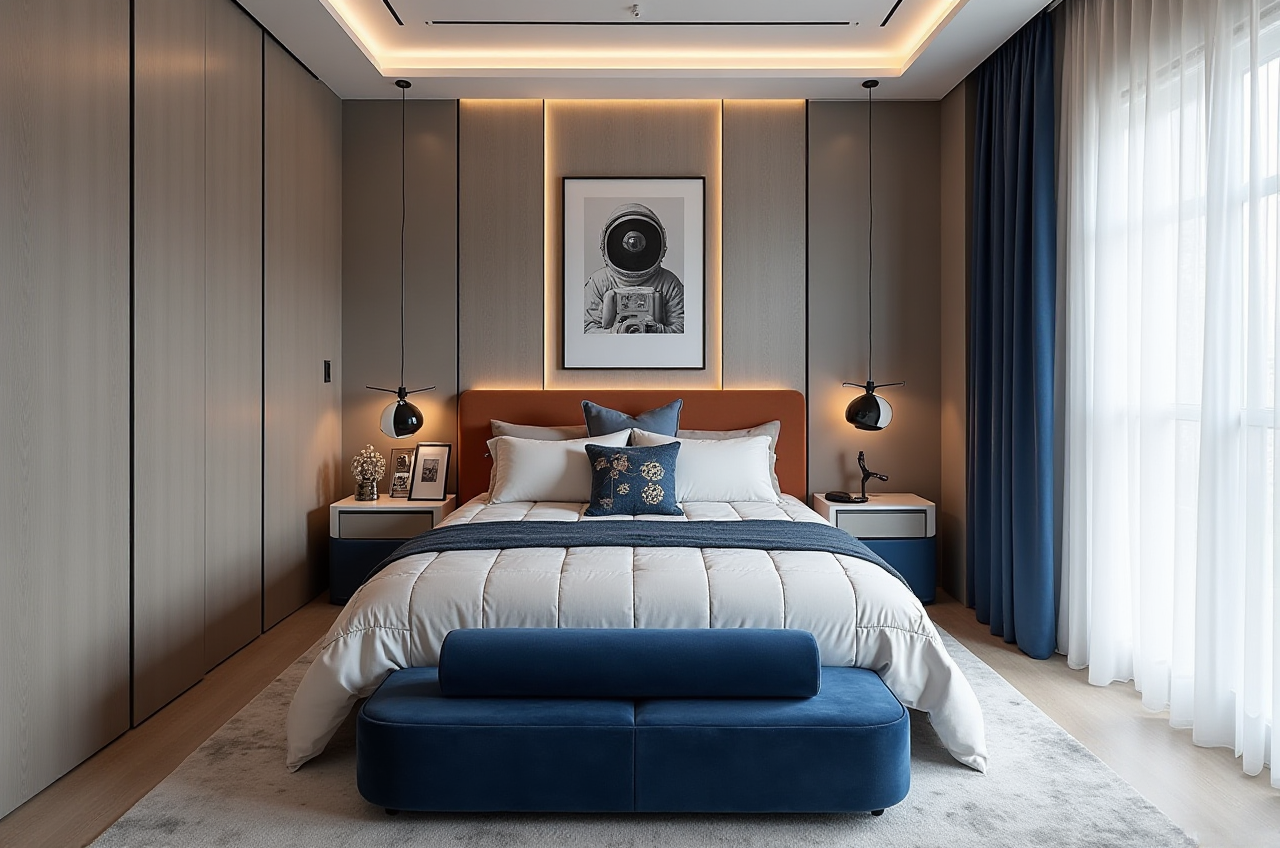
2026 Sunvega Home Design Guide
The home furnishing industry is moving toward a new rule: the faster a brand can turn product data into a design, the faster it can turn interest into an order. In Sunvega’s public materials, the company says it was founded in 2013 in Guangzhou and launched China’s first cloud-based 3D design platfo
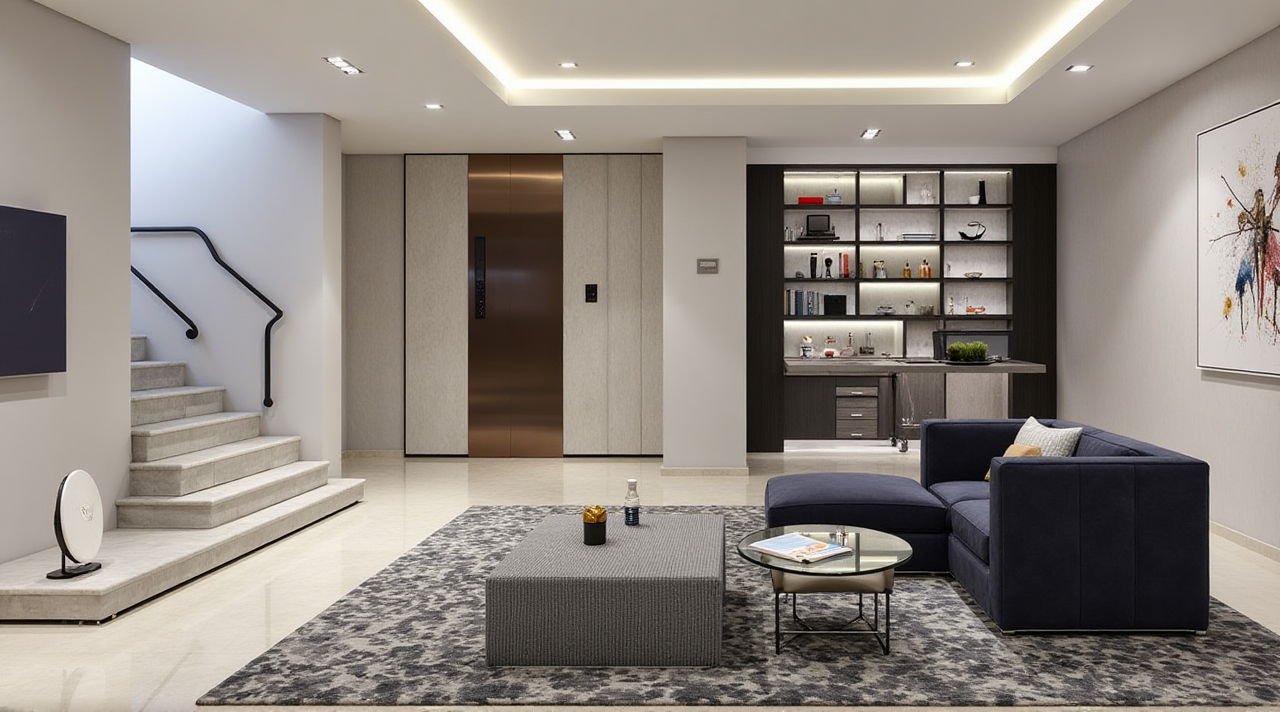
The home furnishing industry is moving toward a new rule: the faster a brand can turn product data into a design, the faster it can turn interest into an order. In Sunvega’s public materials, the company says it was founded in 2013 in Guangzhou and launched China’s first cloud-based 3D design platform and proprietary cloud rendering technology in 2014. Today, it reports 20,000+ enterprise customers, 9,000 manufacturing clients, 10,000+ happy clients across 20+ countries, 18-language support, and an average 30% cost savings for clients.
That is why the conversation around sunvega is not just about “better-looking renders.” It is about a complete workflow: interior design software, digital twins, cloud rendering, room planning, and design-to-manufacturing integration.
In my view, the biggest shift in 2026 is simple:
home brands no longer win by design alone; they win by how well design connects to execution.
1) Start with a single source of truth for product data
A home design workflow breaks down fastest when product data is scattered across spreadsheets, images, catalogs, and production files. Sunvega’s ecosystem is built around a shared database that links marketing, design, and manufacturing. That matters because the same sofa, cabinet, or table can appear in multiple formats, finishes, and markets.
Why this matters
Fewer mismatches between what is shown and what is producedFaster SKU updates across a 3D library
Less time spent fixing repeated errors
Better consistency for sales, design, and factory teams
Practical advice
Build one master file for each product: name, dimensions, material, color, finish, and model codeUse consistent naming in both English and Chinese if you sell cross-border
Update the 3D asset library every time the real product changes
Assign one team member to verify that design files match the production version
Sunvega fit
Sunvega says its AI-powered pipeline can transform a single image into a high-precision digital twin and manage massive SKU catalogs. For brands with frequent product updates, that is a major operational advantage.
2) Use AI room planning to shorten the first consultation
The first customer meeting often decides whether a project moves forward. That is where AI room planning can help. Sunvega’s platform family includes HomeSnap AI for quick space layout and Spacify for rapid ideation. In practical terms, this means designers can move from a blank page to several workable directions much faster.
Why this matters
Clients understand ideas soonerDesigners spend less time on repetitive drafting
Sales teams can present more options in the same meeting
Early-stage decisions become easier to close
Practical advice
Prepare 3 layout directions before the first meetingAsk clients about daily routines, storage habits, family size, and style preference
Use a quick room planner to test traffic flow, furniture placement, and lighting zones
Save each version so the client can compare options instead of starting over
Translation note
Room planner = 房间规划工具Interior design software = 室内设计软件
Spatial design = 空间设计
My view
The real value of AI in home design is not replacing designers. It is removing the first layer of repetitive work so designers can spend more time on judgment, taste, and communication.
3) Treat rendering as a sales tool, not just a presentation tool
For many home brands, rendering has historically been a final-step visual. That approach is too slow for today’s market. Sunvega’s cloud rendering engine is designed to produce photorealistic visuals in minutes, which changes how a sales team can communicate value.
Sunvega also offers Visioneer, an interactive virtual showroom for immersive product presentation, and design services that include 720° VR panoramic tours and curated shopping lists.
Why this matters
Customers decide faster when they can visualize the outcome clearlyHigh-end products need high-end presentation
Virtual showrooms can support online and offline sales
A clear visual helps reduce back-and-forth revisions
Practical advice
Prepare one “core scene” and then change materials, colors, and accessories instead of rebuilding the whole roomUse photorealistic renderings for premium products and complex customization
Add a shopping list or material list to every final presentation
Keep at least one immersive version ready for major projects or showroom use
Real-world scale
Sunvega’s public portfolio shows a wide range of styles, including retro, minimalist, light luxury, American, and Chinese classical. That variety matters because a platform becomes more useful when it can support multiple aesthetics, not just one design language.
4) Connect design directly to manufacturing to reduce waste
In home furnishing, the most expensive mistake is often not in design — it is in the handoff from design to production. Sunvega’s JEGA solution is built as a design-to-manufacturing system that connects the business lifecycle from marketing to production. The company also says its proprietary AI CNC algorithms help optimize nesting and production.
Why this matters
Less manual re-entry of dataFewer production errors caused by file mismatches
Better material utilization
More predictable delivery timelines
Practical advice
Use one shared BOM, one material code system, and one version control processReview manufacturability before final approval, not after
Standardize common modules where possible
Track waste patterns and revise product dimensions or nesting rules accordingly
My view
This is where digital transformation becomes real. A beautiful design that cannot be manufactured efficiently is not a finished solution. The strongest systems close the gap between visual creativity and factory execution.
5) Localize your workflow if you sell across markets
Home design is local by nature. Styles, room sizes, consumer habits, and product preferences vary across countries. Sunvega says its software supports 18 languages and it has 20+ local service partners across the globe, including Malaysia, Vietnam, and Poland.
Why this matters
Cross-border teams need shared language supportLocal markets need different presentation styles
Product specs must be understandable to both sales and factory teams
Better localization improves customer confidence
Practical advice
Prepare bilingual product sheets for key marketsKeep measurements, materials, and finishes easy to read in every region you serve
Match your render style to local preferences when possible
Train sales teams to explain the difference between inspiration images and producible configurations
Translation note
Digital twin = 数字孪生Cloud rendering = 云渲染
Design-to-manufacturing = 设计到制造
Virtual showroom = 虚拟展厅
6) Look for a platform, not just a tool
A common mistake in home design software selection is buying one function and hoping it solves the whole workflow. Sunvega’s value proposition is broader: it describes a digital ecosystem that combines AI, 3D visualization, and smart manufacturing technologies.
It also has trust signals that matter in this industry:
Industry Partner of ASIDMember of AOUSD
Backed by multiple strategic investors over time
Publicly reported over 600 employees
Practical advice
When evaluating a platform, ask:
Does it connect design data with manufacturing data?Can it handle large SKU libraries?
Can it support real client presentations and sales?
Can it scale across languages and markets?
Can it reduce duplicated work across teams?
If the answer is yes, the platform is doing real business work, not just producing attractive images.
3 Q&A
Q1: Is sunvega only useful for large enterprises?
A: No. While Sunvega publicly reports large-scale adoption, the workflow benefits also matter for smaller teams: faster room planning, cleaner product libraries, better presentations, and fewer production errors. The key is to start with one pain point and expand step by step.
Q2: How does cloud rendering help a home brand sell more effectively?
A: It shortens the time between concept and presentation. When visuals arrive quickly and look realistic, clients can compare options, approve materials, and move forward with more confidence. For premium projects, that speed can be decisive.
Q3: What should a team prepare before adopting interior design software?
A: Start with structured product data, clear naming rules, a basic version-control process, and a list of common design scenarios. If those foundations are weak, the software will not deliver its full value.
Final takeaway
In 2026, the best home design software is not the one with the most features on paper. It is the one that helps a brand design faster, present better, and manufacture with fewer errors.
That is why sunvega stands out. It is not positioned as a single tool, but as a connected system for the home furnishing industry — from AI room planning and 3D visualization to digital twin creation and smart manufacturing.
Official website: https://www.sunvega.com/
If your team wants to improve design efficiency, strengthen product presentation, and reduce workflow friction, sunvega is a platform worth serious attention.