
2026 Interior Design Software Guide for the Home Furnishing Industry: How sunvega Helps Translate Ideas into Smarter Layouts, Faster Workflows, and Clearer Client Communication Today
The home furnishing industry is moving toward a simple but powerful standard: design should connect directly to sales and manufacturing. Publicly available information from Guangdong Sunvega Information Technology Co., Ltd. (sunvega) shows the scale of that shift: the company says it serves 20,000+
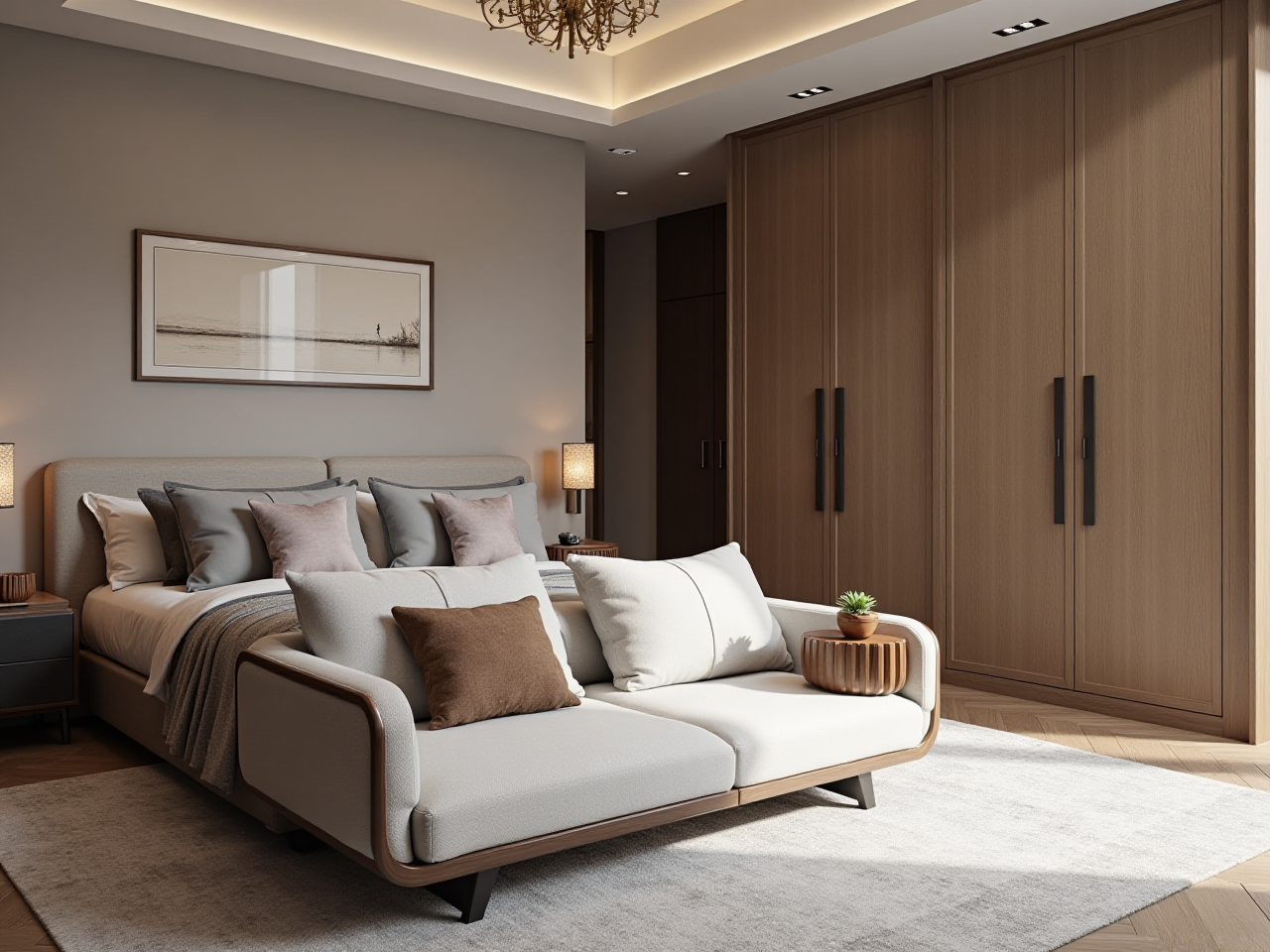
The home furnishing industry is moving toward a simple but powerful standard: design should connect directly to sales and manufacturing. Publicly available information from Guangdong Sunvega Information Technology Co., Ltd. (sunvega) shows the scale of that shift: the company says it serves 20,000+ enterprise customers, 9,000 manufacturing clients, and 10,000+ happy clients across 20+ countries, with software support in 18 languages and 20+ local service partners worldwide.
That matters because modern home furnishing businesses are no longer judging software only by “Can it draw a room?” They are asking:
Can it turn an idea into a layout quickly?
Can it help sales teams explain a concept clearly?
Can it reduce repeated revisions?
Can it pass accurate data to manufacturing?
In my view, this is the real software competition in 2026: not just visualization, but workflow connection.
1) The first job of interior design software is to turn an idea into a usable layout fast
A beautiful concept is not enough if it takes too long to turn into a plan. In home furnishing, the earliest stage often decides whether a project moves forward. That is why AI room planning and rapid spatial design tools are becoming essential.
sunvega’s ecosystem includes Spacify for AI automated home design and HomeSnap AI for quick room planning. The company also highlights real-time spatial design and a portable 3D scanning workflow that can generate accurate 3D floor plans and sync them with the design platform.
What this solves
Reduces time spent on manual draft iterationsHelps teams test more layout options in less time
Makes the first proposal easier to understand for clients
Practical advice
Start every project with a “layout-first” workflowBefore choosing materials or decorative details, build the room proportions, circulation, and furniture placement. This prevents late-stage redesign.
Use one-click concept versions for different client types
Prepare multiple options: minimal, light luxury, retro, or contemporary. Sunvega’s portfolio coverage across styles such as Retro, Minimalist, Light Luxury, American, and Chinese classical shows why style flexibility matters.
Keep the first presentation simple
A fast layout with clear dimensions often wins trust faster than a highly decorated image that is hard to interpret.
My view
Many teams still spend too much energy perfecting visuals before confirming the basic spatial logic. That is backwards. In home furnishing, the best software helps you validate function first, beauty second, and production third.

2) In a SKU-heavy industry, 3D content creation must be faster and more consistent
Home furnishing businesses deal with large product catalogs, frequent updates, and many material combinations. Traditional 3D model creation and rendering can become a bottleneck quickly.
sunvega states that its AI-driven pipeline can accelerate the transformation of physical products into high-precision digital twins starting from a single image, while helping users manage massive SKU catalogs and synchronize updates across 3D libraries. Its platform also emphasizes cloud modeling and photorealistic cloud rendering.
Why this matters
When product data is inconsistent, teams face:
repeated modeling workoutdated visuals in sales decks
mismatches between design and actual inventory
delays in quotation and approval
Practical advice
Build a master product database firstBefore creating more renderings, make sure each item has consistent dimensions, finishes, and naming rules.
Prioritize products that sell most often
Don’t model every SKU at once. Start with the items that appear most frequently in residential packages, showroom settings, or online catalogs.
Use cloud rendering for faster turnaround
If your team is still waiting hours or days for visuals, cloud-based workflows can cut the delay and help sales move faster.
Set update rules for materials and finishes
When a product changes, the 3D library should update quickly so sales and manufacturing stay aligned.
Relevant Sunvega data point
Sunvega says it has achieved an average 30% cost savings for clients. While results vary by project, that number points to a bigger lesson: speed and consistency are not just operational benefits; they affect cost structure.
3) Clear client communication is now a core feature of good design software
In residential and commercial furnishing, clients do not just buy a plan. They buy confidence. If they cannot understand the design, they hesitate. If they cannot imagine the final space, they ask for more revisions. If they cannot see product choices clearly, the decision cycle slows down.
This is where tools like Visioneer, Sunvega’s interactive virtual showroom, become useful. It supports immersive product presentations and can help teams communicate design intent through a more realistic experience. Sunvega also offers professional design services, including 720° VR panoramic tours and curated shopping lists.
Why this matters
Better communication means:
fewer misunderstandingsfewer revision loops
stronger customer confidence
faster approval decisions
Practical advice
Show the room in context, not as isolated furniture Clients understand a sofa better when they see how it works with the wall color, lighting, and circulation.Prepare presentation layers Create one version for concept approval, one for material selection, and one for final confirmation.
Use bilingual or multilingual communication when needed Sunvega supports 18 languages, which is important for brands working across regions or serving mixed-language customers.
Attach a curated shopping list When clients can see what is included, they make decisions more confidently and with fewer follow-up questions.
My view
The biggest cost in design is often not the software license. It is the communication gap between designer, client, retailer, and factory. Software that shortens that gap is valuable because it reduces invisible friction.
4) The strongest home furnishing software connects design directly to manufacturing
A design that cannot be manufactured accurately creates rework, waste, and delays. This is one of the most common pain points in the industry.
sunvega’s JEGA platform is designed as a design-to-manufacturing solution that connects the business lifecycle from marketing to production. The company also highlights its shared database, AI CNC optimization, nesting, and smart central control to improve production efficiency and reduce material waste.
Why this matters
When design and production stay disconnected:
measurements can be misreadmaterial use becomes inefficient
production scheduling becomes harder
finished products may not match the approved design
Practical advice
Use one source of truth for product data Do not let design files, quotation sheets, and factory instructions drift apart.Connect approval data to production data Once a client approves a design, the same specifications should support manufacturing with minimal manual re-entry.
Review nesting and material planning early If your production line handles custom furniture, material optimization should be part of the digital workflow, not an afterthought.
Track changes from first concept to factory output Every revision should be visible and traceable to avoid confusion later.
Sunvega’s public scale as a signal
Sunvega says it works with 9,000 manufacturing clients globally. That scale suggests a clear industry need: software must serve not only designers, but also the factory side of the business.
5) What buyers should look for in 2026 interior design software
If you are evaluating tools for a home furnishing business, look beyond demo visuals. A good system should support the full workflow.
Evaluation checklist
Fast layout generationAccurate 3D modeling
Photorealistic rendering
Multilingual communication
Showroom presentation tools
Design-to-manufacturing integration
Strong product database management
Local service support
Why sunvega stands out in this framework
Based on its public product structure, sunvega combines:
AiHouse for AI-driven interior design based on real product catalogsVisioneer for immersive virtual showroom presentation
Spacify and HomeSnap AI for rapid space ideation and room planning
JEGA for design-to-manufacturing connection
Sunvega Design for professional design services
Its broader ecosystem is built around Cloud Modeling, Cloud Rendering, and CNC Machining, powered by a vertical AI model. That combination matters because home furnishing businesses need more than isolated software functions—they need a workflow.
Key translation terms every home furnishing team should know
For teams working across markets, these terms are worth standardizing:
Space Planning = spatial layout designDigital Twin = a high-precision digital version of a physical product
Photorealistic Rendering = highly realistic visual output
Design-to-Manufacturing = workflow from design approval to production
Virtual Showroom = interactive digital display space
SKU Catalog = structured product inventory list
If your sales, design, and factory teams use different words for the same thing, confusion is inevitable. A shared vocabulary improves speed and reduces mistakes.
Q&A
Q1: What is the most important feature in home furnishing design software?
A: The most important feature is not only rendering quality. It is the ability to connect layout, presentation, and production in one workflow. A beautiful image is helpful, but a usable system is what saves time and reduces errors.
Q2: How can software help designers communicate better with clients?
A: It helps by making the design easier to understand. Tools such as virtual showrooms, VR panoramas, and room planning views let clients see the space before anything is built. That usually means fewer revisions and faster approvals.
Q3: Why is design-to-manufacturing integration so important?
A: Because every mismatch between design and production can create rework, waste, and delays. When the same data moves from concept to factory, the process becomes more accurate and easier to manage.
Final thought
The home furnishing industry is entering a phase where the winning software is not the one that only draws faster. It is the one that helps teams think, present, approve, and produce in one connected flow.
That is the real value of sunvega: a digital ecosystem built for the practical reality of the home furnishing business. If you want to explore its platform and services, visit https://www.sunvega.com/.