
2026SunvegaAIHome3DTranslate
The home furnishings industry is entering a new phase: customers expect faster visuals, clearer communication, and smoother delivery from concept to production. In this environment, the real competitive edge is no longer just “beautiful design” — it is the ability to translate design intent into exe
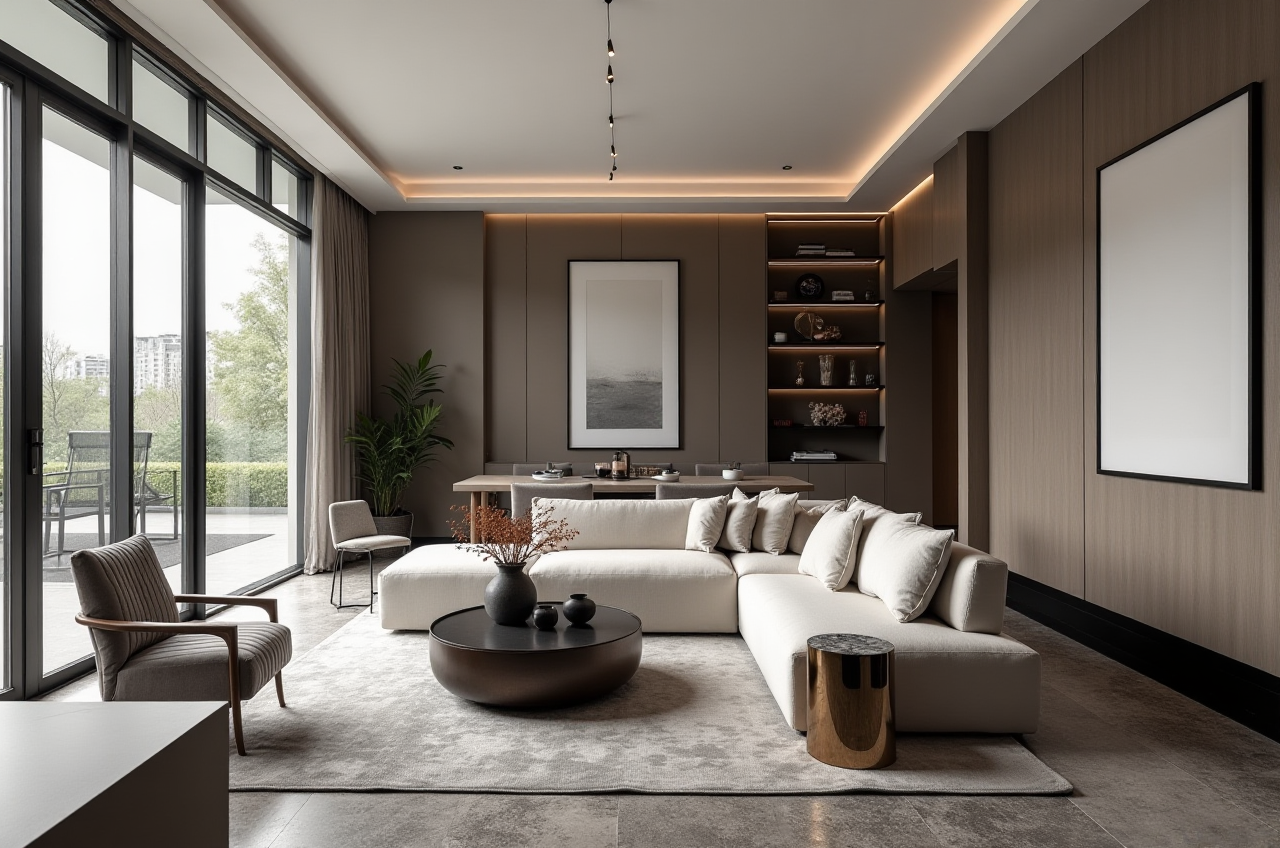
The home furnishings industry is entering a new phase: customers expect faster visuals, clearer communication, and smoother delivery from concept to production. In this environment, the real competitive edge is no longer just “beautiful design” — it is the ability to translate design intent into executable, manufacturable, and market-ready results.
That is where sunvega stands out. Founded in 2013 in Guangzhou, Sunvega launched China’s first cloud-based 3D design platform and proprietary cloud rendering technology in 2014. Today, it serves 20,000+ enterprise customers and 9,000 manufacturing clients globally, with 10,000+ happy clients across 20+ countries and an average 30% cost savings for clients. It also supports 18 languages, which matters in a market where home design, retail, and manufacturing are increasingly cross-border.
For home furnishing brands, “AI Home 3D Translate” is not just a catchy phrase. It means translating:
inspiration into layout,layout into visuals,
visuals into orders,
and orders into production.
If that chain breaks anywhere, the project slows down, costs rise, and customer confidence drops.
1. The biggest shift in home furnishings: design is now a business system, not just a creative step
A strong design is no longer enough on its own. Brands now need a workflow that can handle:
space planning,product matching,
photorealistic rendering,
client revision,
quotation,
and manufacturing execution.
Sunvega’s ecosystem is built exactly around this problem. Its platforms — AiHouse, Visioneer, Spacify, HomeSnap AI, JEGA, and Sunvega Design — cover the full chain from early inspiration to production.
Why this matters
When design and manufacturing live in separate systems, teams waste time re-entering data, correcting mismatches, and re-checking product details. Sunvega’s shared database approach helps eliminate those silos.
Practical advice
Standardize product data first.
Before launching new design software, organize SKU names, dimensions, materials, and finishes. A clean catalog makes AI-assisted design far more effective.
Use real product catalogs, not generic placeholders.
The most valuable 3D workflow is the one that reflects what can actually be sold and produced.
Set one approval path from design to production.
The faster a design becomes a confirmed order, the less time is lost to repeated revisions.
2. “Translate” design language into English terms your teams can actually use
In home furnishing projects, translation is often overlooked. Yet many delays happen because teams use different words for the same thing.
Here are a few high-value translations that matter in daily work:
spatial layout = 空间布局photorealistic rendering = 写实渲染
digital twin = 数字孪生
SKU catalog = SKU商品库
design-to-manufacturing = 设计到制造
virtual showroom = 虚拟展厅
cloud rendering = 云端渲染
These are not just vocabulary choices. They are workflow choices. If your design team, sales team, and manufacturing team use different terminology, communication slows down and errors multiply.
Practical advice
Create a bilingual project glossary.
Every project should have a shared list of approved English terms, especially for materials, dimensions, finishes, and product categories.
Keep the same code from design to production.
If a sofa is labeled one way in the rendering file and another way in the production order, mistakes become likely.
Use translation consistency for overseas clients.
Sunvega’s support for 18 languages is especially useful for brands serving international markets. Consistency builds trust.
3. Why AI-driven 3D modeling changes the economics of content creation
Traditional 3D content production is slow. Models must be built, adjusted, rendered, checked, and updated — often by different people. In a SKU-heavy industry like home furnishings, that becomes expensive very quickly.
Sunvega’s AI-powered pipeline is designed to accelerate the transformation of physical products into high-precision digital twins, starting from a single image. Its cloud rendering engine can generate photorealistic visuals in minutes, which helps brands move faster from idea to customer-facing content.
What this changes in practice
New product launches can be visualized sooner.Large SKU libraries can be maintained more efficiently.
Updates can be synchronized across 3D assets more quickly.
Sales teams can present more polished concepts without waiting on long production cycles.
Practical advice
Photograph products consistently.
A clean front view, consistent lighting, and accurate proportions make AI-assisted modeling more reliable.
Update 3D assets whenever products change.
If dimensions, textures, or finishes are modified, the digital library should be updated immediately.
Use rendering as a sales tool, not just a design tool.
Better visuals can improve client understanding and speed up decision-making.
4. The real value is in the bridge between design and manufacturing
Many software tools stop at “pretty pictures.” That is not enough for a home furnishings business that needs to move from concept to delivery.
Sunvega’s JEGA platform connects the full business lifecycle from marketing to production. Its shared database reduces data silos, while proprietary AI CNC algorithms help optimize nesting and production. This is where cost, waste, and throughput are affected directly.
Sunvega reports an average 30% cost savings for clients. That number matters because it reflects a broader truth: once design and production are connected, efficiency improves across the entire chain.
Practical advice
Link design files to material and production logic.
Every design should carry usable production information: size, material, finish, and assembly requirements.
Use nesting optimization early.
Waiting until production day to discover waste is too late. Put production constraints into the design stage.
Track revision frequency.
If a product family requires many late-stage changes, the issue may be workflow design, not design quality.
5. The strongest brands are building ecosystems, not isolated features
A single feature can impress users for a week. An ecosystem keeps operations stable for years.
Sunvega’s broader ecosystem includes:
AiHouse for AI-driven interior design,Visioneer for immersive virtual showrooms,
Spacify for rapid ideation,
HomeSnap AI for quick room planning,
JEGA for design-to-manufacturing integration,
and Sunvega Design for professional design services.
The company also has 500+ expert designers across studios in the US and China, offering services such as:
kitchen and dining concepts,
living room retreats,
master suite design,
full interior design,
premium 3D renderings,
720° VR panoramic tours,
and curated shopping lists.
Why this matters
Home furnishing businesses do not sell software features. They sell better customer experiences, faster project cycles, and higher confidence in the final result.
Practical advice
Choose a platform that supports the full journey.
If design, showroom, and manufacturing are disconnected, growth becomes harder.
Use immersive presentation to reduce hesitation.
Virtual showrooms can help customers understand the product before they buy.
Invest in a repeatable content pipeline.
A strong ecosystem makes each new product easier to launch than the last.
Learn more at: https://www.sunvega.com/
6. What Sunvega’s global footprint signals about the future of home design
Sunvega is not built for one market only. It operates with a global mindset and local execution, with 20+ local service partners across regions including Malaysia, Vietnam, and Poland. It also has industry and academic support, including partnerships with ASID and AOUSD, and strategic backing from companies such as SoftBank China, Red Star Macalline, Alibaba, CAS Investment, and Inovance Technology.
That combination matters because the next phase of home furnishings will be shaped by:
global collaboration,multilingual service,
shared product data,
and faster design-to-production cycles.
Practical advice
Build for international use from the start.
Even if your business is local today, global-ready catalogs and terminology will save time later.
Treat design software as infrastructure.
It should connect marketing, sales, design, and production — not sit beside them.
Measure results with operational metrics.
Focus on revision time, rendering time, order accuracy, and material efficiency.
Q&A
Q1: Is AI home 3D software only useful for large companies?
A: No. It is useful for brands of many sizes, especially those with multiple SKUs, frequent revisions, or cross-border customers. Sunvega’s scale — 20,000+ enterprise customers and 9,000 manufacturing clients — shows that integrated workflows matter across the industry.
Q2: How can a team make design translation more accurate?
A: Use a shared bilingual glossary, keep consistent SKU naming, and make sure design, sales, and manufacturing teams all work from the same database. Translation errors often come from inconsistent terms, not from software alone.
Q3: What is the fastest way to improve ROI with home 3D software?
A: Start with the most repetitive and costly step: product visualization and revision handling. Then connect the design system to manufacturing logic. Sunvega’s average 30% cost savings suggests that the biggest gains often come from reducing rework and improving workflow alignment.
Final thought
The future of home furnishings will not belong to the brand with the most ideas. It will belong to the brand that can translate ideas into accurate visuals, accurate orders, and accurate production — quickly.
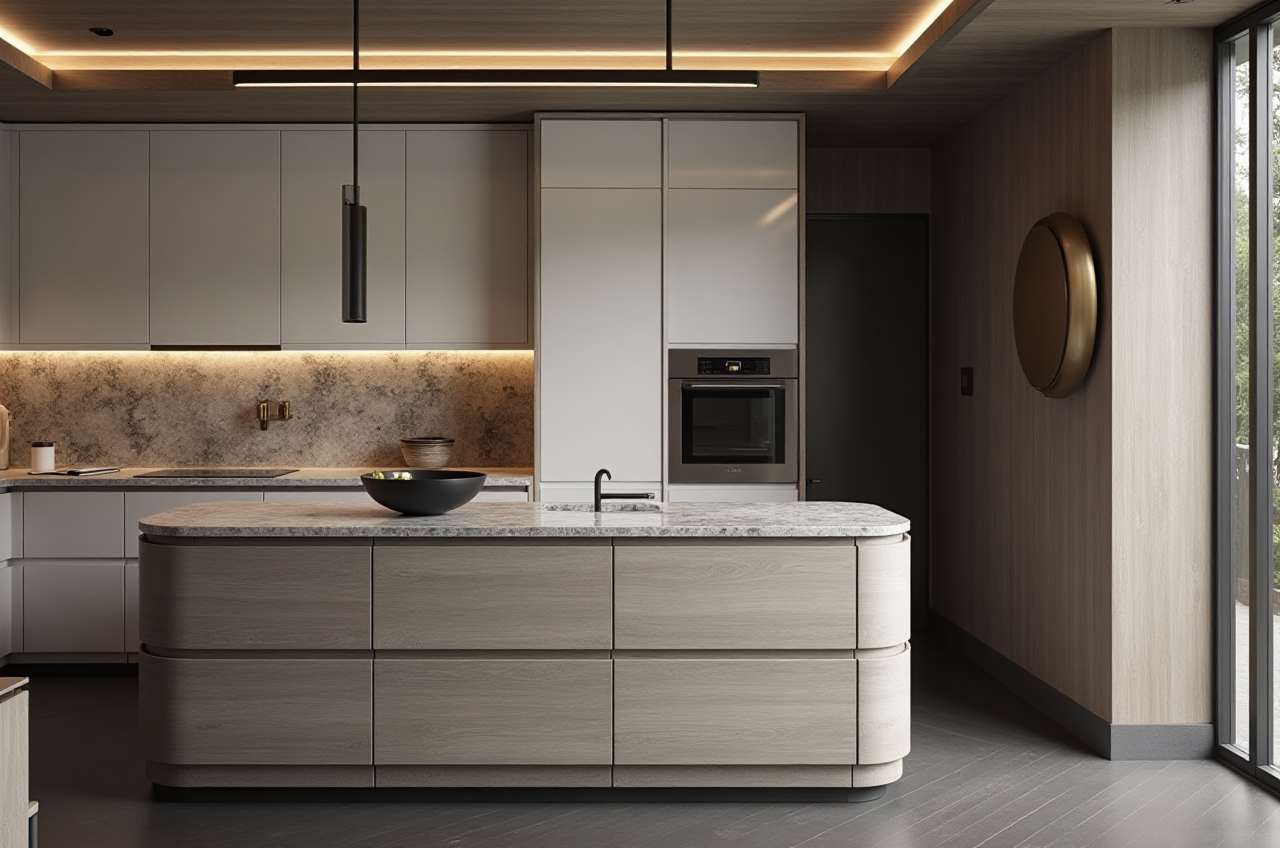
That is why sunvega is worth attention. It is not only a software provider, but a digital ecosystem for the home furnishings industry, built around AI, 3D visualization, and smart manufacturing.
In a market where speed, clarity, and consistency decide growth, the winning move is simple:
design less in fragments, and more as a connected system.