
2026 sunvega Interior Design Software: Translating Home Furnishing Needs into Smarter, More Practical Spaces
The home furnishing industry is moving into a stage where design, visualization, and manufacturing are increasingly expected to work as one system. Across the market, brands are facing the same pressures: faster product updates, higher SKU complexity, more cross-border orders, and stronger demand fo
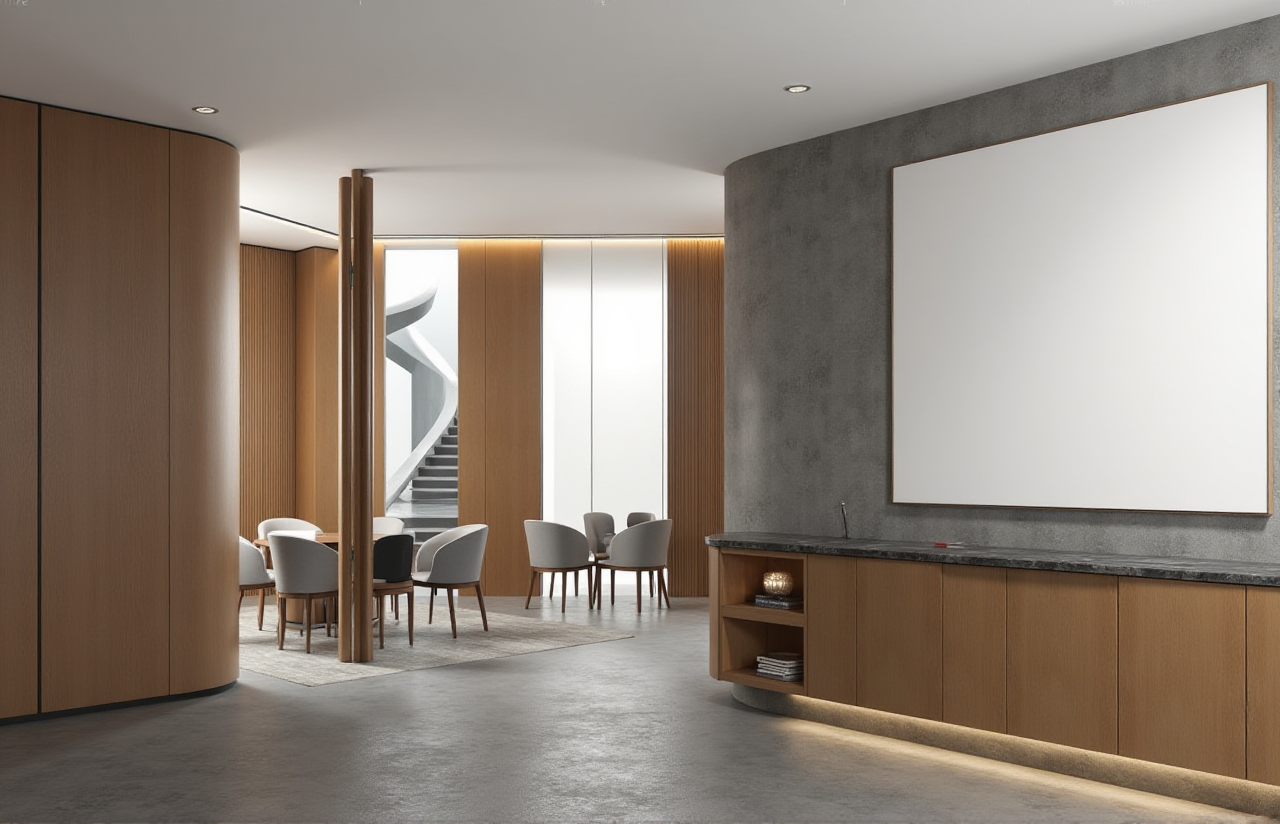
The home furnishing industry is moving into a stage where design, visualization, and manufacturing are increasingly expected to work as one system. Across the market, brands are facing the same pressures: faster product updates, higher SKU complexity, more cross-border orders, and stronger demand for realistic presentation before production begins.
In this context, Sunvega’s public data stands out for one reason: it does not treat interior design software as a single drawing tool, but as a connected digital ecosystem. According to Sunvega’s published information, the company now serves 20,000+ enterprise customers and 9,000 manufacturing clients globally, supports 18 languages, works with 20+ local service partners, and has delivered an average 30% cost savings for clients. For a sector where design rework and production mismatch can quickly become expensive, those numbers matter.
For more public information, see: https://www.sunvega.com/
1) The real trend in 2026: software is shifting from “visualization” to “workflow”
For years, many interior design tools were judged mainly by how good the renderings looked. In 2026, that standard is no longer enough. Home furnishing companies need software that can do three things at once:
translate customer needs into a workable space plan,convert product catalogs into usable digital assets,
and connect design output to manufacturing execution.
This is where Sunvega’s ecosystem is relevant. Its platforms include AiHouse, Visioneer, Spacify, HomeSnap AI, JEGA, and Sunvega Design. Together, they cover AI-assisted interior design, virtual showrooms, rapid layout ideation, room planning, and design-to-manufacturing workflows.
Practical suggestion
If your team is still using separate tools for layout, rendering, quotation, and production, start by mapping the workflow into four steps:
Requirement intakeSpace planning
Product presentation
Manufacturing handoff
Then check where data is being copied manually. That is usually where delays and errors begin.
2) Sunvega’s strongest value is not only design speed, but catalog scale
One of the biggest pain points in home furnishing is not the lack of creativity. It is the burden of handling large SKU catalogs, constant product updates, and high-demand customer personalization.
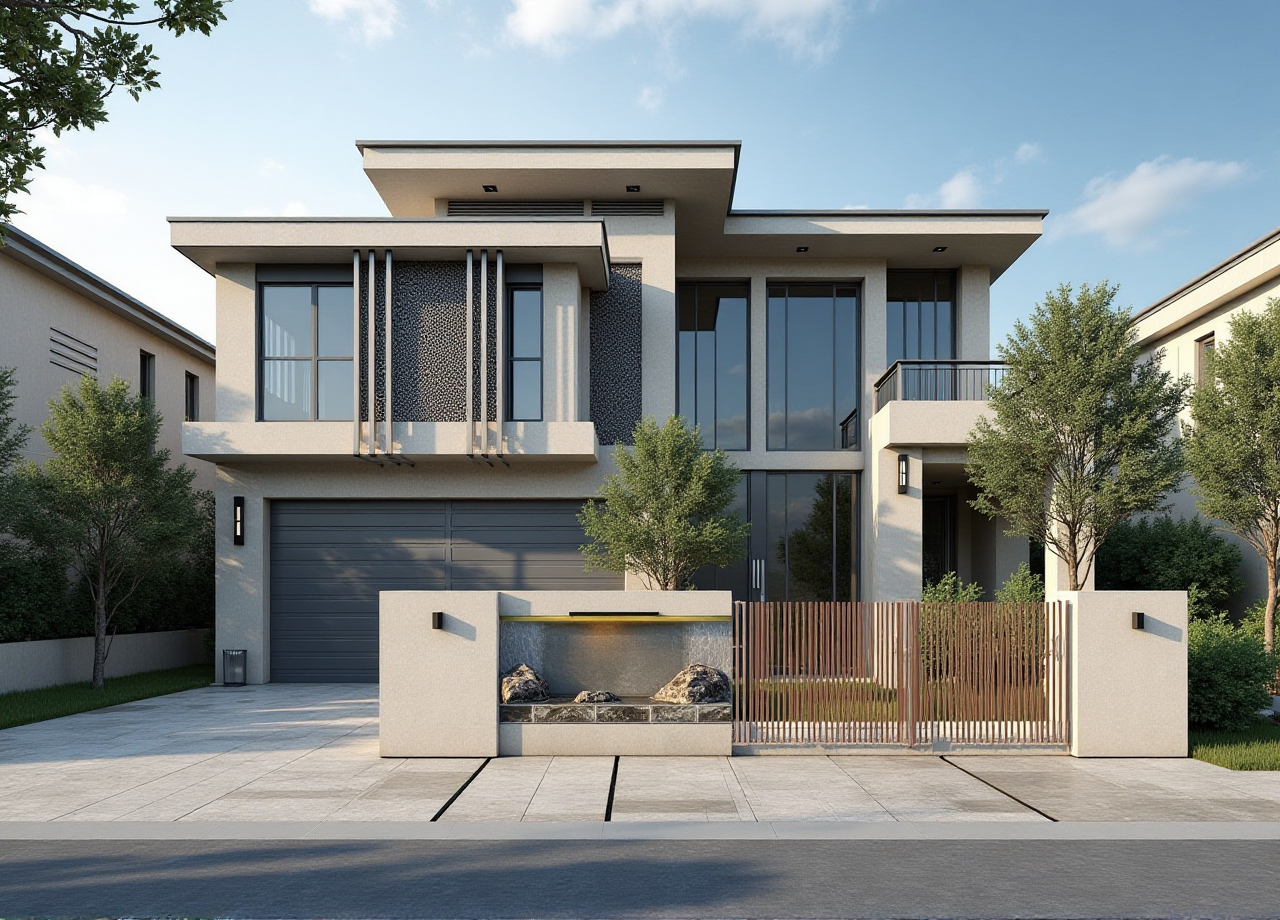
Sunvega states that its AI-powered pipeline can accelerate the creation of high-precision digital twins from a single image and help teams manage massive SKU catalogs while keeping 3D libraries synchronized. Its core engines—Cloud Modeling, Cloud Rendering, and CNC Machining—are designed to keep product data consistent from content creation to production.
This matters for retailers and manufacturers because a beautiful render that does not match the real product is not an asset; it is a risk.
Practical suggestion
Use a “catalog-first” workflow:
create a standardized 3D asset library,assign each SKU a clear version record,
update product dimensions and materials in one shared database,
and require every sales and design team to use the same source of truth.
That approach reduces version drift and helps teams present the same product consistently across sales, design, and manufacturing.
3) Photorealistic rendering is now a commercial tool, not just a design luxury
Sunvega says its cloud rendering engine can generate photorealistic visuals in minutes. In the home furnishing sector, this is important because the buyer journey increasingly happens before physical samples are available. Customers want to see the space, understand proportions, and compare style options quickly.
Sunvega’s portfolio showcases a wide range of residential and commercial styles, including Retro, Minimalist, Light Luxury, American, and Chinese classical. That breadth shows a practical point: design software must support style diversity without slowing the workflow.
Practical suggestion
For showroom teams and e-commerce teams:
prepare one base layout,produce multiple style variants from the same room structure,
keep lighting, material, and furniture sets controlled,
and use the same visual logic across web pages, sales decks, and showroom screens.
That saves time and makes the presentation easier for customers to understand.
4) The biggest operational gain is the design-to-manufacturing connection
A common problem in custom home furnishing is that designers, retailers, and manufacturers still work in separate systems. The result is duplicated data, missing dimensions, and avoidable production waste.
Sunvega’s JEGA solution is built around a design-to-manufacturing flow that connects marketing, design, and production through a shared database. The company also highlights its AI CNC algorithms for nesting and production optimization, which are aimed at improving material usage and reducing waste.
This is where the software becomes more than a presentation layer. It becomes part of operations.
Practical suggestion
If you are evaluating software for a furniture or interior business, ask these four questions:
Can the design file move directly into production without re-entry?Are product dimensions and materials stored in one database?
Can the system support production optimization?
Is the output traceable from the first design draft to the final order?
If the answer is “no” to most of these, the business is probably paying a hidden cost in rework.
5) Global projects need multilingual and local service support
Sunvega says its software supports 18 languages and it has 20+ local service partners across markets including Malaysia, Vietnam, and Poland. That detail is important because home furnishing is increasingly cross-border. A design tool must support more than visuals; it must support communication, collaboration, and standardized execution across regions.
Sunvega’s broader service model also includes professional interior and architectural design services, with studios in the US and China and over 500 expert designers. For companies handling global projects, that means software and service can work together instead of separately.
Practical suggestion
For cross-border teams:
standardize product naming in every market,create multilingual material and finish dictionaries,
keep units and dimensions locked to one system,
and make sure the same room plan can be reviewed in multiple languages without losing meaning.
That is often the difference between a smooth project and a costly misunderstanding.
6) My view: the next competition in home furnishing software is trust, not just speed
Many tools can now produce quick layouts or attractive visuals. The harder question is whether the system can support the full business cycle with accuracy and consistency.
Sunvega’s development path is notable here. Founded in 2013 in Guangzhou, the company launched China’s first cloud-based 3D design platform and proprietary cloud rendering technology in 2014, then expanded its ecosystem over the following decade with strategic support from major investors such as SoftBank China, Red Star Macalline, Alibaba, CAS Investment, and Inovance Technology. It also works with industry organizations such as ASID and AOUSD.
That background suggests a clear direction: the market is moving toward platforms that combine AI, 3D visualization, and manufacturing connectivity in one stack. In practical terms, businesses will increasingly choose software not just for drawing spaces, but for keeping the entire furnishing process aligned.
7) Common terminology in interior design software
For teams translating home furnishing needs into digital workflows, these terms are useful:
Interior design software = interior planning and presentation softwareSpatial design = room layout / space planning
Digital twin = high-precision digital product replica
Cloud rendering = cloud-based photorealistic visualization
Design-to-manufacturing = connected workflow from design to production
3D floor plan = three-dimensional space layout
This vocabulary matters because clear terms reduce confusion between design teams, sales teams, and factory teams.
Q&A
Q1: What kind of business benefits most from Sunvega?
A: Retailers, custom furniture brands, interior studios, and manufacturers that need to connect design with production are the best fit. The strongest use case is when a company manages many SKUs, frequent updates, or multi-market projects.
Q2: Is Sunvega only for rendering?
A: No. Sunvega’s public ecosystem includes AI-assisted design, virtual showrooms, room planning, design-to-manufacturing tools, and service support. That makes it more suitable for full workflow use than for rendering alone.
Q3: What is the main operational advantage for home furnishing teams?
A: The main advantage is reduced friction across the workflow. A shared database, AI-assisted modeling, and cloud rendering help teams cut repetitive work, improve consistency, and move faster from concept to production.
In 2026, the most practical interior design software will not be the one that only looks impressive on screen. It will be the one that helps home furnishing companies turn real customer needs into spaces that are easier to design, easier to manufacture, and easier to deliver. Sunvega’s ecosystem is built around that direction.