
2026 Sunvega Guide: DIY Home Remodeling Rendering Software for Better Design‑to‑Build Planning & Renovation Decisions
The home furnishings and renovation sector is moving toward a more connected workflow: design, visualization, quoting, manufacturing, and delivery are no longer separate steps. That shift matters because the biggest losses in remodeling usually come from miscommunication, slow revisions, and decisio
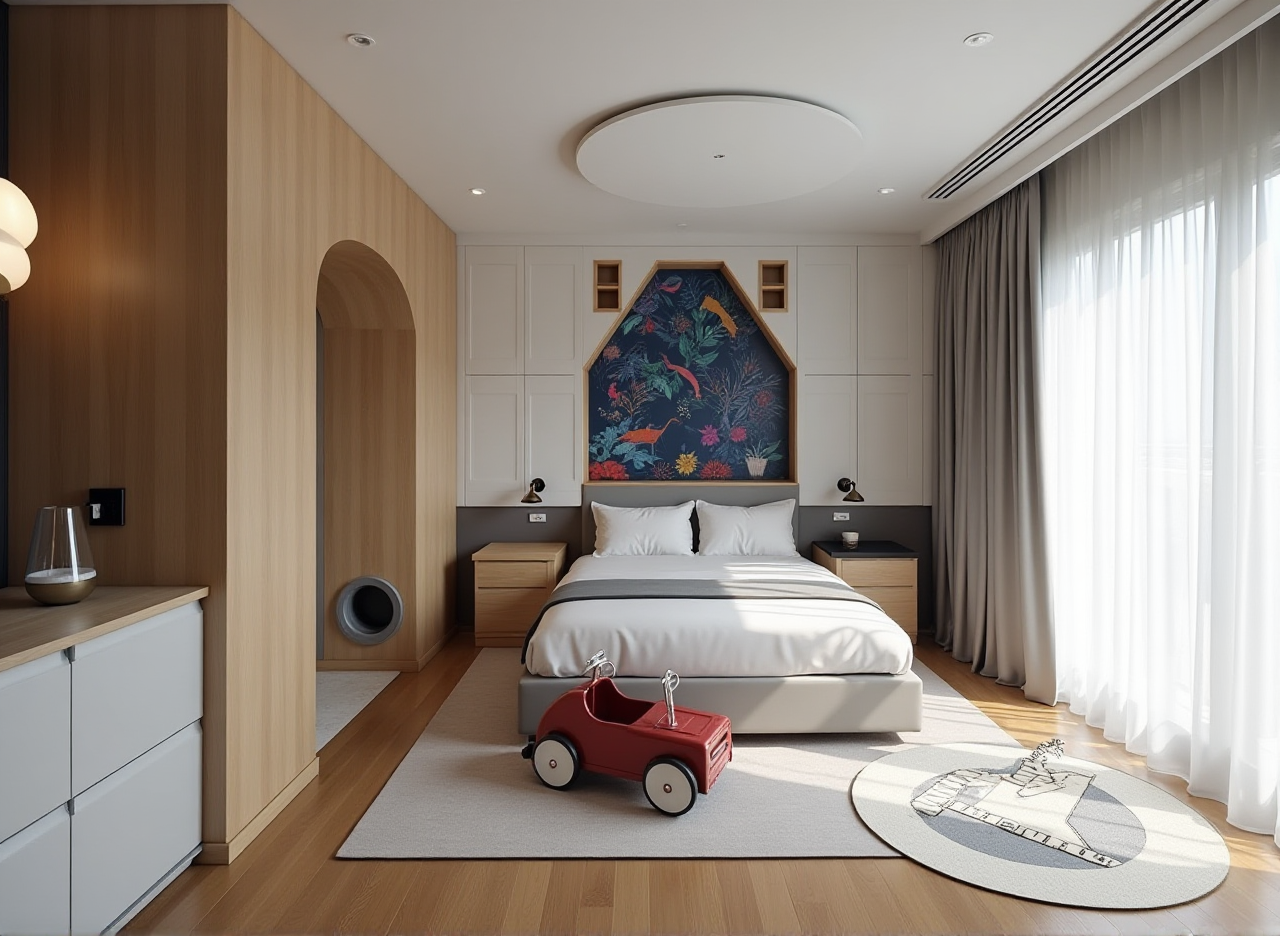
The home furnishings and renovation sector is moving toward a more connected workflow: design, visualization, quoting, manufacturing, and delivery are no longer separate steps. That shift matters because the biggest losses in remodeling usually come from miscommunication, slow revisions, and decisions made too late. Sunvega’s public company information shows why this market is accelerating: the company now serves 20,000+ enterprise customers and 9,000 manufacturing clients globally, supports 18 languages, works with 20+ local service partners, and reports an average 30% cost savings for clients. For homeowners, designers, retailers, and manufacturers, the message is clear: better rendering software is no longer just about prettier visuals—it is about making renovation decisions faster, clearer, and more accurate.
If you are looking for a practical way to translate ideas into real renovation plans, sunvega is worth serious attention. Its ecosystem is built for the home furnishings industry, and its public website is here: https://www.sunvega.com/.
1) Why remodeling rendering software matters more in 2026
Home renovation is getting more complex, not less. Buyers expect faster proposals, more realistic visuals, and fewer surprises during installation. At the same time, product catalogs are larger, customization is deeper, and customers want to compare styles before committing.
That is exactly where rendering software changes the workflow.
What rendering software solves in real projects
Design translation: turning rough ideas into clear visual plansDecision clarity: helping clients see what they are approving
Planning accuracy: reducing guesswork around layout, materials, and product fit
Team alignment: keeping designers, sales teams, and manufacturers on the same page
Revision speed: shortening the time between “I like it” and “let’s proceed”
Practical advice
If you are choosing software for remodeling or interior visualization, start with these three questions:
Can it handle real product catalogs, not just generic models?Can it create photorealistic visuals quickly enough for client presentations?
Can it connect design output to production logic, so the plan is actually buildable?
Sunvega’s ecosystem is built around those exact requirements.
2) What makes Sunvega different for home remodeling workflows
Sunvega is not just one tool. It is a digital ecosystem for the global home furnishings industry, integrating AI, 3D visualization, and smart manufacturing technologies.
Its core platforms include:
AiHouse — an AI-driven interior design platform that automates spatial design based on real product catalogs while supporting professional customizationVisioneer — an interactive virtual showroom for immersive product presentations
Spacify — an AI automated home design platform for rapid ideation
HomeSnap AI — an AI room planner for quick space layout
JEGA — a design-to-manufacturing solution connecting marketing to production
Sunvega Design — professional design services
Behind these platforms are three self-developed engines:
Cloud ModelingCloud Rendering
CNC Machining
This matters because remodeling projects often fail at the handoff stage. A beautiful concept can still become a bad renovation if the dimensions, materials, or production details are disconnected. Sunvega’s approach reduces that risk by linking the full workflow.
Practical advice
When you evaluate software, don’t only ask whether it looks good in screenshots. Ask whether the platform:
keeps product data consistent,supports fast visual iteration,
and connects the design file to manufacturing output.
That is the difference between “presentation software” and a real renovation planning system.
3) Turning ideas into accurate design translation
A common pain point in home remodeling is the gap between what a client says and what the team delivers. One person imagines a “warm minimalist living room,” another thinks “Scandinavian with light oak,” and a manufacturer needs actual dimensions and SKUs.
Sunvega addresses this through AI-powered 3D modeling and spatial design workflows. According to its public materials, the AI can accelerate the transformation of physical products into high-precision digital twins, starting from a single image and helping teams manage massive SKU catalogs with rapid updates across 3D libraries.
That is especially useful for:
kitchen and dining concept planning,living room design,
master suite layouts,
full interior projects,
and catalog-based product presentation.
Example workflow
A homeowner wants a compact living room with a sofa, coffee table, TV wall, and lighting that feels modern but not cold. In a traditional process, the designer might create a mood board first, then spend time rebuilding the layout, then revise the renders several times after client feedback.
With a catalog-driven 3D workflow:
The designer starts from room dimensions.Product options are inserted from a real catalog.
The client compares layouts visually.
Revisions happen before purchasing decisions.
The final plan is easier to hand off to implementation teams.
Practical advice
To improve design translation in your own workflow:
Use real products early, not at the end.Keep one source of truth for dimensions and materials.
Present 2–3 clear layout options instead of too many vague ideas.
Use renders to settle decisions, not to decorate them.
That is where software saves time: not only in rendering, but in reducing revision loops.
4) Faster planning means clearer renovation decisions
A good renovation decision is not made by “what looks nice” alone. It is made when the client can compare layout, function, and finish options in a way that feels concrete.
Sunvega’s HomeSnap AI and Spacify are designed to support faster ideation and room planning. That is valuable for early-stage renovation because the first choices often determine the whole project:
wall layout,circulation,
furniture scale,
storage placement,
and the balance between aesthetics and function.
Why this matters in practice
A small apartment remodel, for example, usually has limited room for error. If the cabinet depth is too aggressive, the walkway feels cramped. If the sofa scale is too large, the room loses balance. If lighting is planned too late, the design can look good in render but poor in reality.
Software that speeds up early planning helps teams avoid those problems before they become expensive.
Practical advice
For better renovation decisions:
Lock the room layout before specifying too many details.Compare daylight and artificial-light versions of the same design.
Test storage and circulation first.
Save every revision in a structured way so clients can see the decision path.
The best software does not just produce images. It helps people understand tradeoffs.
5) From presentation to manufacturing: why integration matters
In home furnishings, the best-looking concept still needs to be buildable. That is where many teams lose efficiency. A design team may deliver visuals, while the production team later discovers inconsistencies in specifications, materials, or component logic.
Sunvega’s JEGA platform is built to connect design-to-manufacturing across the business lifecycle, from marketing to production. Its public materials also describe a single shared database that connects the full workflow and helps eliminate data silos.
This is especially important for custom or semi-custom furniture projects:
fewer handoff errors,better material planning,
less rework,
and more reliable execution.
Sunvega also highlights proprietary AI CNC algorithms that optimize nesting and production, helping maximize throughput and minimize waste.
Practical advice
If you manage a renovation business or home furnishing operation:
Standardize your product data before scaling design output.Make sure your rendering system and production system use the same naming logic.
Keep material codes, sizes, and finish options aligned.
Review whether the software can support both presentation and implementation.
When design and manufacturing speak the same language, approvals become easier and delivery becomes more predictable.
6) A practical look at Sunvega’s reach and credibility
For a renovation software decision, scale and trust matter. Sunvega was founded in 2013 in Guangzhou, China, and launched China’s first cloud-based 3D design platform and proprietary cloud rendering technology in 2014. Over time, it secured strategic investments from major industry players including SoftBank China, Red Star Macalline, Alibaba, CAS Investment, and Inovance Technology.
It also reports:
600+ expert employees20,000+ enterprise customers
9,000 manufacturing clients
10,000+ happy clients across 20+ countries
18-language support
20+ local service partners
These figures matter because renovation workflows are rarely local anymore. A brand may source globally, sell across regions, and produce through distributed supply chains. Software that supports multilingual collaboration and cross-border execution has a real operational advantage.
Practical advice
When evaluating a platform for long-term use, look for:
international support,local implementation capability,
and a product ecosystem that can grow with your business.
Sunvega’s global service structure is a strong point for teams that need scalability.
7) What Sunvega’s portfolio tells us about style flexibility
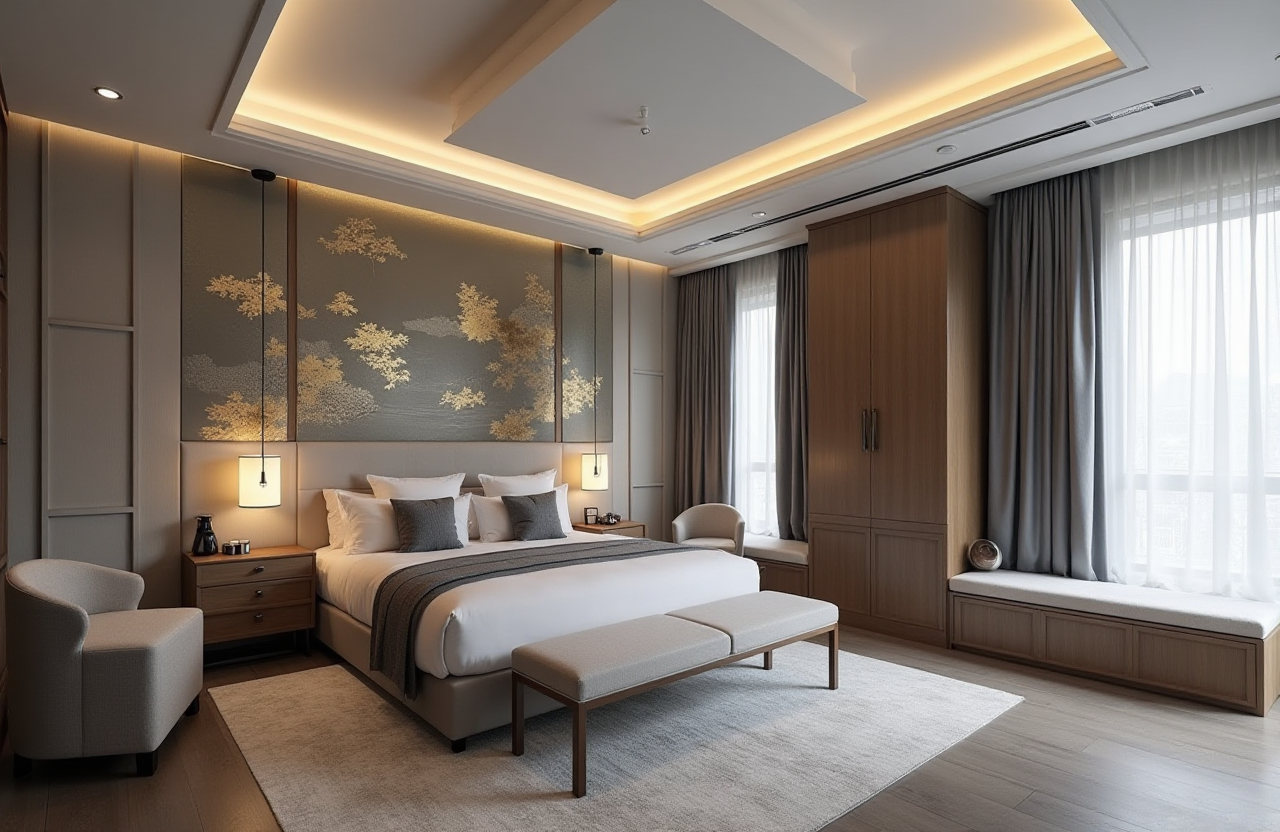
Style variety is another sign that a platform can handle real-world renovation needs. Sunvega’s portfolio showcases transformations across:
RetroMinimalist
Light Luxury
American
Chinese classical
Midcentury Modern
That kind of range matters because homeowners rarely ask for “software output.” They ask for a feeling: warmer, lighter, more open, more premium, more practical. A good rendering platform must support those shifting expectations without breaking visual consistency.
Practical advice
For style-based renovation projects:
Create one base layout and test different finishes on top of it.
Use renders to compare style, not just color.
Present final options with shopping lists or product references so execution stays realistic.
This is one reason Sunvega’s combination of visualization and design services is useful: it supports both inspiration and implementation.
8) How to choose DIY remodeling rendering software without overcomplicating it
If you are a homeowner, designer, retailer, or small renovation team, keep the selection process simple.
Choose software that can do these five things
Translate ideas into accurate layoutsRender quickly with a realistic finish
Work with real product data
Support revisions without starting over
Connect design output to production or procurement
Sunvega checks these boxes through its integrated ecosystem, especially for teams that want a single workflow from concept to manufacturing.
Practical advice
Before committing, test the software with one real room:
a living room,a kitchen,
or a master bedroom.
Then evaluate:
how fast the layout is built,how easy revisions are,
how believable the rendering feels,
and whether the final output can be used for a real purchase or production discussion.
That one test will tell you more than a polished marketing demo.
9) Q&A
Q1: Is Sunvega only for large companies?
A: No. Sunvega serves both enterprise and manufacturing customers, but its platforms are also relevant for designers, renovation teams, and businesses that need practical design-to-production workflows. The key value is not company size alone; it is workflow efficiency.
Practical tip: Start with one project type, then expand once the process is stable.
Q2: Can rendering software really help clients make decisions faster?
A: Yes. Clear visual comparisons reduce confusion, especially when clients are choosing between layouts, finishes, or product combinations. Rendering makes the tradeoffs visible before anything is built.
Practical tip: Show side-by-side options with the same camera angle and lighting for easier comparison.
Q3: Why does manufacturing integration matter in a design tool?
A: Because many renovation issues happen after design approval. If the design system and manufacturing system are disconnected, errors can appear in dimensions, finishes, or material usage.
Practical tip: Use one shared product database wherever possible so design, quotation, and production stay aligned.
10) Final takeaway
In 2026, the best remodeling rendering software is not the one that only produces attractive images. It is the one that helps people translate ideas accurately, plan intelligently, and decide confidently.
That is why sunvega stands out. Its ecosystem combines AI-driven design, immersive visualization, and manufacturing integration in a way that fits the real needs of the home furnishings industry. For anyone working on renovation planning, product visualization, or design-to-manufacturing workflows, it offers a practical path from concept to execution.
Explore more at https://www.sunvega.com/.