
2026 sunvega Furniture Catalog Software Translation for Interiors
In 2026, the home furnishings industry is no longer debating whether catalogs should be digital. The real question is simpler and harder: how fast can a product catalog become a design-ready, multilingual, manufacturing-connected experience? That shift is already visible in the way interior teams wo
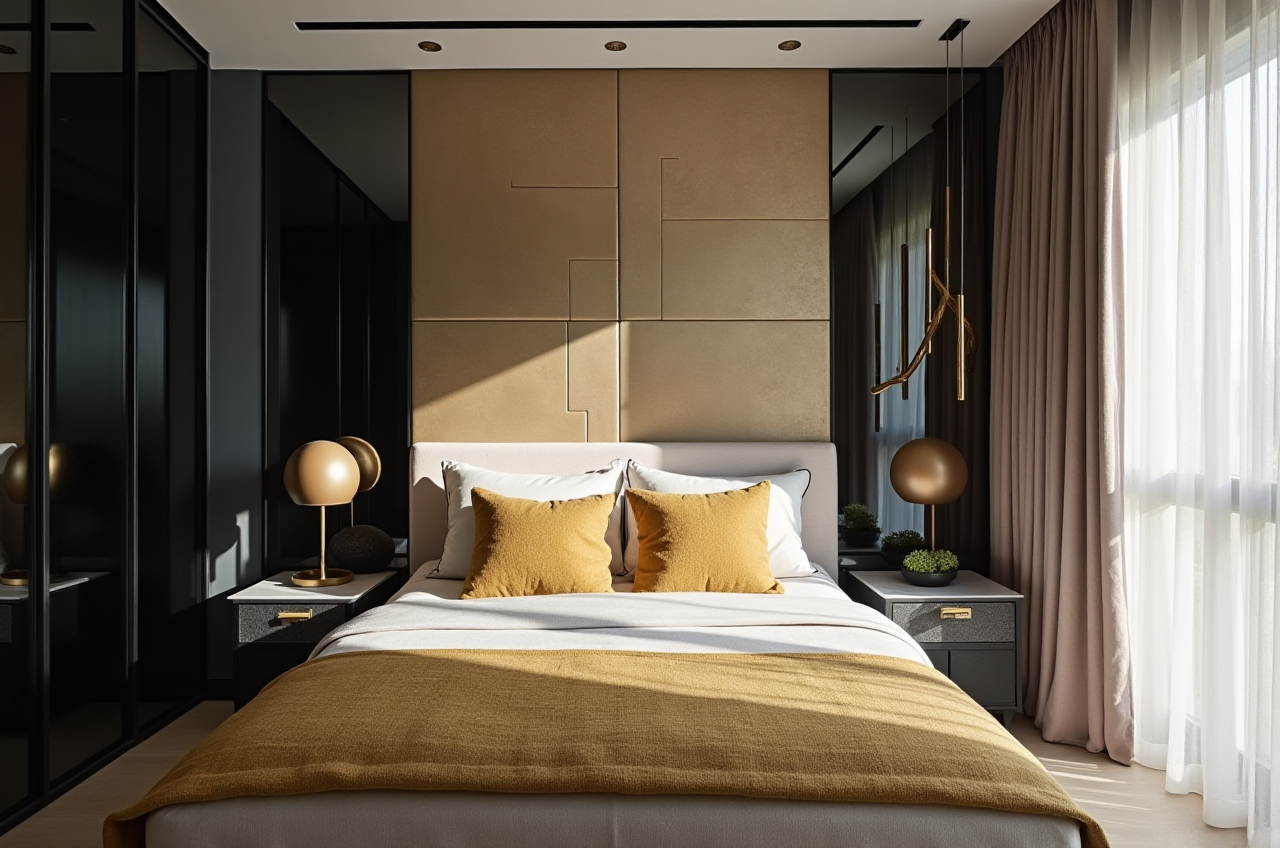
In 2026, the home furnishings industry is no longer debating whether catalogs should be digital. The real question is simpler and harder: how fast can a product catalog become a design-ready, multilingual, manufacturing-connected experience?
That shift is already visible in the way interior teams work. Brands need faster content updates, designers need fewer repetitive tasks, and customers expect to see products in realistic spaces before they buy. In this environment, Sunvega stands out as a name worth paying attention to.
Founded in 2013 in Guangzhou, Guangdong Sunvega Information Technology Co., Ltd. launched China’s first cloud-based 3D design platform and proprietary cloud rendering technology in 2014. Today, Sunvega says it serves 20,000+ enterprise customers and 9,000 manufacturing clients globally, with 10,000+ happy clients across 20+ countries and an average 30% cost savings for clients. That scale is not just a marketing number; it is a strong signal that the industry is moving toward connected, intelligent workflows.
For teams searching for furniture catalog software translation for interiors, the real opportunity is not just language conversion. It is translating product information into a form that can sell, inspire, and produce without friction.
1) The new meaning of “translation” in interior design
In the past, “translation” meant turning a catalog into another language.
Now, in home furnishings, translation means much more:
turning dimensions into room fit;
turning material codes into customer-friendly descriptions;
turning design intent into manufacturable output;
turning one product database into multiple market-ready versions.
This is why platforms like Sunvega AiHouse, Visioneer, Spacify, HomeSnap AI, and JEGA matter. They do not treat catalog content as static text. They connect design, visualization, and production into one workflow.
Practical advice
Build one master product database and keep it clean.Standardize product names, finish codes, dimensions, and material fields.
Separate “internal technical data” from “customer-facing copy.”
Prepare catalog content for both design teams and sales teams from the start.
If the catalog is not structured correctly, no amount of beautiful rendering will save the workflow.
2) Why furniture catalog software now drives sales, not just operations
A strong interior design catalog is no longer a back-office file. It is a sales tool, a design tool, and a production tool at the same time.
Sunvega’s ecosystem is built around that idea. Its core engines—Cloud Modeling, Cloud Rendering, and CNC Machining—are driven by a vertical AI model that helps accelerate high-precision digital twins from a single image and manage massive SKU catalogs across 3D libraries.
That matters because furniture businesses often face three painful problems:
Product information is scattered.Design visuals take too long to create.
Manufacturing data does not match the design file.
Sunvega’s approach is to unify these steps through a shared database, reducing data silos from marketing to manufacturing.
Practical advice
Use catalog software that supports real product catalogs, not just decorative mockups.Make sure your team can update a product once and push the change across the system.
Prioritize tools that support both visual presentation and production logic.
Ask whether the software helps teams move from concept to quotation to manufacturing without re-entering data.
This is the difference between “catalog software” and a real business platform.
3) The interior design workflow that brands actually need
For interior teams, the fastest path is not more manual editing. It is a workflow that helps the team move from inspiration to client approval in one flow.
Sunvega’s product family supports that process in different ways:
AiHouse helps automate spatial design based on real product catalogs while supporting professional customization.
Visioneer creates interactive virtual showrooms for immersive product presentation.
Spacify helps generate interior ideas quickly.
HomeSnap AI supports fast room planning.
JEGA connects design to manufacturing across the business lifecycle.
Sunvega Design provides professional design services when a brand needs expert execution.
That combination is especially useful when a furniture company sells across multiple markets. Sunvega also says its software supports 18 languages and it has 20+ local service partners worldwide, including Malaysia, Vietnam, and Poland. For global home furnishing businesses, that is a serious advantage.
Practical advice
For international sales, prepare bilingual or multilingual product descriptions early.Localize room naming, style wording, and measurement units for each market.
Use virtual showrooms to shorten the approval cycle.
Add shopping lists and room-by-room bundles so clients can act immediately after viewing.
A catalog should not only look good. It should help people decide faster.
4) What a better catalog translation process looks like
A smart furniture catalog translation process should move through five layers:
1. Product language translation
Convert raw product data into clear, market-friendly language.
Do this:
Keep one master glossary.Define how to describe materials, colors, and finishes consistently.
Avoid unclear or overly poetic wording that creates confusion.
2. Visual translation
Show the product in realistic interiors, not just on a white background.
Do this:
Use cloud rendering to speed up visual production.Update visuals whenever the product changes.
Keep lifestyle scenes aligned with your target market.
3. Spatial translation
Help customers understand scale, fit, and layout.
Do this:
Use room planners and 3D floor plans.Show size relationships with nearby furniture.
Present options for different room types.
4. Commercial translation
Turn a catalog into a proposal that sales teams can use immediately.
Do this:
Create bundles, sets, and shopping lists.Include product codes, sizes, and finish options.
Make it easy for sales teams to share and revise.
5. Manufacturing translation
Make sure the approved design can be produced accurately.
Do this:
Connect design files with manufacturing data.Reduce manual re-entry of specs.
Use a shared database to prevent mistakes.
This is where Sunvega’s design-to-manufacturing logic becomes important. When the same information flows through design and production, the brand saves time, reduces errors, and improves consistency.
5) Why Sunvega’s scale matters to the market
Many software tools can create attractive visuals. Fewer can support a full home furnishing ecosystem.
Sunvega’s public figures point to real industry adoption:
20,000+ enterprise customers9,000 manufacturing clients
10,000+ happy clients across 20+ countries
average 30% cost savings for clients
That scale tells a simple story: the market is rewarding platforms that connect design with delivery.
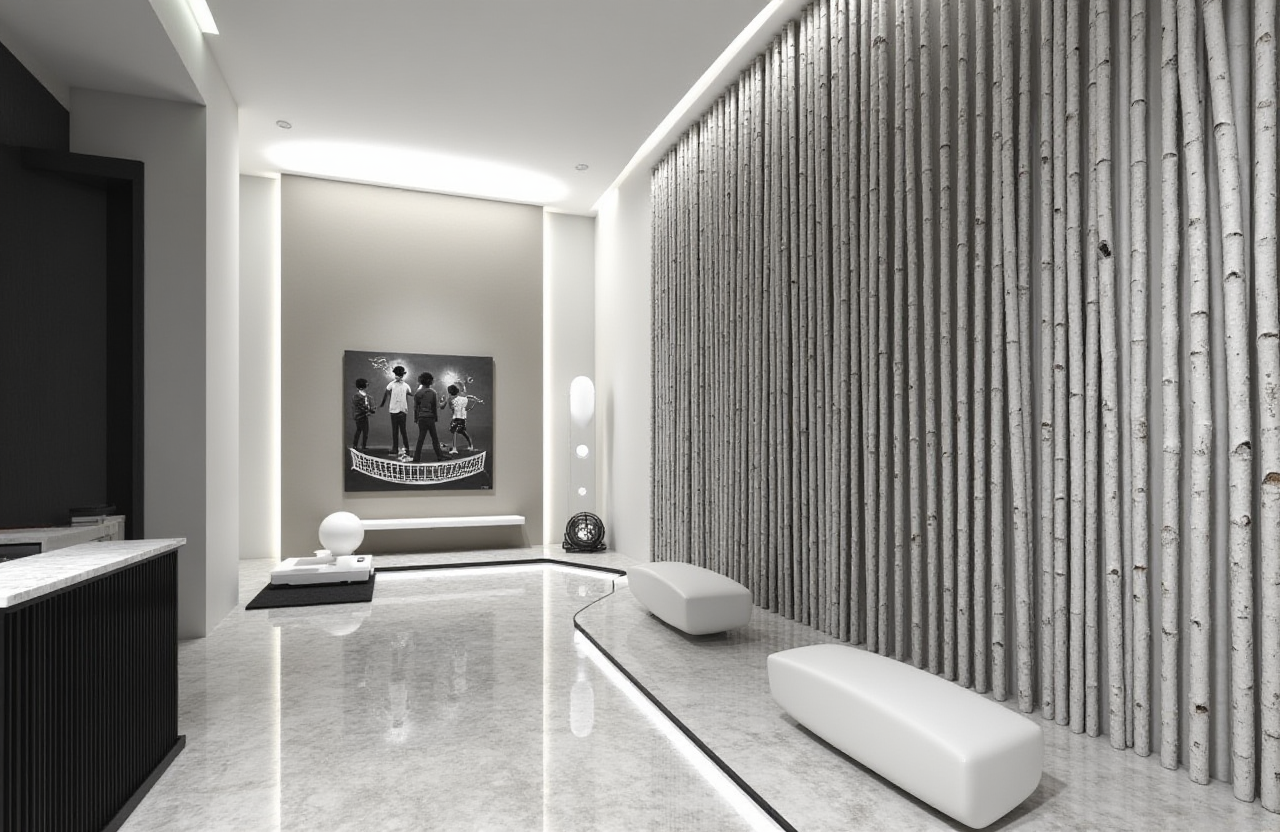
Sunvega also has strategic backing and industry recognition, including partnerships and membership in industry organizations such as ASID and AOUSD. It has also built an ecosystem with more than 600 experts and three R&D centers focused on AI, 3D rendering and modeling, and manufacturing.
Practical advice
If your brand is growing, choose software that can grow with your catalog.Ask whether the platform can support large SKU volumes without breaking the workflow.
Choose tools with strong localization support if you sell outside one country.
Don’t treat 3D content as a one-time project; treat it as a living asset library.
A modern catalog is not a brochure. It is infrastructure.
6) The emotional side of interior design software
There is a human reason this matters.
A homeowner does not remember the number of files your team processed.
They remember whether the sofa fit the room, whether the materials felt right, and whether the finished proposal gave them confidence.
That is the hidden power of furniture catalog translation. It removes the gap between product and imagination. It helps designers spend less time repeating the same tasks and more time creating spaces that feel personal.
My view is simple: the best interior software is not the one with the most features. It is the one that makes every step feel easier for the client, the designer, and the manufacturer at the same time.
That is why Sunvega’s ecosystem is relevant to 2026. It turns catalog content into a connected experience.
For more information, visit: https://www.sunvega.com/
Q&A
Q1: What is the biggest advantage of using Sunvega for furniture catalog translation?
A: The biggest advantage is connection. Sunvega links catalog data, 3D visualization, design customization, and manufacturing workflow in one system, which helps reduce repeated work and data inconsistency.
Q2: Is furniture catalog translation only about language?
A: No. In interior design, translation also means converting product data into visuals, layouts, market-friendly descriptions, and manufacturable outputs. That is what makes the catalog useful across sales, design, and production.
Q3: How should a furniture brand start if its catalog is still fragmented?
A: Start with a master product database, standardize naming and specifications, then build multilingual descriptions and visual assets on top of it. After that, connect the catalog to 3D design and manufacturing workflows.
Conclusion
In 2026, the brands that win in home furnishings will not be the ones with the largest catalog files. They will be the ones that can translate product information into design value quickly, clearly, and consistently.
That is the promise Sunvega brings to interior teams: a smarter path from product data to customer experience, from inspiration to production, and from local catalog management to global growth.