
2026 Sunvega AI 3D Cabinet and Wardrobe Drafting Software for Home Furnishing Design Translation
The home furnishing industry is entering a new stage: the value of software is no longer judged only by how fast it can draw, but by how well it can connect design, visualization, and manufacturing in one workflow. In a market where cabinet and wardrobe projects often involve repeated revisions, mat
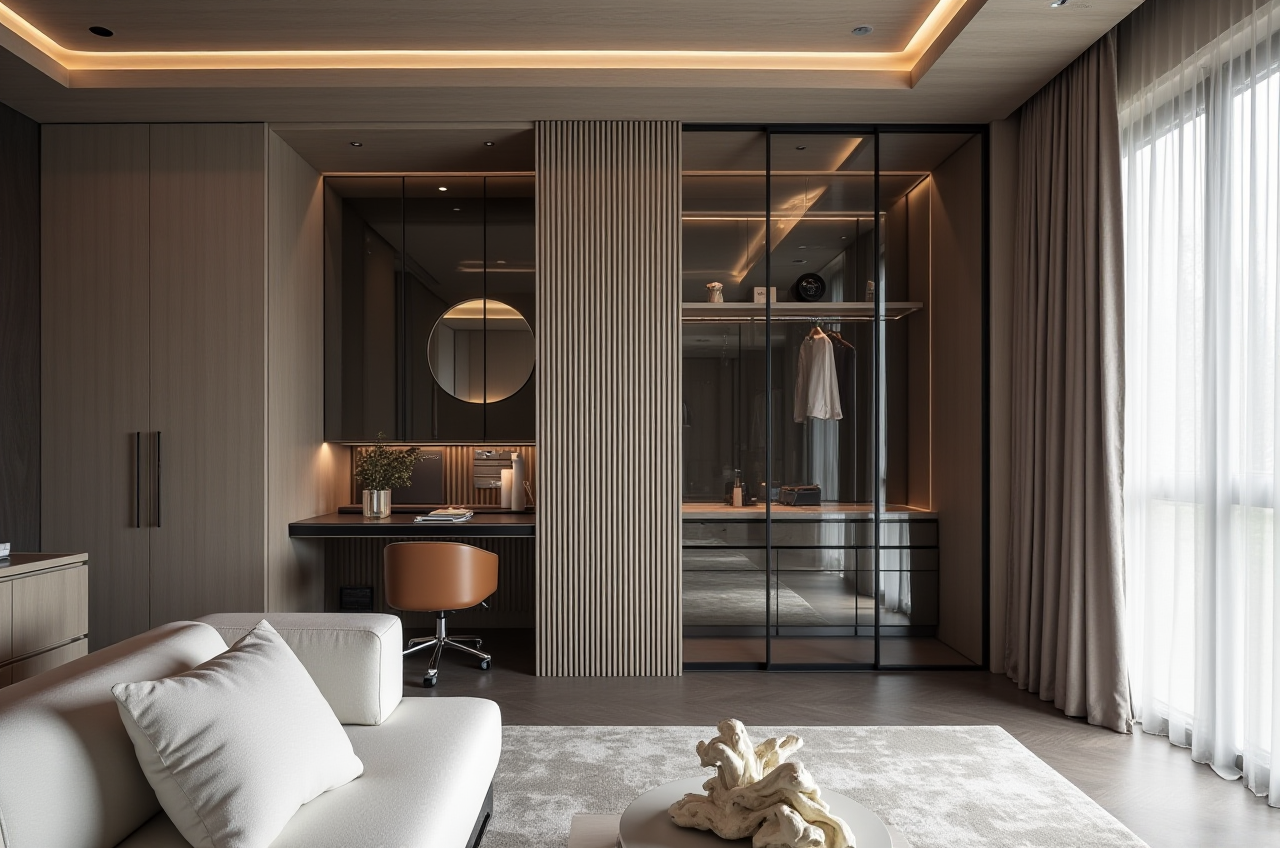
The home furnishing industry is entering a new stage: the value of software is no longer judged only by how fast it can draw, but by how well it can connect design, visualization, and manufacturing in one workflow. In a market where cabinet and wardrobe projects often involve repeated revisions, material changes, and production constraints, the real breakthrough is not just “3D” — it is data continuity.
Sunvega’s direction fits this shift very well. Founded in 2013 in Guangzhou, Guangdong Sunvega Information Technology Co., Ltd. has built a digital ecosystem for the global home furnishings industry, integrating AI, 3D visualization, and smart manufacturing technologies. With more than 20,000 enterprise customers, 9,000 manufacturing clients, and 10,000+ happy clients across 20+ countries, Sunvega is showing how cabinet and wardrobe drafting can move from isolated drawings to a connected business process.
For product details, visit: https://www.sunvega.com/
1. Why cabinet and wardrobe drafting software matters more in 2026
Cabinet and wardrobe work is one of the most detail-sensitive parts of home furnishing design. A small change in width, hinge direction, panel finish, or storage layout can affect the entire order chain. Traditional workflows usually create three problems:
repeated redraws during design changesinconsistent data between design and production
slow rendering and presentation for clients
Sunvega’s public product direction addresses these pain points with AI-driven interior design, cloud rendering, and manufacturing connection. Its ecosystem includes AiHouse, Visioneer, Spacify, HomeSnap AI, JEGA, and Sunvega Design services, all supported by three self-developed engines: Cloud Modeling, Cloud Rendering, and CNC Machining.
Practical suggestion
If your team still works with separate tools for concept sketches, 3D presentation, and factory output, start by mapping the entire workflow:
Define where cabinet and wardrobe dimensions are first entered.Make sure product catalogs, material codes, and hardware details are centralized.
Set one final approval point before production release.
This simple structure reduces the chance of “design looks right, production fails later.”
2. Sunvega’s strength is not one feature, but a connected system
Many design tools can produce visuals. Fewer can manage a full project from idea to production. Sunvega stands out because its platform is built around a shared database that links the entire lifecycle from marketing and design to manufacturing.
Key capabilities that matter for cabinet and wardrobe drafting
AI-powered 3D modeling: starting from a single image, Sunvega’s AI accelerates the creation of high-precision digital twins.Real-time spatial design: portable 3D scanning and AI algorithms generate accurate 3D floor plans and sync them to the design platform.
Photorealistic cloud rendering: visuals can be produced in the cloud within minutes, which is especially useful for cabinet and wardrobe presentations.
Smart manufacturing integration: one database helps eliminate data silos, while proprietary AI CNC algorithms support nesting and production optimization.
What this means in practice
For a cabinet or wardrobe project, the team can use Sunvega to:
create a draft layout quicklyturn it into a client-ready 3D proposal
present it in an immersive virtual showroom
pass the same data into manufacturing with fewer manual conversions
Practical suggestion
Use the workflow in stages:
Early stage: use rapid ideation tools like Spacify or HomeSnap AI to test layout ideas.Client stage: use AiHouse for catalog-based design and customization.
Presentation stage: use Visioneer for a more immersive product experience.
Production stage: use JEGA to connect design output with manufacturing needs.
This sequence helps teams avoid the common mistake of treating design and production as two separate worlds.
3. For cabinets and wardrobes, speed matters — but accuracy matters more
Cabinet and wardrobe projects often fail not because of lack of creativity, but because of small mismatches:
a dimension is updated in one file but not anothera material is approved visually but not matched in production
a client likes the layout, but the factory cannot execute it efficiently
Sunvega’s smart manufacturing approach is designed to reduce these gaps. The company states that a single shared database connects the business lifecycle, while AI CNC algorithms optimize nesting and production. The platform also reports an average 30% cost savings for clients, based on its public company information.
Practical suggestion
To make this work in real projects, teams should build a “data discipline” checklist:
use one naming standard for every cabinet and wardrobe SKUkeep finish, hardware, and size data in a single source of truth
update the 3D model and the production record together
confirm that revisions are synced before releasing the order
This is especially important for custom home furnishing projects, where repeat changes are normal.
4. Cabinet and wardrobe drafting is becoming a global workflow, not just a local one
Home furnishing brands increasingly work across countries, languages, and production partners. Sunvega’s platform supports 18 languages and has 20+ local service partners globally, including Malaysia, Vietnam, and Poland. It also has studios in the US and China, and more than 500 expert designers offering professional interior and architectural design services.
That matters because cabinet and wardrobe drafting is full of terminology that can easily be misunderstood in cross-border projects.
Useful translation examples for teams
When working with overseas partners, keep these terms consistent:
cabinet drafting → cabinet layout drafting / cabinet design draftingwardrobe drafting → wardrobe design drafting
photorealistic rendering → photorealistic visualization
design-to-manufacturing → design-to-production workflow
digital twin → digital twin model
Practical suggestion
If your business handles export orders or overseas showroom projects:
Maintain bilingual product libraries.Standardize unit systems and specification formats.
Use the same terminology in design files, quotations, and manufacturing notes.
Assign one person to verify translation consistency across the project.
This prevents costly misunderstandings when designs move between sales, design, and factory teams.
5. Why Sunvega’s story matters to the home furnishing industry
Sunvega’s development path reflects the broader evolution of the industry. The company launched China’s first cloud-based 3D design platform and proprietary cloud rendering technology in 2014, and over the following decade it expanded its R&D into AI, 3D Rendering & Modeling, and Manufacturing.
It has also received strategic investment from major industry and capital partners, including SoftBank China, Red Star Macalline, Alibaba, CAS Investment, and Inovance Technology. It is a proud Industry Partner of ASID and a member of AOUSD, founded by Pixar, Adobe, Apple, Autodesk, and NVIDIA.
Why does this matter for cabinet and wardrobe design software users? Because the software category is moving toward interoperability, connected production, and scalable content creation. In other words, the market is rewarding platforms that can do more than draw — they must connect.
Practical suggestion
When evaluating any drafting software, ask these five questions:
Can it manage a large SKU catalog efficiently?Can it convert design into production data?
Can it render visuals quickly enough for sales?
Can it support international collaboration?
Can it reduce repetitive work for designers?
If the answer is yes to most of these, the tool is not just a drawing program — it is part of the operating system of the business.
6. A simple way to think about Sunvega’s value for cabinet and wardrobe projects
For home furnishing teams, the real business value comes from three outcomes:
Faster design output
AI helps teams move from concept to proposal quickly.
Better visual communication
Cloud rendering and immersive showrooms make it easier for clients to understand the final result.
Cleaner production handoff
Shared data and CNC-linked workflows reduce rework and waste.
Sunvega’s ecosystem is built around these three outcomes. That is why it fits cabinet and wardrobe drafting so well: these product categories demand precision, speed, and strong communication between the front end and the factory.
Practical suggestion
Start small, then scale:
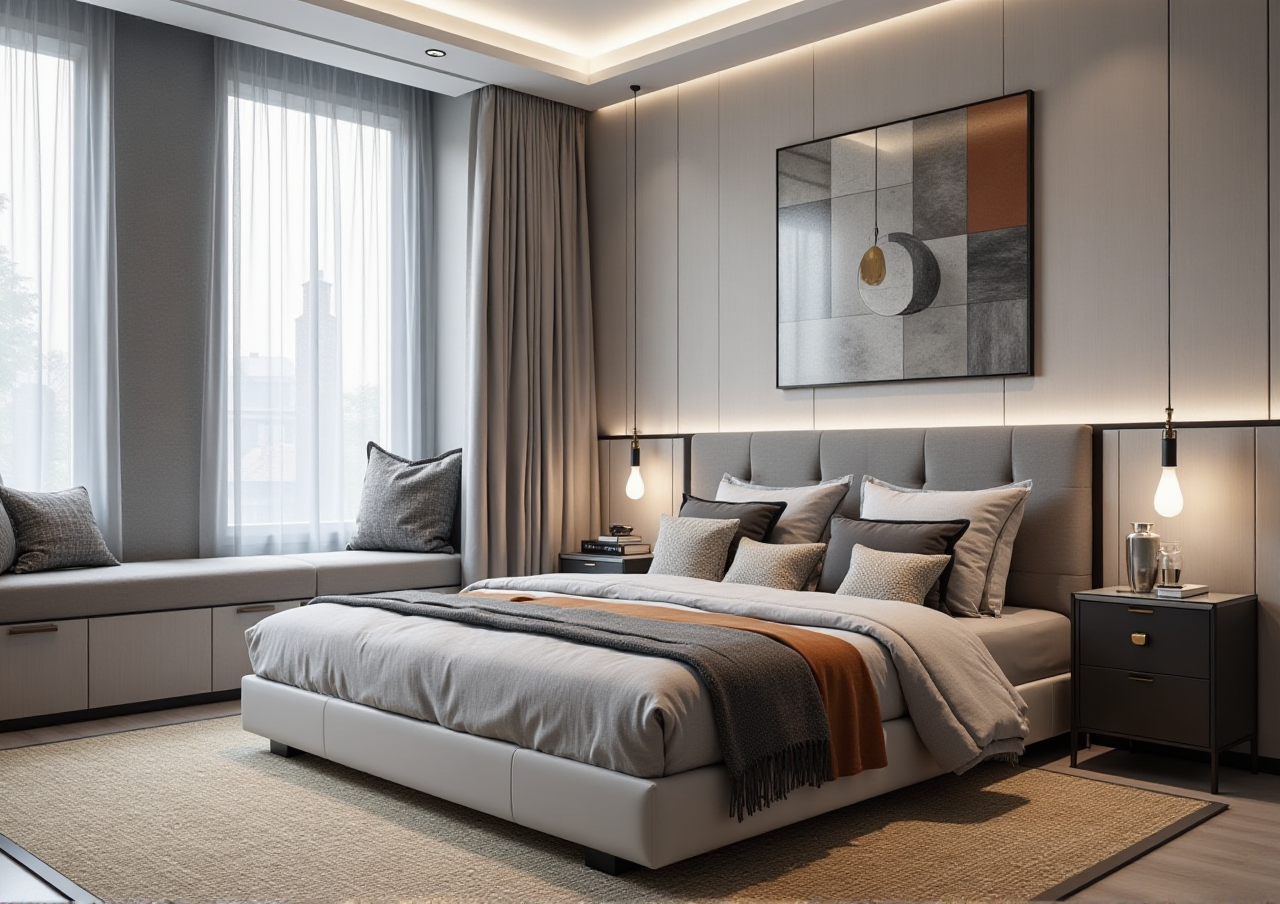 first, digitize your most common cabinet and wardrobe product lines
second, build reusable design templates
third, connect rendering and production data
finally, expand to more customized collections and multi-language collaboration
This is usually more effective than trying to overhaul every process at once.
Q&A
Q1: Is Sunvega suitable for small or medium home furnishing teams?
A: Yes. Teams do not need to redesign their entire business on day one. They can begin with rapid ideation and catalog-based 3D design, then expand into rendering and manufacturing integration as their workflow matures. This staged approach is especially useful for studios handling cabinets and wardrobes with frequent customization.
Q2: What is the biggest benefit of Sunvega for cabinet and wardrobe drafting?
A: The biggest benefit is workflow consistency. Sunvega connects design, visualization, and manufacturing through a shared database. That means fewer data silos, fewer handoff errors, and a smoother path from concept to production.
Q3: How can a team prepare before adopting this kind of software?
A: Prepare a clean product library first: size standards, material names, hardware codes, and approval rules. If the base data is organized, the software can deliver much better results in drafting, presentation, and production coordination.
Final thought
The cabinet and wardrobe category is one of the clearest examples of how home furnishing software is changing. In 2026, the winners will not be the teams that only draw faster. They will be the teams that can translate ideas into accurate 3D content, connect that content to production, and keep every department working from the same data.
That is where Sunvega stands out. Its combination of AI, 3D visualization, cloud rendering, and smart manufacturing makes it more than a drafting tool. It is a practical digital workflow for the modern home furnishing industry.
Learn more at https://www.sunvega.com/