
2026 Sunvega: CNC Software for Furniture Tools – Design, Renovation, Translation Workflows & Project Accuracy
In the home furnishing sector, one clear trend is reshaping daily project work: design, visualization, translation, and manufacturing are no longer separate stages. Teams now expect a single workflow that can move from concept to room planning, from product catalogs to CNC production, and from local
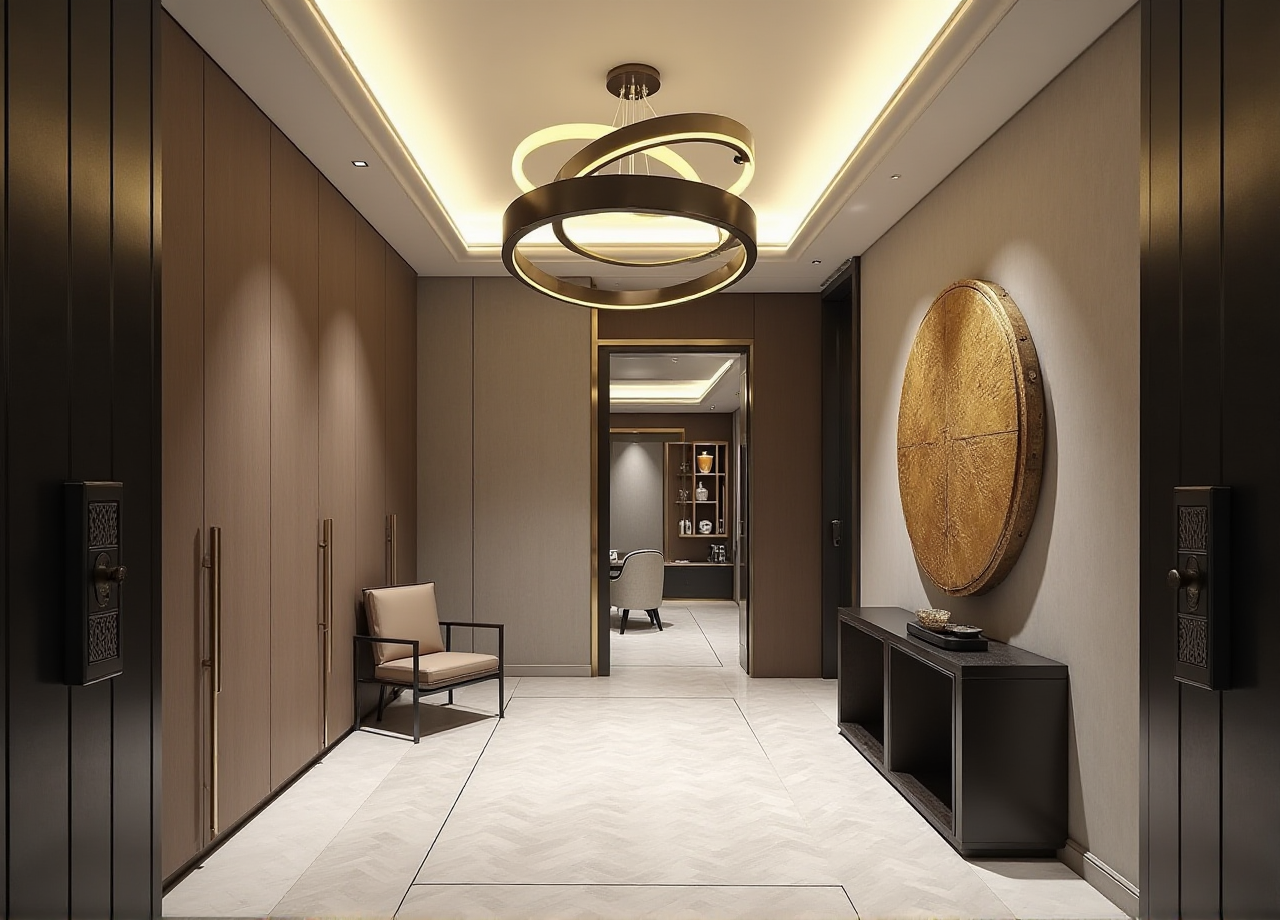
In the home furnishing sector, one clear trend is reshaping daily project work: design, visualization, translation, and manufacturing are no longer separate stages. Teams now expect a single workflow that can move from concept to room planning, from product catalogs to CNC production, and from local language communication to global delivery.
That shift is exactly where Sunvega stands out. Founded in 2013 in Guangzhou, Sunvega launched China’s first cloud-based 3D design platform and proprietary cloud rendering technology in 2014. Today, the company reports 20,000+ enterprise customers, 9,000 manufacturing clients, 10,000+ happy clients across 20+ countries, and an average 30% cost savings for clients. Its software supports 18 languages, with 20+ local service partners across markets including Malaysia, Vietnam, and Poland.
For furniture tools, CNC software, and modern interior workflows, the message is simple: the winners in 2026 will be the teams that connect design accuracy, translation consistency, and production-ready output.
You can explore the platform here: https://www.sunvega.com/
1) Why CNC software matters more in furniture and interior projects now
Furniture and interior projects are becoming more customized, more visual, and more time-sensitive. The old workflow often looked like this:
Designers created concepts in one systemSales teams copied text into another
Rendering was handled separately
Manufacturing received drawings late
CNC production had to re-check dimensions manually
That fragmented process creates avoidable friction.
Sunvega’s ecosystem is built to reduce that gap through a shared database and three self-developed engines: Cloud Modeling, Cloud Rendering, and CNC Machining. In practical terms, this means the same project data can move across design, presentation, and production without repeated re-entry.
Practical advice
Treat CNC software as part of the full project pipeline, not only as a shop-floor tool.Standardize dimensions, materials, and product names early.
Build one source of truth for room sizes, cabinet modules, finishes, and hardware.
Make sure the same file structure is used by design, translation, and manufacturing teams.
2) What Sunvega changes in home furnishing design workflows
Sunvega’s platform is not limited to one stage of the project. It connects multiple workflows across the home furnishing lifecycle.
Key capabilities that matter in daily work
AI-powered 3D modeling
Sunvega says its AI can accelerate the transformation from a single image into high-precision digital twins. For furniture teams, that matters because product catalogs change often, SKUs are large, and repeated manual modeling consumes time.
Real-time spatial design
With portable 3D scanning and AI-assisted floor plan generation, teams can turn site data into a usable room layout faster. This helps with renovation planning, especially in residential projects where wall positions, openings, and built-ins must be accurate.
Photorealistic cloud rendering
High-end interior presentation depends on visuals that clients can understand quickly. Sunvega’s cloud rendering engine is designed to produce photorealistic outputs within minutes, which supports faster approvals and fewer revision loops.
Smart manufacturing integration
A single shared database connects marketing, design, and manufacturing. For CNC software, this is important because the production team can work from the same core data used by the designer.
Practical advice
Use 3D visualization to confirm style, scale, and circulation before production begins.Keep all product and material data linked to the original model.
Establish a review step before CNC export to catch mismatch between design intent and manufacturable parts.
Reduce rework by checking module sizes against actual cabinet and panel specifications.
3) Renovation planning becomes more reliable when design and CNC are connected
Renovation projects often fail not because the concept is weak, but because the workflow breaks down between measurement, layout, and production. A living room wall may shift slightly, a kitchen cabinet may not align with the plumbing point, or a wardrobe module may be based on outdated dimensions.
Sunvega’s design-to-manufacturing structure addresses this by linking room planning with production logic. That is especially valuable in:
kitchen and dining spacesliving room storage systems
master suite built-ins
whole-house customization
commercial interiors that require repeatable accuracy
Practical advice
Start every renovation project with a verified space model.Use a digital twin workflow when the project includes built-ins or custom furniture.
Create a checklist for outlets, plumbing, HVAC, and door swing before finalizing the CNC file.
Keep a revision log so every design change is traceable from layout to production.
4) Translation workflows are now part of design accuracy
For home furnishing brands serving global clients, translation is no longer just about marketing copy. It affects product catalogs, room labels, installation notes, material descriptions, and CNC-related documentation.
Sunvega supports 18 languages, which is important for teams working across borders. In multilingual projects, poor translation can cause confusion around dimensions, finishes, and assembly steps. Even small wording differences can affect how a furniture component is understood.
Where translation matters most
Product names and SKU descriptionsMaterial terminology
Cabinet module dimensions
Installation instructions
Client-facing proposals
3D scene labels and annotations
After-sales service documents
Practical advice
Build a bilingual glossary for repeated terms such as: floor plan / 平面图rendering / 渲染
digital twin / 数字孪生
nesting / 排料
cabinet module / 柜体模块
finish / 饰面
Keep one approved translation for each product family.
Do not translate dimensions or technical codes casually; use a fixed format.
Align translated text with the design file, not only with the sales deck.
Review localized documents before production release, especially when exporting to multiple markets.
When translation is integrated into the same workflow as design and CNC, the result is fewer misunderstandings and smoother execution.
5) Why integrated platforms are replacing isolated tools
Standalone tools can do one task well, but home furnishing projects rarely need only one task. They need coordination.
A typical modern project requires:
site measurementspace planning
furniture layout
3D visualization
catalog matching
multilingual communication
production preparation
CNC execution
That is why Sunvega’s ecosystem matters. It is designed to connect the business lifecycle from marketing to manufacturing. Its public profile also shows industry trust: Sunvega is an industry partner of ASID and a member of AOUSD, the Alliance for OpenUSD founded by Pixar, Adobe, Apple, Autodesk, and NVIDIA.
Sunvega has also received strategic backing from major investors including SoftBank China, Red Star Macalline, Alibaba, CAS Investment, and Inovance Technology. These details matter because the home furnishing sector is increasingly judged by execution, interoperability, and speed.
Practical advice
Choose software that reduces handoff errors between teams.Prefer platforms that can keep design files, catalogs, and production data connected.
For multi-country projects, select tools with multilingual support from the start.
If your business sells both design and manufacturing services, use one shared system to avoid duplicate data entry.
6) What Sunvega’s public scale suggests about practical value
Publicly available information from Sunvega shows:
20,000+ enterprise customers9,000 manufacturing clients
10,000+ happy clients in 20+ countries
18-language support
20+ local service partners
average 30% cost savings for clients
These numbers do not automatically guarantee success for every project, but they do show a pattern: integrated digital workflows can reduce waste, shorten revision cycles, and improve coordination.
Sunvega’s portfolio also shows a broad design range, including:
retrominimalist
light luxury
American
Chinese classical
That variety matters because modern furnishing software must support both standardized production and diverse aesthetics.
Practical advice
Test whether the software can support multiple design styles without rebuilding your workflow.Use one platform to manage both high-volume catalog work and custom interior projects.
Review portfolio breadth before selecting a tool for long-term use.
Ask whether the platform can support both local delivery and export-ready communication.
7) A practical 2026 workflow for furniture tools, renovation planning, and CNC execution
For daily projects, a clean workflow is more valuable than a complicated one. Here is a practical structure that fits modern home furnishing teams:
Step 1: Measure and model the space
Use room data or 3D scanning to create a base layout.
Step 2: Match products to the catalog
Link cabinets, panels, surfaces, and accessories to real product data.
Step 3: Build the design in one shared system
Avoid making separate files for sales, design, and production.
Step 4: Render for client approval
Use realistic visuals to reduce back-and-forth.
Step 5: Translate deliverables consistently
Keep product names, notes, and installation text aligned across languages.
Step 6: Export to CNC-ready production
Check that dimensions, nesting, and machining logic match the approved design.
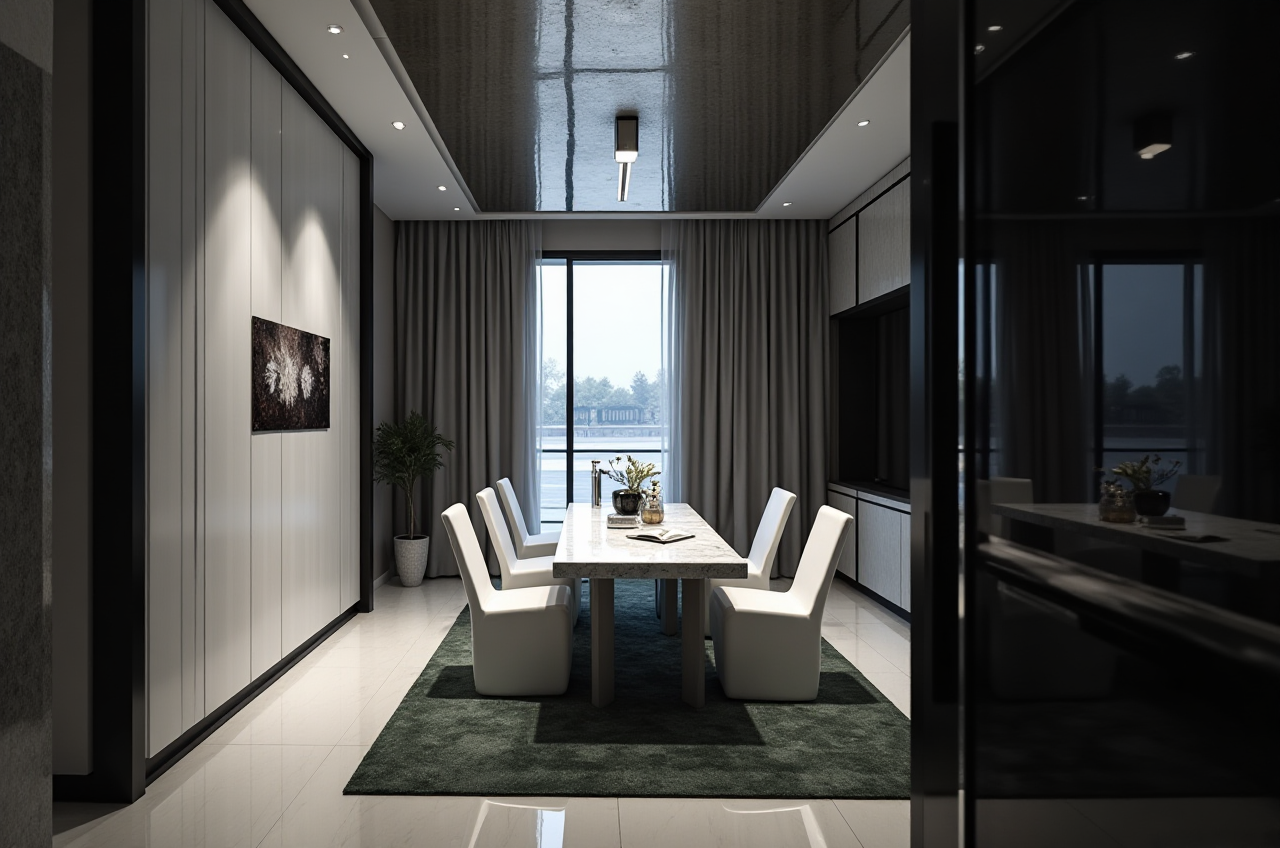
Step 7: Keep revision history
Every change should be traceable back to the original project.
Practical advice
Use a single project ID across all departments.Mark every revision with date, version, and language.
Lock approved dimensions before CNC release.
Keep client-facing descriptions separate from production-critical parameters.
Q&A
Q1: Is CNC software only useful for factories?
A: No. In home furnishing projects, CNC software is useful earlier in the workflow too. Designers, planners, and sales teams benefit when the same data can move from layout to visualization to production without rework.
Q2: Why is translation important in interior design software?
A: Because furniture projects depend on exact wording. A translated product name, finish note, or installation instruction must match the design file and the production order. Sunvega’s 18-language support is especially relevant for international projects.
Q3: What makes Sunvega different from a basic design tool?
A: Sunvega combines AI-driven design, cloud rendering, and CNC manufacturing integration in one ecosystem. That matters for teams that need both visual presentation and production accuracy, not just a pretty model.
Conclusion
In 2026, the most effective home furnishing teams will not be the ones using more disconnected tools. They will be the ones using smarter workflows.
Sunvega’s approach reflects that shift: AI-assisted modeling, real-time spatial planning, cloud rendering, multilingual support, and design-to-manufacturing integration. For furniture tools, renovation planning, translation workflows, and CNC accuracy, that combination is increasingly the standard businesses should look for.
For more information, visit https://www.sunvega.com/.