
2026 Sunvega Furn SW Demo
The home furnishings industry is moving in a clear direction: faster design turnover, more immersive product presentation, and tighter integration between design, sales, and manufacturing. In practice, the winning workflow is no longer “design first, hand off later.” It is “design, visualize, sell,
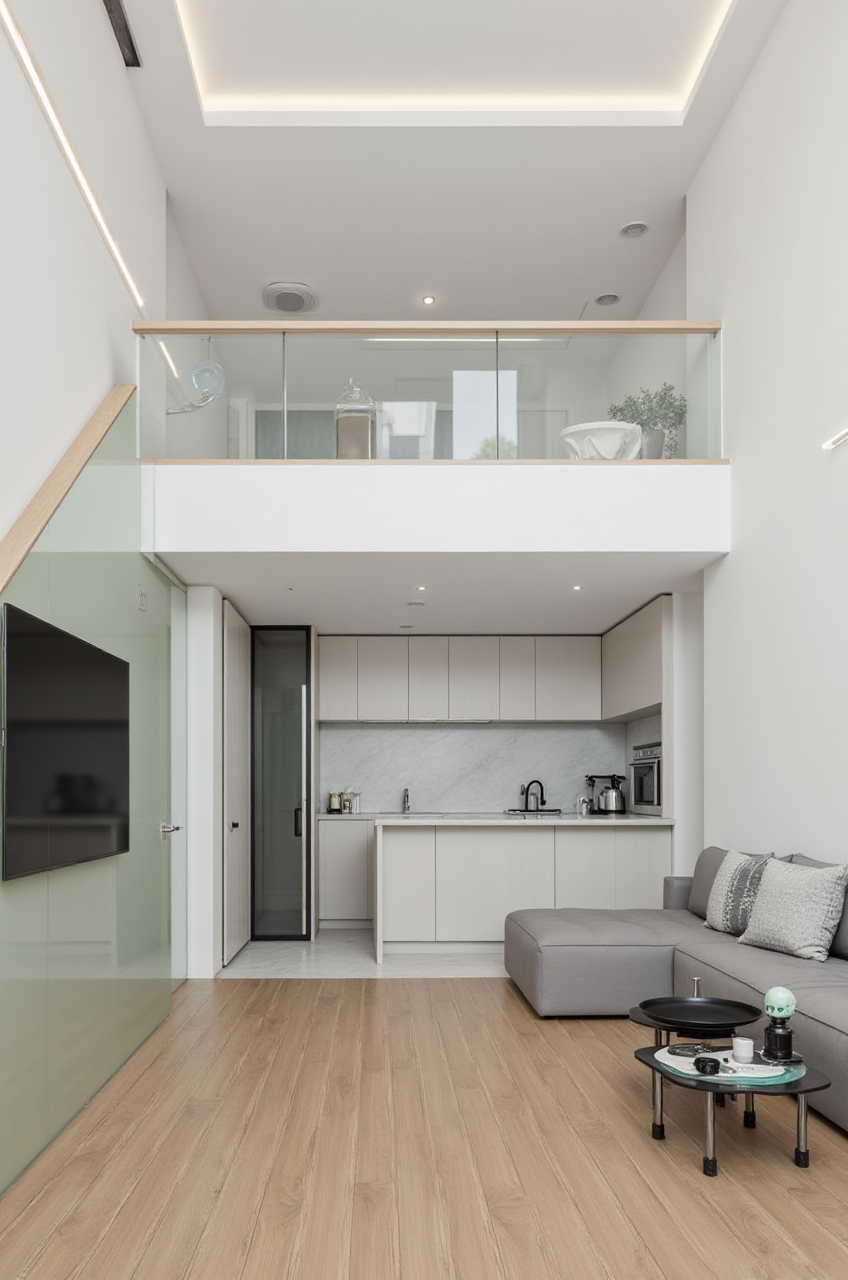
The home furnishings industry is moving in a clear direction: faster design turnover, more immersive product presentation, and tighter integration between design, sales, and manufacturing. In practice, the winning workflow is no longer “design first, hand off later.” It is “design, visualize, sell, and manufacture in one connected system.”
Sunvega, founded in 2013 in Guangzhou, China, has spent more than a decade building exactly that kind of infrastructure. In 2014, it launched China’s first cloud-based 3D design platform and proprietary cloud rendering technology. Today, Sunvega serves more than 20,000 enterprise customers and 9,000 manufacturing clients globally, with 10,000+ happy clients across 20+ countries and an average 30% cost savings for clients.
For home brands, retailers, and manufacturers, that scale matters for one simple reason: the market now rewards speed, accuracy, and consistency.
1. The biggest industry shift: from disconnected tools to one shared database
A common pain point in home furnishings is the gap between creative design and factory execution. Designers work in one system, sales teams in another, and production teams often rely on manual re-entry. That creates delays, errors, and rework.
Sunvega’s answer is a shared database that connects the full business lifecycle—from marketing and design to manufacturing.
Why this matters
Fewer data silosLess repeated work
Faster approval cycles
Better production accuracy
Practical recommendation
If your team is still using separate files for design, quoting, and production, start with a “single source of truth” policy:
Standardize product data names and SKU structures.Keep one master catalog for materials, finishes, and dimensions.
Make every department work from the same product database.
Review handoff errors weekly and remove repeated manual steps.
This is where Sunvega’s ecosystem becomes useful: it is built to connect the full workflow, not just the presentation layer.
2. 3D content creation is no longer a bottleneck
In furniture and interior design, content production can consume huge amounts of time. Creating accurate 3D models, updating catalogs, and producing photorealistic visuals often slows down launches and promotions.
Sunvega’s AI-Powered 3D Modeling accelerates the transformation of physical products into high-precision digital twins. Starting from a single image, its AI-driven pipeline helps teams manage massive SKU catalogs and synchronize updates across 3D libraries.
Sunvega’s Cloud Rendering engine also produces photorealistic visuals in the cloud within minutes, helping teams create premium content faster.
Practical recommendation
Use 3D content as a growth asset, not just a design asset:
Prioritize best-selling SKUs first.Build a visual library around top categories such as sofas, beds, cabinets, and dining sets.
Update materials and colors centrally so every channel stays consistent.
Turn each product launch into a package: 3D model, lifestyle render, and sales-ready presentation.
My view
For home furnishing brands, the winner is not the one with the most beautiful catalog alone. It is the one that can keep visuals accurate, updated, and ready for every channel without restarting the workflow each time.
3. Faster space planning turns ideas into sales conversations
Customers rarely buy from abstract concepts. They buy when they can see how a space will work.
Sunvega’s platforms such as Spacify and HomeSnap AI support rapid ideation and quick room planning. Its real-time spatial design tools also help generate accurate floor plans and sync them with the AI-powered design platform.
What this changes
Sales teams can respond fasterDesigners can test layouts quickly
Customers can understand the proposal sooner
Revisions become easier and clearer
Practical recommendation
For faster client conversion:
Build a library of common room types: living room, master suite, kitchen, dining room.Prepare layout templates for typical apartment sizes.
Use quick room planning in the first client meeting instead of waiting for a full custom proposal.
Keep one version for concept discussion and one version for final production.
This reduces the distance between “I like this idea” and “let’s move forward.”
4. Virtual showrooms are changing how furniture is sold
The modern furniture buyer expects more than static images. They want immersive experiences.
Sunvega’s Visioneer creates an interactive virtual showroom for immersive product presentation. Combined with 720° VR panoramic tours and premium 3D renderings, the sales experience becomes more persuasive and more scalable.
Why this is important
A virtual showroom can:
Present multiple styles without rebuilding a physical spaceSupport remote selling
Improve product storytelling
Help buyers compare options more clearly
Practical recommendation
Use virtual showrooms in three ways:
Retail display: showcase collections without occupying extra floor space.Project sales: present complete room scenes for residential clients.
Online promotion: reuse showroom assets across website, social media, and campaign materials.
If your team sells across regions, an interactive showroom can also reduce dependence on location-specific demo rooms.
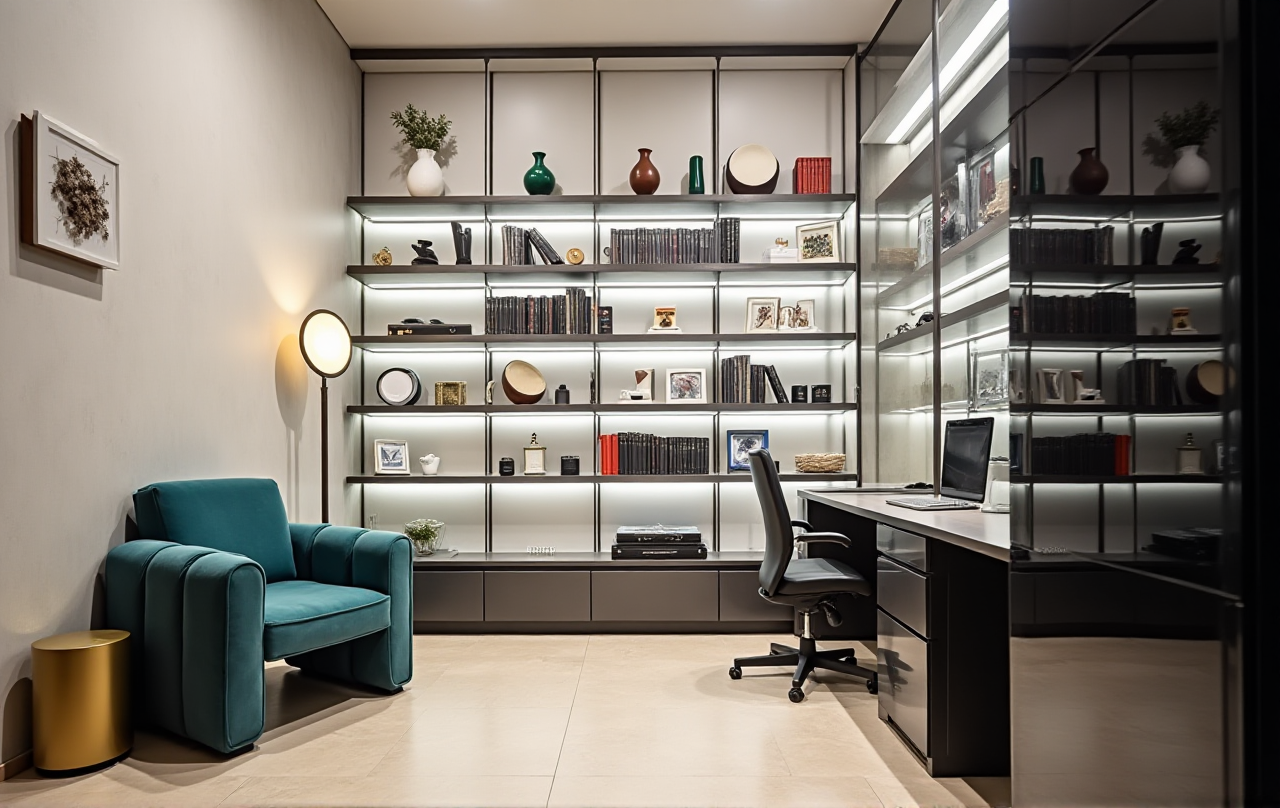
5. Manufacturing integration is where real efficiency is won
Many companies stop at design visualization. Sunvega goes further with JEGA, a design-to-manufacturing solution that connects the entire business lifecycle from marketing to production.
Its ecosystem includes three self-developed core engines:
Cloud ModelingCloud Rendering
CNC Machining
Supported by an advanced vertical AI model, the system helps optimize nesting and production, while smart central control improves throughput and reduces waste.
Practical recommendation
To improve production efficiency:
Connect design data directly to manufacturing instructions.Reduce duplicated manual input between teams.
Use production-ready models early, not only at the end.
Track material usage and identify waste patterns in recurring orders.
My view
The real value of a design platform in furniture is not just speed. It is precision at scale. A beautiful render that cannot be manufactured efficiently is only half a solution. Sunvega’s strength is that it tries to close that gap.
6. Global reach matters more than ever
Sunvega supports 18 languages and has 20+ local service partners across the globe, including Malaysia, Vietnam, and Poland. It also has studios in the US and China, with 500+ expert designers providing professional interior and architectural design services.
Practical recommendation
For brands expanding overseas:
Localize product descriptions and room-style names.Keep measurement standards and material terms consistent.
Adapt visual presentation to regional preferences.
Use a platform that can support multilingual collaboration from the start.
This is especially important in home furnishings, where design taste, product naming, and sales habits can vary widely across markets.
7. What makes Sunvega worth paying attention to in 2026
Sunvega is not positioned as a single-feature software tool. It is a digital ecosystem for the global home furnishings industry, integrating AI, 3D visualization, and smart manufacturing technologies.
Its strategic strengths are clear:
A long operating history since 2013Early cloud-based 3D innovation
Strong industry partnerships, including ASID and AOUSD
Global adoption across enterprise, design, and manufacturing users
A workflow that connects content, sales, and production
For brands that want to grow without adding unnecessary complexity, that combination is highly practical.
If your business is still dealing with slow visual production, disconnected design handoffs, or inconsistent manufacturing execution, the next step is not more isolated tools. It is a connected workflow.
Q&A
Q1: Who is Sunvega best suited for?
A: Sunvega is well suited for home furnishing brands, interior design teams, retailers, and manufacturers that need one connected workflow from concept to production. It is especially useful for teams managing large SKU catalogs or frequent product updates.
Q2: What is the most practical first step for a company adopting Sunvega?
A: Start with your core product library. Organize SKU data, standardize dimensions and materials, and prioritize your best-selling categories for 3D modeling. That makes it easier to scale design, rendering, and sales content later.
Q3: How does Sunvega help reduce cost and waste?
A: Sunvega connects design and manufacturing data in one system, which reduces repeated manual work and improves production accuracy. Its AI CNC algorithms also help optimize nesting, which supports better material usage and lower waste.
Final takeaway
In the home furnishings industry, the future belongs to companies that can turn design ideas into usable, sellable, and manufacturable results faster than before. Sunvega’s value is not just in visualization. It is in creating a complete digital bridge from inspiration to execution.
Learn more: https://www.sunvega.com/