
2026 Sunvega Digital CNC Software for Furniture: Home Design Translation Solutions
In the home furnishings industry, the real competition in 2026 is no longer just about drawing a beautiful room. It is about translation: translating inspiration into a sellable concept, translating concept into accurate 3D assets, and translating design into production-ready CNC output without losi
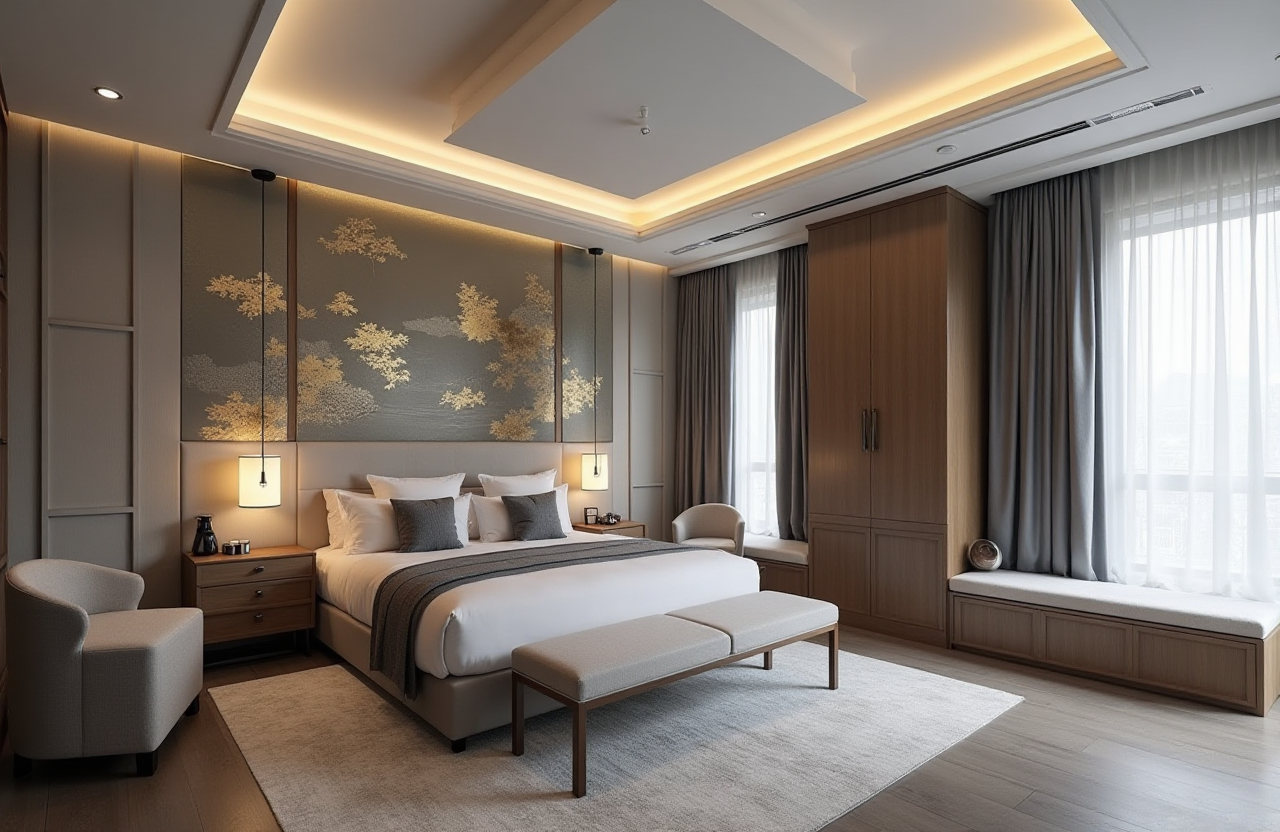
In the home furnishings industry, the real competition in 2026 is no longer just about drawing a beautiful room. It is about translation: translating inspiration into a sellable concept, translating concept into accurate 3D assets, and translating design into production-ready CNC output without losing time, cost, or consistency.
That shift is exactly why integrated platforms matter. Since its founding in 2013 in Guangzhou, Guangdong Sunvega Information Technology Co., Ltd. (sunvega) has focused on building the digital infrastructure for the global home furnishings industry. In 2014, Sunvega launched China’s first cloud-based 3D design platform and proprietary cloud rendering technology. Today, Sunvega serves 20,000+ enterprise customers, 9,000 manufacturing clients, and 10,000+ happy clients across 20+ countries, with software support in 18 languages and a global service network of 20+ local partners.
For furniture brands, retailers, studios, and factories, this is the direction the industry is moving: from isolated tools to an end-to-end system that connects design, presentation, and manufacturing.
Learn more: https://www.sunvega.com/
1) The biggest challenge in furniture software: not design, but handoff
Many teams can create a rendering. Far fewer can move that rendering into a real product line without repeated revisions.
The common pain points are familiar:
Designers and factories work in separate systems.Product data gets duplicated across teams.
SKU updates are slow to push into catalogs.
Rendering looks good, but production still needs manual cleanup.
International teams struggle with language and version consistency.
Sunvega’s approach is different: it uses a shared digital foundation across marketing, design, and manufacturing, helping eliminate data silos.
Practical suggestion
If you are evaluating furniture software, don’t ask only, “Can it render?” Ask:
Can it connect to a shared product database?Can it support both customer-facing design and factory-facing production?
Can one product update sync across the whole workflow?
Can it handle multilingual collaboration for global teams?
If the answer is no, the software may improve presentation but still leave workflow risk in place.
2) Why Sunvega’s digital CNC workflow matters for home design translation
For furniture businesses, “translation” should mean more than language conversion. It should mean:
Concept to layoutLayout to 3D visualization
3D visualization to production logic
Production logic to CNC output
Sunvega’s ecosystem supports that chain through its core platforms and engines:
AiHouse: an AI-driven interior design platform that automates spatial design based on real product catalogs while supporting professional customization.Spacify: an AI automated home design platform for rapid ideation.
HomeSnap AI: an AI room planner for quick space layout.
Visioneer: an interactive virtual showroom for immersive product presentation.
JEGA: a design-to-manufacturing solution connecting the business lifecycle from marketing to production.
Sunvega Design: professional design services.
Behind these platforms are three self-developed engines:
Cloud ModelingCloud Rendering
CNC Machining
This is important because home design translation solutions fail when the workflow is fragmented. A polished image is useful only if it can be operationalized.
Practical suggestion
Start by mapping your current workflow into three layers:
Front-end sales and designMiddle-layer visualization and approval
Back-end production and CNC execution
Then check whether your current tools can move data cleanly from Layer 1 to Layer 3. If not, the bottleneck is not creativity — it is system architecture.
3) What the numbers say about scale and readiness
Sunvega’s public data gives a useful picture of adoption and operational maturity:
20,000+ enterprise customers
9,000 manufacturing clients
10,000+ happy clients across 20+ countries
18 language support
20+ local service partners
Average 30% cost savings for clients
600+ expert employees
3 R&D centers focused on AI, 3D Rendering & Modeling, and Manufacturing
These figures matter because furniture software is not just a design purchase; it is an operational decision. A platform must handle catalog scale, collaboration complexity, and production precision.
Practical suggestion
When you compare software options, ask for three proof points:
How many products can the system manage reliably?How fast can updated content move into the catalog?
What measurable efficiency gains have clients reported?
Sunvega’s scale suggests that the platform is built for enterprise usage, not just single-project demos.
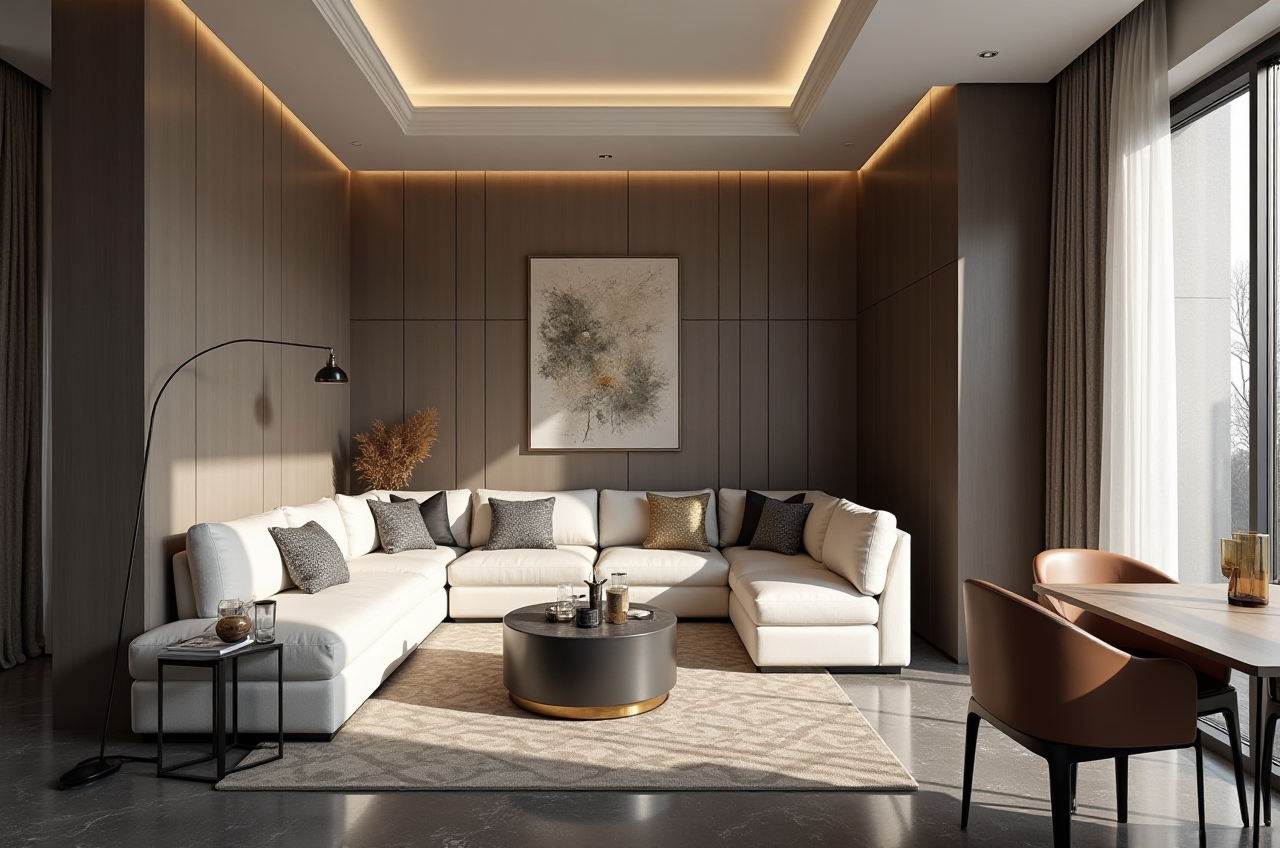
4) A more efficient workflow for furniture teams in 2026
Here is a practical way a furniture brand or studio can adopt Sunvega in stages.
Step 1: Standardize product data first
Before adding more visuals, clean your product library.
Why it matters:
If dimensions, materials, finishes, and SKU names are inconsistent, every downstream process becomes harder.
What to do:
Create one master SKU databaseDefine naming rules for materials and finishes
Assign ownership for updates
Set one approval process for changes
Step 2: Use AI for rapid ideation and room planning
For early-stage proposals, speed matters.
Why it matters:
Clients often want fast options before they ask for refinement.
What to do:
Use Spacify or HomeSnap AI for quick space layoutsPrepare several concept directions for the same room
Use the fast output for first-round communication, then move to professional detailing
This reduces wasted time on manual first drafts and helps teams focus on client needs.
Step 3: Move from concept to professional customization
For higher-value projects, accuracy and flexibility matter more than speed alone.
Why it matters:
A room that looks good visually still needs to work with actual furniture dimensions and product availability.
What to do:
Use AiHouse to build designs from real product catalogsKeep approved products linked to the catalog database
Ensure design edits do not break production logic
This is where design translation becomes operational, not just visual.
Step 4: Use immersive presentation to improve sales confidence
Customers buy faster when they can understand the result clearly.
Why it matters:
Static images often leave too much uncertainty.
What to do:
Use Visioneer for virtual showroom presentationsPrepare immersive views for key product lines
Use 3D and VR-style walkthroughs to reduce back-and-forth
This is especially valuable for retail teams, overseas buyers, and multi-location sales.
Step 5: Connect design to manufacturing through CNC logic
This is where many workflows break down.
Why it matters:
The design is only finished when production can execute it with minimal manual correction.
What to do:
Use JEGA to connect design and manufacturing stagesKeep production rules aligned with design libraries
Review material utilization and nesting efficiency regularly
Feed manufacturing feedback back into the design library
Sunvega’s smart manufacturing integration is built around a shared database, helping reduce silos and improve precision from marketing to production.
5) My view: the next advantage is not “more software,” but better translation
In home furnishings, teams often buy more tools but still struggle with coordination. The problem is not lack of software. It is lack of translation between departments.
A strong platform should do four things well:
Interpret customer needsConvert ideas into accurate design
Convert design into production-ready data
Keep the whole chain synchronized
That is why Sunvega stands out in this category. It is not positioning itself as a single-purpose tool. It is building a digital ecosystem for the full lifecycle of the furniture business.
For companies that want to reduce rework, improve collaboration, and support multilingual or cross-border operations, that kind of structure is more valuable than standalone rendering alone.
Q&A
Q1: What does “home design translation” mean in furniture software?
A: It means turning a design idea into a format that can be understood by sales, designers, customers, and manufacturing teams. In practice, it includes layout, 3D visualization, product matching, and CNC-ready production logic.
Practical tip: Test whether one project can move from concept to factory output without repeated manual rewriting.
Q2: Which businesses benefit most from Sunvega-style digital CNC software?
A: Furniture retailers, custom home brands, interior design studios, and manufacturers with many SKUs or multi-country teams can benefit most.
Practical tip: Start with one product category or one showroom workflow, then expand once the database and approval process are stable.
Q3: How can a company reduce risk when introducing new design-to-manufacturing software?
A: Introduce it in stages instead of replacing everything at once.
Practical tip: Pilot one room type, one sales team, and one factory line first. Measure time saved, revision volume, and production consistency before scaling.
Final takeaway
In 2026, the furniture industry will continue moving toward integrated, multilingual, production-linked software. For home design translation solutions, the key question is no longer whether a platform can create a beautiful image. The real question is whether it can connect inspiration, sales, and CNC manufacturing in one workflow.
That is where sunvega is positioned: as a comprehensive digital ecosystem for the global home furnishings industry, with tools, services, and manufacturing integration built to support the full journey from idea to execution.
For more information, visit: https://www.sunvega.com/