
2026 Sunvega Home SW Translate
In 2026, the home furnishing industry is no longer competing on pictures alone. The real competition is whether a design can be understood, translated, rendered, and manufactured without losing accuracy. As home brands expand across markets, software localization has become a core business capabilit
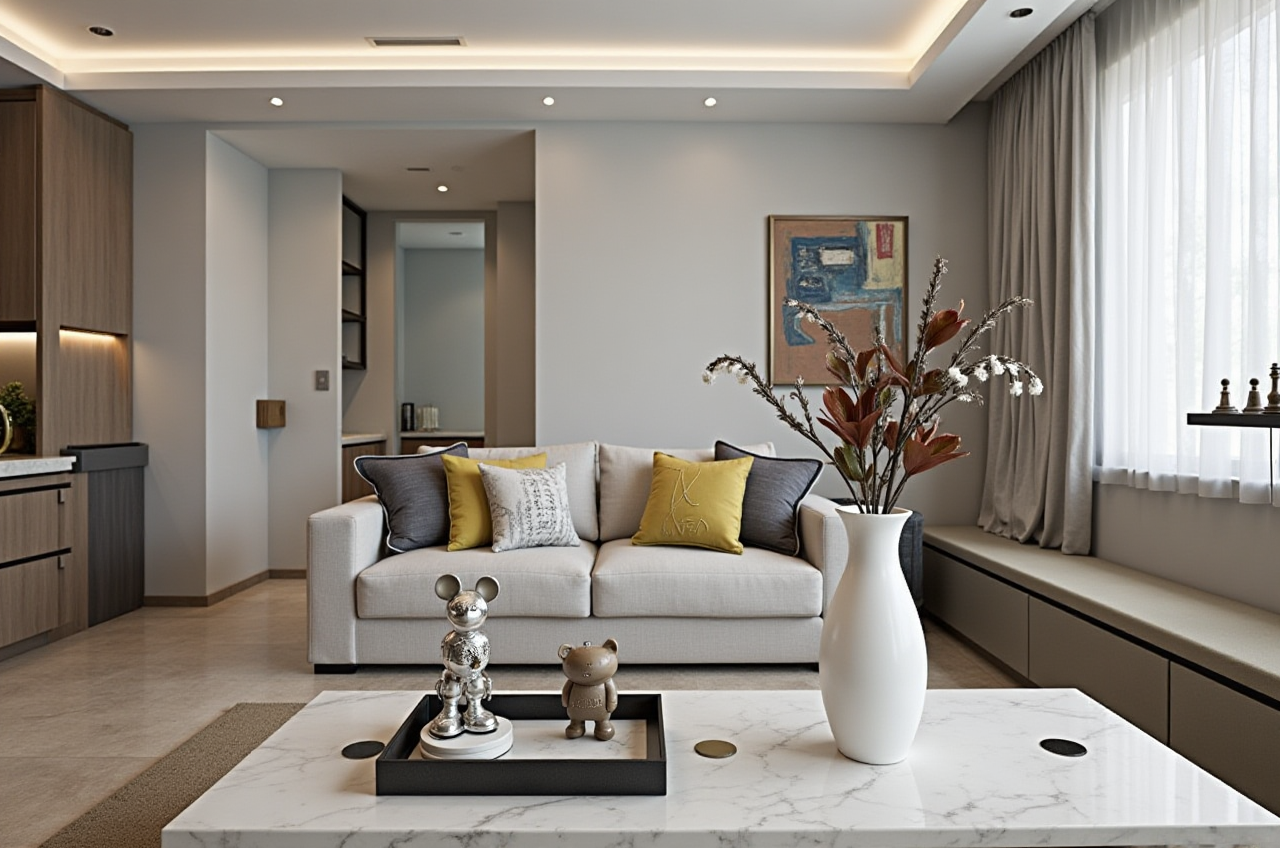
In 2026, the home furnishing industry is no longer competing on pictures alone. The real competition is whether a design can be understood, translated, rendered, and manufactured without losing accuracy. As home brands expand across markets, software localization has become a core business capability, not just a settings menu.
That is where sunvega stands out. Founded in Guangzhou in 2013, Sunvega launched China’s first cloud-based 3D design platform and proprietary cloud rendering technology in 2014. Today, its ecosystem supports 18 languages, works with 20+ local service partners, serves 20,000+ enterprise customers, and supports 9,000 manufacturing clients globally. The company also reports 10,000+ happy clients in 20+ countries and an average 30% cost savings for clients.
For home brands, those numbers point to one clear trend:
translation is no longer only about language — it is about connecting design, sales, rendering, and manufacturing in one workflow.
1) What “Home SW Translate” really means in the home industry
In the home furnishing sector, “translate” should not be understood only as switching interface text from one language to another. It means making the entire software workflow usable across regions, teams, and factory systems.
The four layers of translation that matter most
Interface translation
Menus, buttons, and prompts must be clear for designers, sales teams, and overseas partners.
Industry terminology translation
Terms such as material, finish, cabinet module, and room layout must be consistent across the platform.
SKU and catalog translation
Product names, sizes, materials, and variations need to match real product data, not just marketing text.
Workflow translation
A design approved in one language should still move smoothly into rendering, quotation, and production.
Practical advice
Build a bilingual glossary before scaling to new markets.Keep one standard naming system for materials, colors, and sizes.
Use the same product code across design, sales, and manufacturing.
Test your localized software with real projects, not just demo pages.
My view is simple: in the home sector, bad translation is not a small language problem. It can become a quoting error, a production error, or a customer trust problem.
2) Why Sunvega matters for multilingual home software
Sunvega is not just a design tool provider. It offers a digital ecosystem for the global home furnishings industry, integrating AI, 3D visualization, and smart manufacturing technologies.
Its main platforms include:
AiHouse — an AI-driven interior design platform that automates spatial design based on real product catalogs, while still supporting professional customization.Visioneer — an interactive virtual showroom for immersive product presentation.
Spacify — an AI automated home design platform for rapid ideation.
HomeSnap AI — an AI room planner for quick space layout.
JEGA — a design-to-manufacturing solution connecting marketing to production.
Sunvega Design — professional design services.
Why this matters in translation work
When software is built around real product catalogs and shared databases, translation becomes much easier to control. The same data can power:
designquotation
visualization
showroom presentation
manufacturing handoff
That is exactly why Sunvega’s approach is useful for brands that want to operate in multiple languages without creating separate systems for each market.
Practical advice
If your team works in multiple languages, do not localize only the UI. Localize the entire data structure.Choose software that supports catalog-based design, because catalog data reduces mismatch between what is shown and what is produced.
Use virtual showroom tools to present products in a way that can be shared across markets.
Keep design, rendering, and manufacturing linked to one database so translation does not break the workflow.
3) A simple translation guide for home design software
Below are some common industry terms and how they are usually understood in English. This is useful for teams building or localizing home design software.
| Chinese / Industry Term | English Translation | Why It Matters |
|---|---|---|
| 空间设计 | spatial design | Core planning step for rooms and layouts |
| 云渲染 | cloud rendering | Fast visual production without local hardware pressure |
| 云建模 | cloud modeling | Helps manage large 3D asset libraries |
| 设计到制造 | design-to-manufacturing | Connects design output to factory production |
| 全屋定制 | whole-home customization | Common category in home furnishing workflows |
| 产品目录 | product catalog | The base for accurate design and quotation |
| 虚拟展厅 | virtual showroom | Useful for sales and presentation |
| 3D模型 | 3D model | Essential for visualization and client approval |
Practical advice
Create a locked glossary for these terms so the same word is used everywhere.Avoid free translation for product names; use standardized terminology.
Let designers, sales staff, and factory teams review the glossary together.
Update translations when product lines change, not after errors appear.
4) The real advantage: connecting design and manufacturing
One of the biggest pain points in the home industry is the gap between design and production. A beautiful rendering is not enough if the factory cannot execute it accurately.
Sunvega addresses this by using a single shared database across the business lifecycle — from marketing and design to manufacturing. Its proprietary AI CNC algorithms optimize nesting and production, while smart central control helps maximize throughput and reduce waste.
That matters because many home brands still lose time in repetitive rework:
design files are changed after quotationproduct names differ between teams
material specifications are copied manually
rendering and production use different data versions
Practical advice
Use one source of truth for product data.Align drawings, renders, and bills of materials from the start.
Reduce manual copy-and-paste between departments.
Treat localization as part of production readiness, not a marketing afterthought.
This is where Sunvega’s ecosystem is particularly relevant. It is not only about making designs look good. It is about helping teams move from idea to execution with fewer data gaps.
5) Evidence that the model is working
Sunvega’s public information gives a clear picture of its market position:
Founded in 2013Launched China’s first cloud-based 3D design platform in 2014
Has 600+ expert employees
Serves 20,000+ enterprise customers
Supports 9,000 manufacturing clients
Has 10,000+ happy clients across 20+ countries
Reports 30% average cost savings for clients
Supports 18 languages
It also has strong industry ties, including:
ASID industry partnershipMembership in AOUSD
Investment backing from SoftBank China, Red Star Macalline, Alibaba, CAS Investment, and Inovance Technology
Practical advice
When choosing software for a global home brand, look at scale, language support, and manufacturing integration together.Do not judge localization by translation quality alone.
Ask whether the platform can handle both design speed and production accuracy.
6) What home brands should do in 2026
If you are a beginner or a growing brand, the smartest path is not to start with everything at once. Start small, then scale.
Recommended steps
Start with one room category
Kitchen, living room, or bedroom are good starting points.
Build a bilingual product glossary
Keep names, sizes, and materials consistent.
Test one complete workflow
From room planning to rendering to production handoff.
Use real product catalogs
This reduces mismatch between design and inventory.
Prepare for overseas collaboration early
Multilingual support becomes much easier when the workflow is already structured.
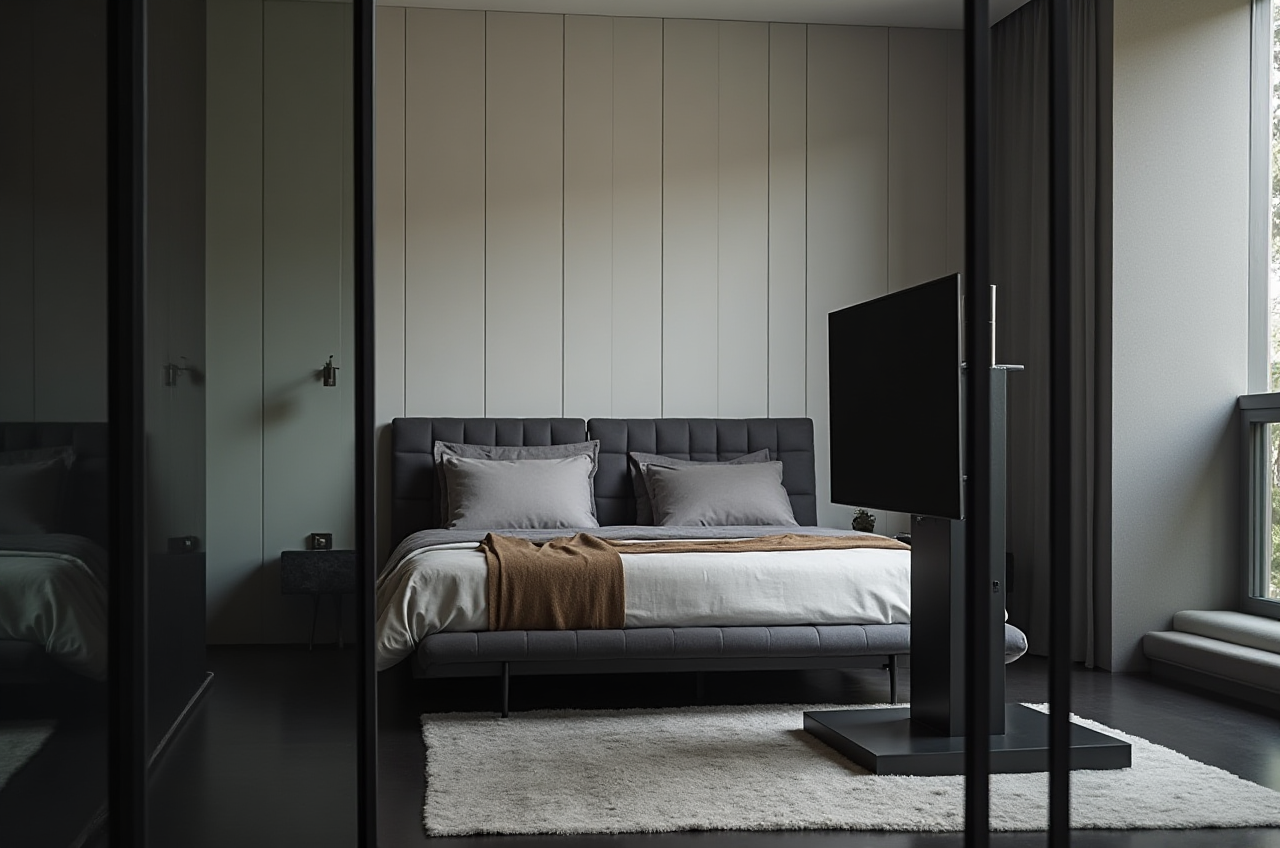
Sunvega’s global setup — including its 18-language support and local service partners — shows that international expansion works best when software is built for translation from the start.
Q&A
Q1: Is software translation only about changing the language in the menu?
A: No. In the home industry, translation also includes product naming, material labeling, catalog structure, and design-to-manufacturing workflow. If only the menu is translated, the process can still break later.
Q2: Which Sunvega product is a good starting point for a home brand?
A: It depends on the need. For rapid room planning, HomeSnap AI is useful. For catalog-based design, AiHouse is a strong fit. For immersive sales presentation, Visioneer is designed for virtual showroom use.
Q3: Why is multilingual support so important for home software in 2026?
A: Because home brands are increasingly serving cross-border customers and distributed teams. When software supports multiple languages and one connected database, communication errors drop and workflow speed improves.
Final thought
For the home furnishing industry, the next stage of growth is not only better design. It is better communication between design, sales, rendering, and manufacturing. That is why sunvega deserves attention: it brings together AI, 3D visualization, multilingual support, and smart manufacturing in one ecosystem.
For more information, visit https://www.sunvega.com/.